(Image credit: Shutterstock)
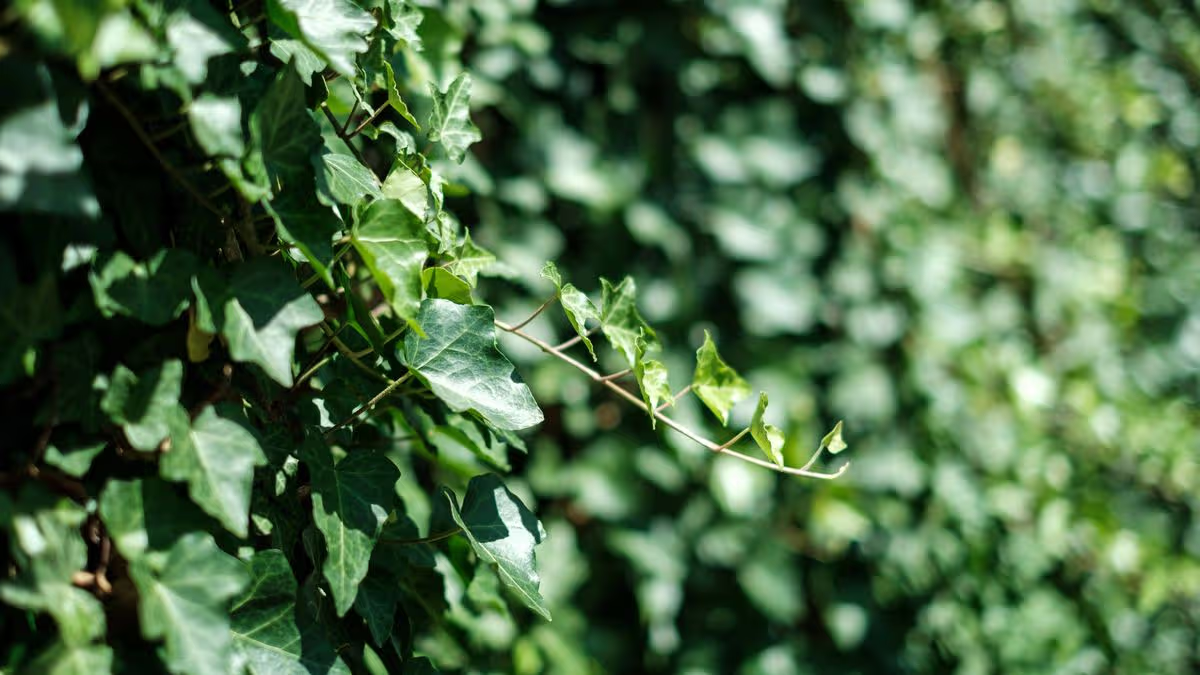
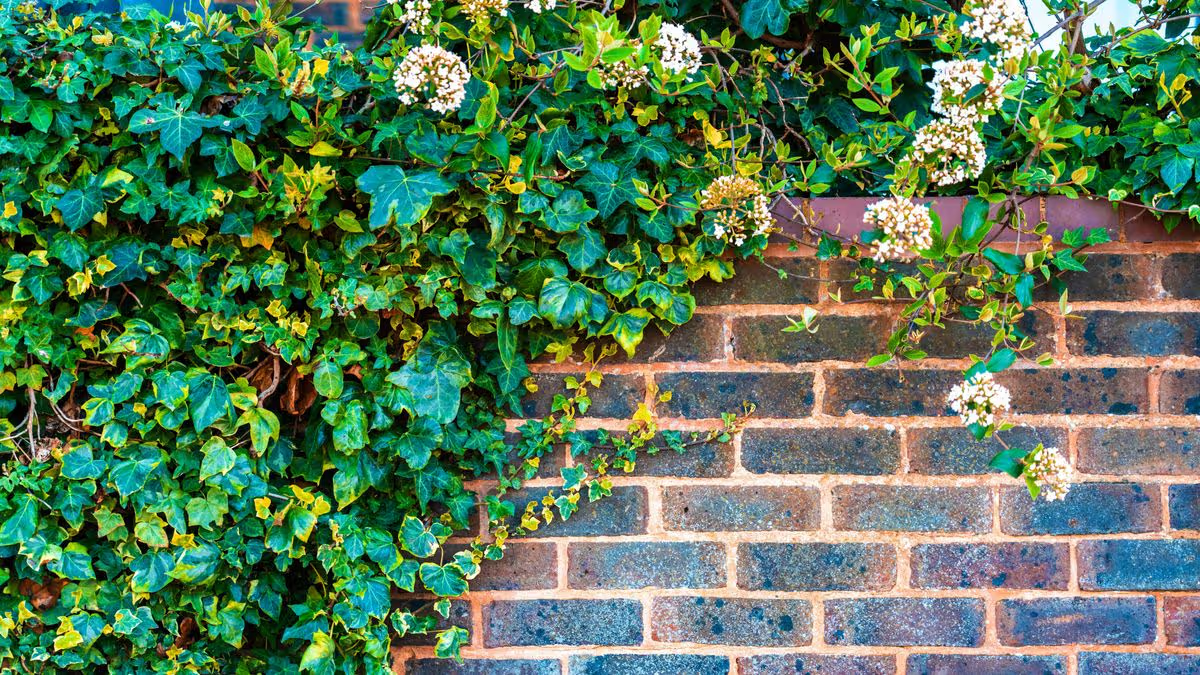
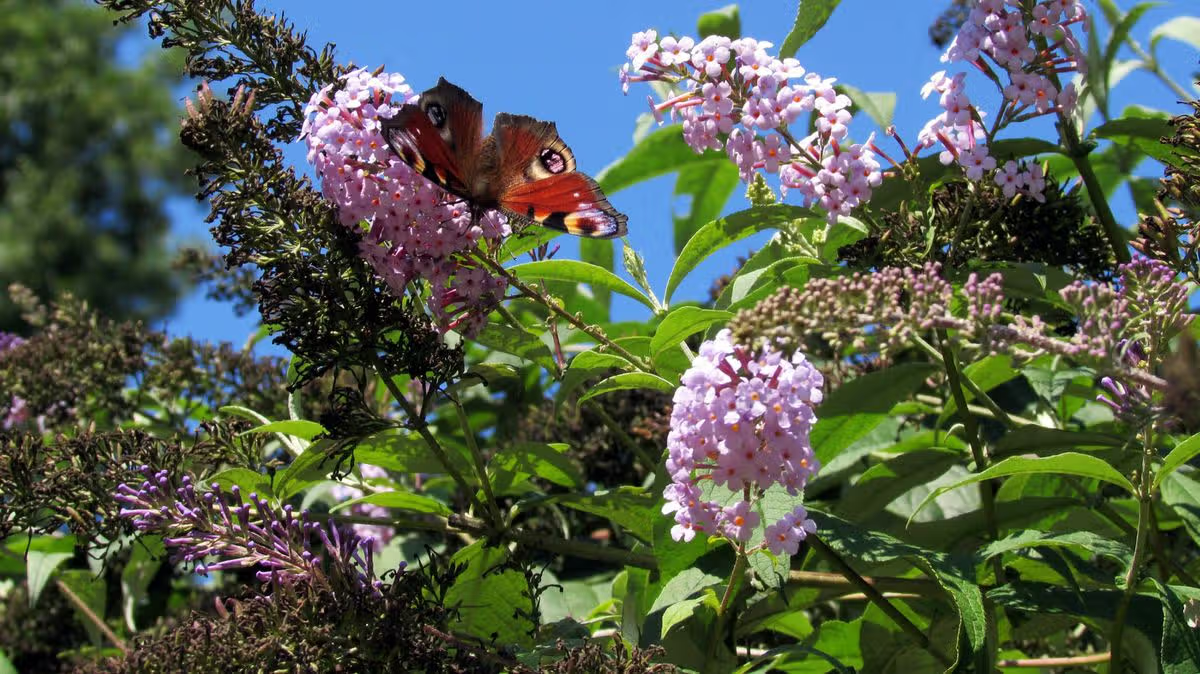
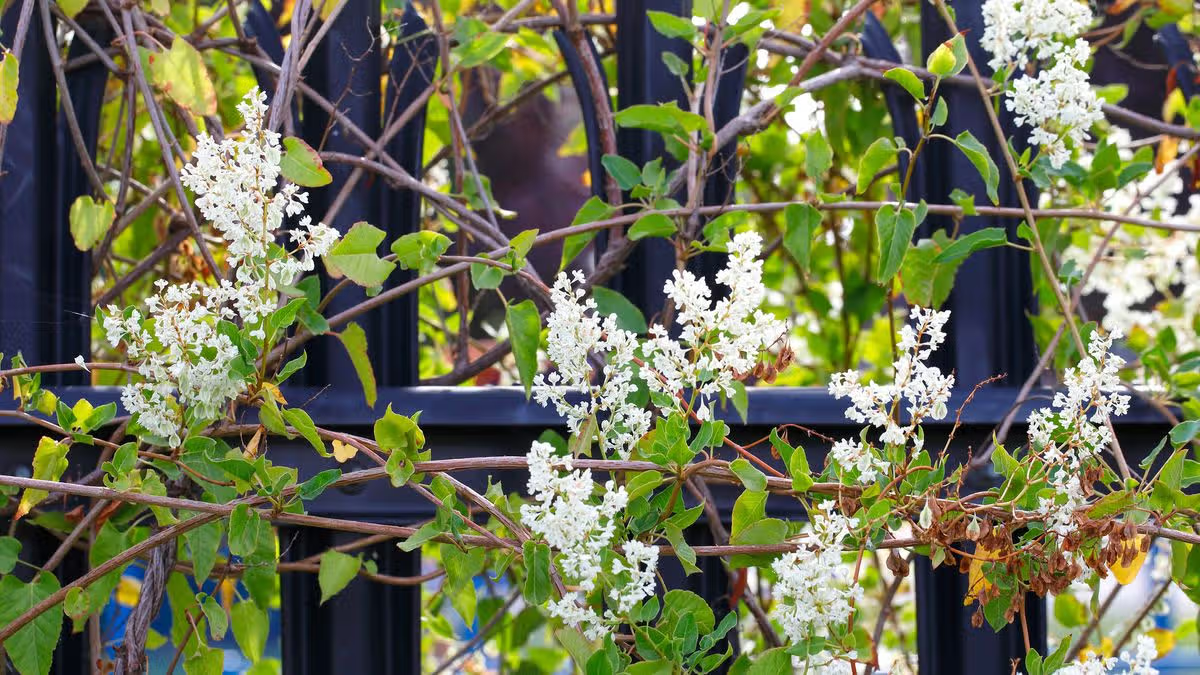
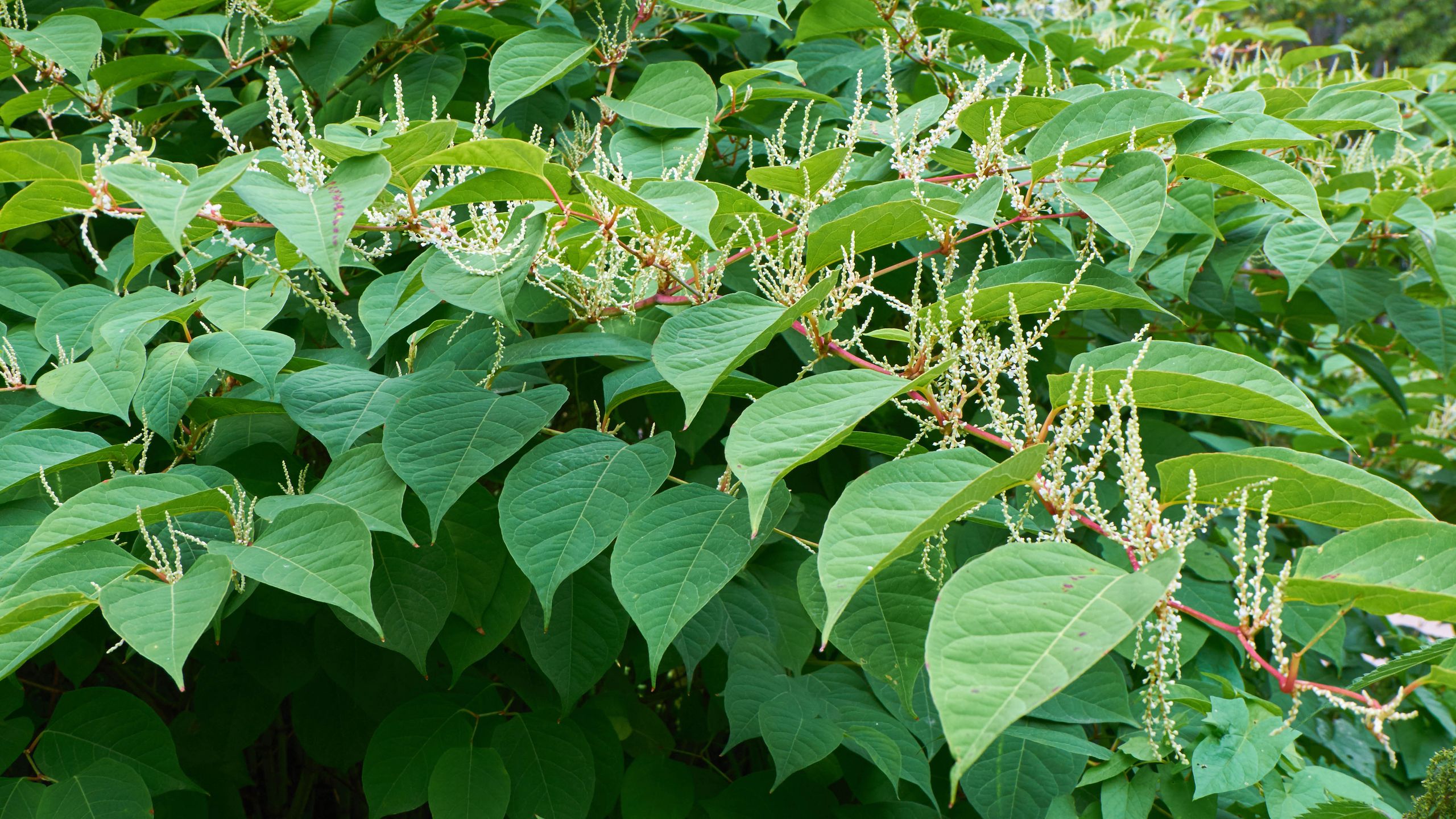
My neighbor has a slightly unruly garden, and without ill intentions, some of her plants creep into my yard. While I’m happy to share plants and cuttings with friends and family, there are some invasive species I’d prefer not to accept.Luckily, I don’t have a problem with Japanese knotweed or bamboo becoming invasive in my yard, but I do have an issue with English ivy. And since it’s an invasive plant, it’s not easy to remove.However, not all ivy is invasive, so it’s worth knowing which type of ivy you’re dealing with before removing it unnecessarily.Which type of ivy is invasive?
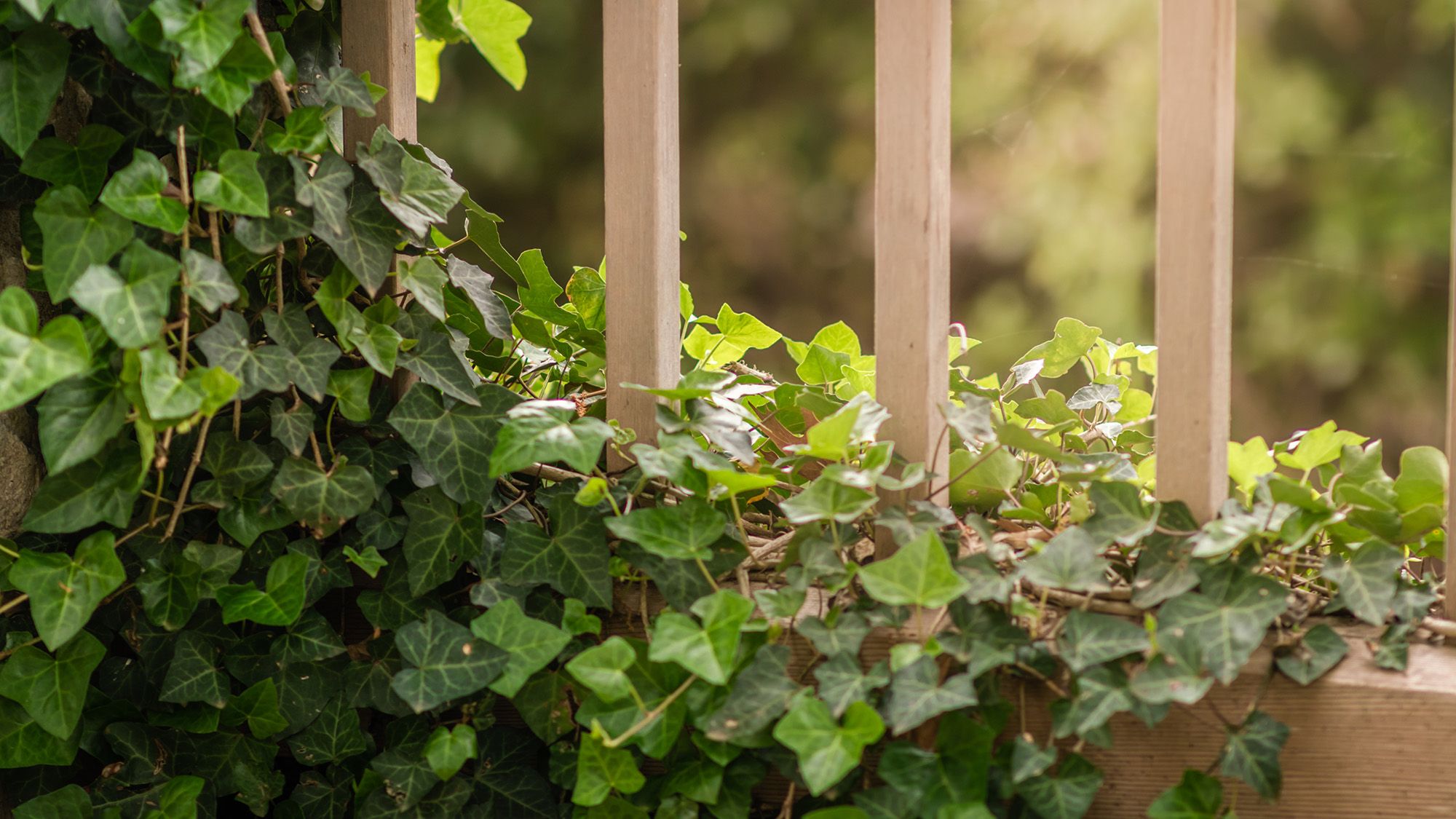
(Image credit: Shutterstock)English ivy, also known as Hedera helix, made its way to North America as an ornamental plant, and it is the most notorious ivy for being an invader. However, it’s not the only non-native ivy that causes an issue.Watch out for these four other types of ivy:Irish ivy (Hedera hibernica) is often confused with English ivy, although it has larger, glossier leaves.Canary Island ivy (Hedera canariensis) has large, broad, deep-green or variegated leaves, with reddish stems.Get instant access to breaking news, the hottest reviews, great deals and helpful tips.Persian ivy (Hedera colchica) has sizable, heart-shaped, glossy leaves, which are the largest of the species.Japanese ivy (Hedera rhombea), also known as Boston ivy, features palm-shaped 3-lobed leaves that are bright green in summer and turn crimson in fall.The problem with invasive plants