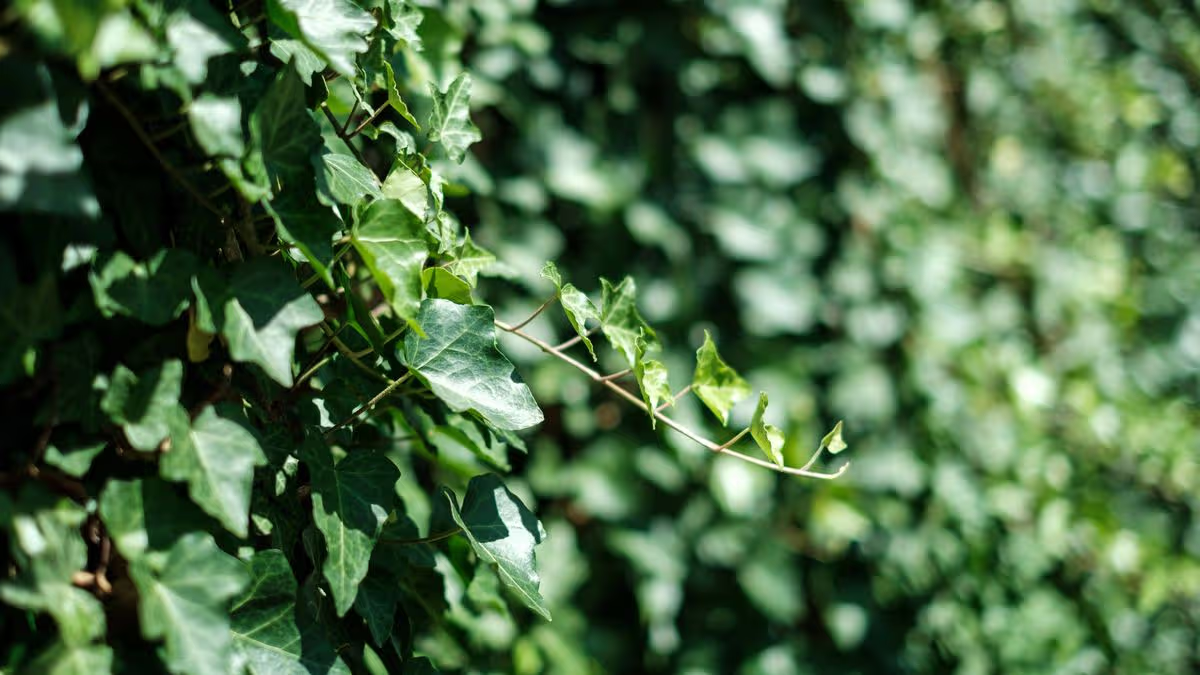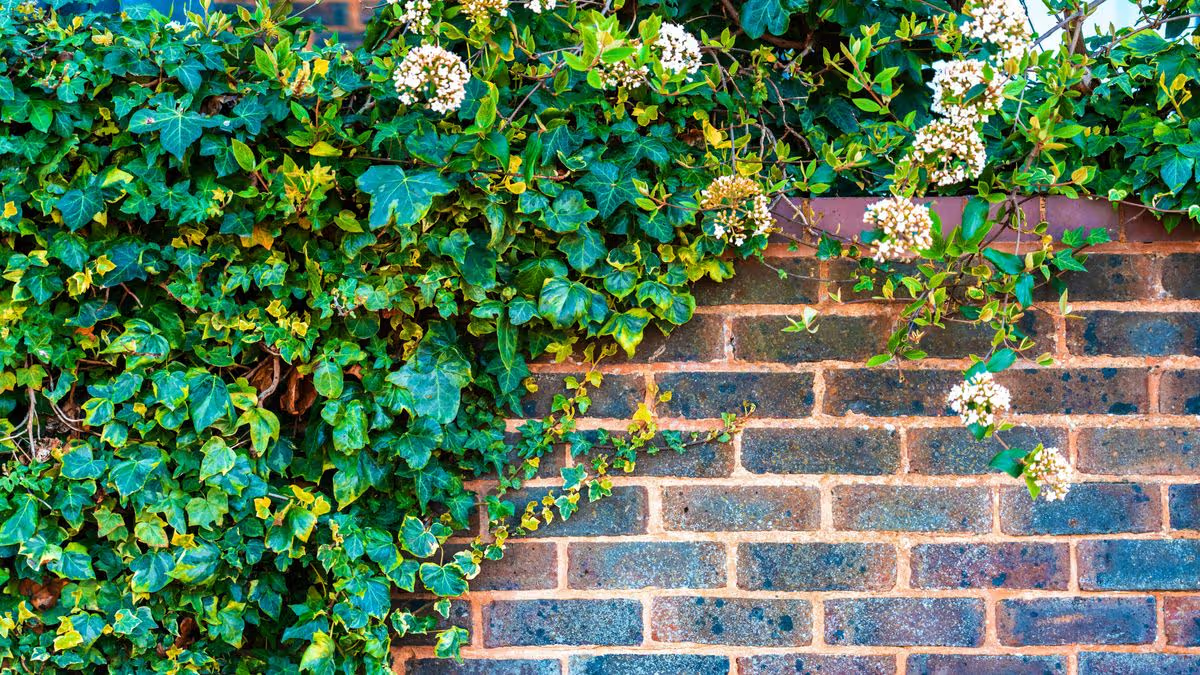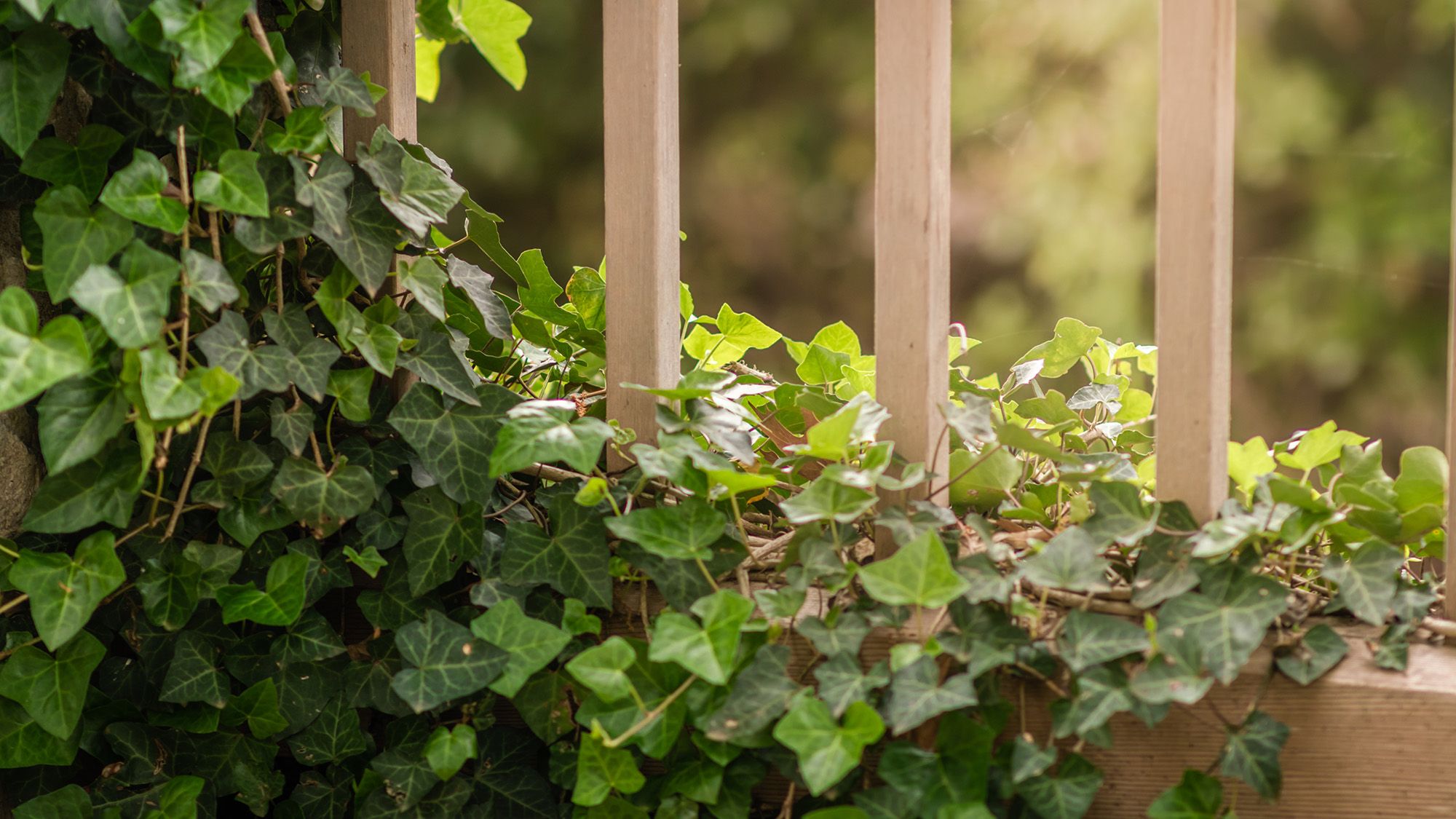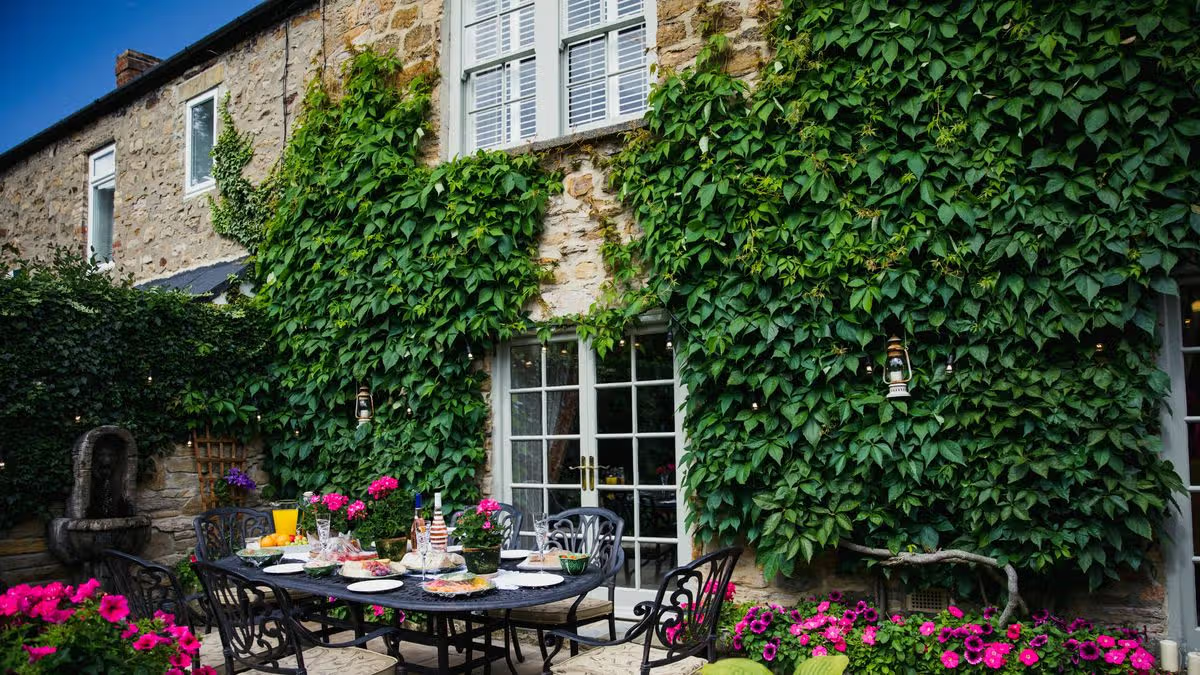
Ivy is a persistent plant that can plague UK gardens, but gardeners can tackle it naturally using a simple homemade weed killer spray made from just three kitchen ingredients12:53, 07 Jul 2026British gardeners know all too well just how common English ivy can be. This evergreen climbing plant is found right across the UK and is infamous for its tenacious hold on walls, fences and trees, creating thick blankets of foliage.While it does offer some environmental advantages, such as providing shelter for birds and aiding pollination, ivy can smother other plants, damage mortar in older brickwork, and block out vital sunlight. For gardeners, ivy represents a significant headache.Robert Quinton, property expert at Construction Megastore Building Materials, said: “Although ivy can add a charming aesthetic to your property’s brickwork, it often does more harm than good. It tends to cling to walls and can creep into small cracks, eventually damaging mortar and creating routes for damp to set in, sometimes leading to serious leaks, and eventually mould.“While it’s possible to remove ivy yourself, it is important to wear gloves while doing so, as the sap may irritate the skin. The roots can generally be tackled with relative ease using basic tools.”The usual approach to dealing with fast-spreading weeds often involves using strong chemicals.However, experts at Drip Works suggest a homemade remedy using just three everyday kitchen staples can eliminate "serious and invasive" ivy.Dealing with unwanted ivy varies depending on where it has established itself in the garden. For ivy scaling walls, the specialists recommend a spray solution made with vinegar, reports the Express."If you want an ivy-free garden wall, this is an effective and natural way to achieve it," the experts advise. They recommend a mixture using apple cider vinegar, salt, and washing-up liquid, which they claim has been "proven to be the best solution to kill ivy".Preparing this weed-killing spray couldn't be easier; simply combine three basic ingredients in a spray bottle. Mix together one gallon of apple cider vinegar, a tablespoon of salt, and roughly two tablespoons of washing-up liquid.Both apple cider vinegar and white vinegar can be used to get rid of ivy, with apple cider vinegar delivering better results thanks to additional compounds beyond acetic acid.The success of either vinegar in destroying ivy hinges on the concentration of acetic acid, which varies between different types of vinegar.How to kill ivy plantsIt's advised that the vinegar solution be applied to the ivy plants for at least five days before it takes effect. This liquid formula acts as a natural weedkiller, drawing moisture from ivy leaves and helping strip away their protective waxy layer.Drip Works suggested: "After five to six days, use garden shears and a pruning saw to remove dead ivy that is clinging firmly to the building."If any foliage survives the spray treatment, the procedure may need to be repeated until the English ivy is fully eliminated.Once the leaves have wilted, it's key to manually remove the roots, as ivy will regrow if even the smallest root fragment is left behind.While ivy can provide nesting spots for wildlife within its dense coverage, uncontrolled growth can threaten trees by adding weight and competing for sunlight and water.To prevent regrowth, the expert recommended applying copper or zinc materials to stop ivy from clinging to these areas.Article continues belowRobert added: “For complete removal, carefully cut and peel all stems from the edges inward, using tools like a blunt knife or saw as needed, and over-sever the main roots at the end.“Finally, dig out the stump and large roots if possible, and scrub off any remaining root hairs from surfaces with a wire brush or scraper.”
Gardens will be 'ivy-free' in days with a 'natural' homemade method
Ivy is a persistent plant that can plague UK gardens, but gardeners can tackle it naturally using a simple homemade weed killer spray made from just three kitchen ingredients
605 words~3 min read