Japanese Knotweed plant
(Image credit: Shutterstock)
Japanese knotweed is an invasive plant that all homeowners need to know about. It spreads rapidly, crowds out surrounding vegetation and, more importantly, can damage your home.Even if you don’t enjoy gardening, you need to keep control of Japanese knotweed before it takes over, cracking concrete and penetrating foundations.How to identify Japanese knotweed
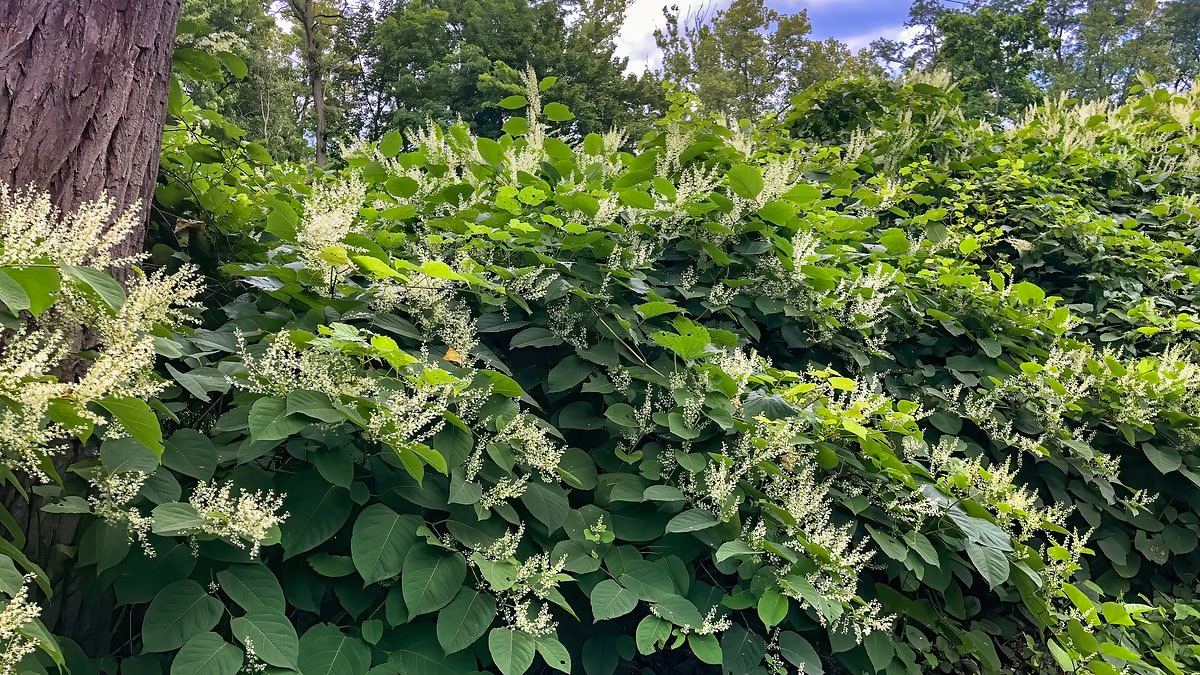
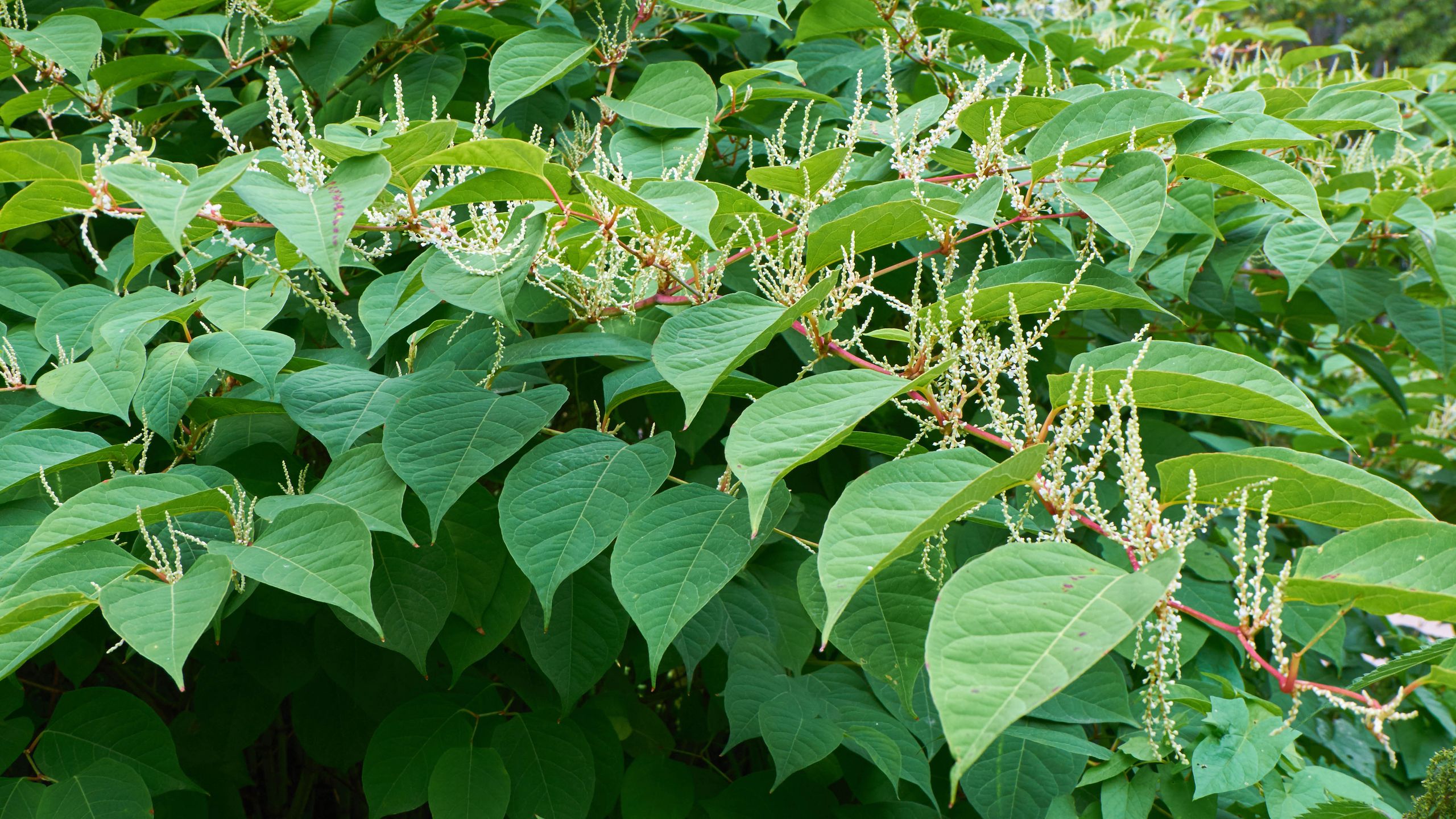
(Image credit: Shutterstock)Japanese knotweed is listed by the World Conservation Union as one of the worst invasive plant species, and for this reason, you need to know how to identify it in your yard. "Japanese knotweed [Fallopia japonica] has some key characteristics that are instantly recognizable; however, the plant changes through the seasons, so it’s important to know what the plant’s lifecycle looks like too,” explains Jennifer Holmes, Group Head of Marketing & Business Development at Japanese Knotweed Ltd.
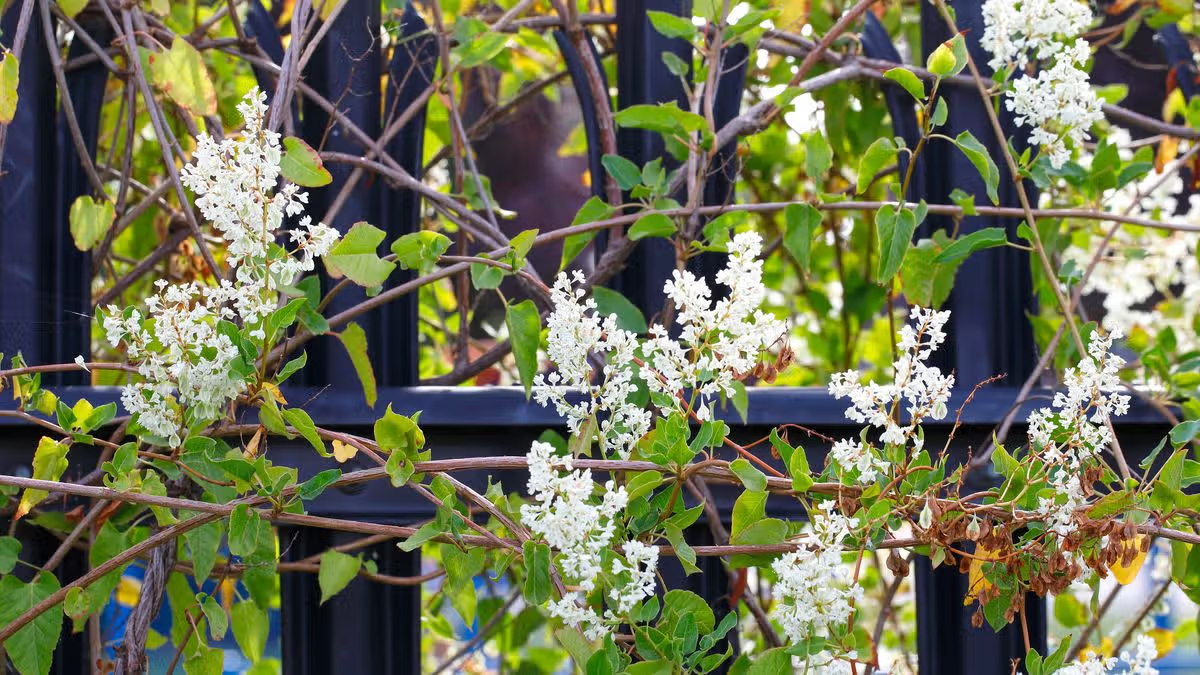
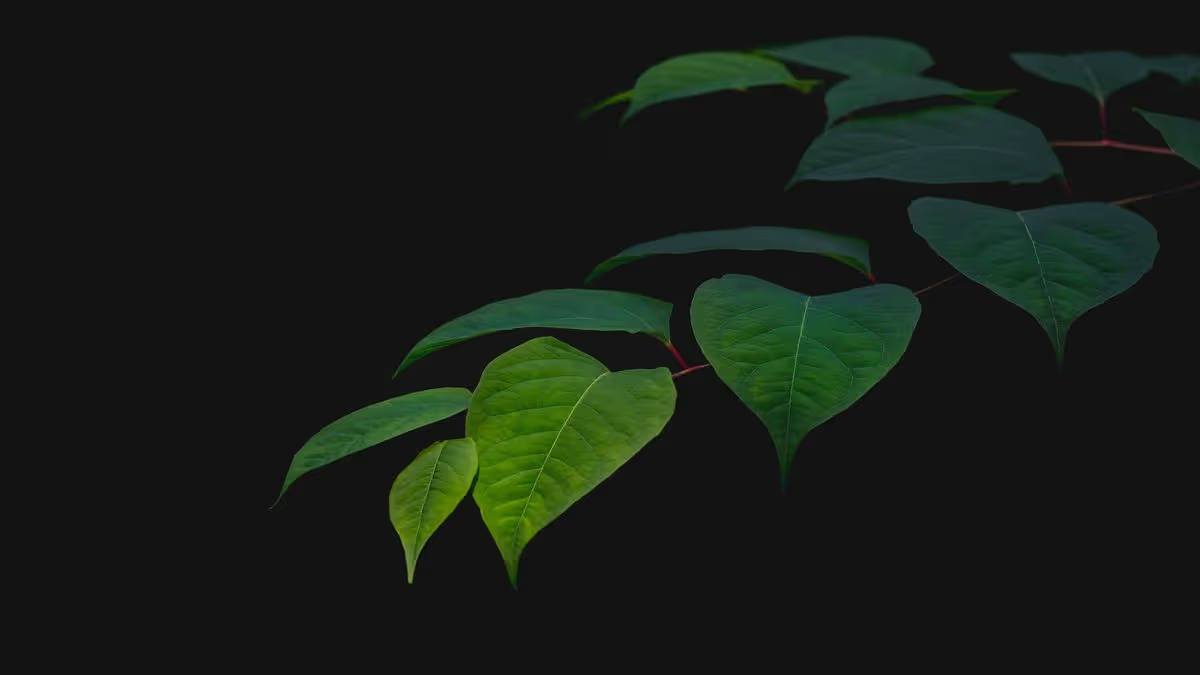
(Image credit: Shutterstock)She describes the plant as having tall, thick, hollow stems, with red/purplish freckles. The grass-green leaves are shovel-shaped and branch from single nodes up the stem, forming a zigzag pattern, while the small, creamy-white flowers grow in vertical clusters from the branches.Holmes describes the roots as woody and dark brown, yet “snap like a carrot to reveal a bright orange center.” They can also be thin “like spaghetti” or as thick as eight inches in diameter.Get instant access to breaking news, the hottest reviews, great deals and helpful tips.