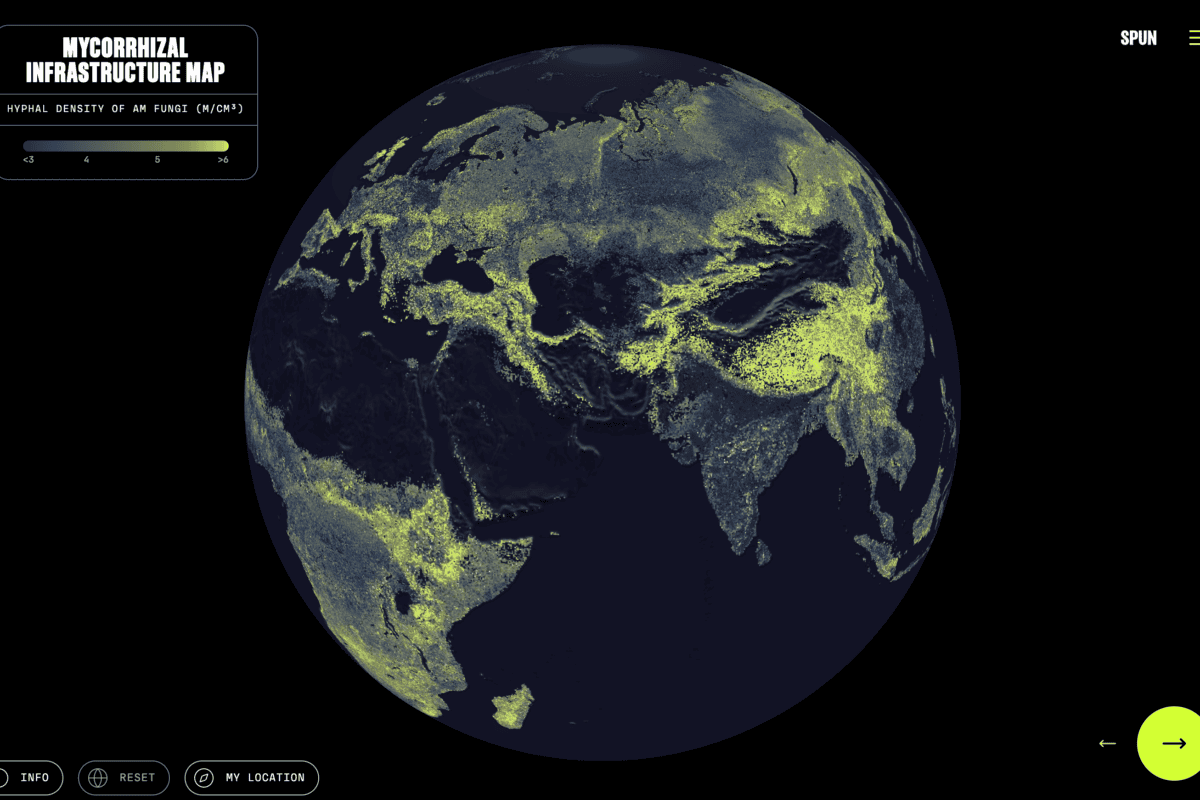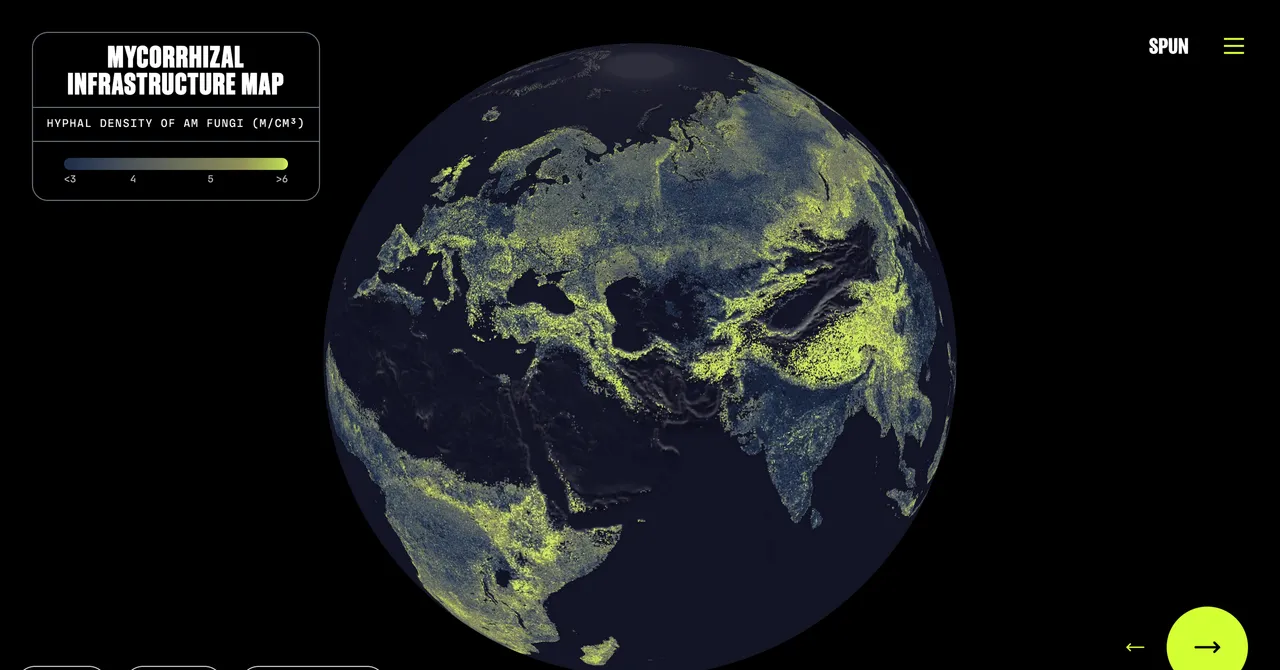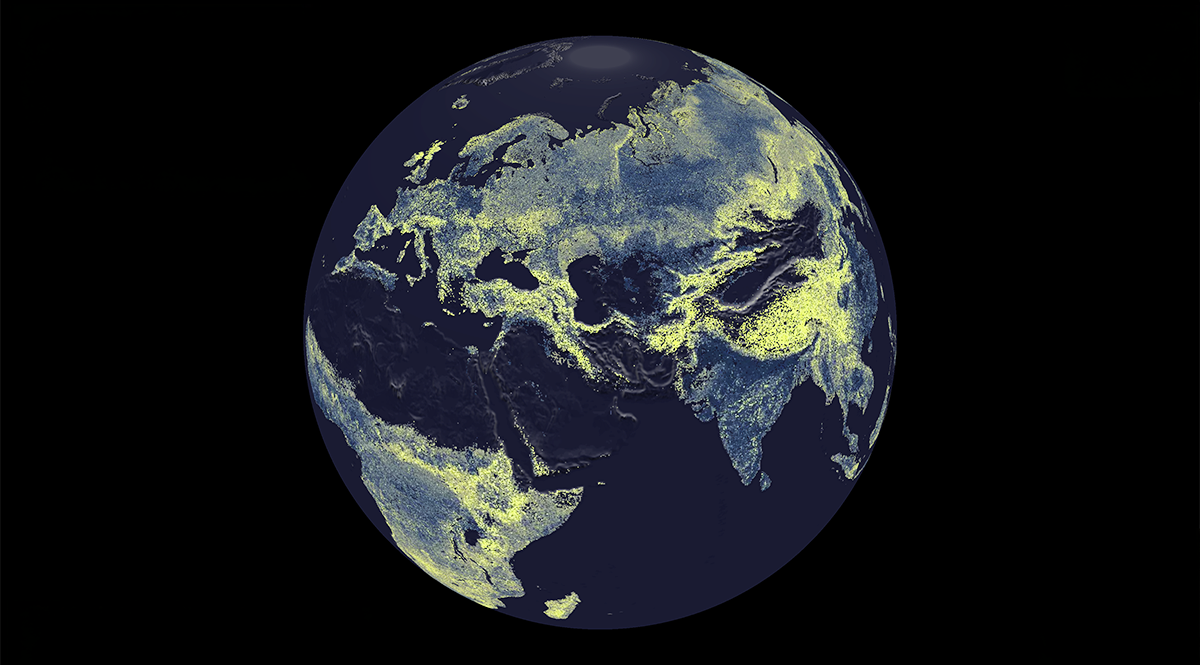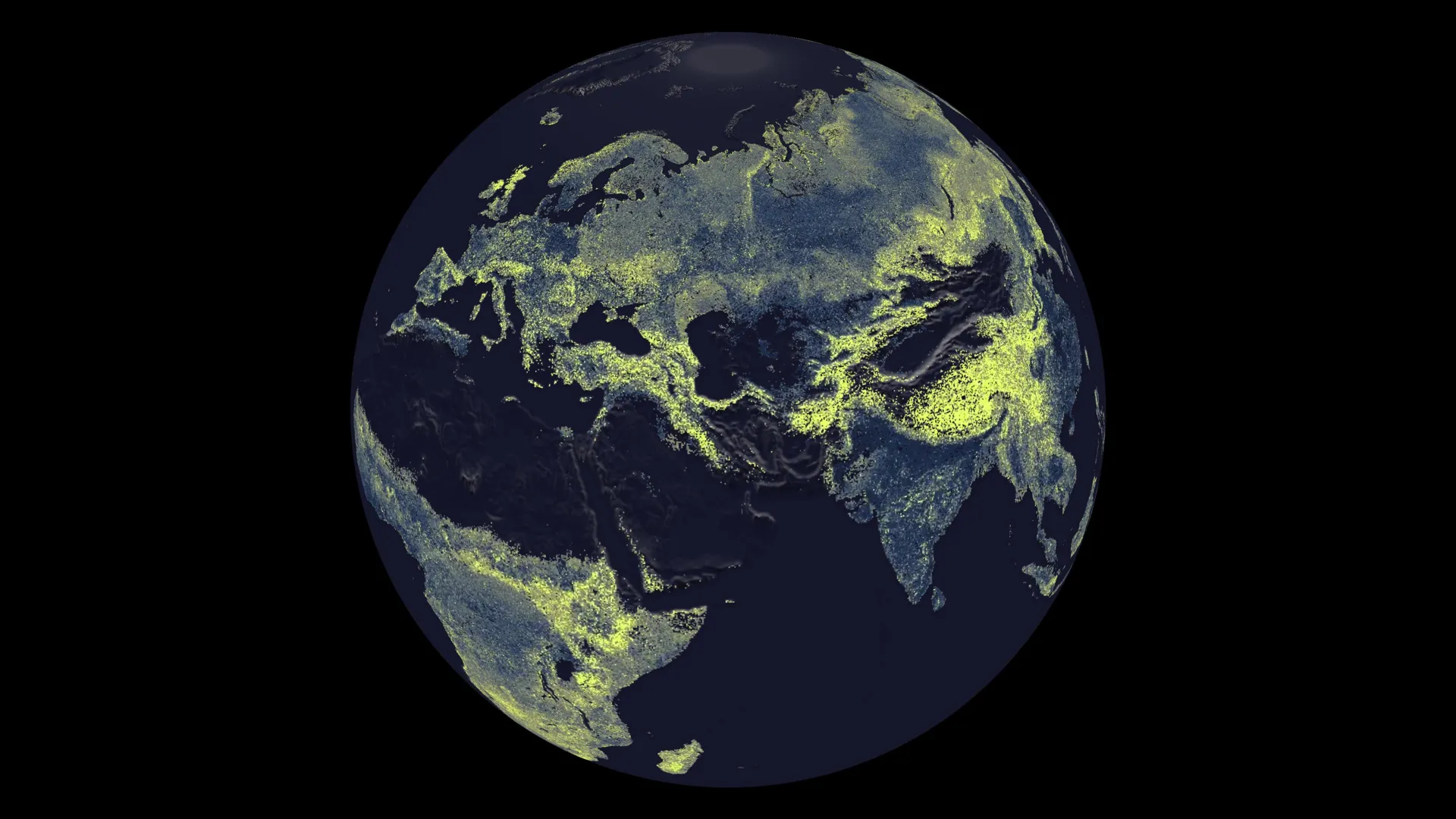
Scientists made the first detailed global maps of mycorrhizal fungal networks by analyzing DNA from 25,000 soil samples worldwide, showing where these fungi that partner with most plants are most diverse.Less than 10% of the areas with the highest fungal diversity are currently protected, leaving important underground ecosystems at risk from farming and development.Major hotspots include Ethiopia’s Simien Mountain foothills, Brazil’s Cerrado savanna, West African rainforests and Tasmania’s forests, with different types of fungi thriving in tropical versus temperate regions.A new Underground Atlas tool allows users to explore fungal diversity patterns anywhere on Earth, revealing biodiversity hotspots that traditional conservation approaches have overlooked.
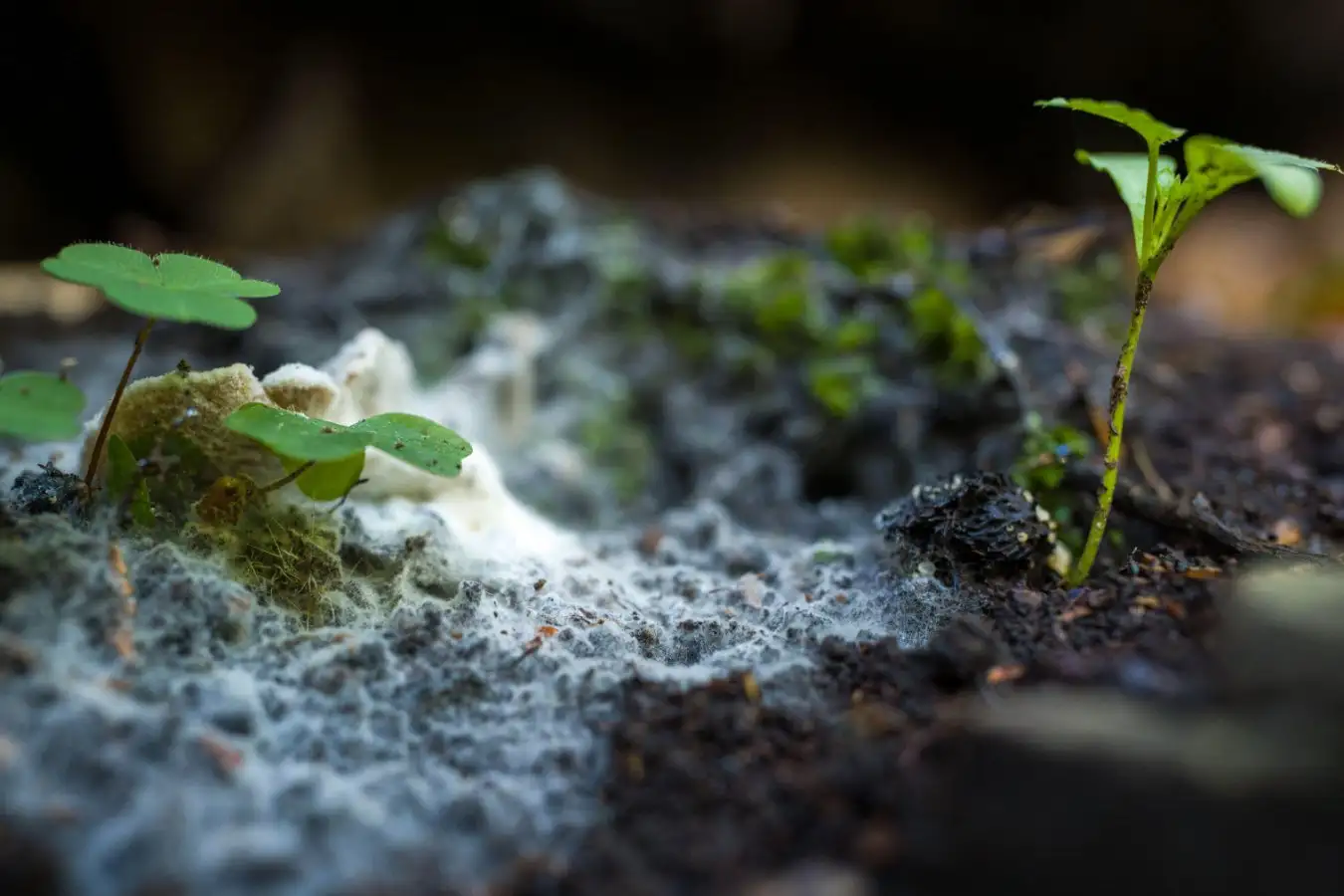
With nearly every step, we move above a vast underground network of fungal filaments, an ancient communication system that predates human civilization by hundreds of millions of years. Now, scientists have created the first comprehensive maps of these hidden networks.
These maps, published in a new study in Nature, represent a four-year effort by the Society for the Protection of Underground Networks (SPUN) to understand where mycorrhizal fungi are most diverse across the globe.