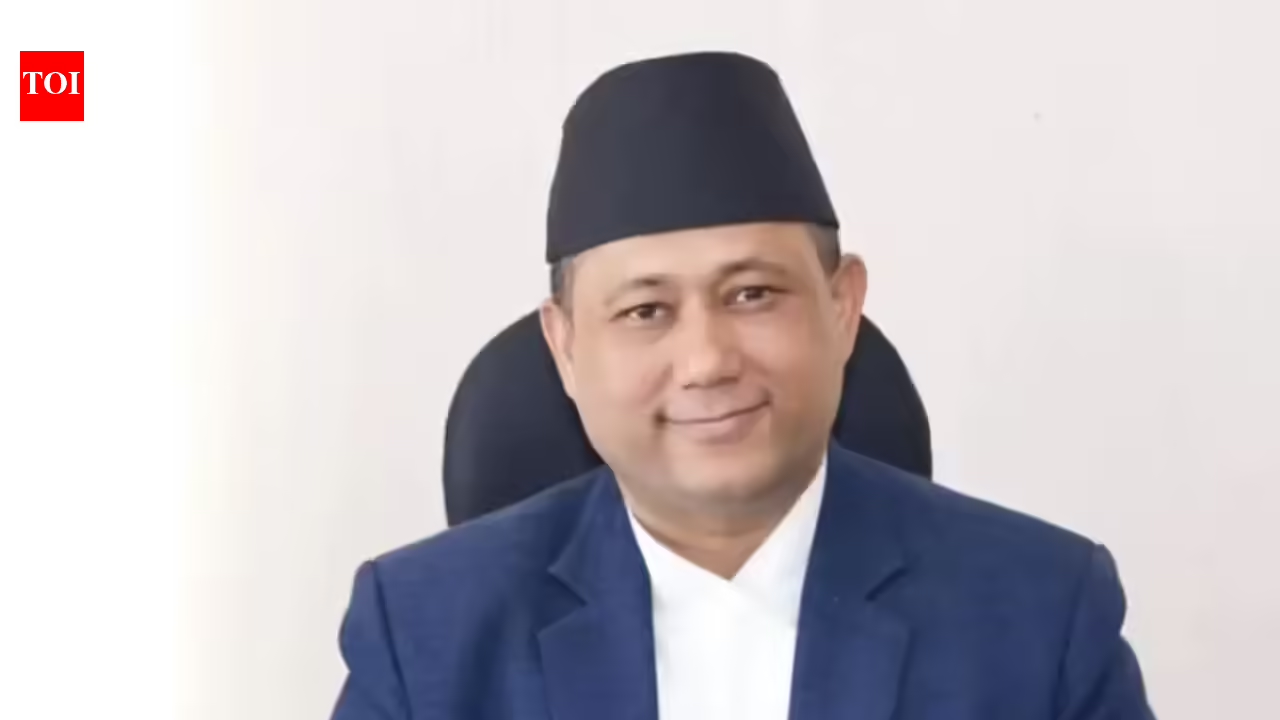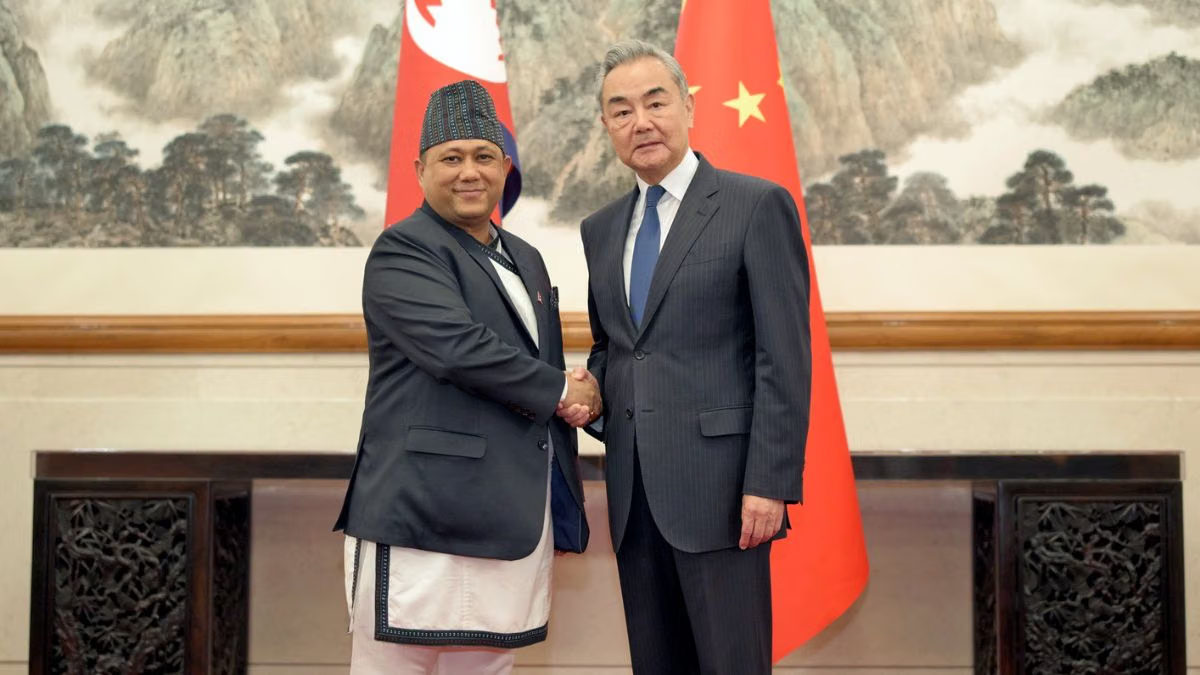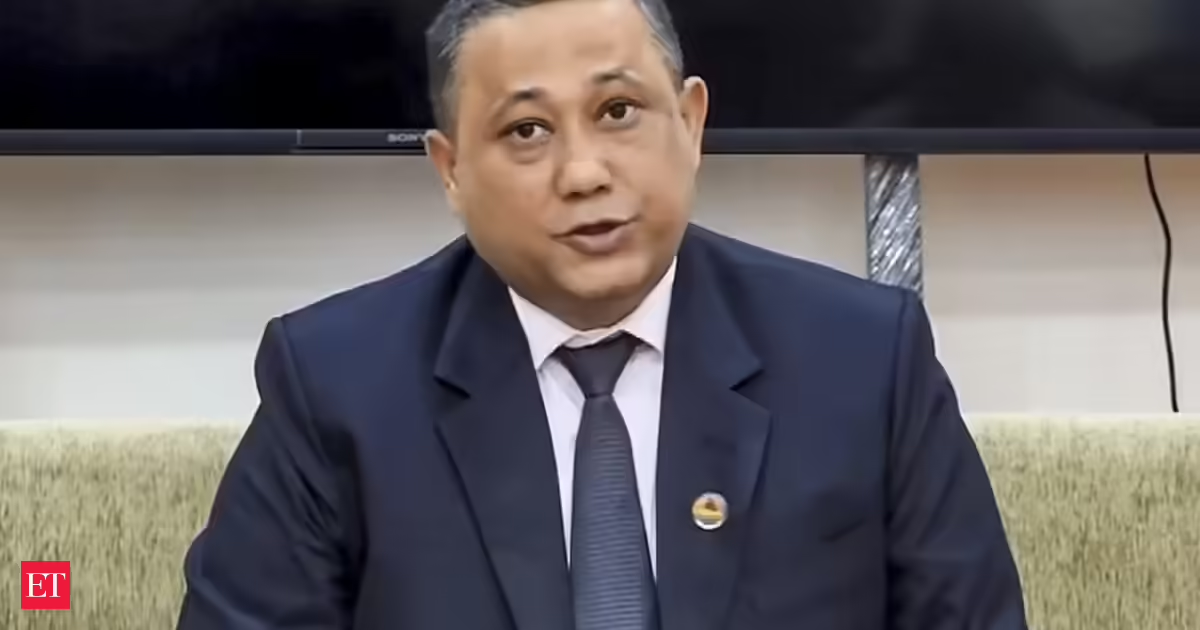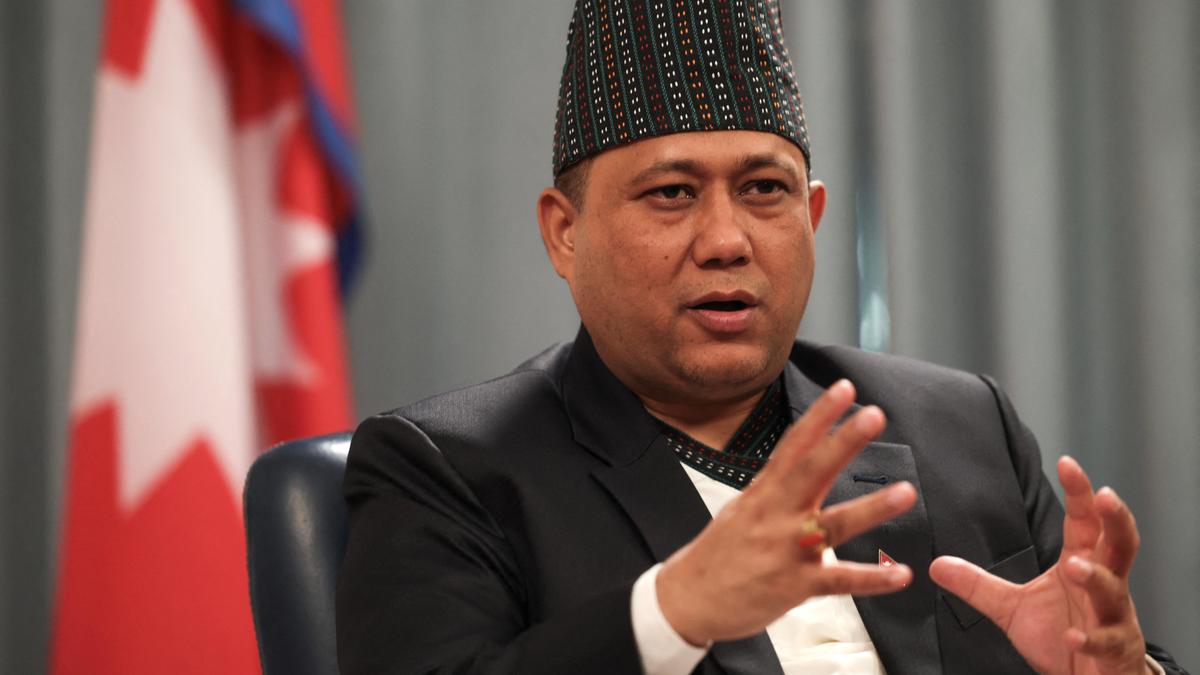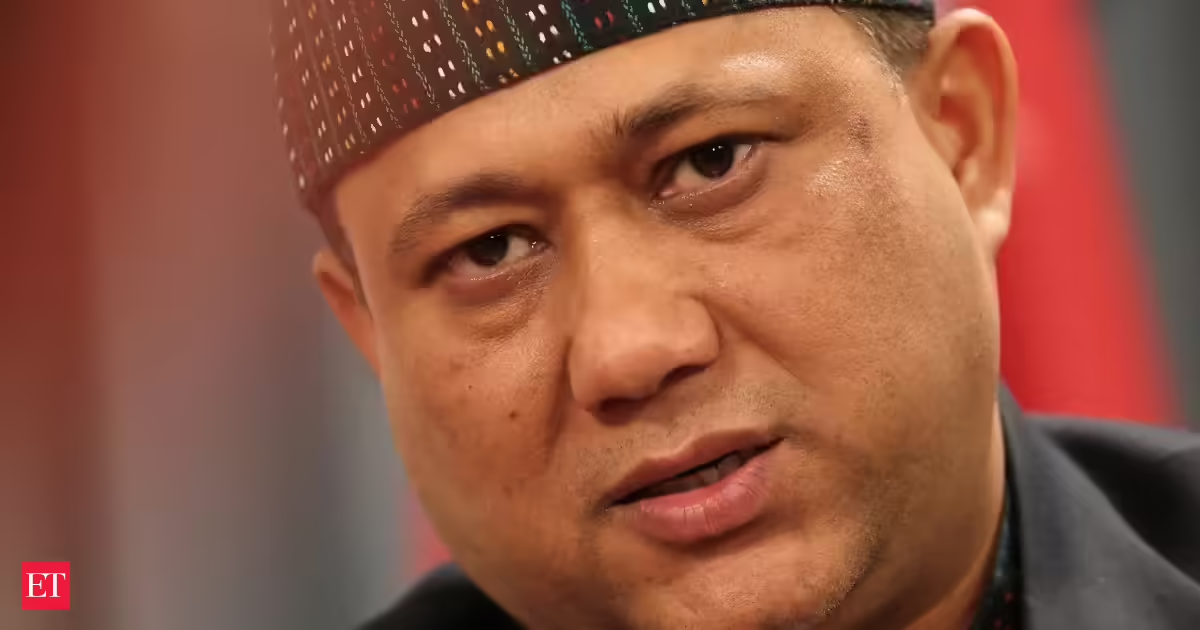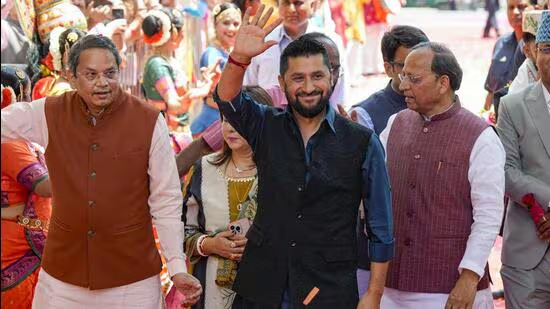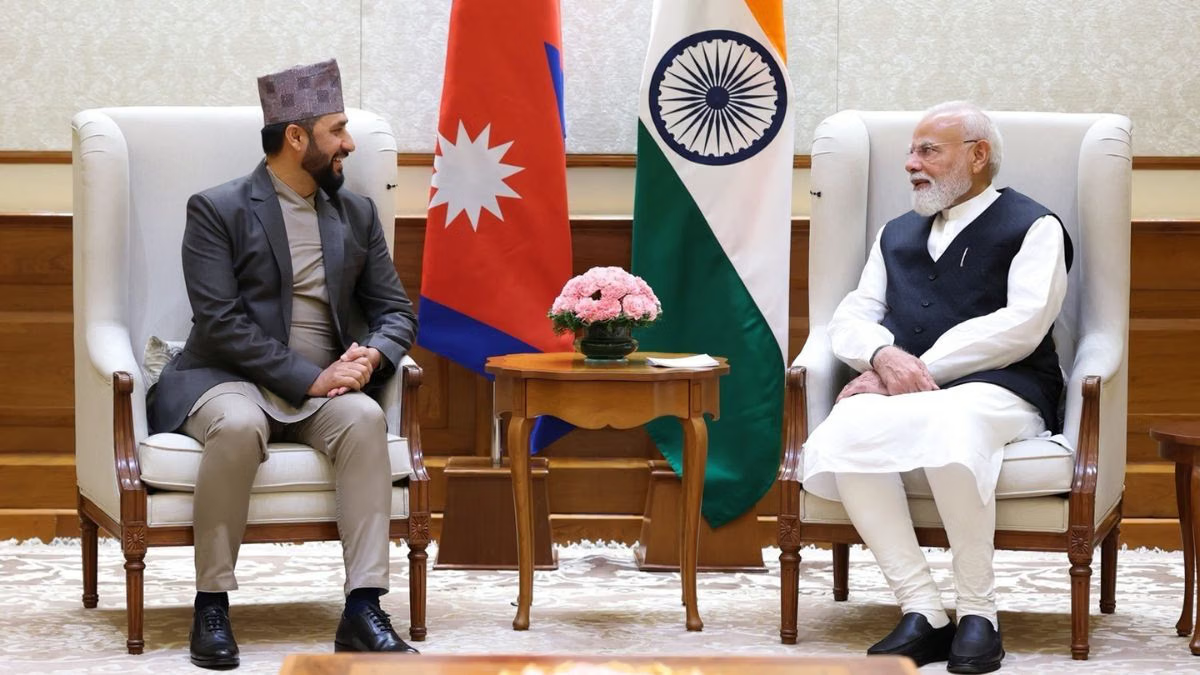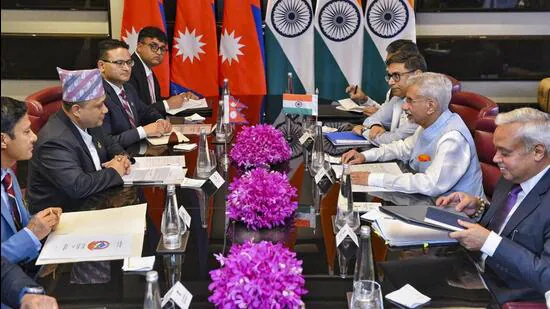
Recent back-to-back visits to New Delhi from Nepal’s Rashtriya Swatantra Party (RSP) chairman Rabi Lamichhane and Nepal's foreign minister Shisir Khanal marked a reset in bilateral ties after elections in the Himalayan nation. Lamichhane received a warm welcome in New Delhi which also shows that the Bharatiya Janata Party and the Indian government wants to work with the new government. India also seems to be recalibarating its approach with its neighbourhood including Nepal, with efforts to strengthen its relations with them. These trips by Nepal's senior leaders weren’t just diplomacy as usual. They hinted at a generational handoff in Kathmandu, one that could let both neighbours move past old grievances toward something more practical.JobNepal is a small nation perched between two giants- India and China. Its northern neighbour, China is growing its footprints in Nepal through investments. China has already pumped millions of yuan into infrastructure and hydropower projects in Nepal. These visits by Kathmandu's new leaders suggest that Nepal is looking south for partnership, focused on jobs, economy, trade, and connectivity and they want results over rhetoric. If India plays this right, we could see real economic gains on both sides of the borders.Nepal and India share long historical, social, cultural and economic relations. Nepal shares a largely open border of more than 1,750km with five Indian states; Uttarakhand, Uttar Pradesh, Sikkim, Bihar and West Bengal. However, the relationship has also faced strains due to border disputes, disagreements and competing strategic interests. Nepal and India have a longstanding dispute over the Kalapani, Lipulekh and Limpiyadhura regions, which both nations claim. India-Nepal border disputes trace back to the 1816 Treaty of Sugauli Sugauli Treaty signed between British India and Nepal after the Anglo-Nepal War. As both neighbours use different interpretations of the treaty, the border disputes remain unsolved even today.Recently, Nepal's Prime Minister (PM) Balendra Shah has triggered a political backlash at home after claiming in parliament that not only India, but Nepal has also encroached territories of India at many places. India firmly ruled out any role for third parties in resolving its boundary dispute with Nepal after Shah sought the involvement of China and the United Kingdom in resolving the border disputes. New Delhi clearly stated that there are bilateral mechanisms to deal with all aspects of boundary matters. Speaking in his first formal address to the Parliament of Nepal since becoming the country’s youngest PM earlier this year, he stressed that both neighbours should seek the help of historians, surveyors and experts to resolve the issue. His remarks have sparked controversy, with opposition political parties and students demanding his resignation. Nepal’s younger politicians and youth see India as the closest, most natural partner for jobs, education, sustainability and growth. Ravi Lamichhane’s meetings with PM Modi and other leaders, and his public push for “development diplomacy,” captured that shift. Nepal and India also made progress in the sectors of health, UPI, innovation and startups during the meeting between India's external affairs minister S Jaishankar and Nepal's foreign minister Sishir Khanal. Both nations launched a direct payment linkage between India's Unified Payments Interface (UPI) and Nepal's National Payments Interface (NPI), facilitating real-time cross-border remittances. The MoU was also signed between Digital India Bhashini and Kathmandu University for co-creating National Digital Infrastructure for the “Voice First” Language Translation platform.These partnerships and understandings are beneficial for both neighbours. India should remain Nepal's equal partner as some see it as a big brother. Both nations also should accelerate and explore partnership on energy, especially hydropower development, education, health, capacity-building, digital, culture and sports. India should fast track projects that are undergoing in Nepal so that people can quickly see the results. New Delhi can also support capacity-building that aligns with Nepal’s priorities such as skills training, tourism infrastructure, and agricultural value chains.New Delhi should engage with the government and parties and keep doors open for constructive dialogues to solve the disputed border issues and other misunderstandings. The goal should be a stable, prosperous Nepal that sees its future tied more to opportunities in India.A new generation in Nepal is signalling it wants to build rather than bargain. By focusing on jobs, energy, and connectivity, both neighbours can turn a historically complicated relationship into a quietly productive one. (The views expressed are personal)This article is authored by Brabim Karki, columnist and commentator, Kathmandu.
Nepal’s new generation looks south for jobs, growth
This article is authored by Brabim Karki, columnist and commentator, Kathmandu.
720 words~3 min read