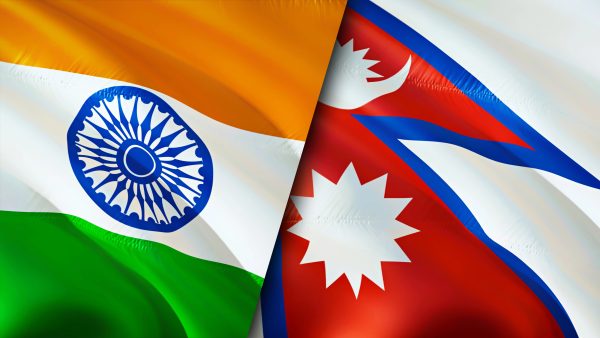
India’s early optimism about relations with Nepal is quickly fading.
Following Nepal’s Gen Z uprising last year, New Delhi had firmly backed the interim government of Sushila Karki and its single-point agenda of holding timely elections. The Karki government delivered on that promise.
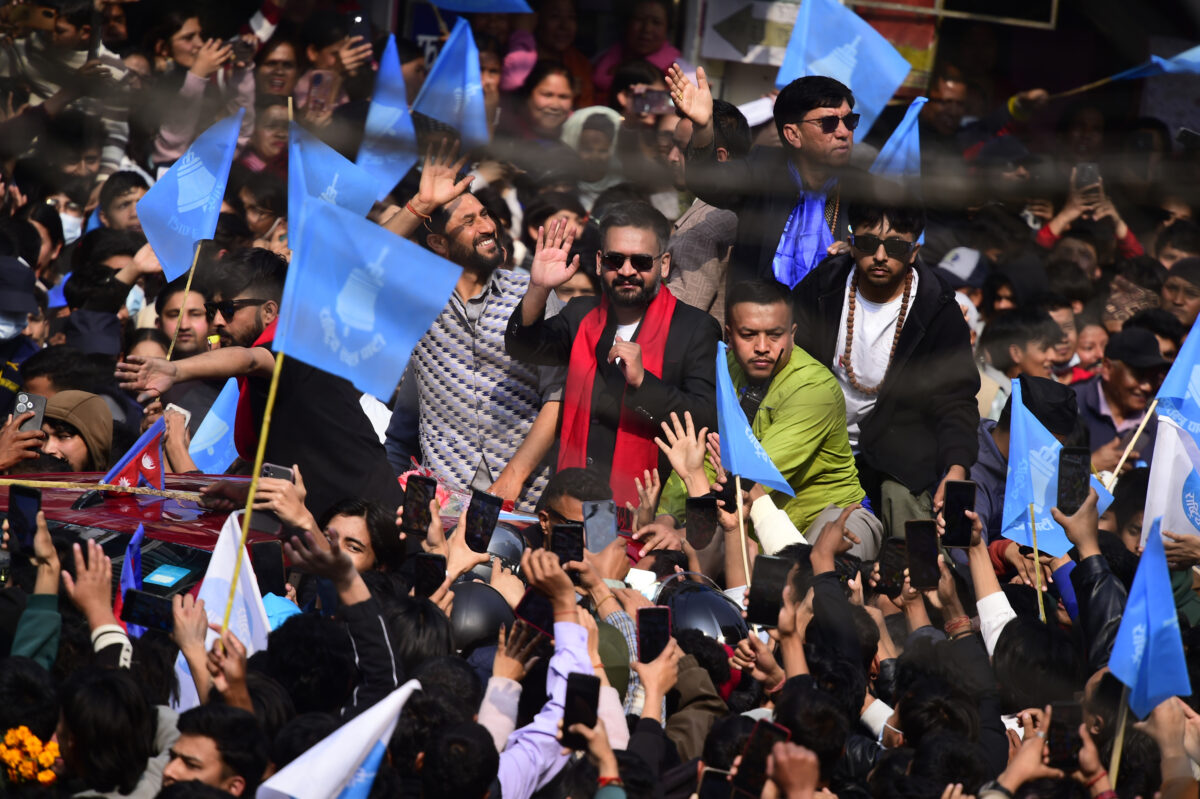
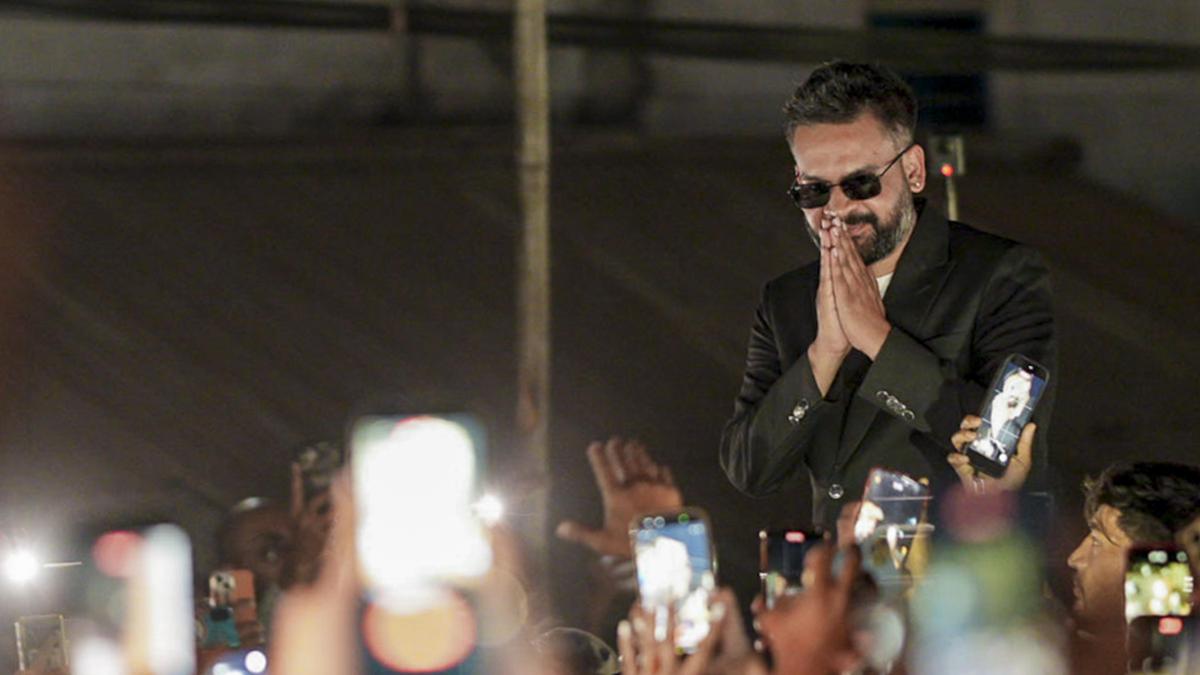
In the March 5 parliamentary elections, the Rashtriya Swatantra Party (RSP) secured nearly a two-thirds majority. Its projected prime ministerial candidate, Balendra Shah, took over the government’s reins on March 26.
India, which supposedly had a pre-poll understanding with the RSP that its vital interests would be protected should the party come to power, seemed happy with developments in Kathmandu. Following the publication of Nepal’s election results, Indian Prime Minister Narendra Modi could barely conceal his delight in the congratulatory message for Shah.
Yet cracks quickly emerged in India-Nepal ties. In keeping with the tradition, Indian Ambassador to Nepal Naveen Shrivastava wanted to congratulate Shah personally when he became the prime minister. But Shah, in a mood to break from the tradition of Nepali executive heads individually meeting foreign ambassadors, gave a collective audience to resident ambassadors in Kathmandu.