The 2026 general election finally awarded Nepalis what they have long desired: a single-party majority government and an end to the ghouls of fragile ruling coalitions – a root cause of constant horse trading and political instability. It also buried deep the three large parties that have taken turns in government. No thanks to the politics of the past.
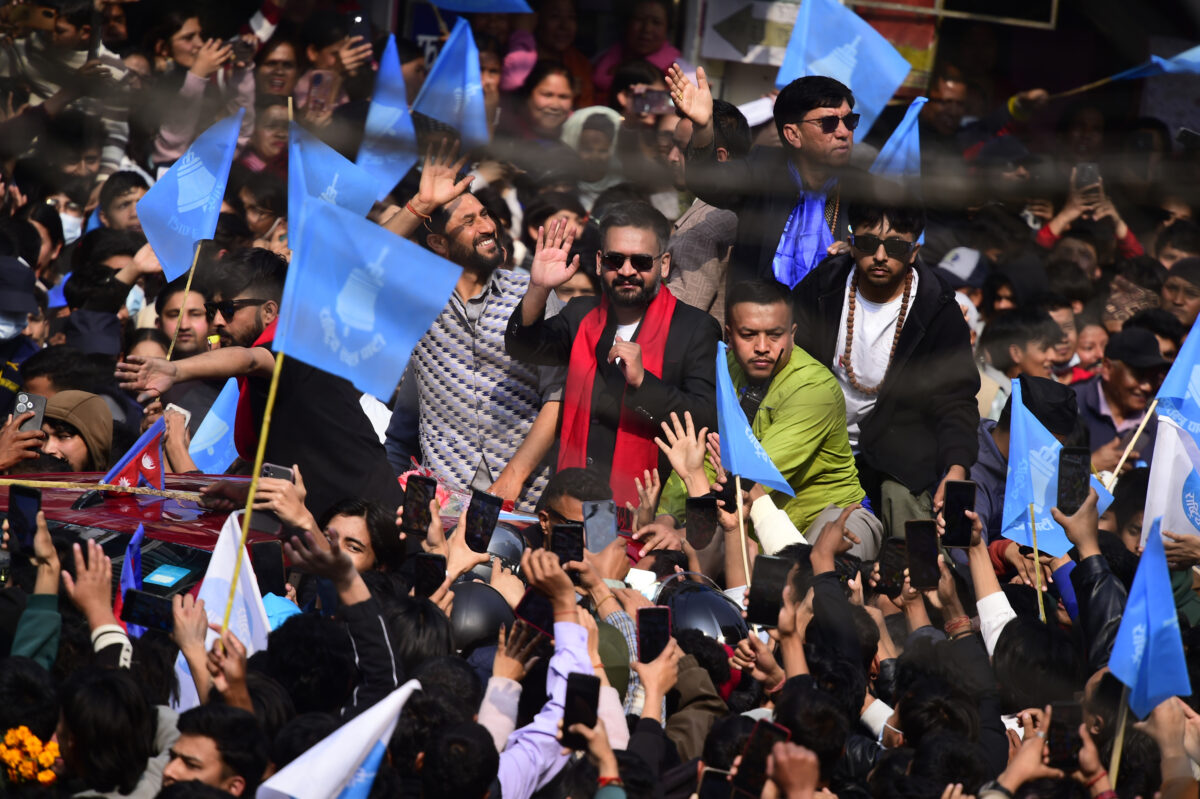
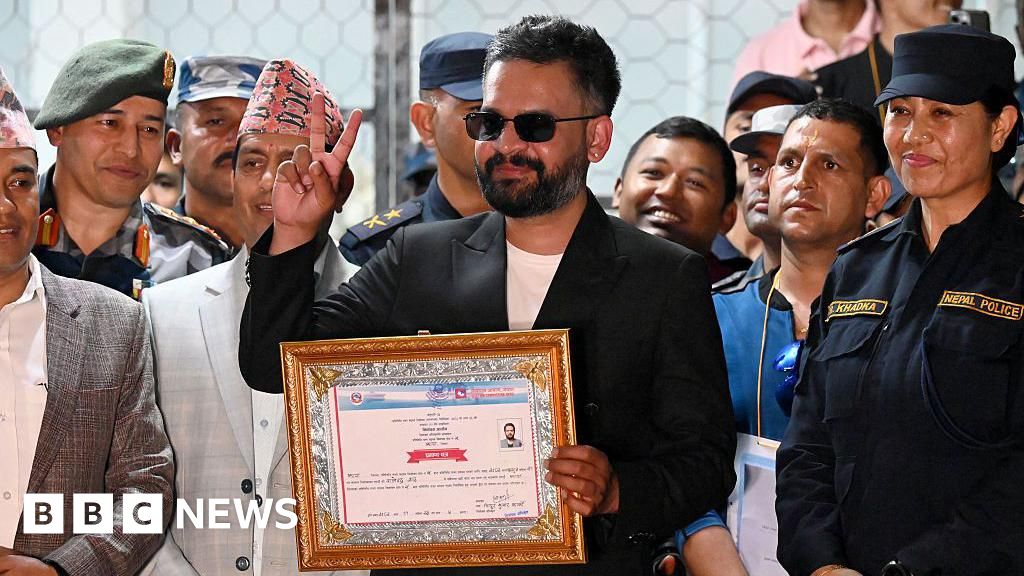
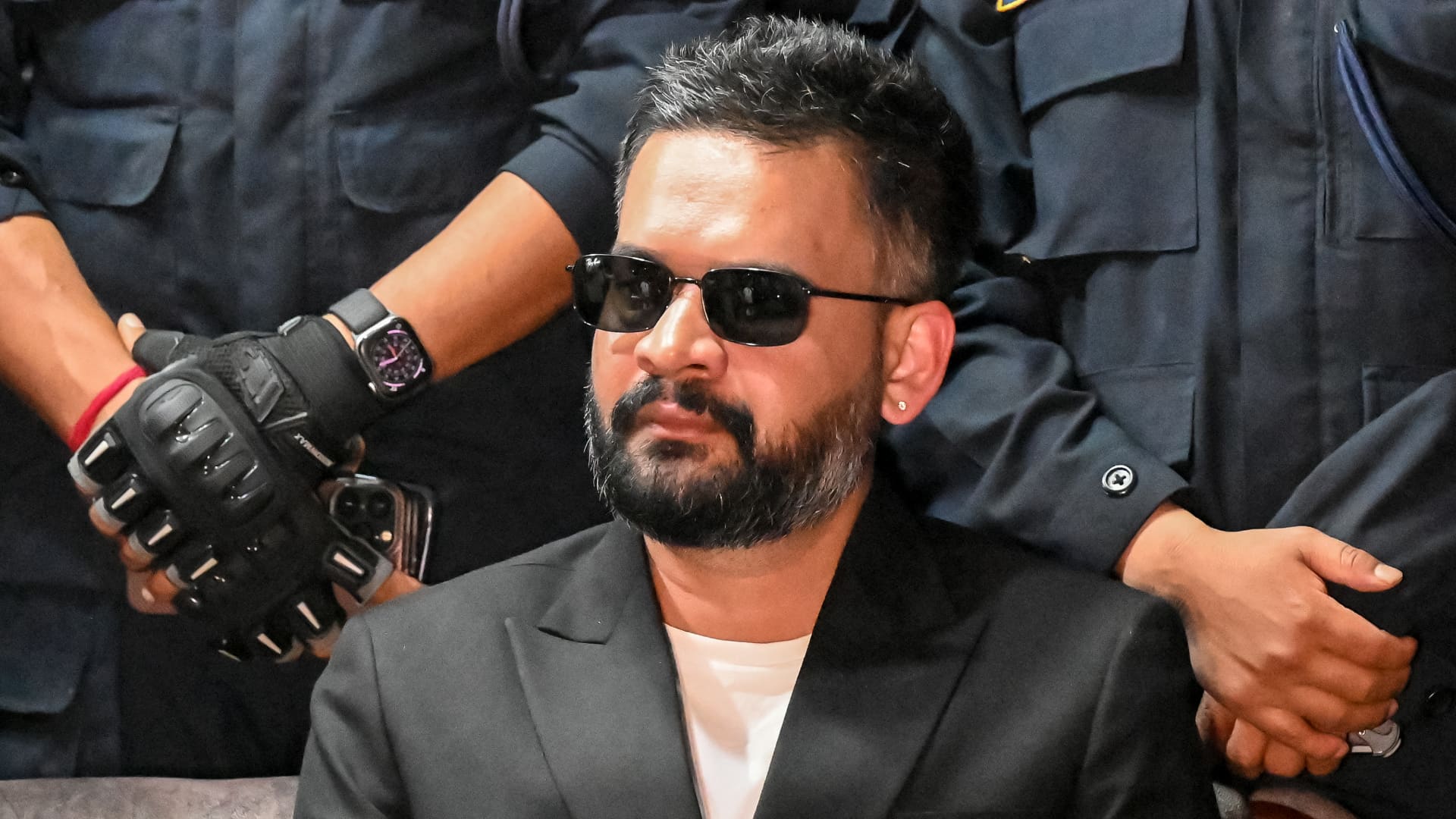
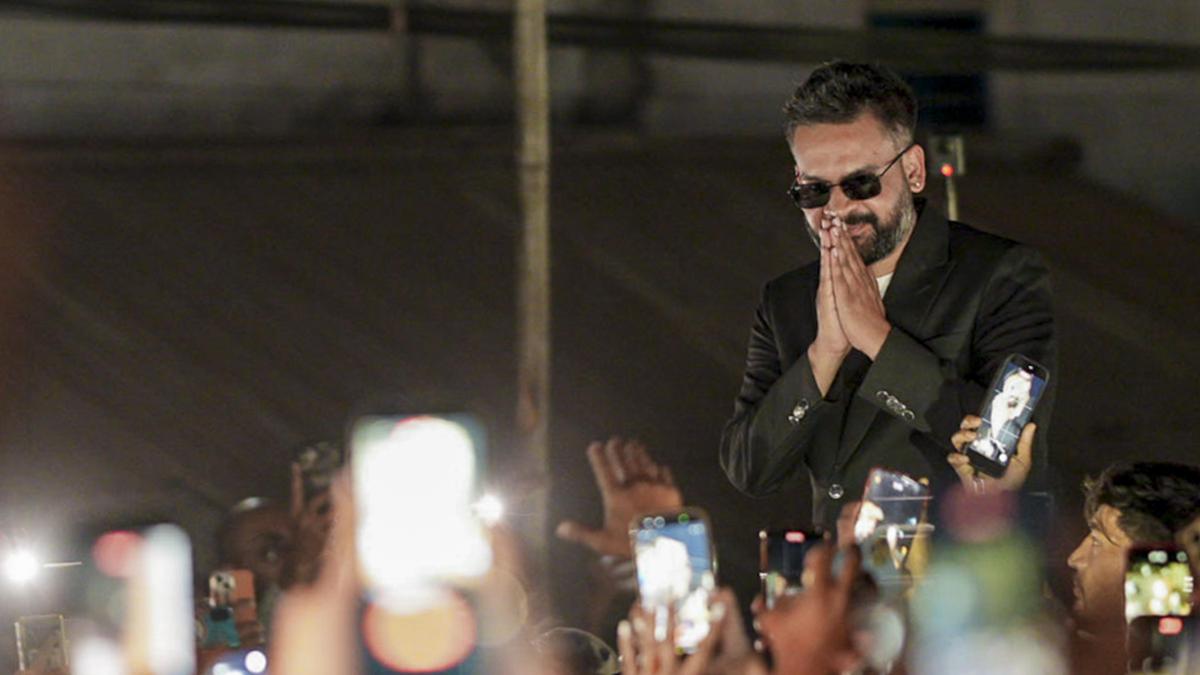
This election has been stunningly different. Young and new faces have dominated the political landscape, not least Rastriya Swatantra Party’s (RSP) prime ministerial candidate Balen Shah, 35, himself. RSP itself is a party formed only in 2022, when it secured 20 seats in the House of Representatives.
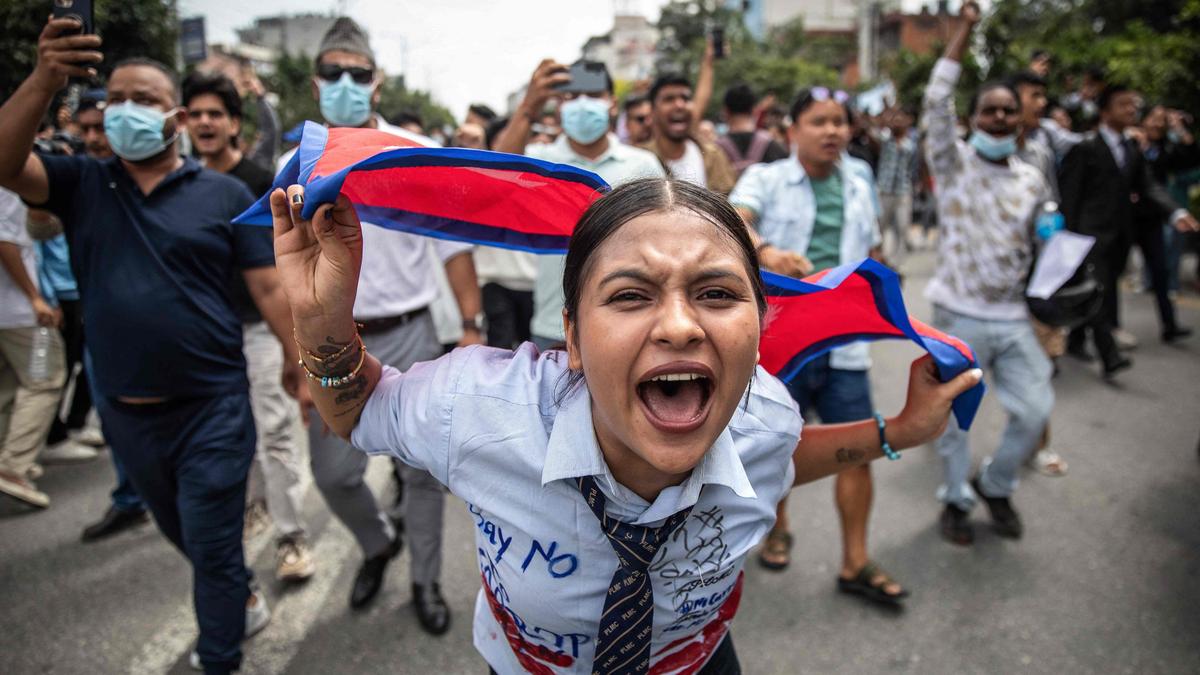
RSP’s climb to the top this election has been nothing short of spectacular. The September 8 and 9 Gen Z movement against rampant political corruption and nepotism in Nepal, which also paved the way for the March 5 election by toppling the incumbent government headed by Prime Minister KP Oli, represents a unique phenomenon. It is potentially the first grassroots movement to have evolved entirely online before manifesting in nationwide physical demonstrations to bring down a regime.
This article is a part of The Hindu’s e-book: Nepal’s new political moment