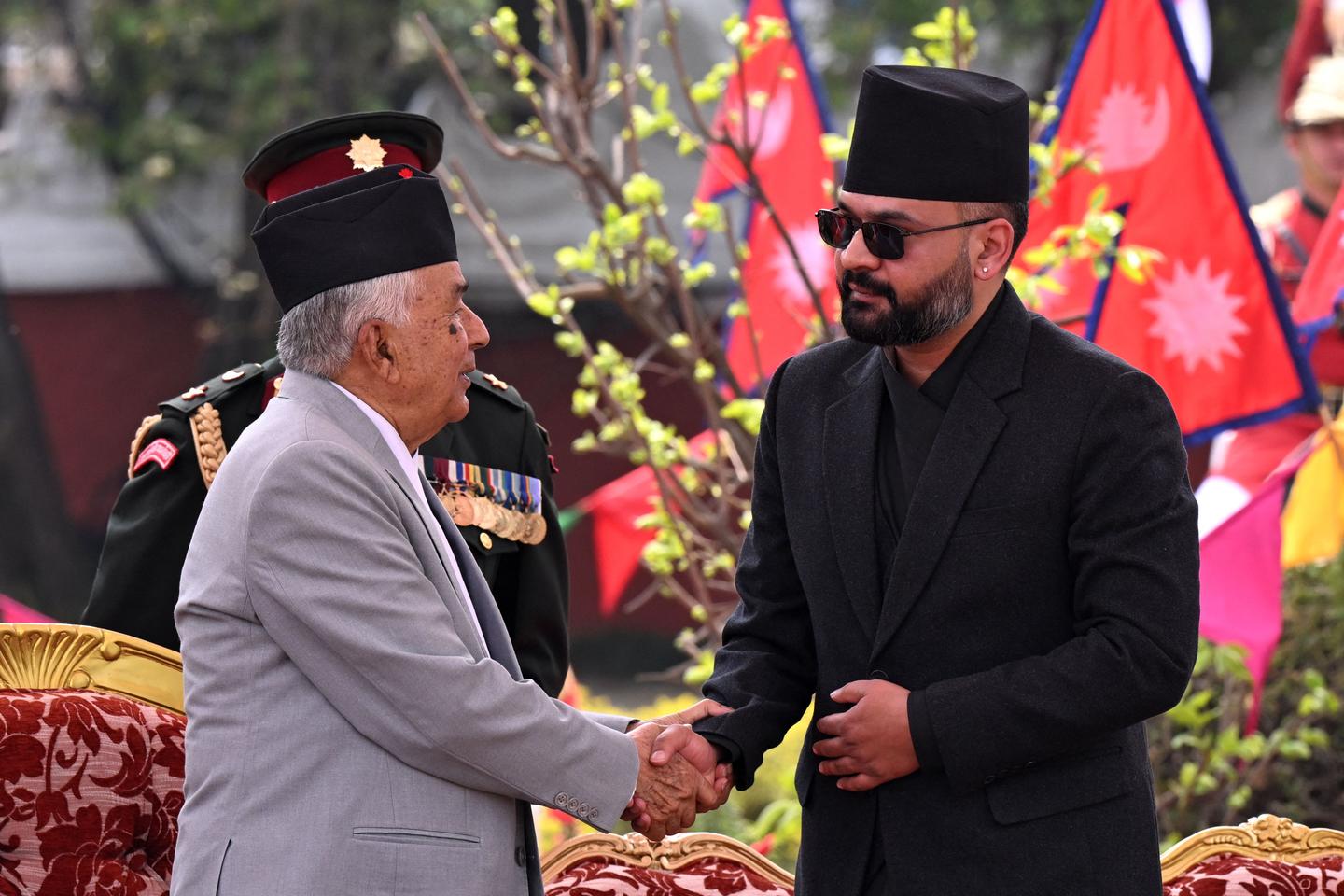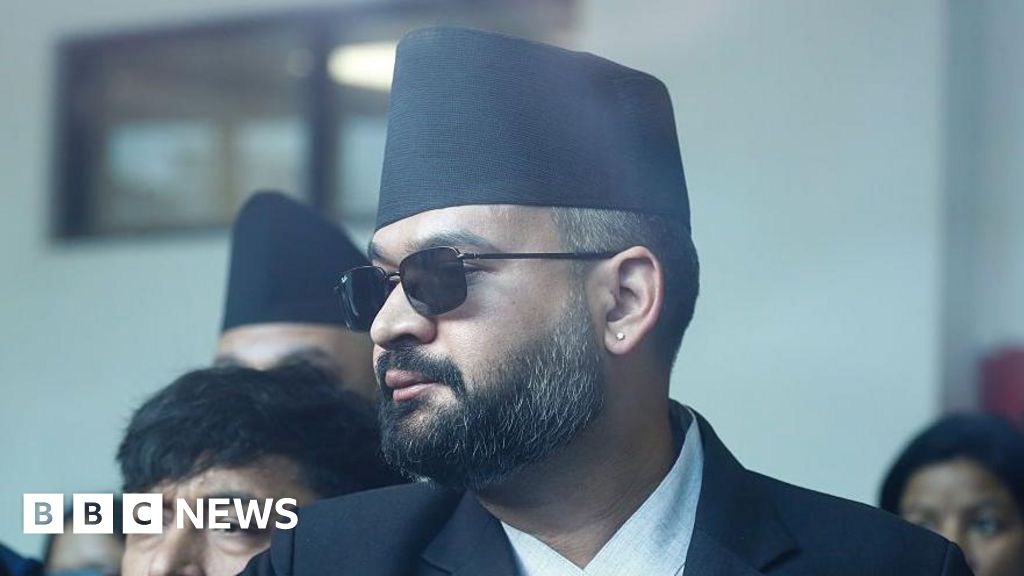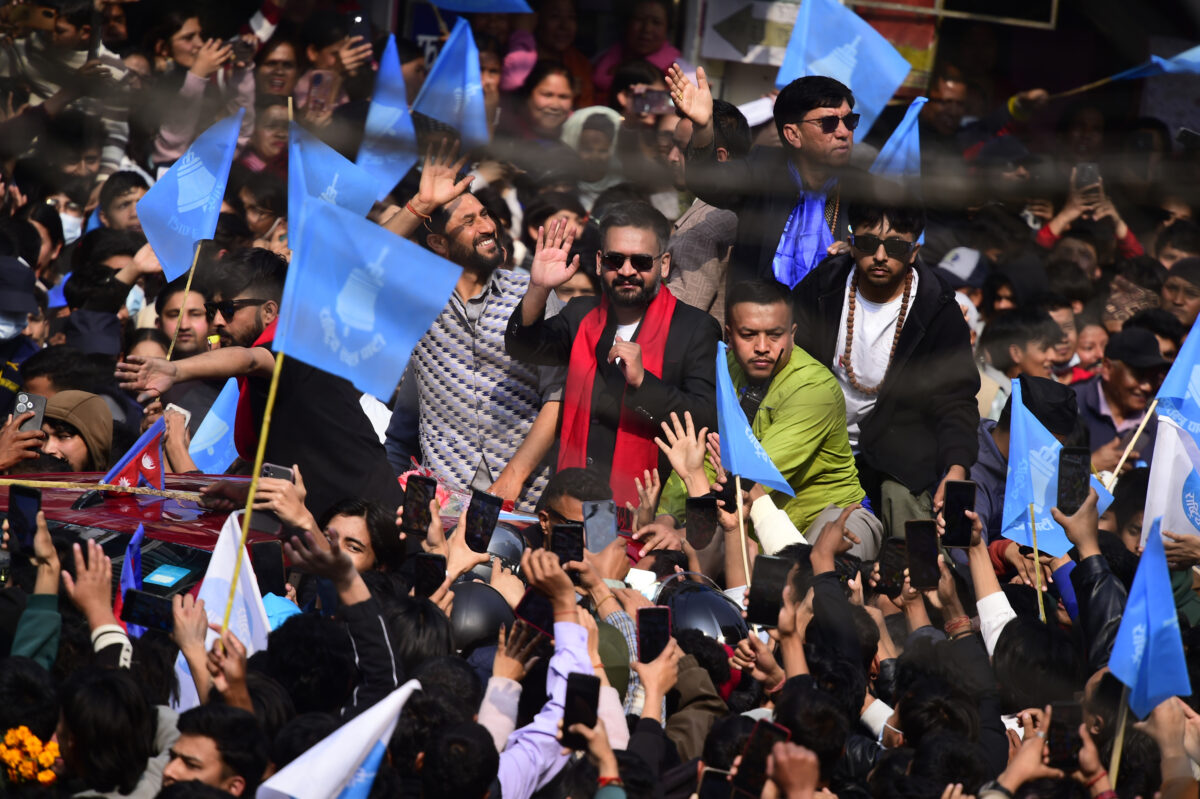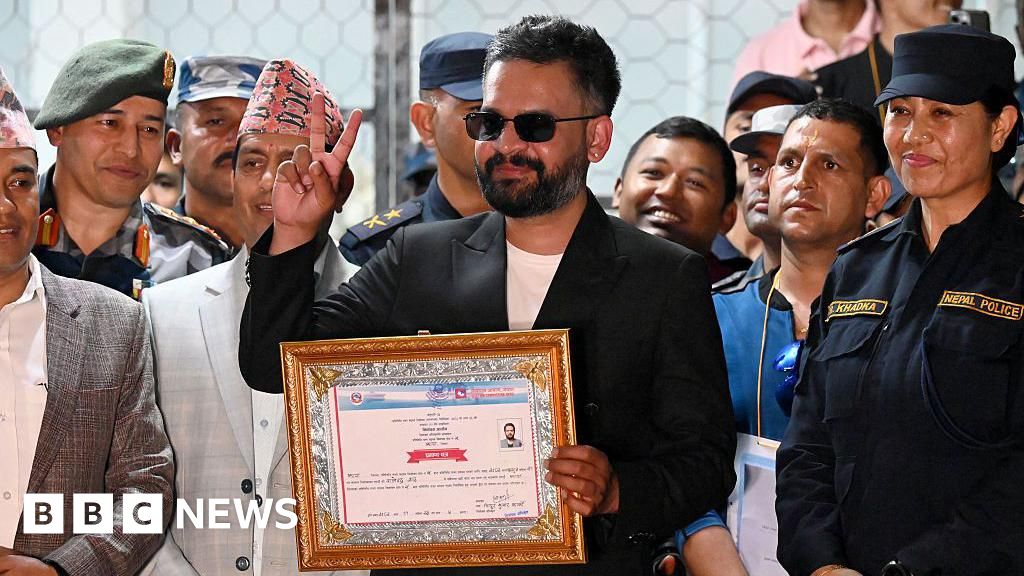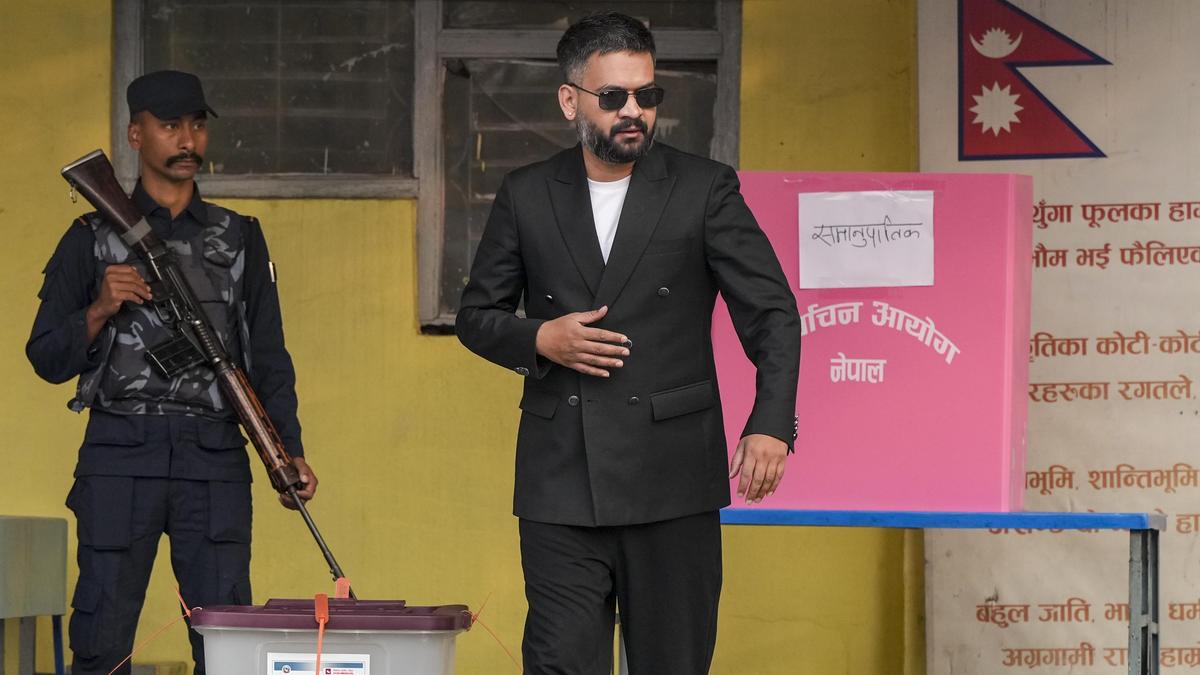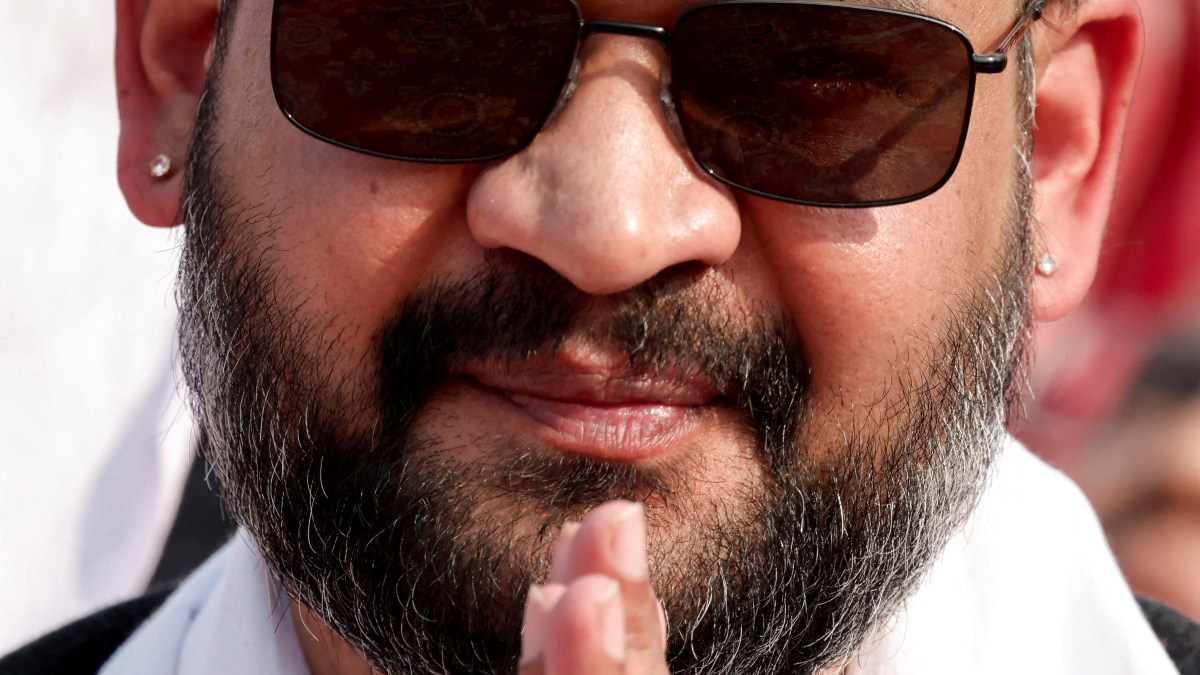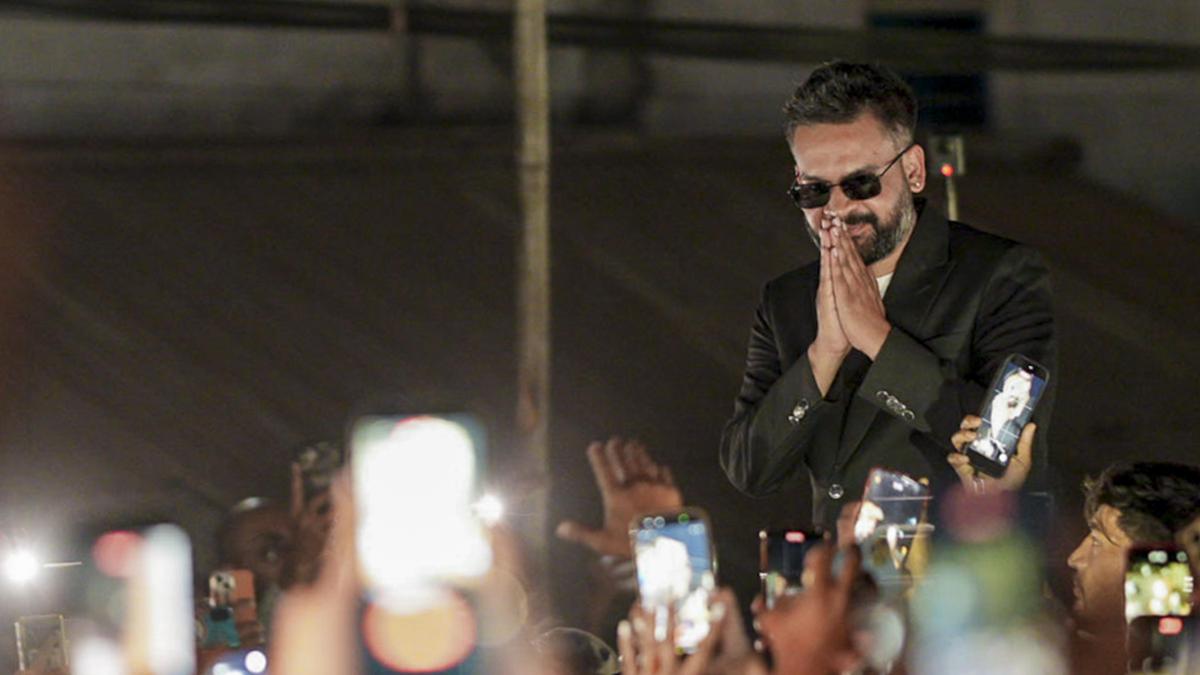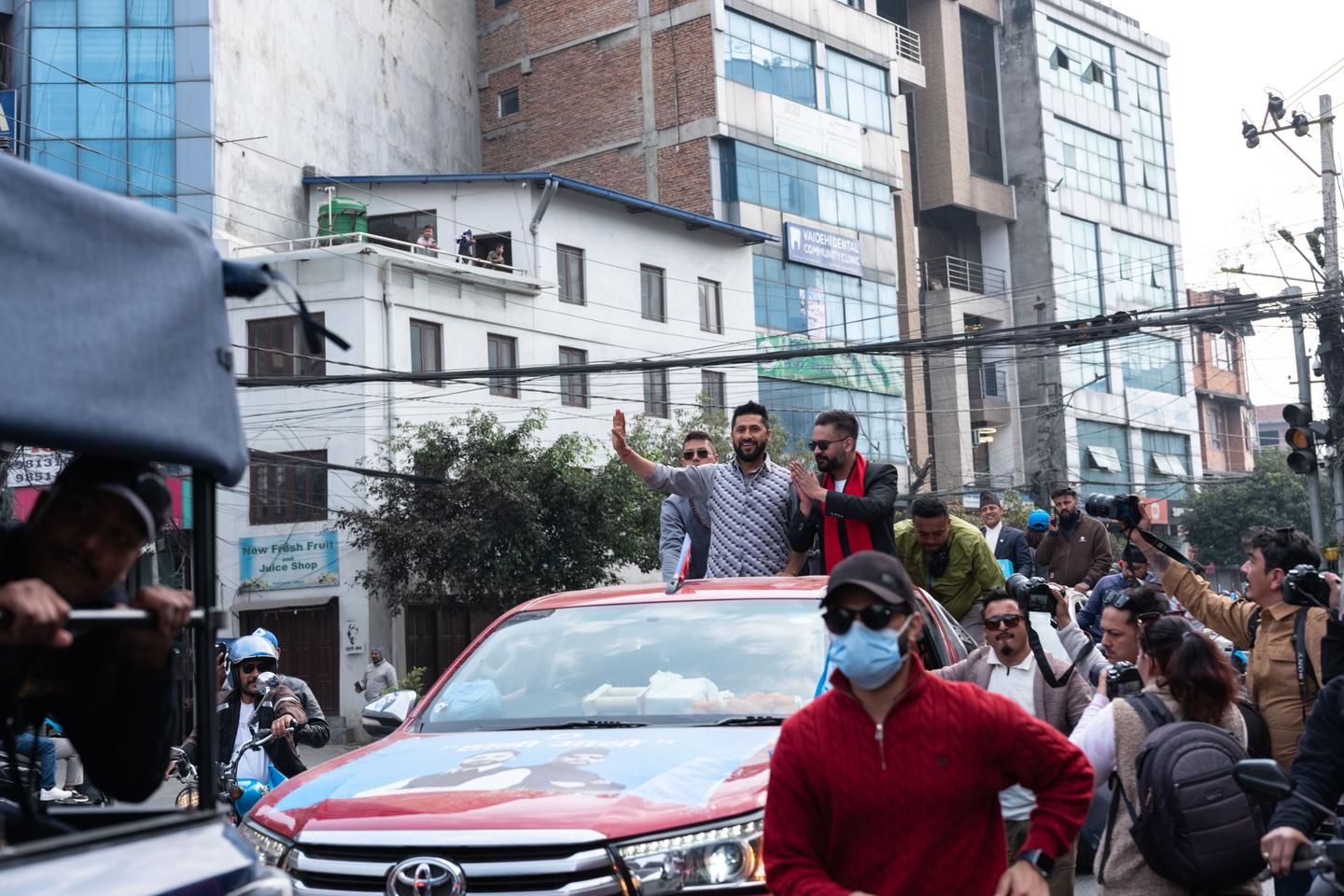
The Rastriya Swatantra Party’s stunning sweep in the March 2026 elections, securing an absolute majority in the House of Representatives and a majority of votes in the proportional representation system as well, marks a new rupture in Nepali politics. Rapper-turned-politician Balendra Shah, who resigned as Kathmandu’s mayor to lead the RSP’s campaign since January 2026, defeated former Prime Minister K.P. Sharma Oli of the Communist Party of Nepal-Unified Marxist Leninist in the latter’s own constituency of Jhapa-5, a result symbolising the defeat and rejection of the political old guard in the country.
The RSP, founded only in 2022 by television personality Rabi Lamichhane, had ridden a wave of anti-establishment sentiment, fuelled by the Gen Z uprising of September 2025, to deliver Nepal’s first parliamentary majority in 27 years. The three parties that had dominated Nepali politics since the 1990s — the Nepali Congress, CPN-UML, and CPN (Maoist Centre) — were reduced to 38, 25, and 17 seats respectively, their worst-ever collective performance. At just 35, Shah is poised to become Nepal’s youngest Prime Minister, set to govern a country that is still counted among the world’s least developed.