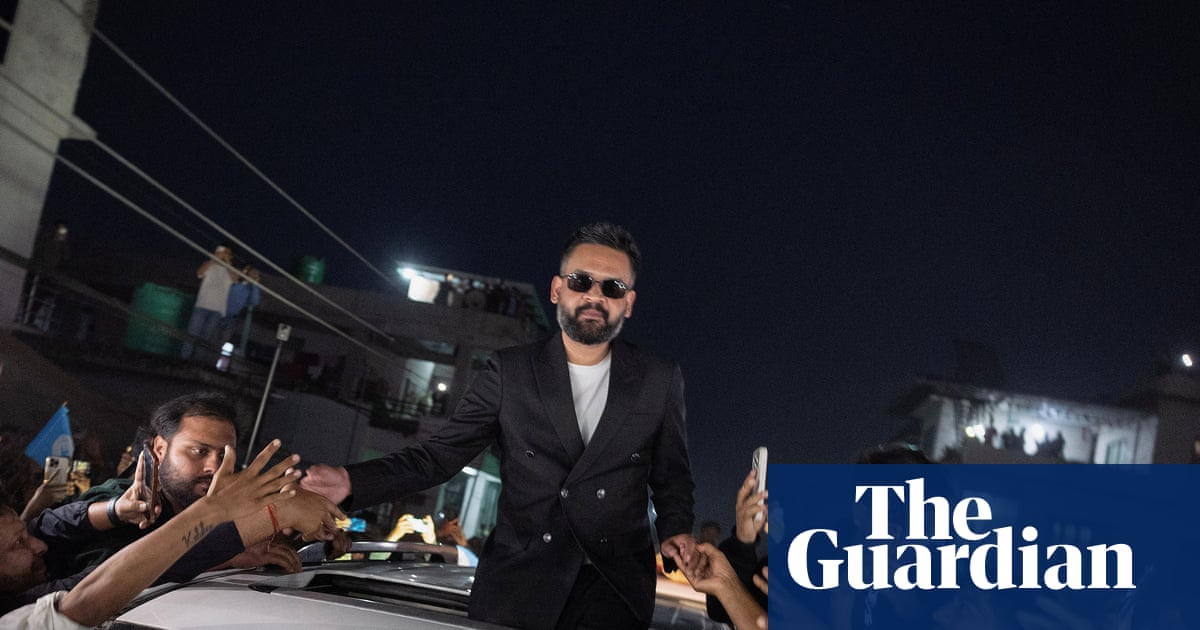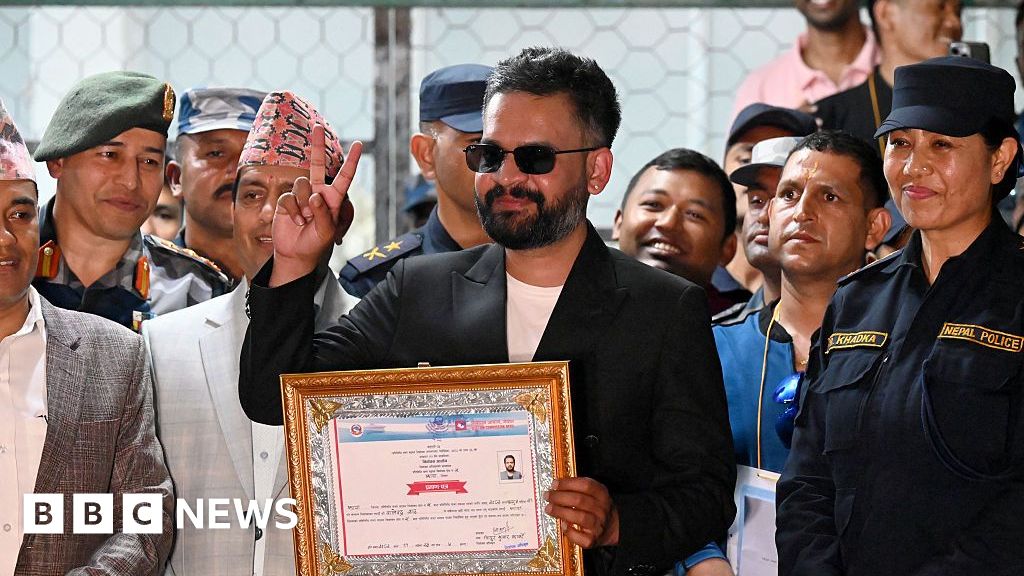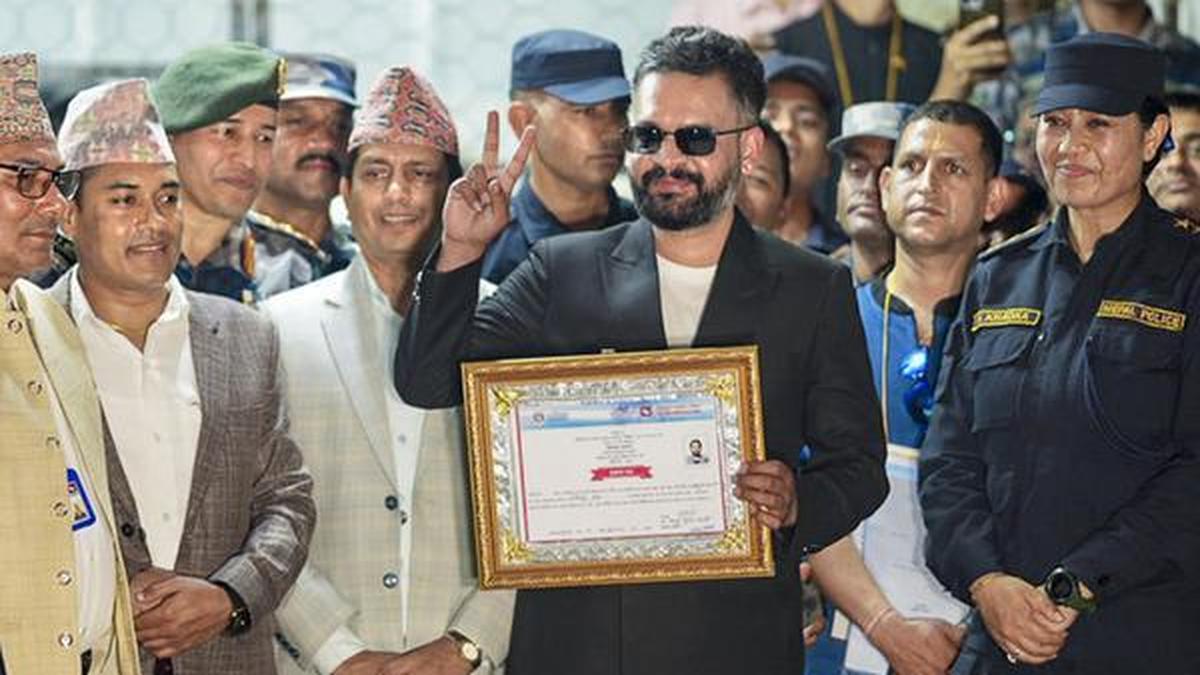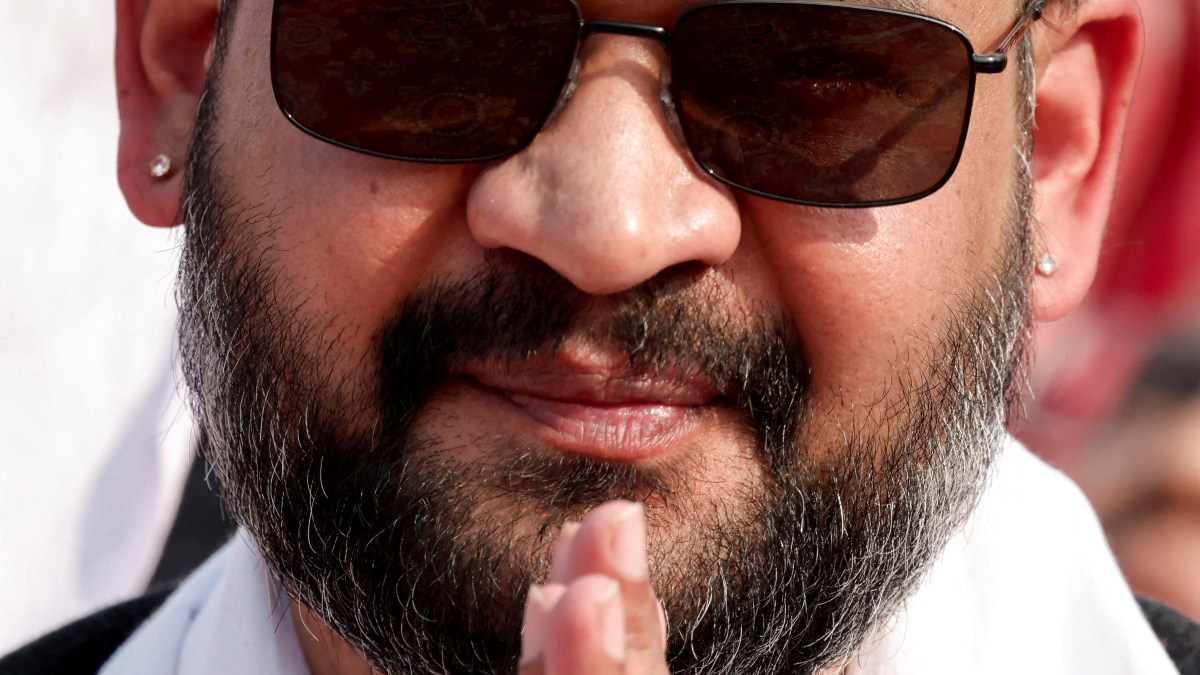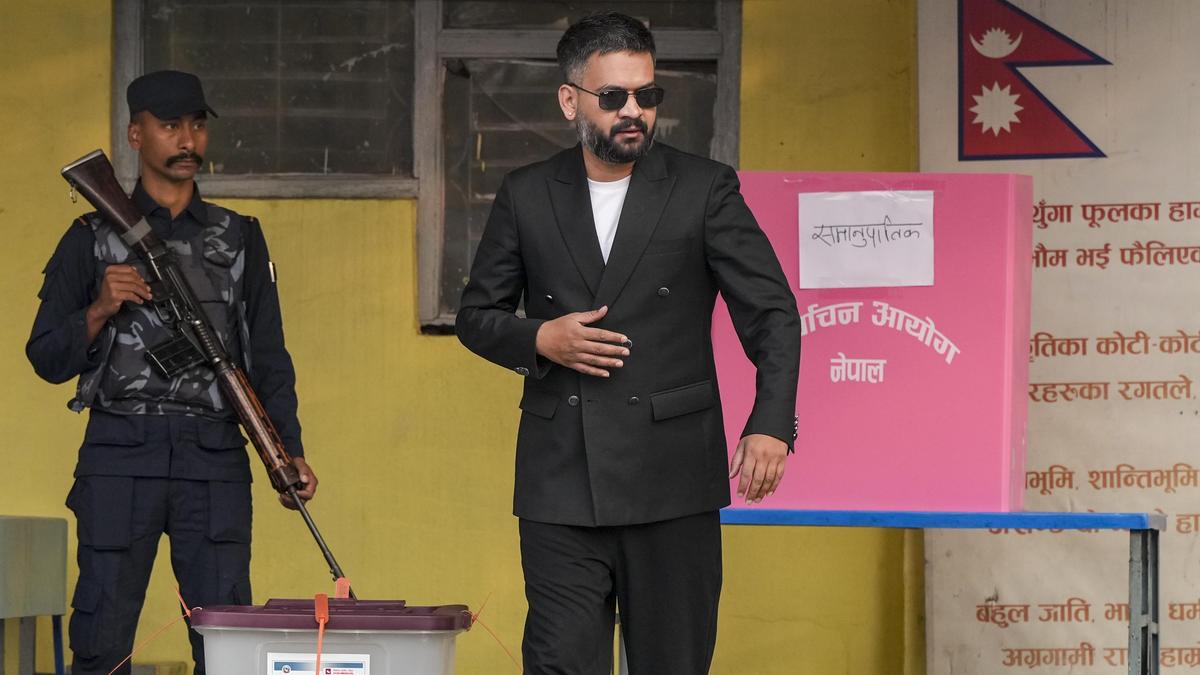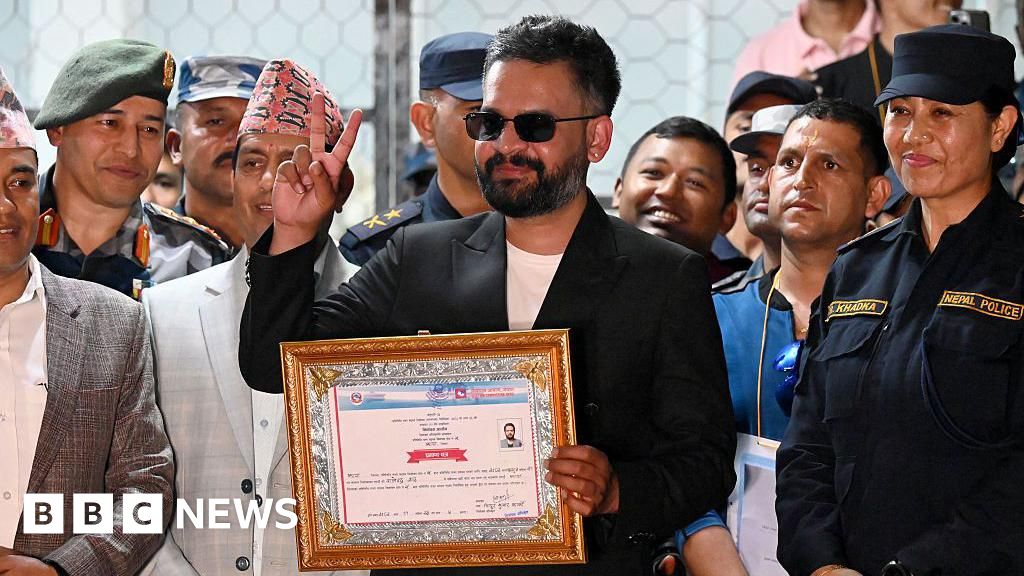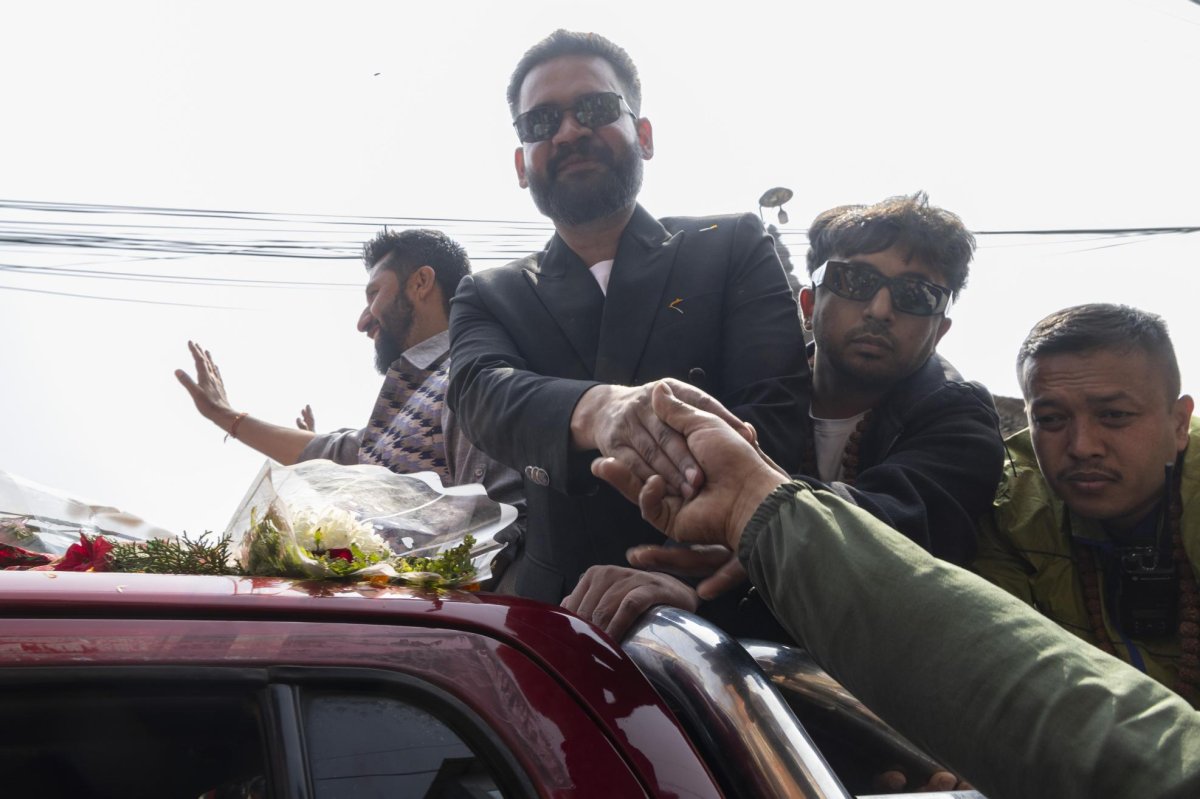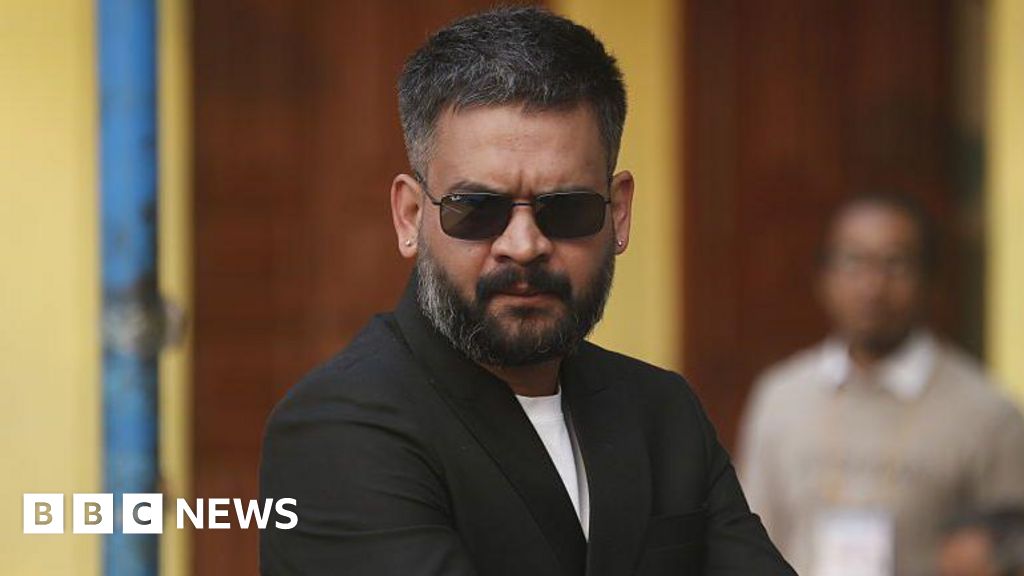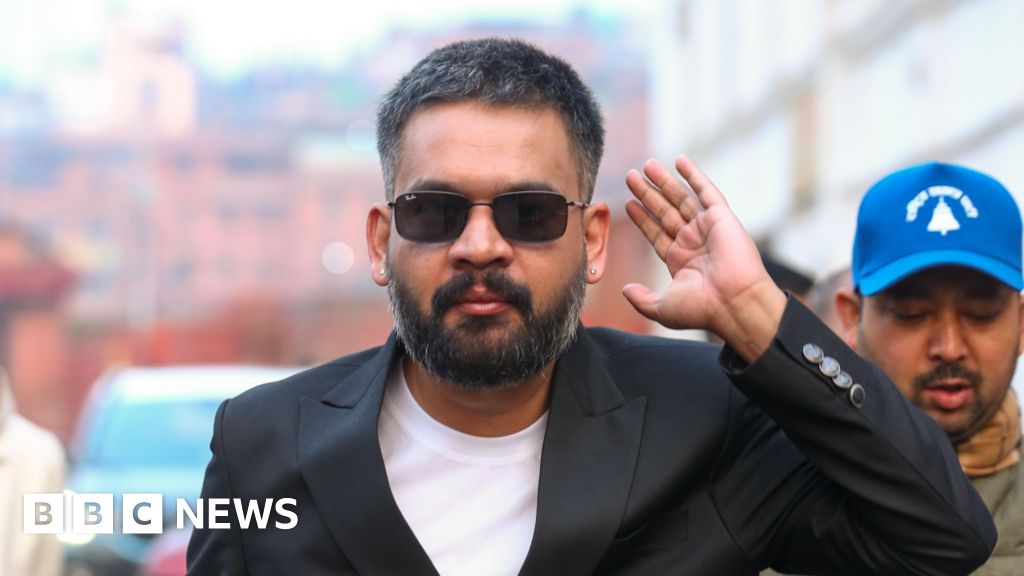
Balendra Shah, candidate for the Rastriya Swatantra Party (RSP), casts his vote in the parliamentary elections in Kathmandu on March 5, 2026. NAVESH CHITRAKAR / REUTERS
Balendra Shah, known as "Balen," swept Nepal's parliamentary elections in a resounding victory, six months after the Gen Z uprising. The centrist Rastriya Swatantra Party (RSP, National Independent Party) that he joined, symbolized by a bell, was far ahead of its competitors on Saturday morning, March 7, as the final phase of vote counting unfolded. The RSP's bell "is ringing right across Nepal, from cities to the [most remote] districts in the mountains and plains," wrote the Nepali Times.
The message was clear: Nepalese voters rejected the three parties that had taken turns in power for the past three decades, exposing their inability to serve the national interest, create jobs and develop the country. The RSP, founded in 2022 by former TV presenter Rabi Lamichhane as an anti-establishment force and then energized by Shah, became the country's leading party.
At age 35, the mayor of Kathmandu is set to take the reins of the country. On Sunday, partial official results showed that the RSP was heading for a landslide, according to official trends. The electoral system combines both first-past-the-post and proportional representation. In the afternoon, 153 of the direct elections had been declared, with Shah's RSP dominating with 117, the Nepali Congress 17 and former prime minister Khadga Prasad (KP) Sharma Oli's Marxist party trailing with seven. Former Maoist guerrilla commander Pushpa Kamal Dahal, a three-time prime minister, won his seat, with his party holding seven in total. In the proportional representation vote, RSP was leading with nearly half of the counted votes – but final results could take several more days.