1. China is increasingly turning to recycling as a strategic source of critical minerals needed for the green transition, aiming to reduce reliance on imports and support its shift toward a sustainable economy. [para. 1]2. In April 2024, the Ministry of Industry and Information Technology (MIIT) and four other agencies launched a nationwide crackdown on illegal power battery recycling, which runs through June, shortly after new rules took effect requiring EV makers and battery manufacturers to collect retired power batteries. [para. 2]3. The government is tightening oversight due to recycling’s growth potential, with the retired battery market alone expected to exceed 100 billion yuan ($14.8 billion) by 2030. Industry insiders stress that recycling is critical for China’s low-carbon transition, reduces import dependence, and helps meet stringent sustainability requirements in overseas markets, particularly the European Union. [para. 3]4. Recycling is central to China’s circular economy concept, which extends product life cycles and recovers materials for reuse. As part of its goals to peak CO₂ emissions by 2030 and achieve carbon neutrality by 2060, Beijing has incorporated this concept into planning, launching a nationwide equipment upgrade and consumer trade-in program in March 2024 with annual demand exceeding 5 trillion yuan. In August 2024, China set a goal for a “green, low-carbon and circular development” system by 2035, and in March 2025, the national legislature approved an Ecological Code covering retired renewable energy equipment and recyclable materials in vehicles and electronics. [para. 4][para. 5][para. 6][para. 7]5. Recycling holds strategic importance for both decarbonization and resource security, according to Wang Jiwei of the China Nonferrous Metals Industry Association. Growing trade uncertainty, industrial restructuring, and tighter mineral supplies globally—exacerbated by resource-rich countries controlling critical minerals—make reliance on overseas resources costly and geopolitically risky. China remains heavily dependent on imports for key battery and renewable energy metals: over 85% of nickel, 95% of cobalt, 70% of lithium, and 80% of copper. [para. 8][para. 9][para. 11]6. Xu Kaihua, chairman of major recycler GEM, called recycling “the ultimate solution to China’s critical mineral security.” China is not alone in this strategy; over 100 countries have adopted circular economy roadmaps. Europe is a leading force, with the Critical Raw Materials Act and the Batteries Regulation setting binding targets: by end of 2027, recovery rates of 90% for cobalt, copper, and nickel, and 50% for lithium; from August 2031, power batteries sold in the EU must contain at least 16% recycled cobalt, 6% recycled lithium and nickel, and 85% recycled lead. These rules apply to all lithium-battery makers selling in Europe, significantly affecting Chinese and South Korean manufacturers, and raising compliance costs. [para. 10][para. 12][para. 13][para. 14][para. 15]7. To strengthen domestic supplies, the EU updated its waste list in March 2025 to include lithium batteries and “black mass,” banning exports to certain countries including China. This is encouraging Chinese companies to establish recycling and processing operations overseas, such as setting up processing facilities abroad and exporting pre-treatment equipment. However, recyclers face mounting challenges at home, including thin profit margins, operational pressures, and insufficient supplies of recyclable materials. [para. 16][para. 17][para. 18]AI generated, for reference only
China Looks to Recycling to Ensure Resource Security Amid Green Transition
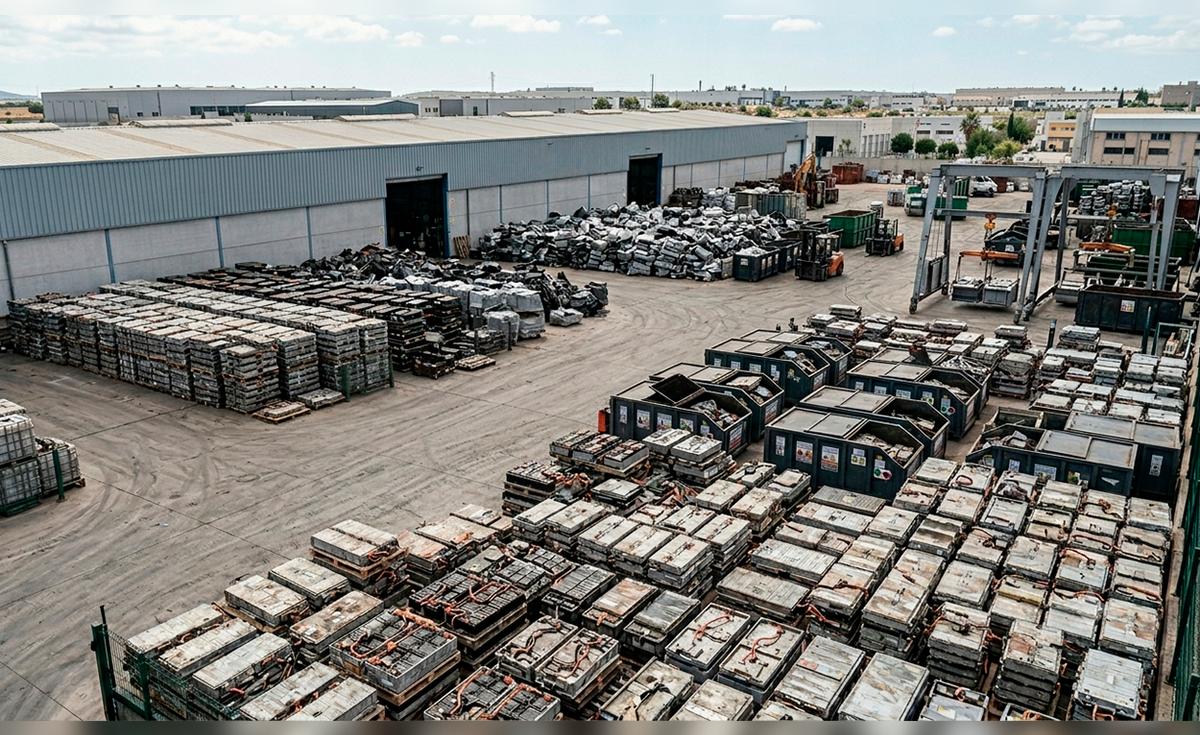
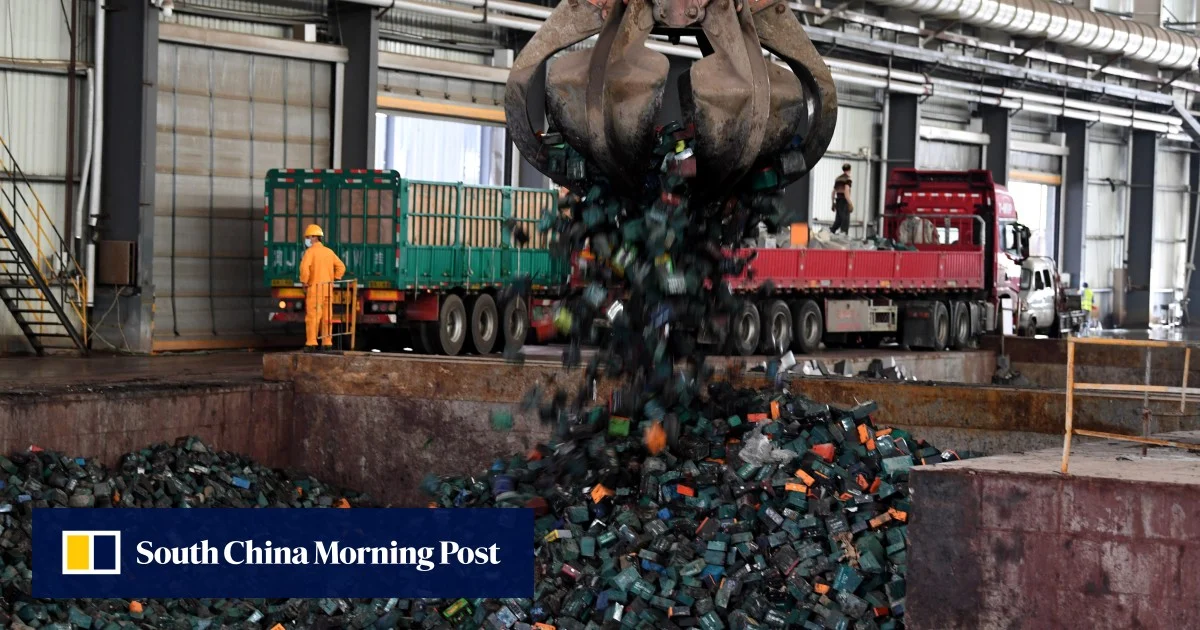
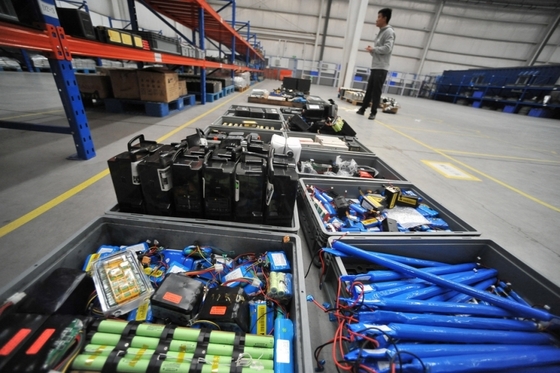
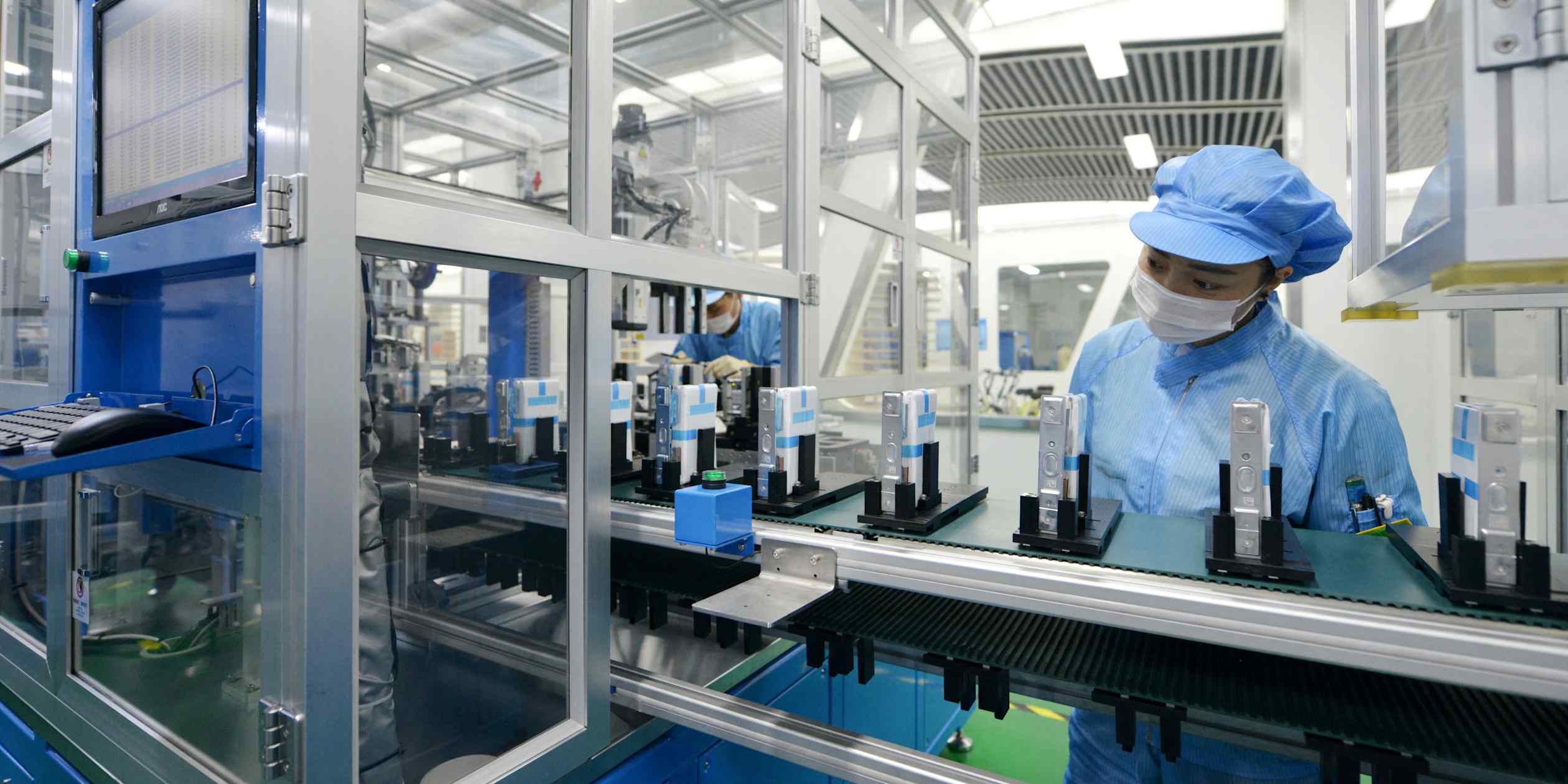
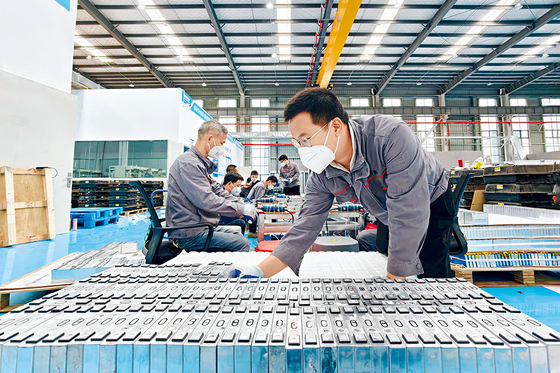
Driven by the need to reduce its reliance on imports and meet strict new European rules, China is overhauling how it handles retired renewable energy equipment
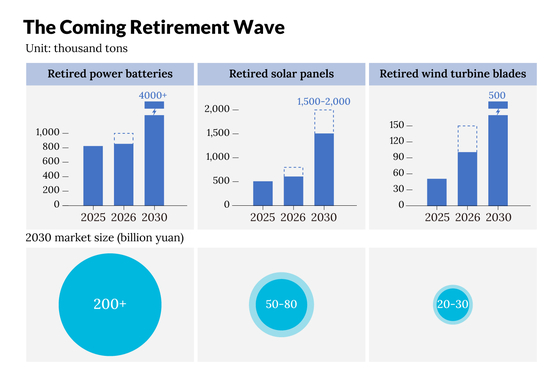
515 words~2 min read