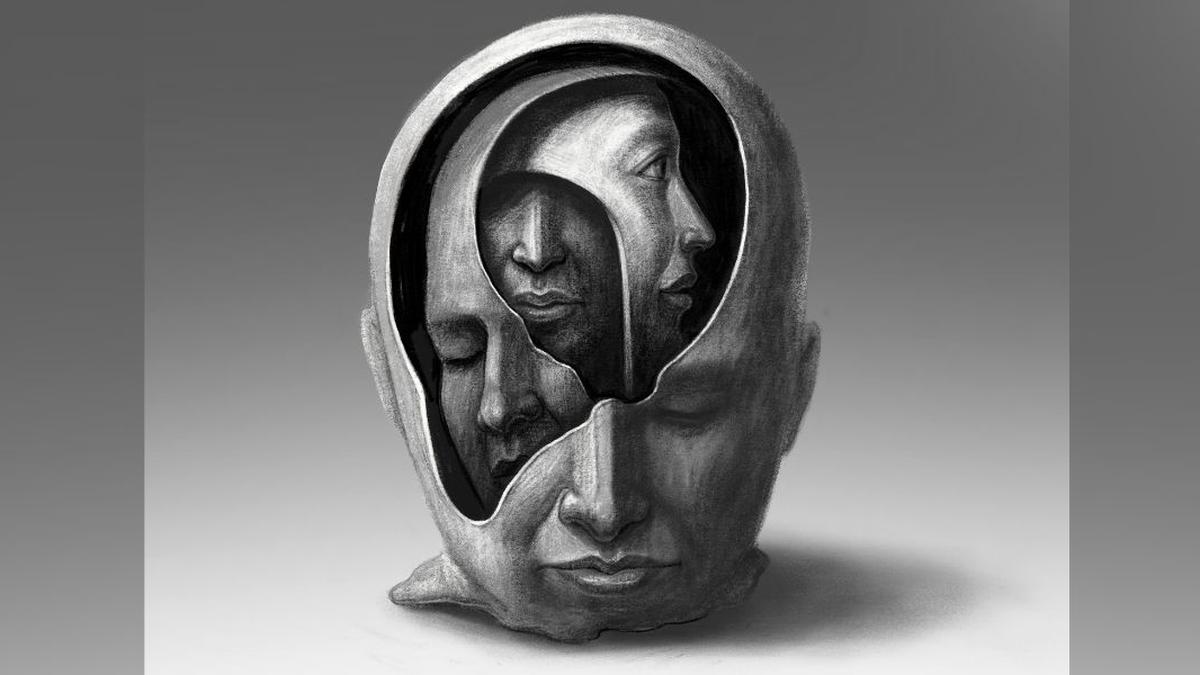
SynopsisMidlife often brings a quiet heartbreak: loved ones relate to a past version of you, unaware of decades of invisible change. This disconnect, where old memories shape present interactions, can lead to profound loneliness. The article urges an invitation to be seen anew, acknowledging that both individuals and relationships evolve, and true intimacy lies in rediscovering each other.AI-generated imageOne of the quietest heartbreaks of midlife is realizing that the people who love you most are sometimes relating to a person who no longer exists.It happens at dinner parties and family gatherings. Someone who loves you tells a story about you, and as they speak, you realize they're describing a version of yourself frozen in time. They're not wrong. They're just describing who you were when they first came to know you—while you've spent the last twenty years slowly becoming someone else.You smile. You nod. You let the story stand.Not because it's accurate, but because correcting it would require explaining decades of invisible change.The person your spouse fell in love with at twenty-five had different fears, ambitions, beliefs, and dreams. They hadn't experienced loss the way you have now. They hadn't weathered career disappointments, health scares, aging parents, changing friendships, or the countless moments that quietly reshape a life. They made decisions and promises from a worldview that no longer exists.Yet many relationships continue to operate on old information.A partner plans the vacations you used to enjoy. Friends expect the opinions you used to hold. Family members buy gifts for interests you've long outgrown. Everyone loves you sincerely, but they're loving a version of you assembled from memories rather than the person standing in front of them.That's what makes it so lonely.Not the absence of love, but the absence of recognition.Over time, many people learn to accommodate the gap. They stop mentioning the books that changed their minds. They keep quiet about evolving values, ambitions, spiritual beliefs, or political views. They learn which parts of themselves are met with confusion, resistance, or the familiar response: "That's not like you."Of course it isn't.It's not like the person they remember.So a quiet performance begins. You laugh at the jokes your younger self found funny. You revisit old preferences. You keep conversations within familiar boundaries. Eventually, you become a careful curator of your own image, preserving a version of yourself that feels increasingly foreign.The cost is intimacy.Because intimacy isn't simply being loved. It's being known.And there is a particular kind of loneliness that comes from lying next to someone who would do anything for you while feeling unseen by them. Not because they don't care, but because they're still responding to a person who no longer exists.The difficult conversation hiding underneath all of this is simple:"I've changed."Not in a dramatic or catastrophic way. Not because the relationship was built on a lie. Not because the past wasn't real.Simply because human beings are not finished becoming themselves at twenty-five.The challenge is that saying this can feel like an accusation: *You don't know me anymore.*But the deeper truth is often gentler than that.It's an invitation.Meet me again.See who I've become. Let me show you the parts of myself that emerged while life was happening. Let me stop performing an old identity so that we can build a relationship with the person I am now.And perhaps the most important realization is that this invitation goes both ways.If you've changed dramatically, there's a good chance your partner, your friends, and your family have too. They may also be carrying hidden versions of themselves that never made it into the relationship. They may also be waiting to be rediscovered.The goal isn't to return to who you were.The goal is to become curious about who each other are now.The strongest long-term relationships aren't built on never changing. They're built on repeatedly finding one another after change has already happened.Because the deepest form of love isn't loving someone as they were.It's seeing who they've become—and choosing them again.Read More News on
The loneliest form of love: Being loved for a version of yourself you outgrew years ago
Midlife often brings a quiet heartbreak: loved ones relate to a past version of you, unaware of decades of invisible change. This disconnect, where old memories shape present interactions, can lead to profound loneliness. The article urges an invitation to be seen anew, acknowledging that both individuals and relationships evolve, and true intimacy lies in rediscovering each other.
660 words~3 min read