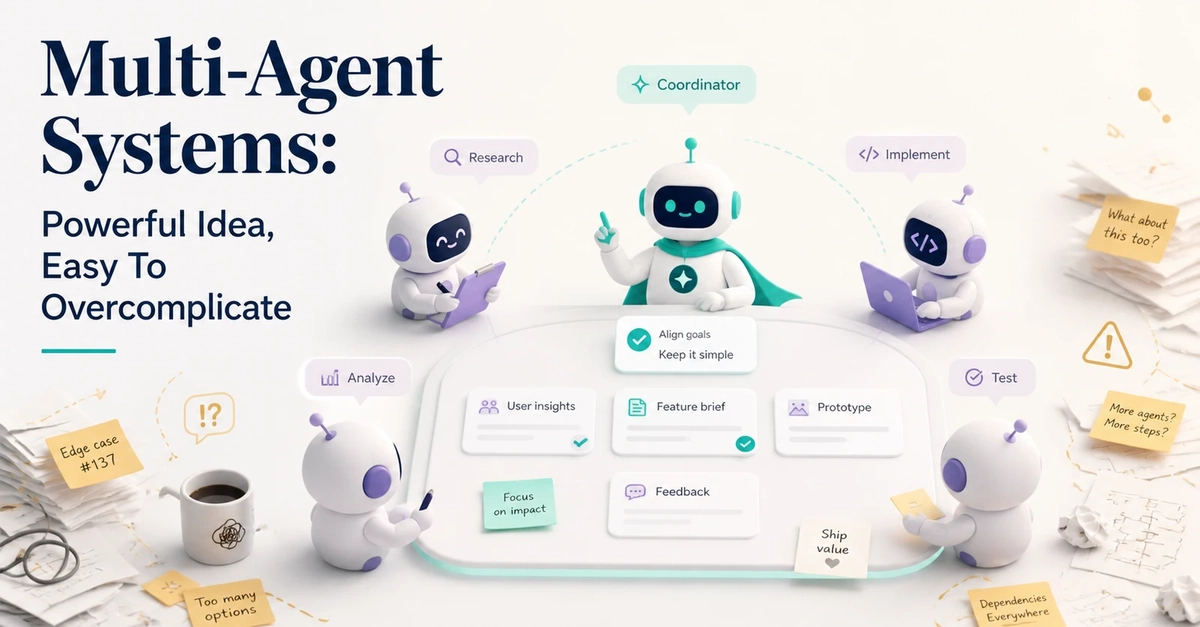
Sub-agents are the pattern everyone is talking about and almost nobody ships past a demo. The idea is simple: instead of asking one model one question and trusting one answer, you stand up several specialized agents, each with its own job, and make them work the problem together.
The hard part is making that more than theater. Eleven agents that all secretly agree are just one agent with a higher bill.
So I built a working test of the idea and pushed on it until it earned its keep. philosopher-council is an LLM deliberation engine where eleven philosophers each sit as their own sub-agent. Socrates interrogates your question. Kant checks whether your rule would survive as a universal law. Lao Tzu asks what happens if you do nothing. Ibn ?Arabi listens to all of them and writes the synthesis. Every voice is scored on the same four virtues so you can audit why it landed where it did, and a dissenter always gets the last word.
It is MIT licensed, runs offline with no API key in about sixty seconds, and it ships an eval that publishes the runs where it lost. Here are the five use cases that convinced me sub-agents are worth the wiring. Each one is a pattern you can lift straight into your own stack.