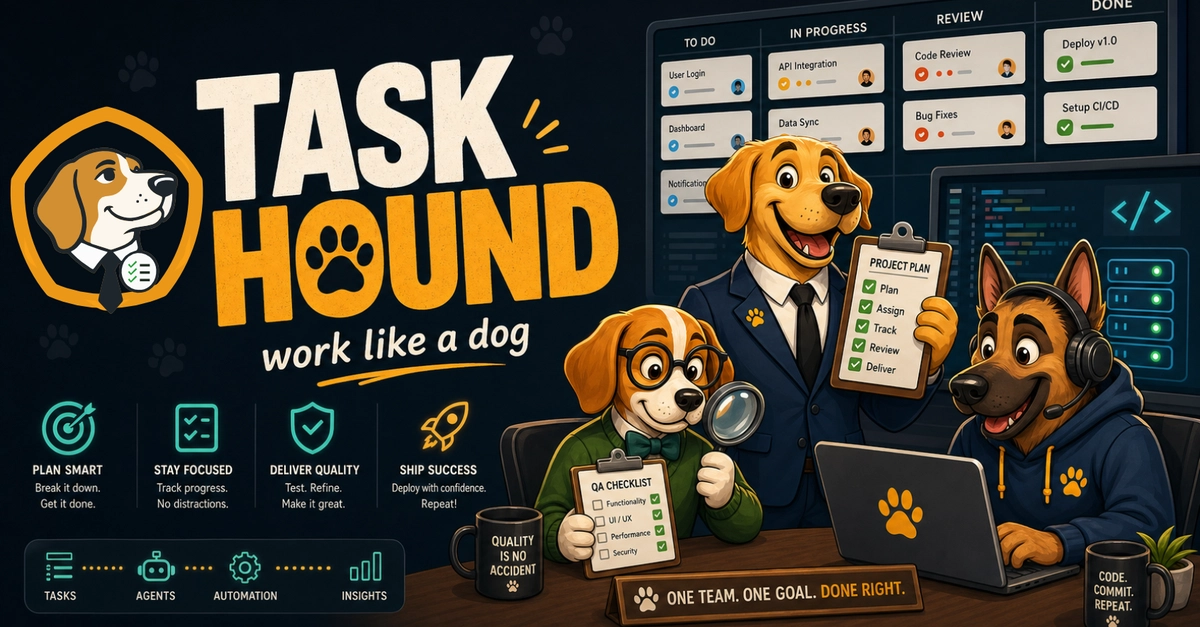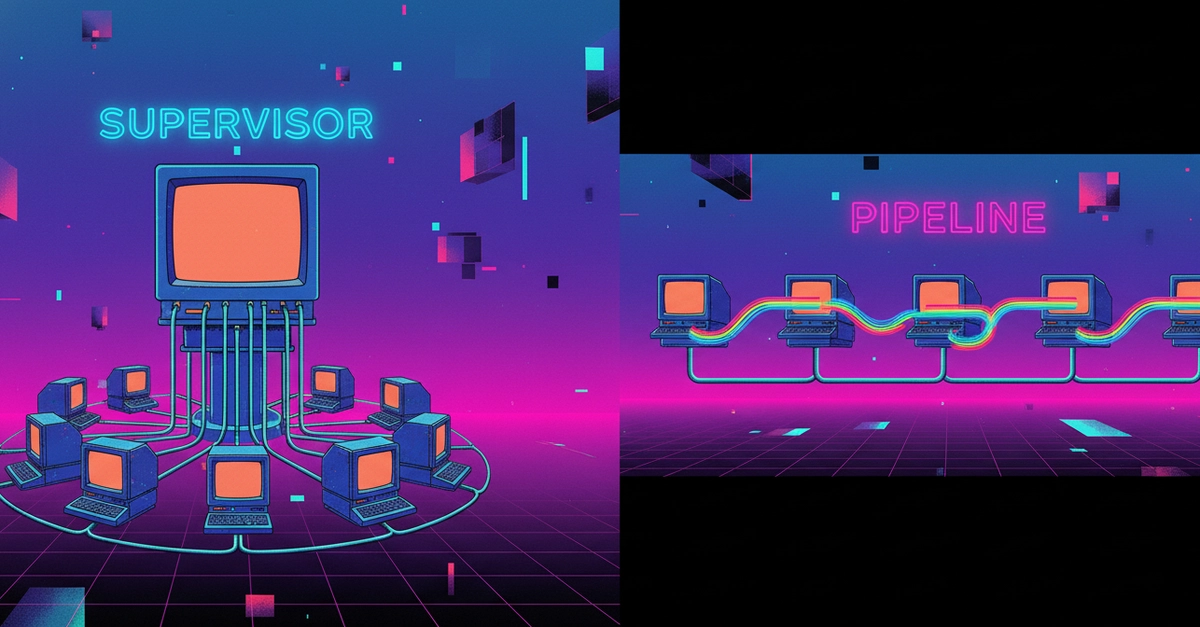
TL;DR: I used Multi-Agent architecture to organize seven different models into a 24/7 AI team — Claude Opus as supervisor to break down tasks, MiniMax writes code, Hermes writes articles, Gemini CLI checks facts, Groq Llama makes trading decisions. Control console uses Linear, task cards get grabbed within 5 minutes, pass through Gate review and QA fact-checking before reporting back to me. This article breaks down the entire architecture, logic behind model role selection, how Gate blocked 300+ fake completions, and how you can start from the smallest unit.
Why Everyone Asks Me "How Do You Make AI Work Automatically"
I've been running an almost all-AI company for a while now, with a Multi-Agent architecture running internally that coordinates seven different AI models like a real company working together. Whenever I introduce this Multi-Agent architecture to people, the most common thing they want to know isn't "what model do you use", but rather this:
"How exactly do you make AI work on its own?"
A lot of people have tried letting AI take over tasks, but they all hit the same bottleneck — they still have to constantly monitor it, and eventually it feels faster to just do it themselves. The problem isn't that AI isn't strong enough, the problem is architecture. A single AI, no matter how powerful, can't do "pick up tasks on its own, divide work, review, and deliver" well. To achieve true AI automation, you don't need a stronger model, you need Multi-Agent architecture.