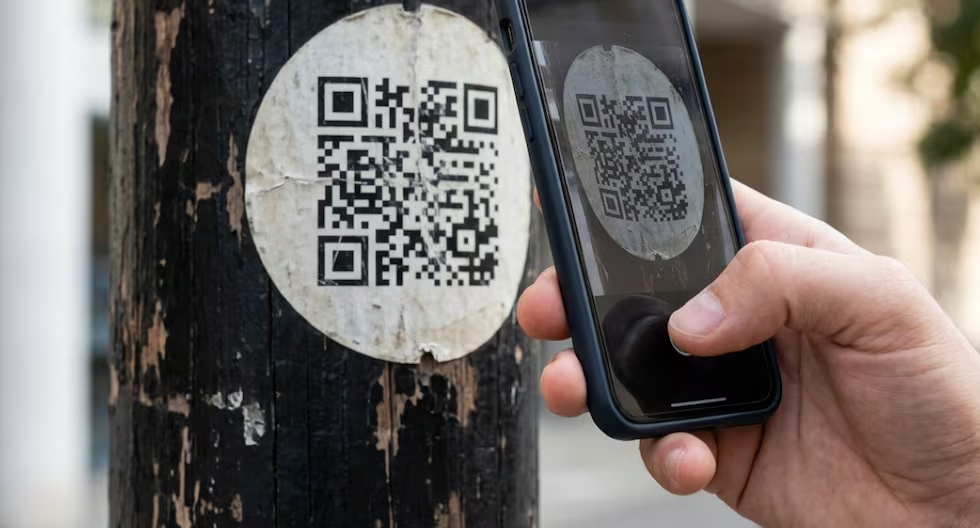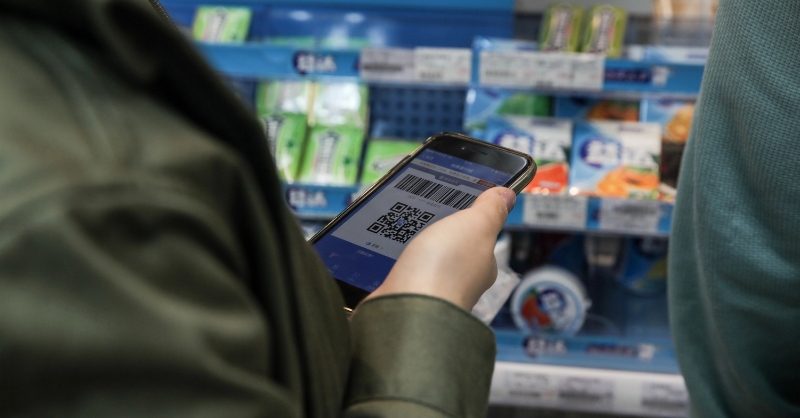
You scan one to pay at a sari-sari store, pull up a restaurant menu, or board a flight. The QR code has quietly become one of the most universal pieces of interface design on the planet. But it was never meant for any of that. The QR code was invented in 1994 to solve a very specific problem on a Japanese car factory floor, and the engineering decisions made under that constraint are exactly why it later conquered the world.
A barcode problem on the assembly line
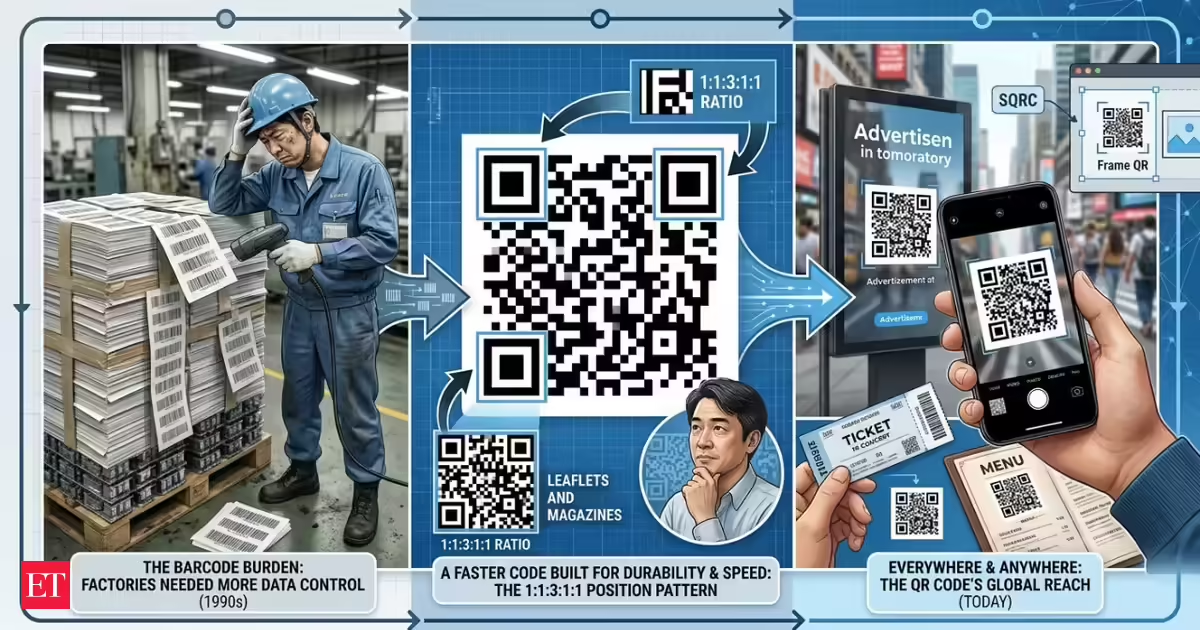
In the early 1990s, Toyota's manufacturing arm had a data problem. Tracking thousands of distinct components through production meant scanning barcodes, and barcodes are stingy: a standard one-dimensional barcode holds roughly 20 characters. Workers were ending up with parts plastered in ten or more barcodes just to encode enough information, and each one had to be scanned separately. It was slow, and on an assembly line, slow is expensive.
Masahiro Hara, an engineer at Denso Wave, a Toyota subsidiary, took on the challenge of designing something better. He wanted a code that could hold far more data, be read much faster, and tolerate the dirt, smudges, and odd angles of a real factory rather than a clean lab.
Designing for speed and any angle