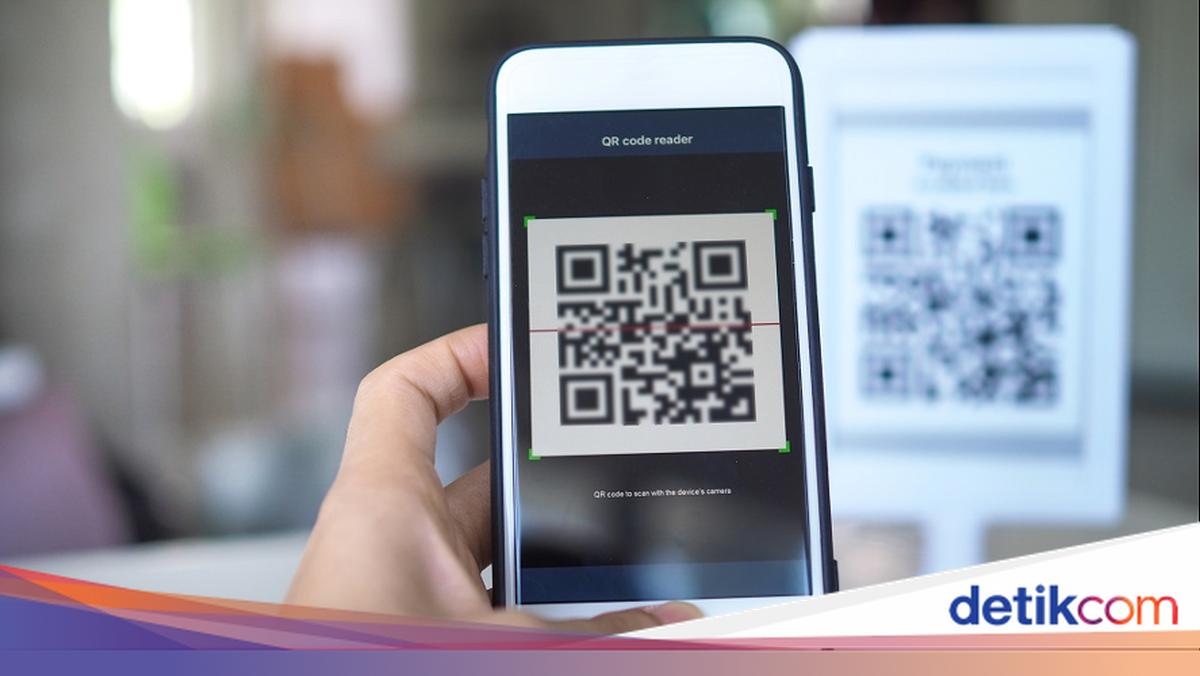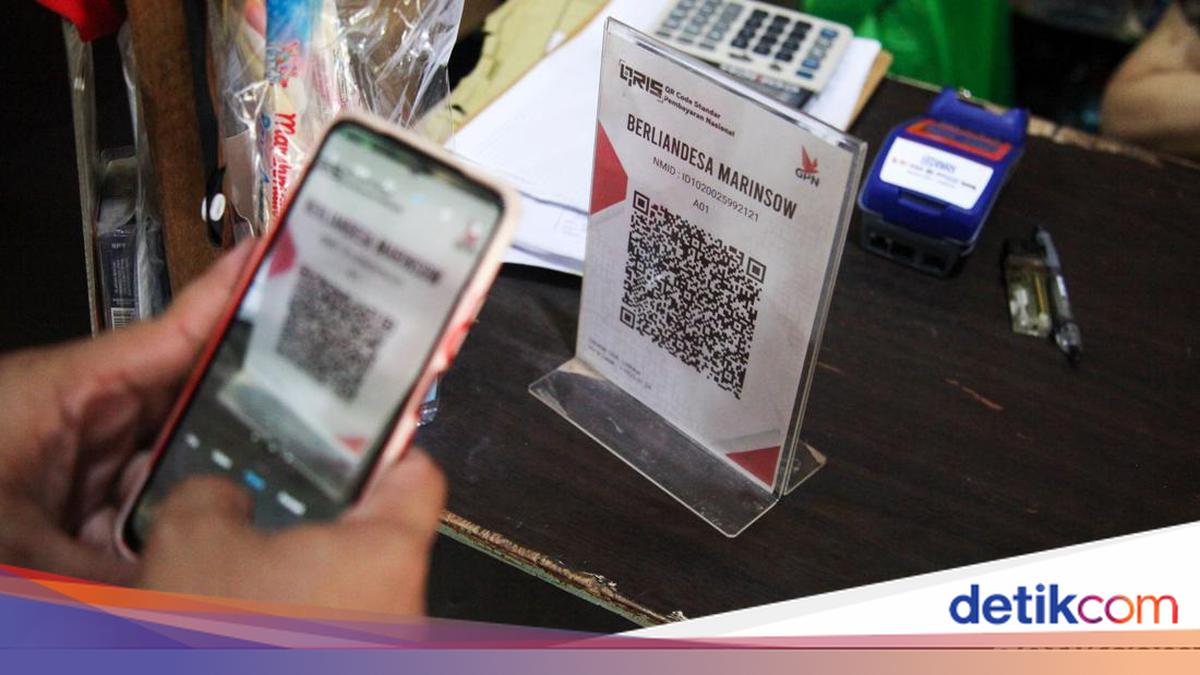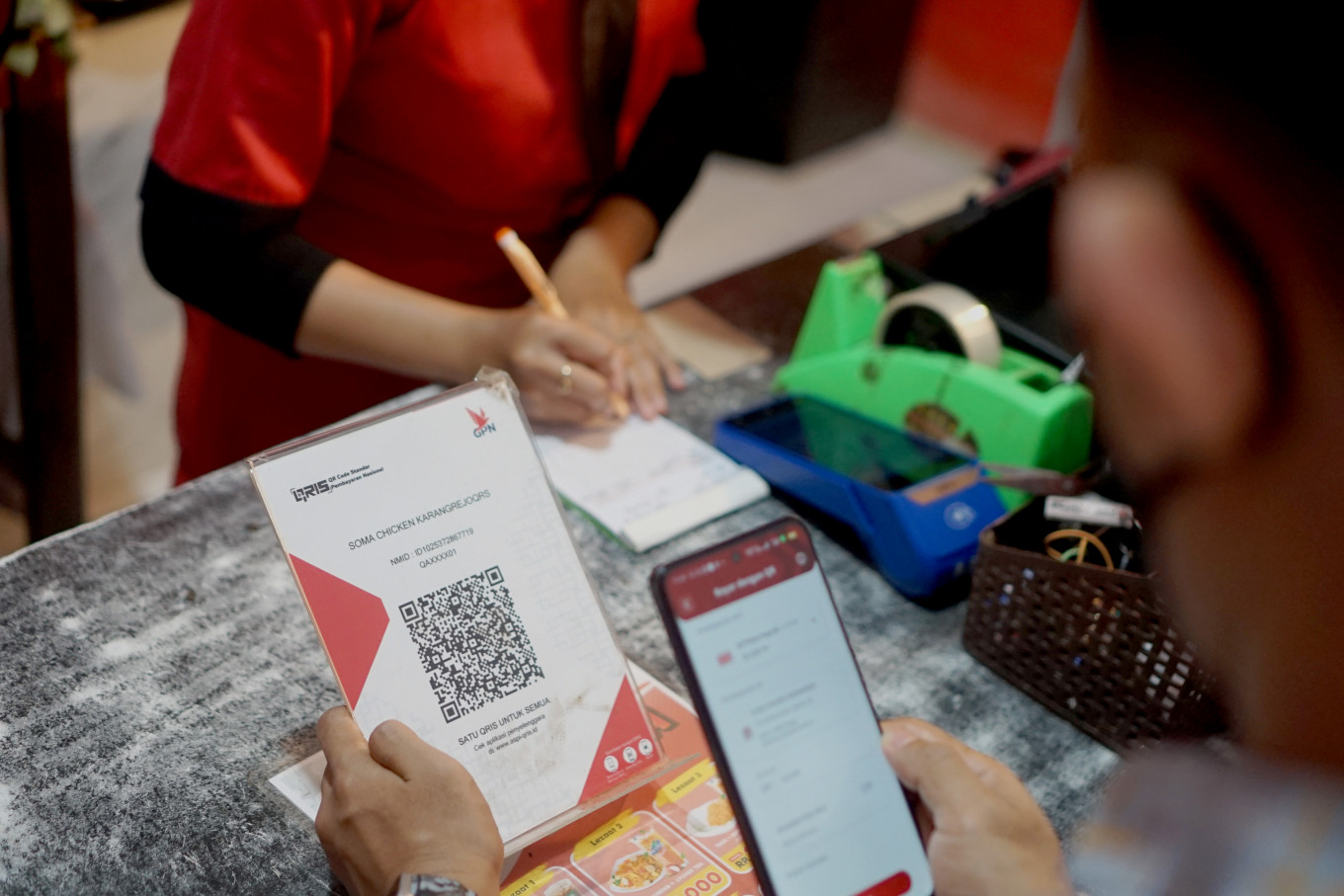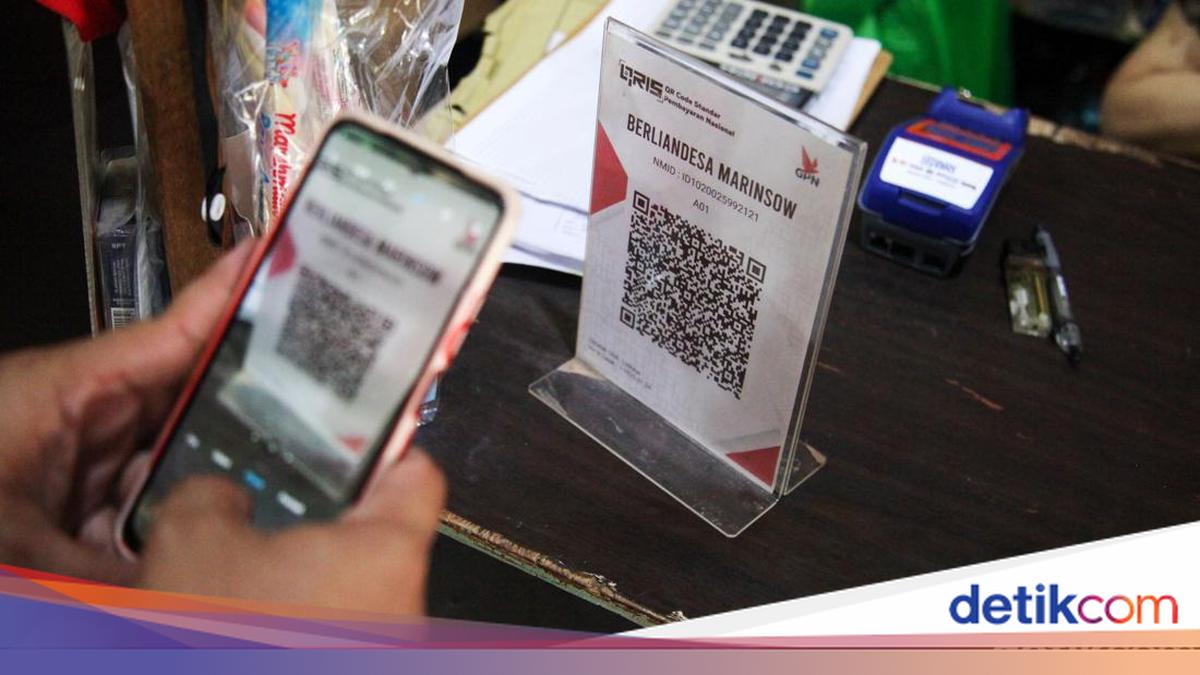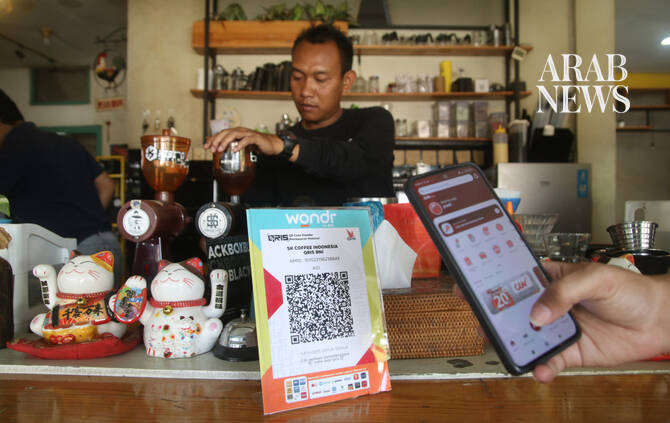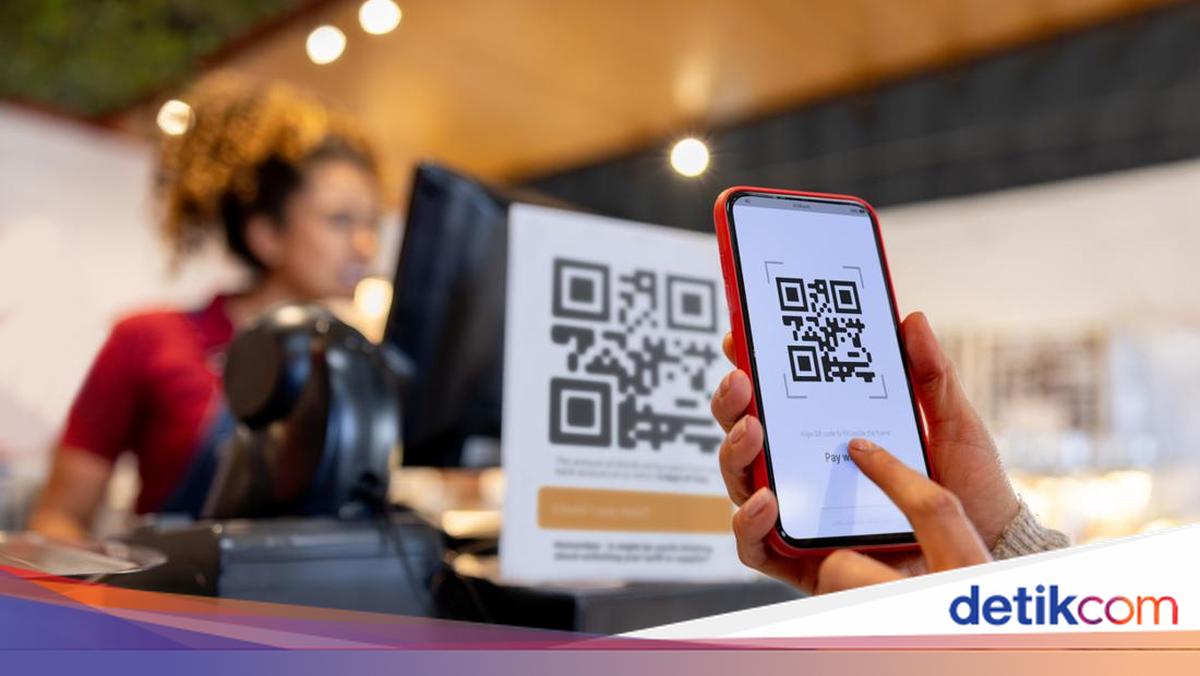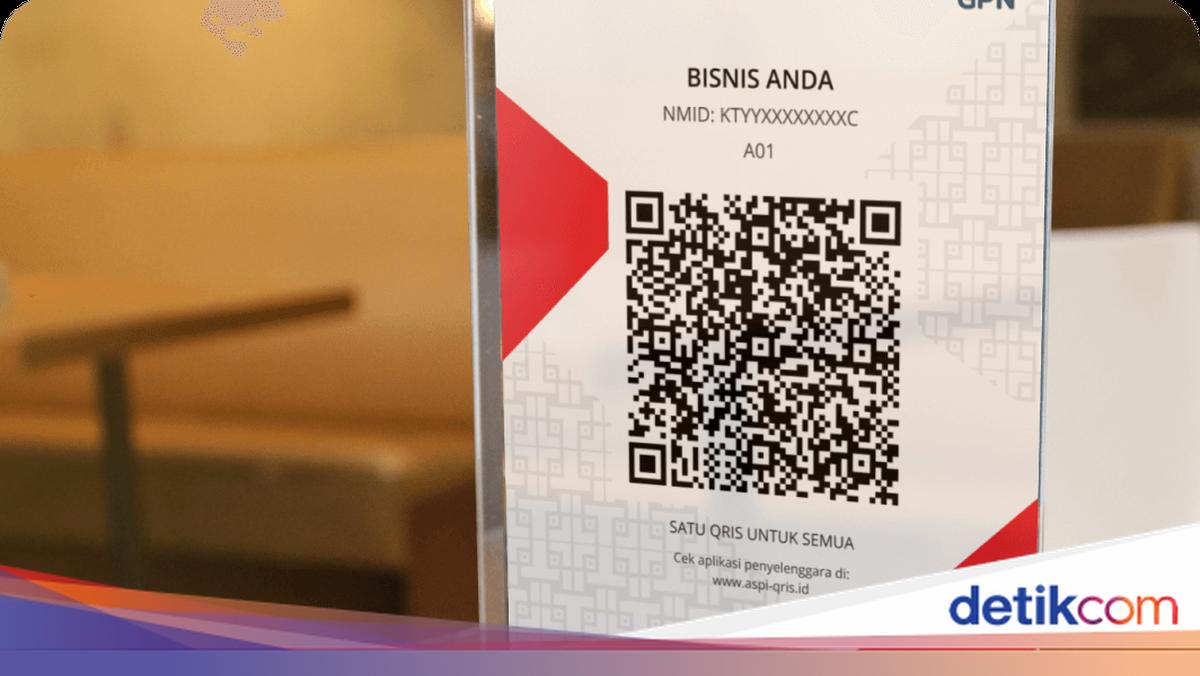
In a café in Jakarta's Sudirman business district, a company executive finishes a business lunch with a Chinese corporate partner and heads to the cashier. Instead of reaching for cash or a card, each could open their normally used mobile banking app, scan the QR code displayed at the counter, and completes the payment within seconds.Scenes like this have become increasingly common across Indonesia. QR code-based payments have transformed the way businesses and consumers conduct everyday transactions, from airports and shopping centers to restaurants, hotels and tourist destinations.
Today, the impact of QRIS (Quick Response Code Indonesian Standard) extends far beyond domestic transactions. As Indonesia strengthens financial connectivity with other countries, QRIS is entering a new phase, from a national payment standard to a cross-border payment ecosystem.
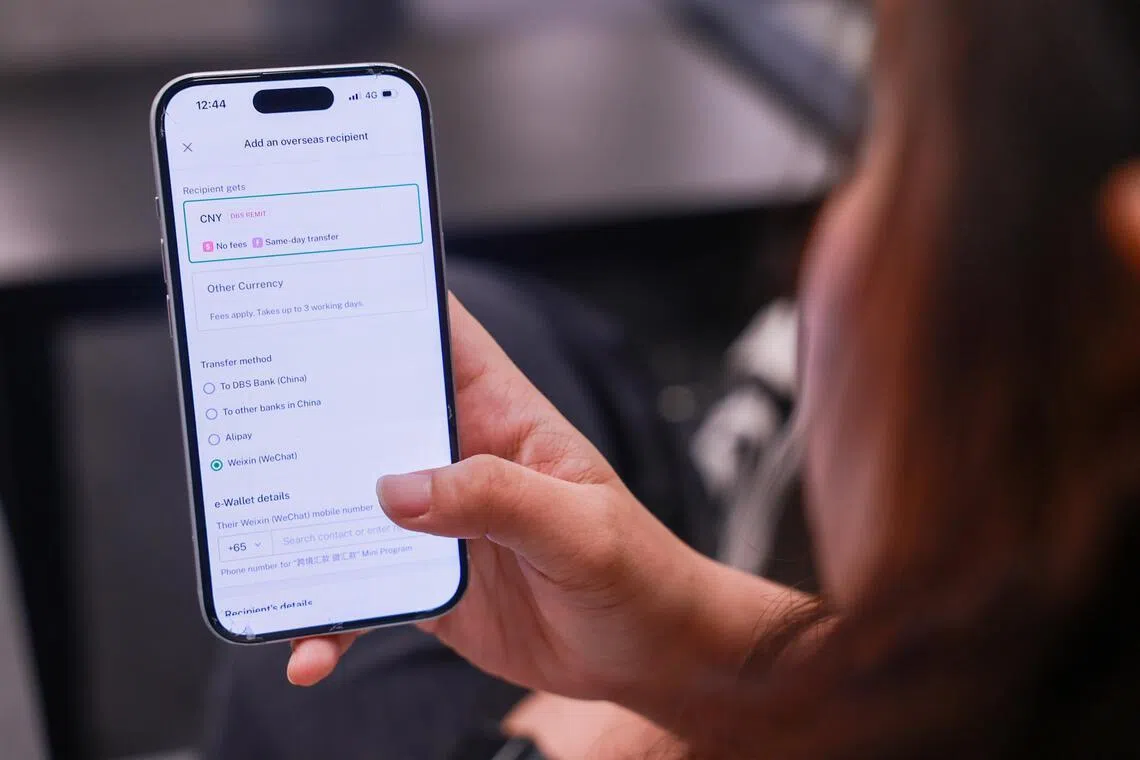
Through collaboration between Indonesia and China, two-way cross-border QR payments are now fully operational. Indonesian consumers can use QRIS-enabled applications to scan and pay at UnionPay and Alipay QR-accepting merchants across China, while Chinese visitors can conveniently pay in Indonesia using compatible QR payment platforms from their home country, including the UnionPay App, bank apps connected to UnionPay MobileWallet Connect, and Alipay. This two-way interoperability is made possible through UnionPay's cross-border payment network, which bridges China's and Indonesia's local payment systems.