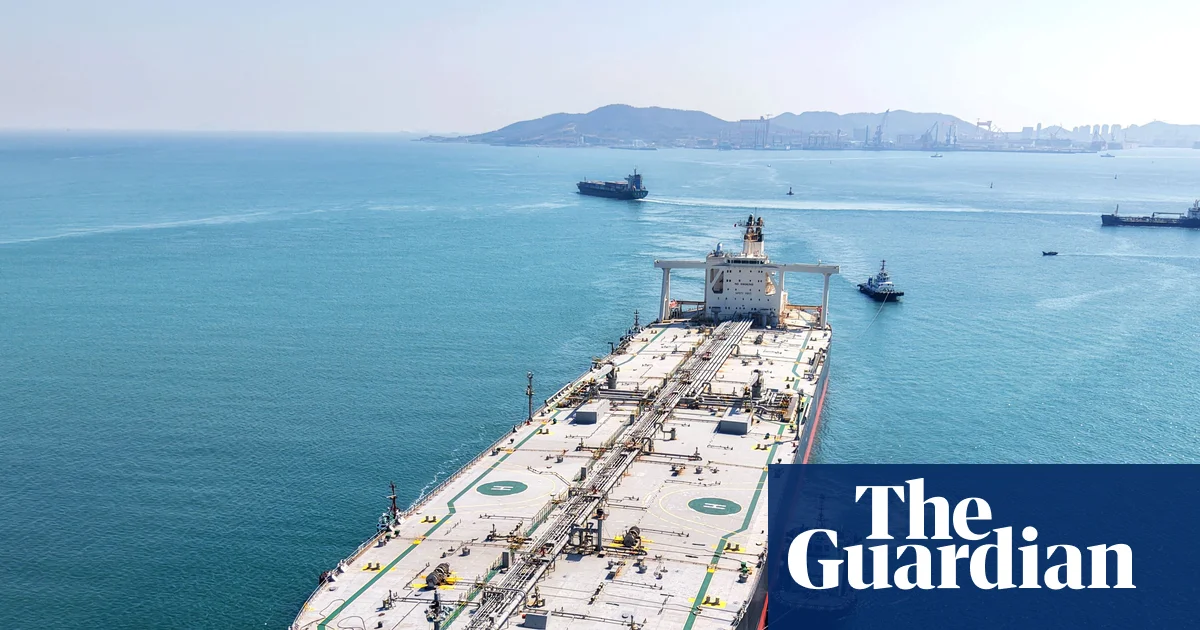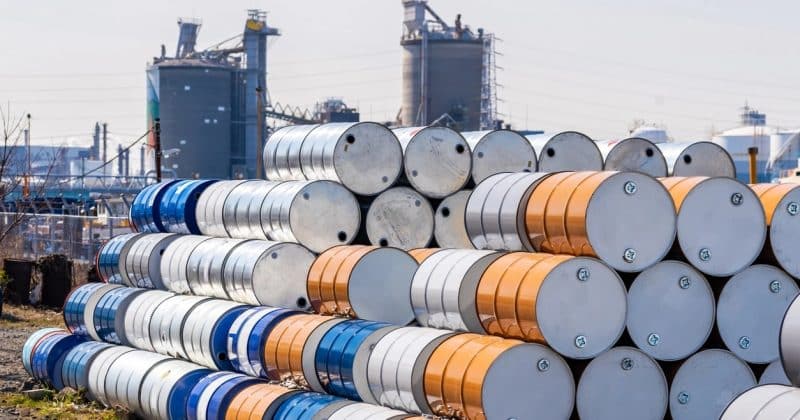
Oil prices just had their worst single day in months, and Wall Street is quietly celebrating. Brent crude fell over 5% to approximately $83 per barrel on June 15, its lowest level since early March, after the US and Iran announced a peace framework deal expected to reopen the Strait of Hormuz to normal shipping traffic.
For JP Morgan strategists, this is the exact pressure valve global markets needed. The bank had been warning for months that elevated crude prices were the single biggest headwind for equities, and the sudden reversal is now creating what traders call a risk-on environment.
The oil-equity connection, explained
When US-Iran tensions escalated earlier this year and disrupted oil flows through one of the world’s most critical shipping lanes, crude prices surged over 40% from pre-conflict levels, pushing toward $100 per barrel at the peaks. That kind of spike feeds directly into inflation across the entire economy, from manufacturing costs to food prices to shipping rates, giving central banks less room to cut rates.
The S&P 500 felt the pain directly, dropping roughly 3-4% in correlation with those oil price spikes. JP Morgan had gone further, cautioning that a sustained period with prices above $90 per barrel could trigger a 10-15% correction in equities.