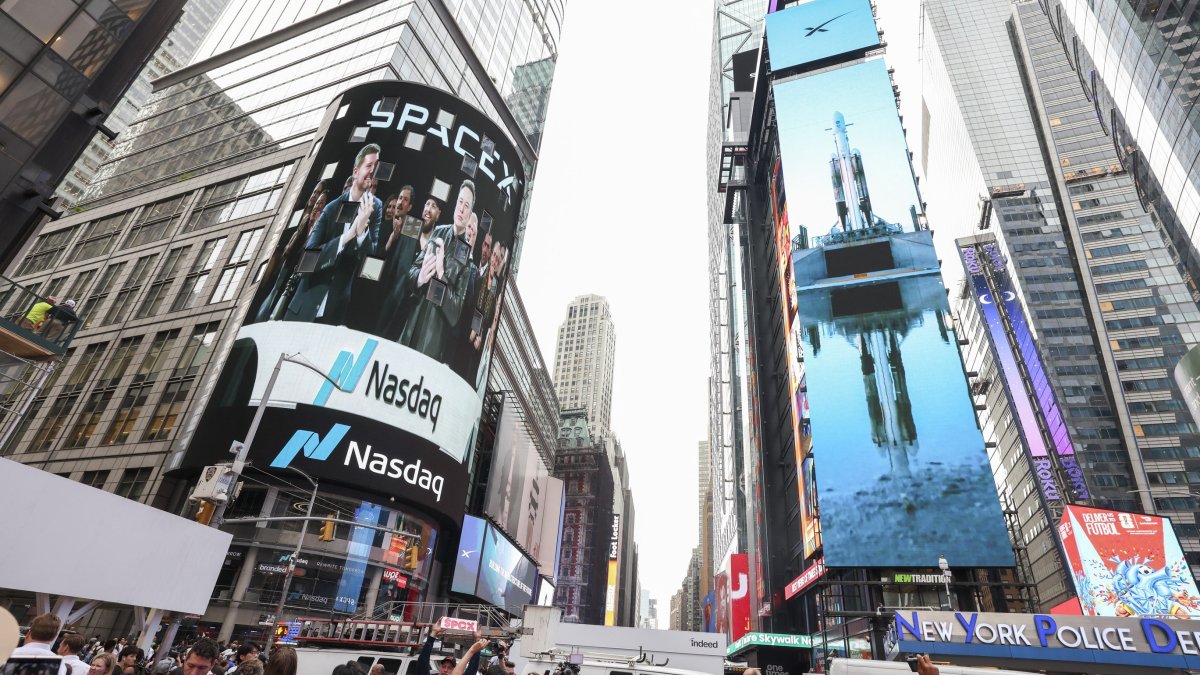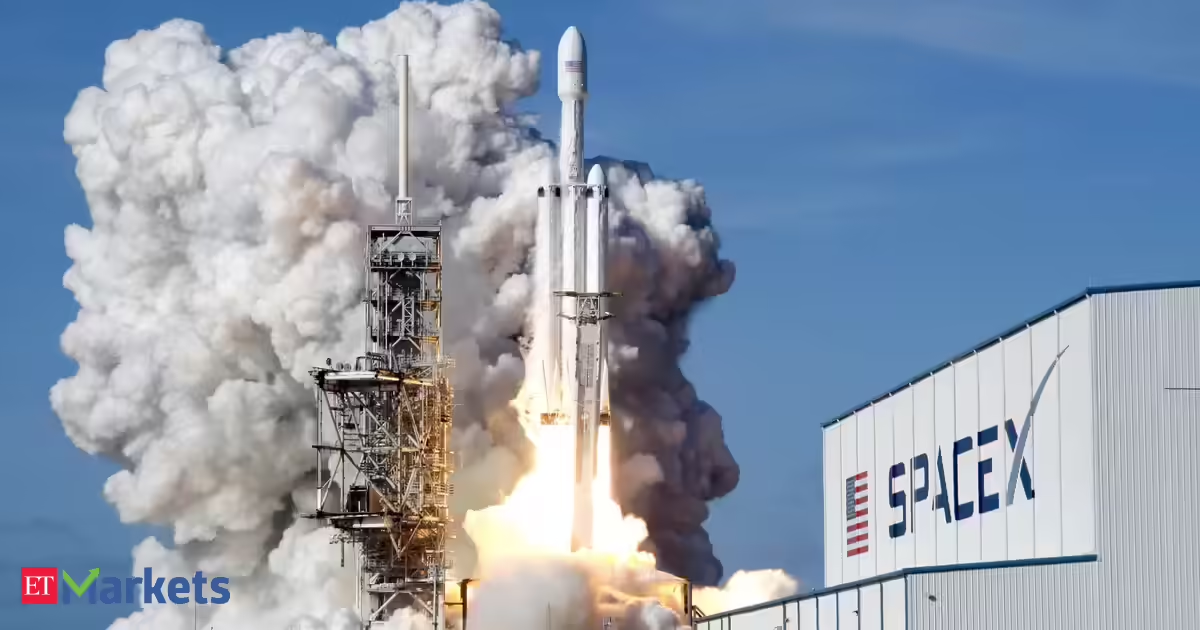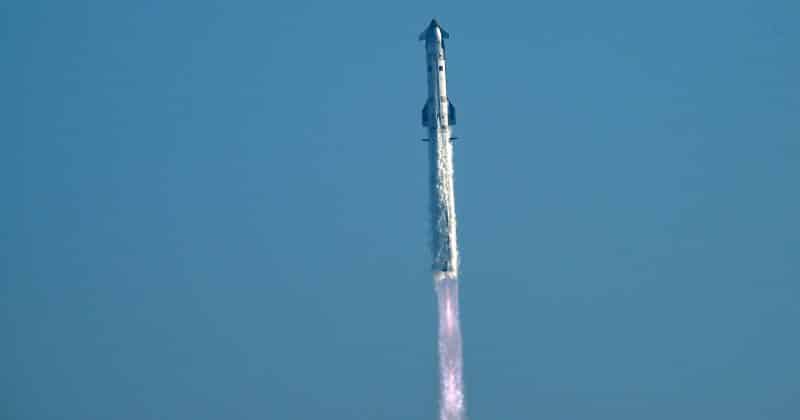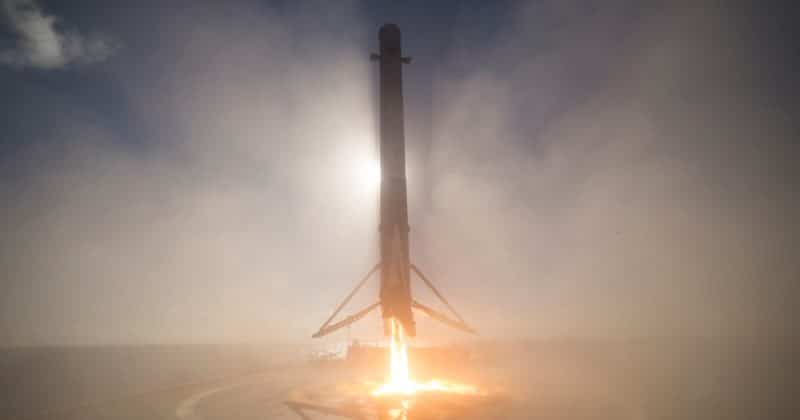
SpaceX went public on June 12, listed on Nasdaq under the ticker SPCX, priced shares at $135, and raised roughly $75 billion. Within days, its market capitalization ballooned from an initial $1.77 trillion to approximately $2.5 trillion, vaulting the company into the sixth spot among the world’s largest public companies.
That trajectory, from $350 billion private valuation in early 2026 to a $2.5 trillion public behemoth, is the kind of wealth creation that makes even seasoned Wall Street types do a double-take. Goldman Sachs led the offering, which ranks among the largest IPOs in history.
The numbers behind the hype
Here’s the thing about a $2.5 trillion market cap: it requires investors to believe SpaceX is worth roughly 90 to 100 times its revenue. That’s not a typo. Analysts have flagged this multiple as aggressive by any historical standard, and it dwarfs what comparable technology and infrastructure companies typically command.
The demand was real, though. Both retail and institutional investors piled in, driven by enthusiasm for SpaceX’s dominant launch business and the rapidly expanding Starlink satellite internet constellation.