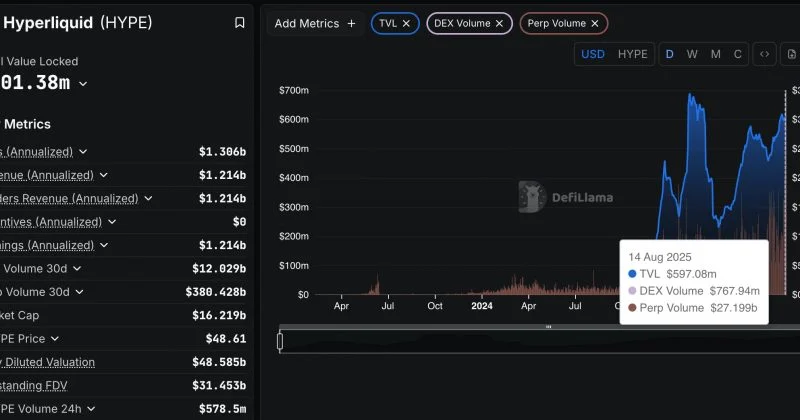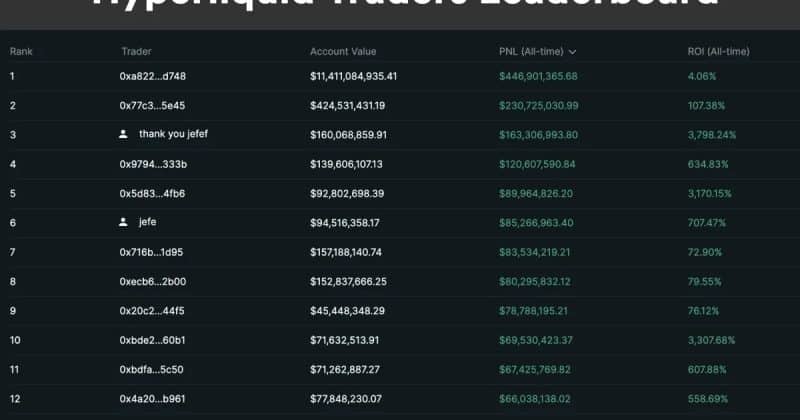
Hyperliquid is pulling far more protocol revenue than Uniswap, exposing a widening value capture gap between two of DeFi’s most important trading venues.
Token Terminal data shows Hyperliquid generated roughly $50 million in revenue over the past 30 days, while Uniswap produced only a fraction of that amount. The difference is not simply about users or brand recognition. It comes from how each protocol is built.
Uniswap popularized the automated market maker model. Traders swap tokens through liquidity pools, and most trading fees flow to liquidity providers that supply assets to those pools. That design made Uniswap the benchmark for decentralized spot trading, but it also limited how much value the protocol itself captures.
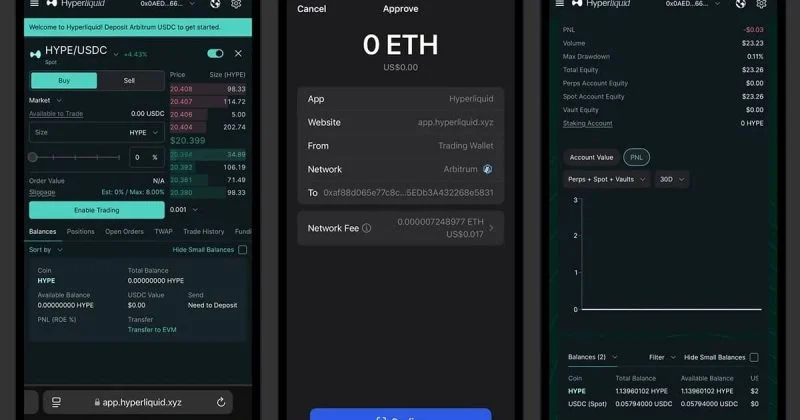
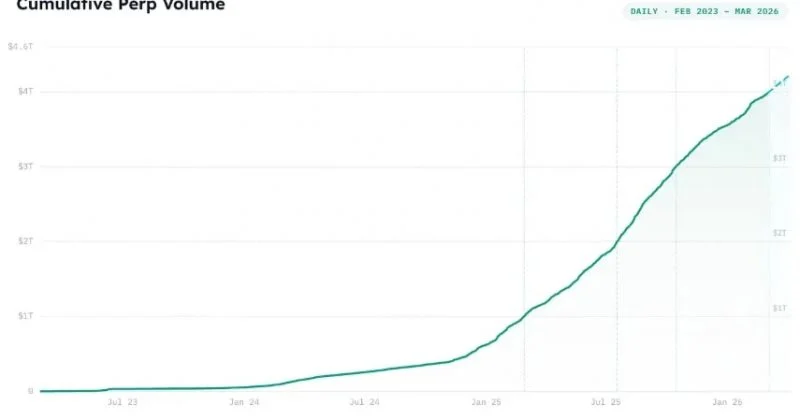
Hyperliquid takes a different route. The platform is built as a dedicated Layer 1 for spot and perpetual futures trading, with a central limit order book and fast execution. Its biggest market is perpetual futures, where leverage and frequent position turnover generate far more trading activity than simple spot swaps.
The revenue model is also more direct. Hyperliquid routes about 97% of trading fees into its Assistance Fund, which buys HYPE on the open market. That mechanism turns trading activity into constant token demand, tying protocol usage more closely to HYPE.