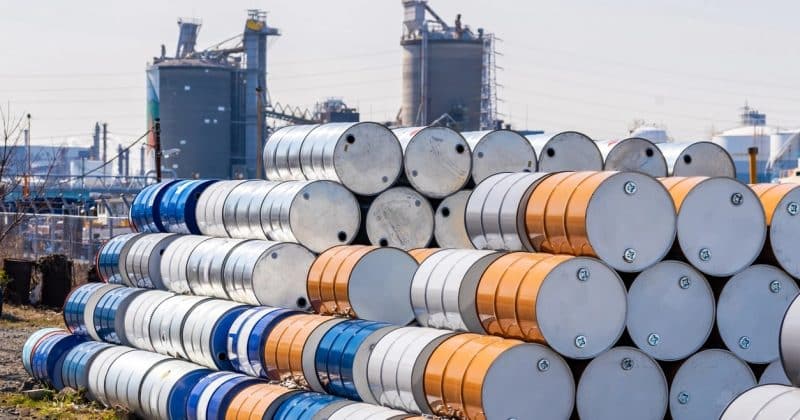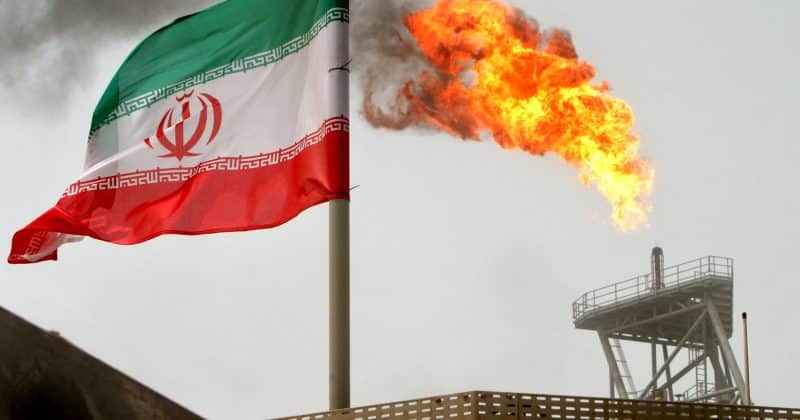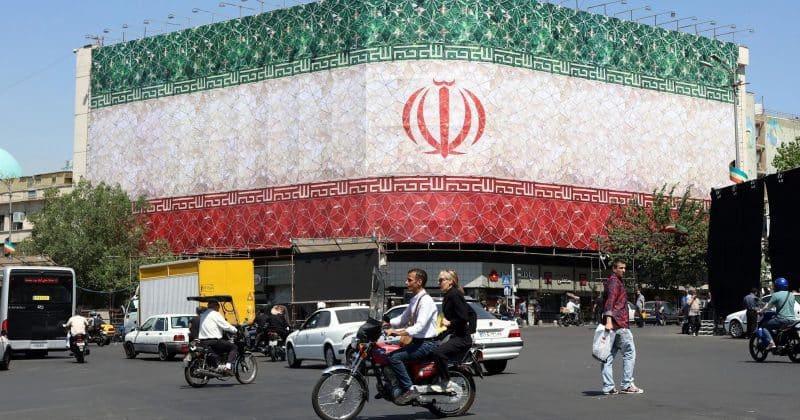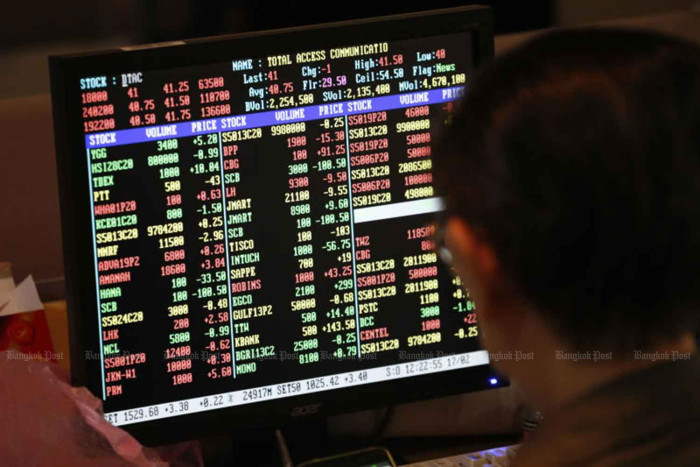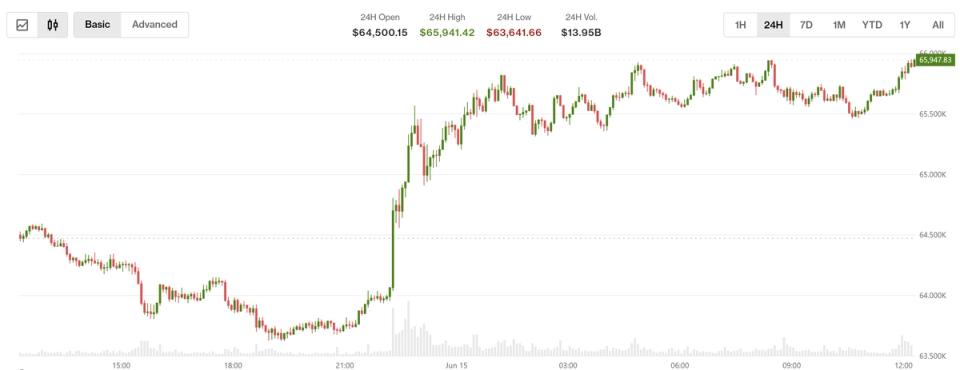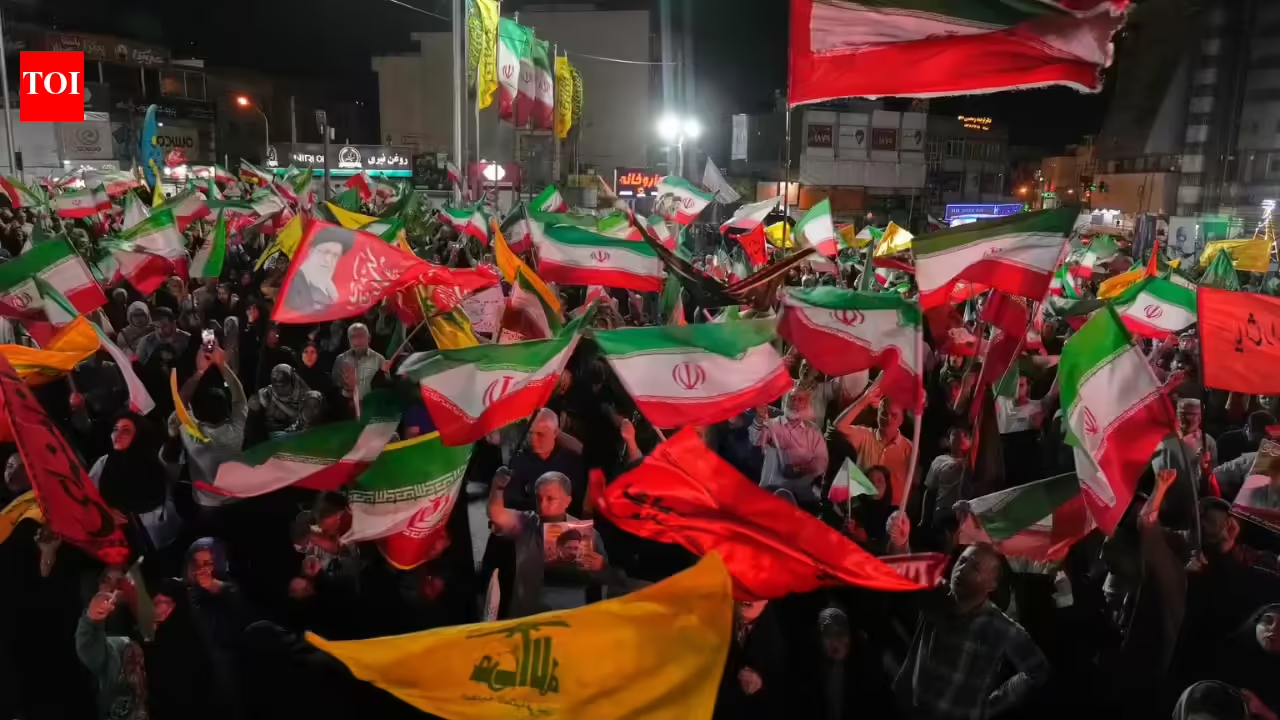
A proposed memorandum of understanding between the US and Iran, announced on June 14 by Pakistani Prime Minister Shehbaz Sharif, is doing something rare in 2026: calming markets down. Stocks rallied, oil prices dropped, and for a brief moment, the geopolitical risk premium that has haunted energy markets since late February started to deflate.
Prediction markets have become the de facto real-time barometer for geopolitical outcomes. The probability of a full nuclear deal materializing by October 2026 sits at roughly 52%, with more than $13M in trading volume behind that number.
What the deal actually proposes
The framework calls for a 60-day ceasefire extension between the US and Iran, reopening of the Strait of Hormuz, and an end to the US naval blockade that has choked one of the world’s most critical oil transit chokepoints since hostilities began on February 28.
In exchange, Iran would receive sanctions relief, including access to frozen assets. The thorniest issue, Iran’s nuclear enrichment program, gets kicked down the road to future negotiations.