Monday 15 June 2026 10:28 am
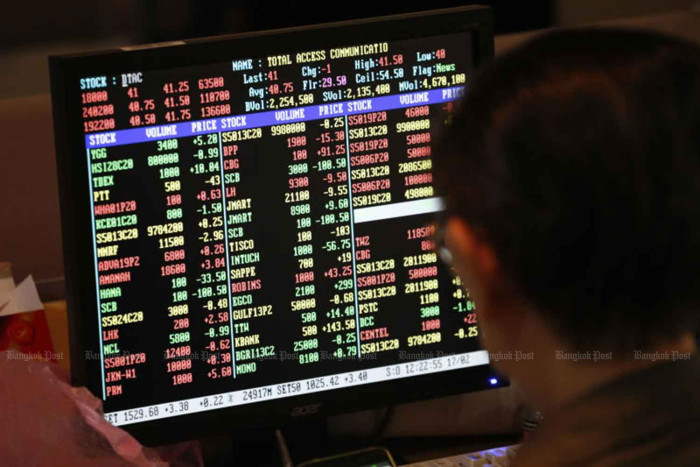
Markets rallied after the US-Iran deal. (Pic: PA/AP Benjamin Hanson)
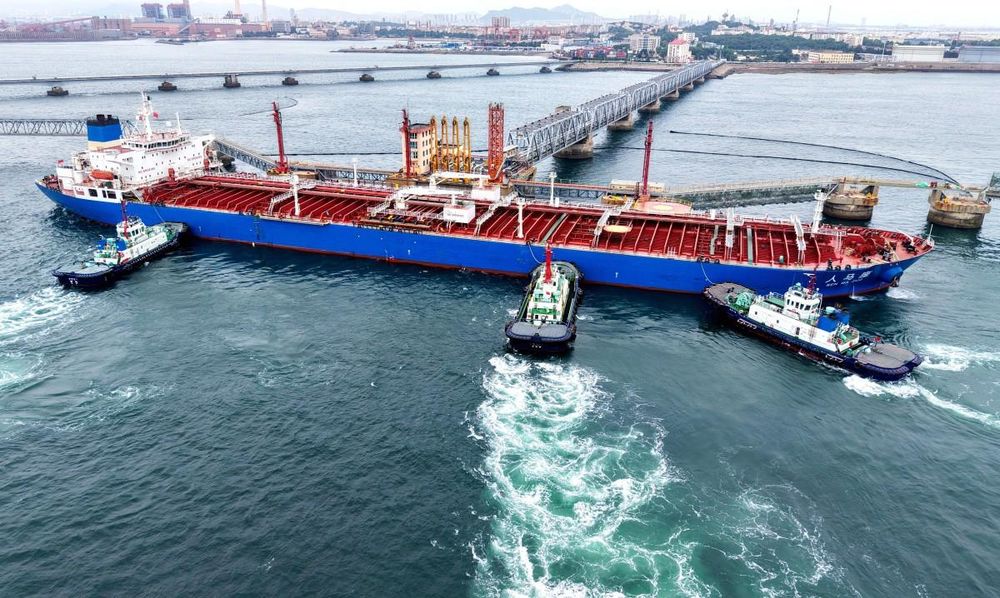
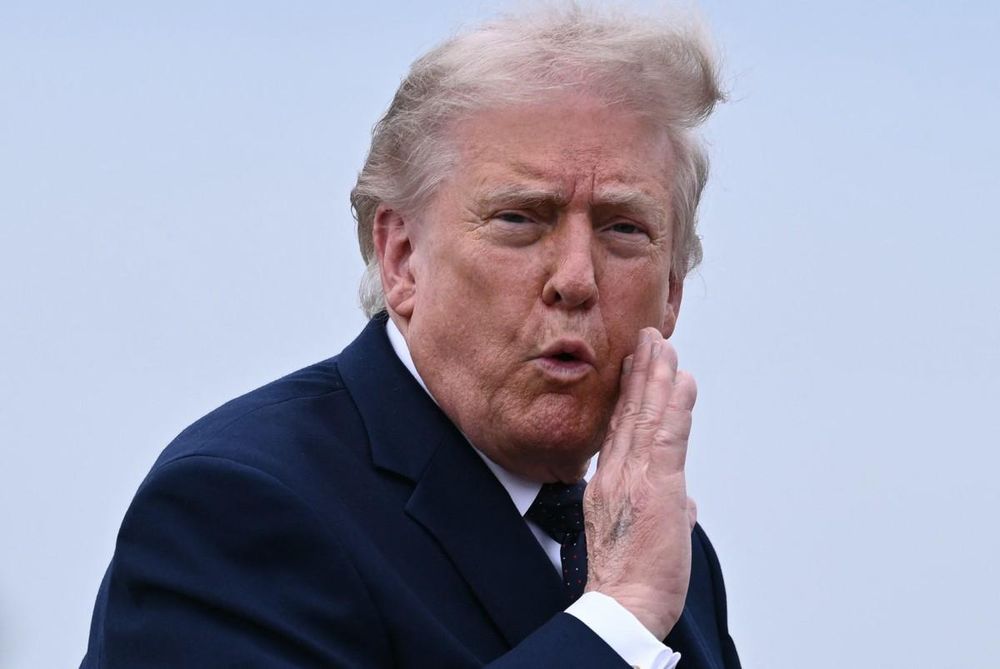
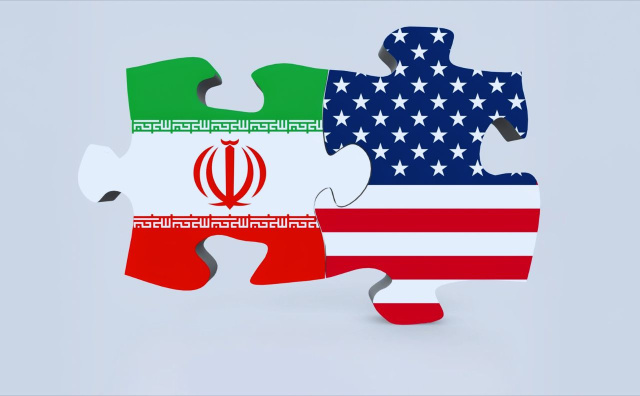
Top market analysts warned on Monday that “nothing is straight forward” as euphoria spread across European equities after a confirmed peace deal between the US and Iran.Stock markets opened in the green as investors returned to a risk-on mentality after Pakistan announced an agreement between the two nations and Donald Trump declared the oil market would begin moving again. The US President posted on Truth Social: “Ships of the world, start your engines. Let the oil flow,” in a reference to traffic through the Strait of Hormuz – a narrow waterway connecting the Persian Gulf and the Gulf of Oman – coming to a halt at the end of February. The strait sees around a fifth of the world’s oil supply flow through it, leading to a drastic choking of supply in the last few months.Chris Beauchamp, chief market analyst at IG, told City AM: “Investors are certainly cheering the news, hopeful that things can return to something approximating pre-war normality fairly soon.” But he added the FTSE 100 was struggling to participate in the “general rejoicing” with BP and Shell “seriously hampered” by the falling oil price, sitting at under $84 a barrel. The two oil majors are among the most valuable firms on London’s blue-chip index, with Shell coming in third with a £180bn market cap and BP at eight with a £83bn market cap, meaning their stock price movements heavily influence the broader index.The FTSE 100 rallied 0.8 per cent at open before easing to a 0.3 per cent gain, falling behind its peers in continental Europe. Germany’s DAX was up 1.4 per cent, France’s Cac 40 1.1 per cent and the STOXX600 – a benchmark tracking the performance of 600 of the largest publicly traded companies across 17 European countries – rose 0.8 per cent. Markets face ‘Gordian knot’ of US-Iran relationsThe details of the deal – set to be inked in Switzerland on Friday – have yet to be confirmed in full. “Nothing is straightforward, and even Franz Kafka could not have written a more grotesque novel,” Tamas Varga, analyst at TP ICAP’s PVM Oil associates, said.“Yet, it seems increasingly plausible that the conflict that upended the global economy and the oil balance is slowly drawing to an eagerly awaited end.”Though he warned the “pre-crisis status quo may never be fully restored, or at least not for a long time”.Neil Wilson, UK investor strategist at Saxo Markets, said: “The realisation will dawn on markets that unwinding the Gordian knot of US-Iran relations will take time – energy prices will decline slowly rather than suddenly”.On Sunday night Iran’s chief negotiator Mohammad Bagher Ghalibaf cast doubt on peace hopes after stating that the latest strike on Lebanon from Israel showed the US was not fulfilling its commitments and either lacks the will or ability to do so.Ghalibaf said there was “no point” in talking about continuing “down this path”.Brent crude – the international benchmark for oil prices – temporarily breached $138 amidst the height of the US-Iran conflict, leading to a major energy blow for global economies.Petrol prices in the UK hit an average price of 159.43p a litre as Brits felt pressure at the pump. Over in the US, inflation came in at 4.2 per cent – a three-year high – after a spike in energy prices.‘Tighter’ monetary policy expected“Oil markets will take some time to normalise even once the Strait reopens,” Thomas Matthews, head of markets at Capital economics, said.He added monetary policy would also be “tighter” in some cases, leading to bond yields “therefore higher than otherwise would have been the case.”Gilt yields did see some cooling on Monday, bringing modest relief to Chancellor Rachel Reeves and the rest of the Labour government as speculation heats up over looser fiscal policy. The 10-year gilt yield eased by around five basis points to 4.8 per cent. Lower gilt yields translate into lower government borrowing costs for the government, allowing public finances to be kept in check. The three-month suspension in international trade across the Middle East is expected to damage the UK economy. Inflation is expected to surge over the coming months as effects trickle through while growth is set to be lower than previously expected. Sir Keir Starmer said he welcomed the news of a peace deal being struck between the US and Iran, adding that it was a “hugely important step”. France and the UK are set to lead a mine-clearing operation across the Strait of Hormuz. Starmer also spoke to President Trump on Sunday evening. The two leaders “agreed that freedom of navigation must be restored” in an apparent swipe at Iranian officials claiming that ships passing through the Strait will face a toll. Trump and Starmer will meet at a G7 meeting in France over the next few days, with the peace process set to be a key focus for leaders. The timing of the G7 meeting could be awkward for Starmer as he is under pressure over defence spending and political leadership. The government failed to publish its Defence Investment Plan, which was first slated for publication last autumn and then expected to be revealed last week, over a funding row. John Healey resigned as defence secretary over the government’s lack of commitment to raising defence spending to three per cent of GDP by 2030. Later this week, the Prime Minister will also face renewed troubles over the future of his leadership when the Makerfield by-election results are revealed on Friday. Manchester mayor Andy Burnham is expected to win the vote and trigger a Labour leadership contest.