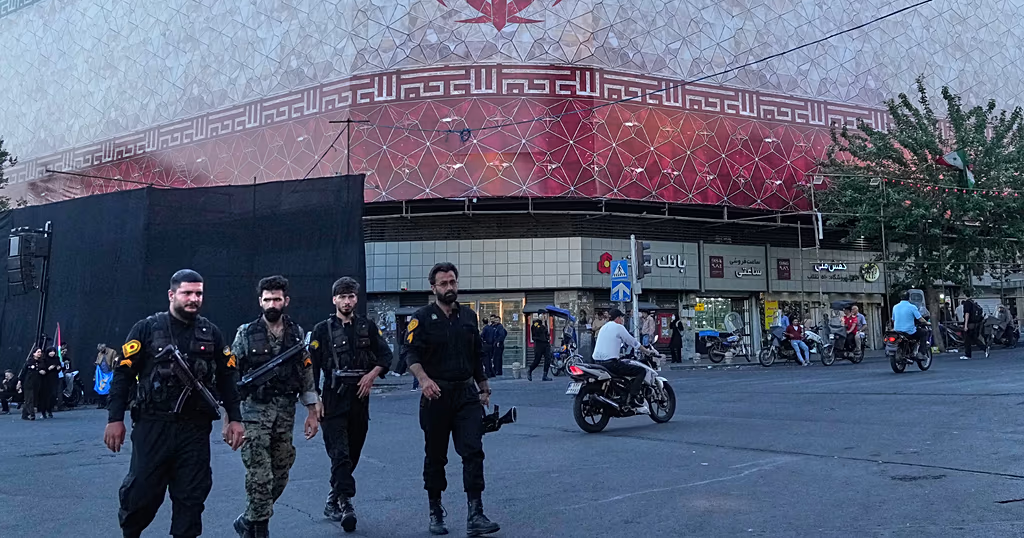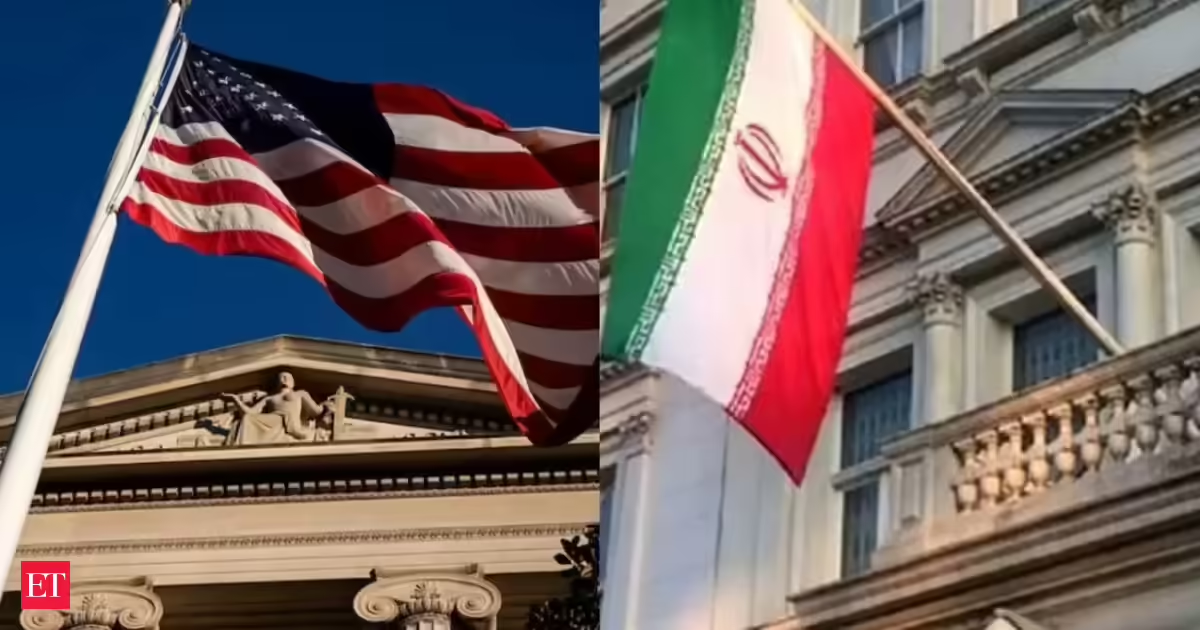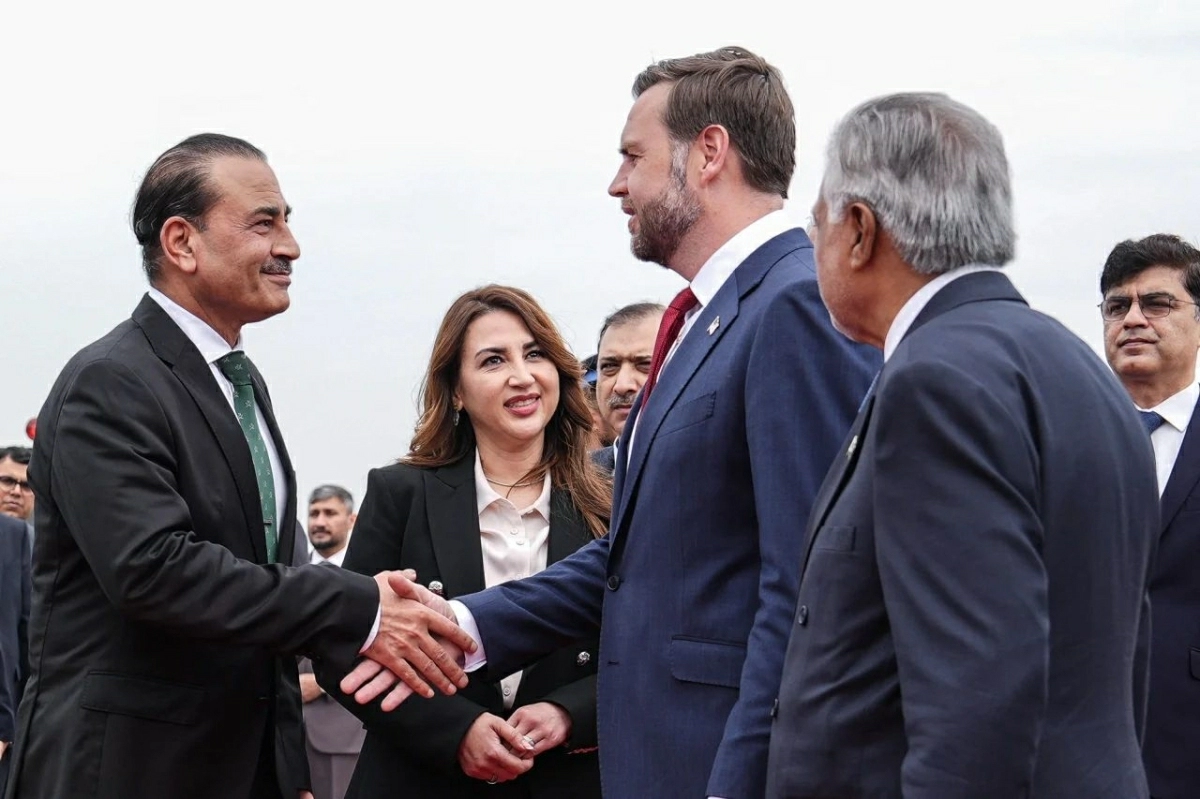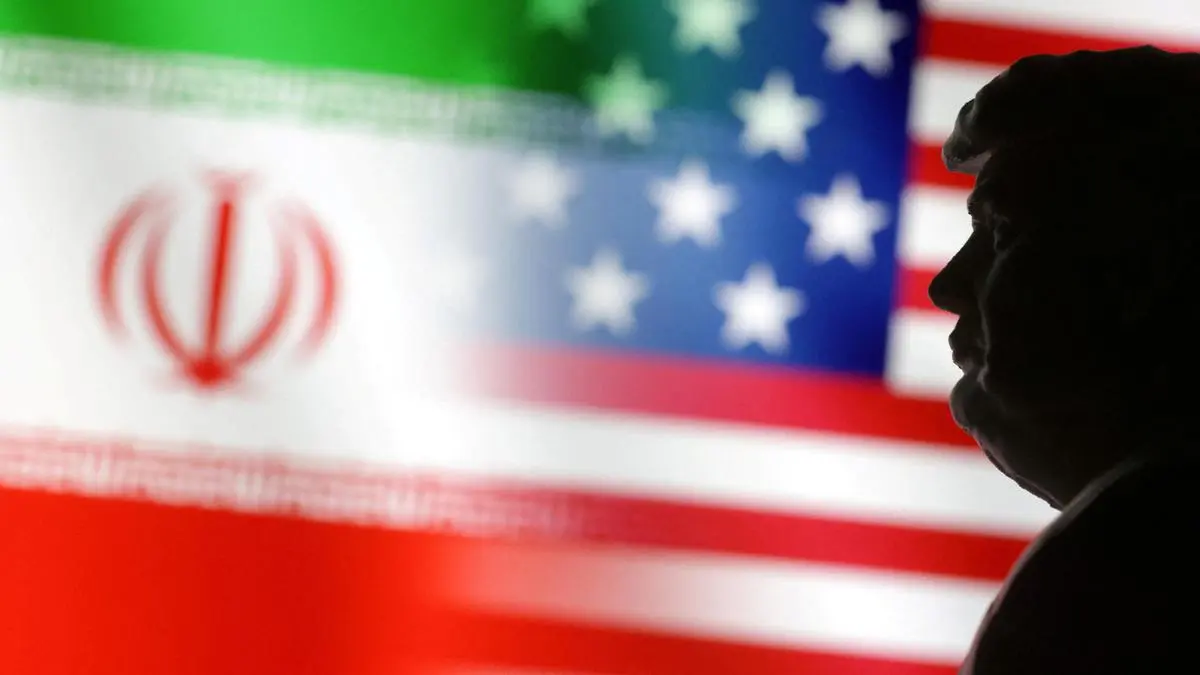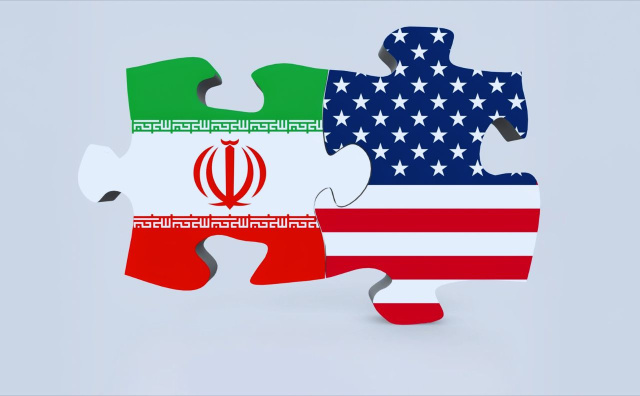
A tentative peace agreement between the United States and Iran has sparked cautious optimism around the world, with political leaders, international organizations, and regional governments welcoming what they describe as an important opportunity to end months of conflict and restore stability to global energy markets.
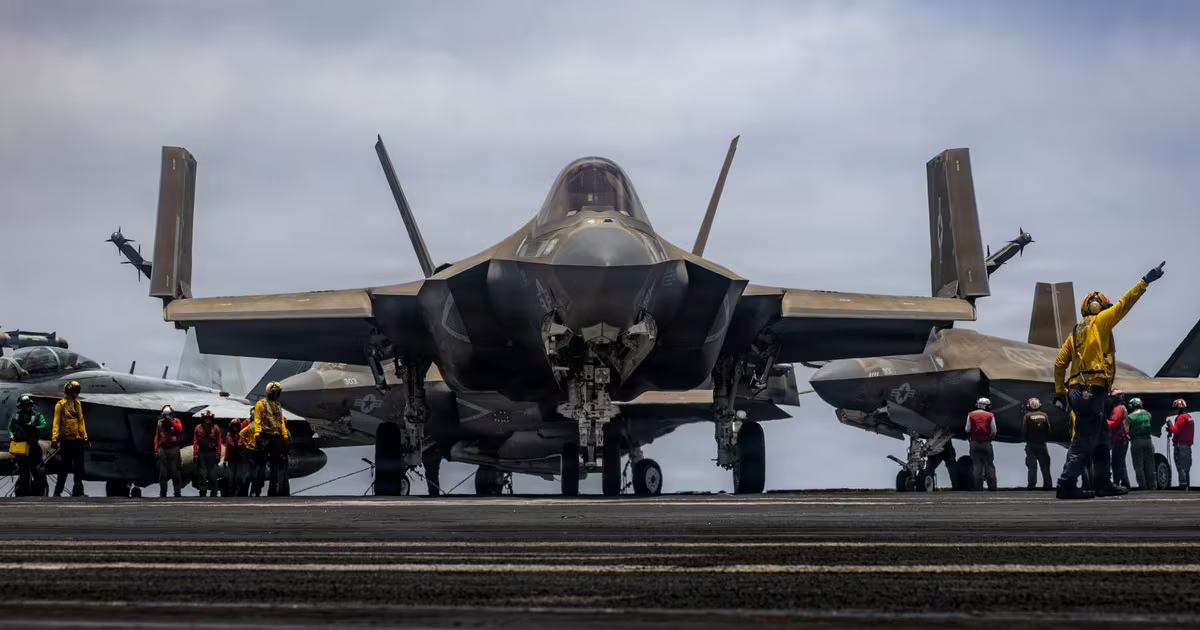
The preliminary memorandum, which is expected to be formally signed in Switzerland later this week, would establish a 60-day ceasefire, reopen the Strait of Hormuz to international shipping, and launch broader negotiations on Iran’s nuclear program and sanctions relief. While many details remain unclear, the announcement immediately triggered a decline in oil prices and raised hopes that disruptions to global trade and energy supplies could begin to ease.
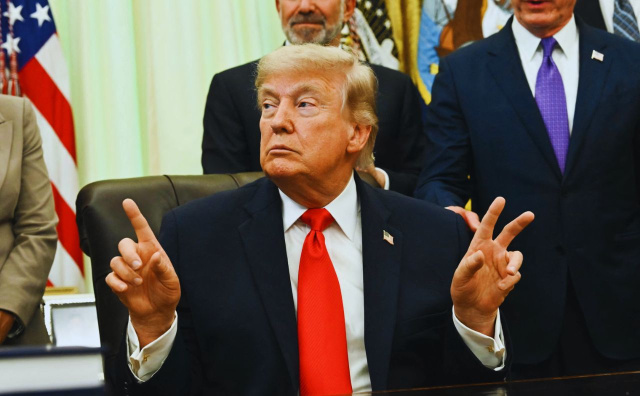
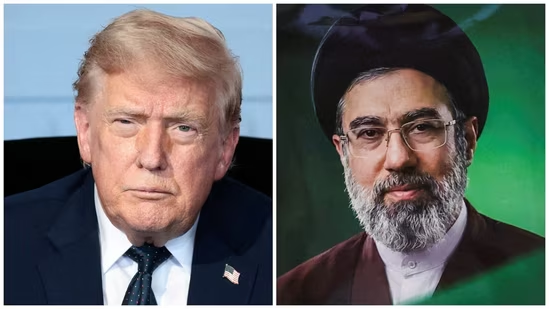
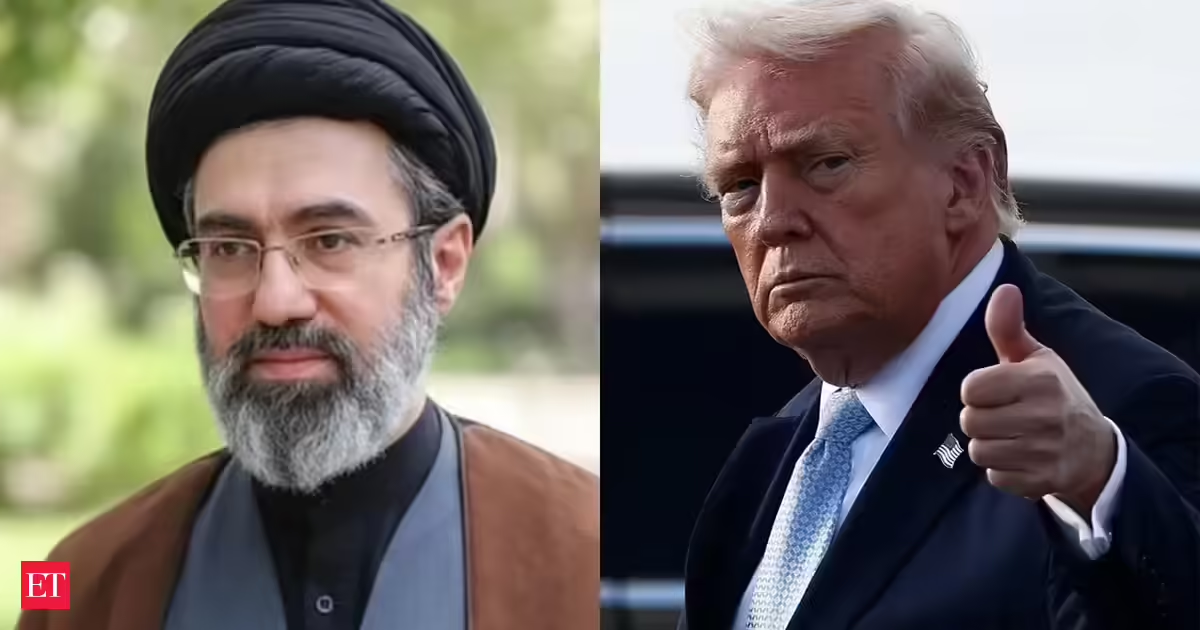
US President Donald Trump celebrated the breakthrough on social media, writing, “Ships of the world, start your engines!” The agreement was also recognized by Tehran, a development many analysts viewed as significant after months of failed diplomatic efforts.
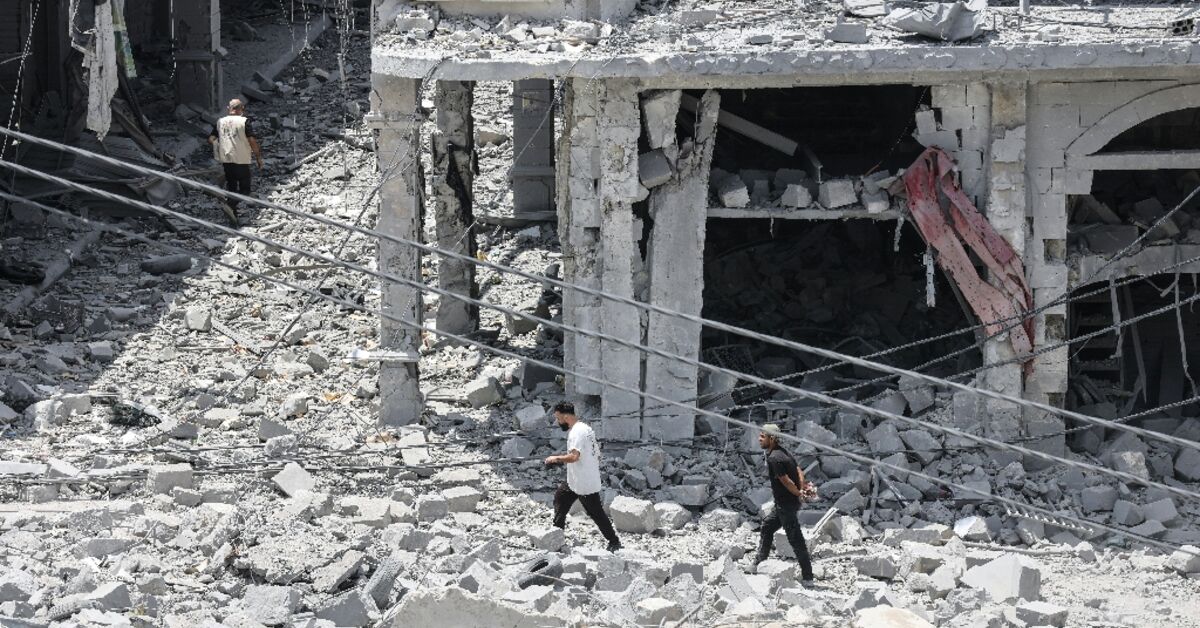
Despite the positive reaction, fighting has not completely stopped. Israeli artillery and airstrikes reportedly continued overnight in southern Lebanon, with Lebanese media reporting attacks near the city of Nabatiyeh. Local authorities warned residents not to return to affected areas because of ongoing security risks. The Israeli military said it intercepted a drone launched from Lebanon but did not immediately comment on the reported strikes.