The United States and Iran have announced a tentative agreement aimed at ending more than three months of conflict, raising hopes for stability in the Middle East while leaving major questions unresolved over Tehran's nuclear ambitions, regional influence, and the future of the Strait of Hormuz.
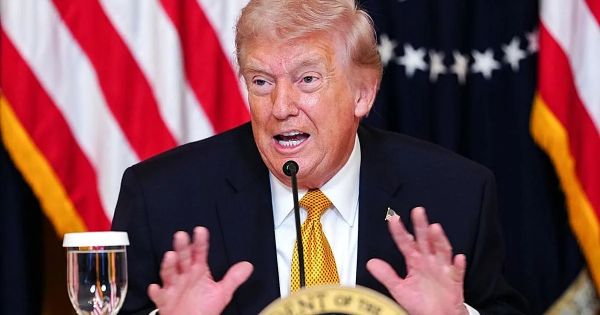
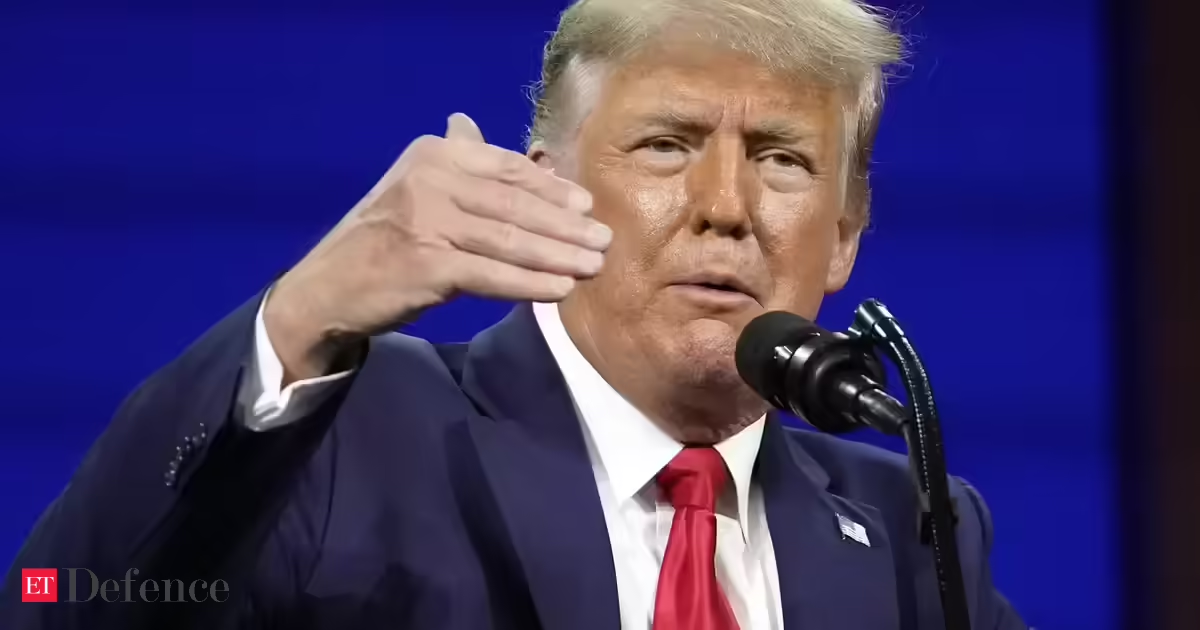
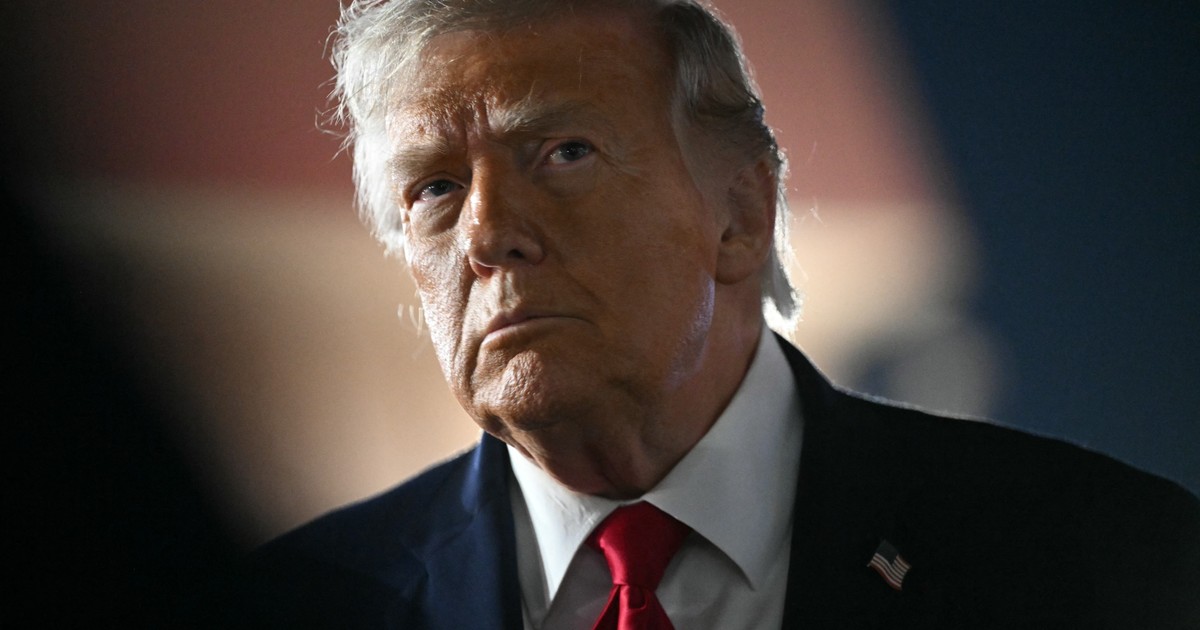
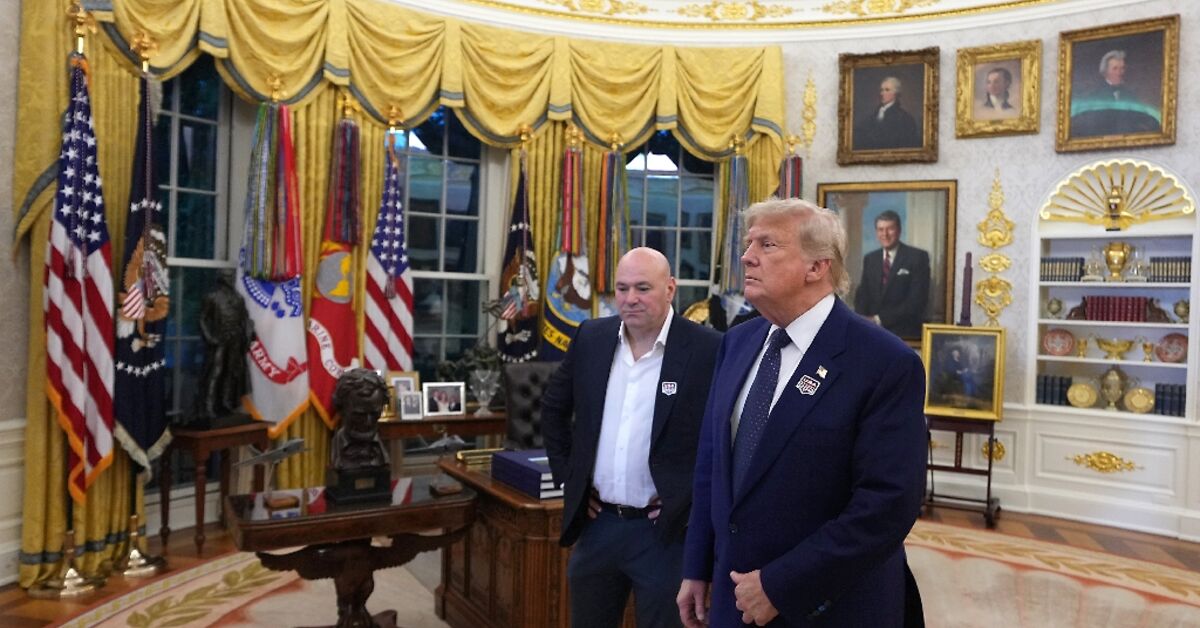
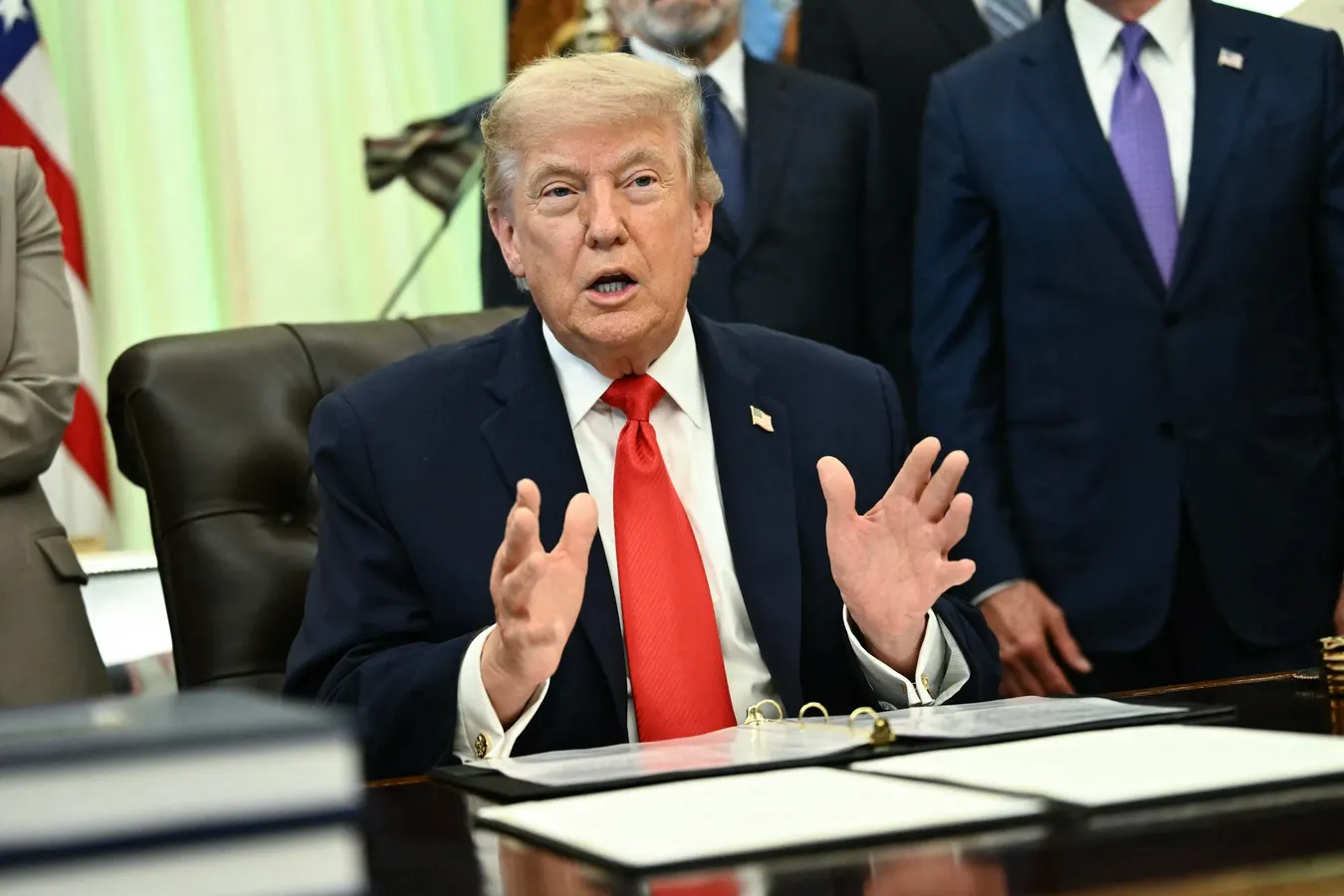
The breakthrough was first revealed by Pakistani Prime Minister Shehbaz Sharif, whose government played a mediating role in the negotiations. Shortly afterward, U.S. President Donald Trump confirmed the development, declaring that "the deal with the Islamic Republic of Iran is now complete" and describing it as a path toward lasting peace and regional security.
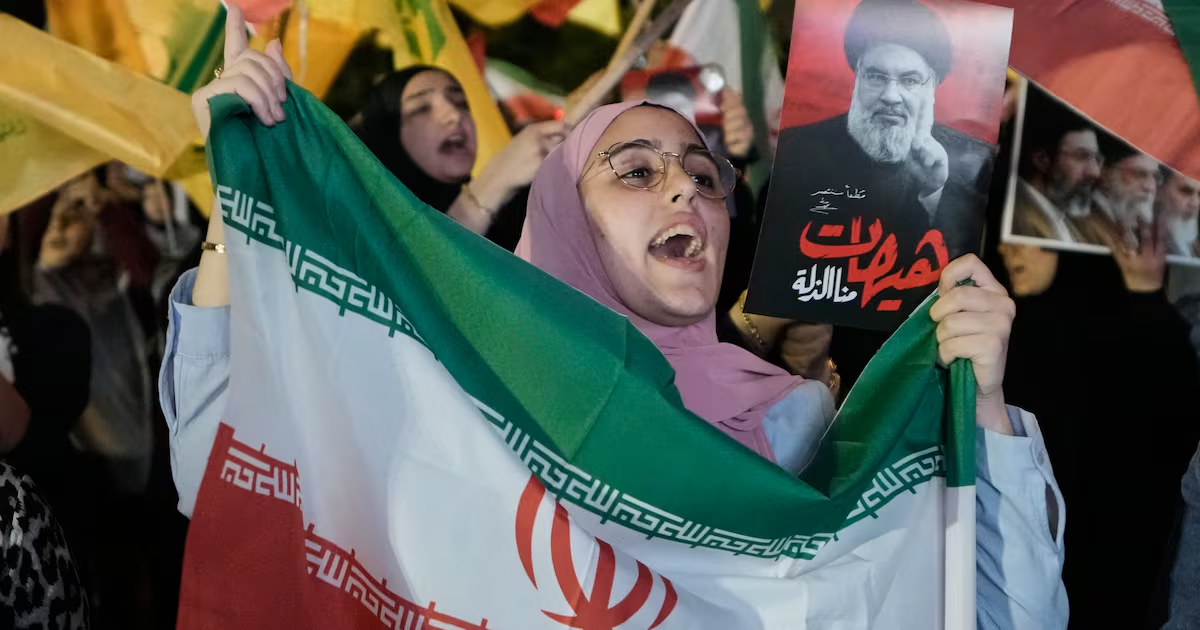
Under the preliminary arrangement, both sides have agreed to an immediate halt to military operations. Iranian Deputy Foreign Minister Kazem Gharibabadi stated that the war had ended "on all fronts, including Lebanon," while an official signing ceremony is expected to take place in Switzerland on Friday.
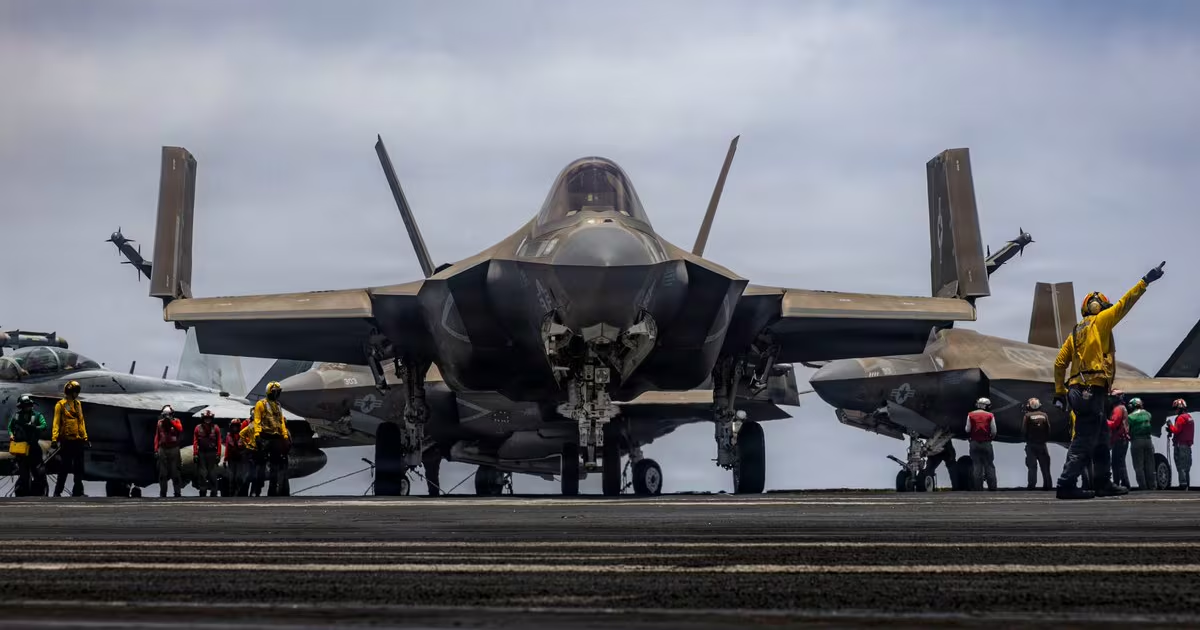
One of the most closely watched elements of the agreement concerns the Strait of Hormuz, a vital maritime route through which roughly one-fifth of global oil supplies pass. Trump said he had authorized the removal of the U.S. naval blockade and approved the reopening of the waterway, proclaiming: "Ships of the World, start your engines. Let the oil flow!" He later clarified that full reopening would occur following the signing ceremony and after mine-clearing operations are completed.