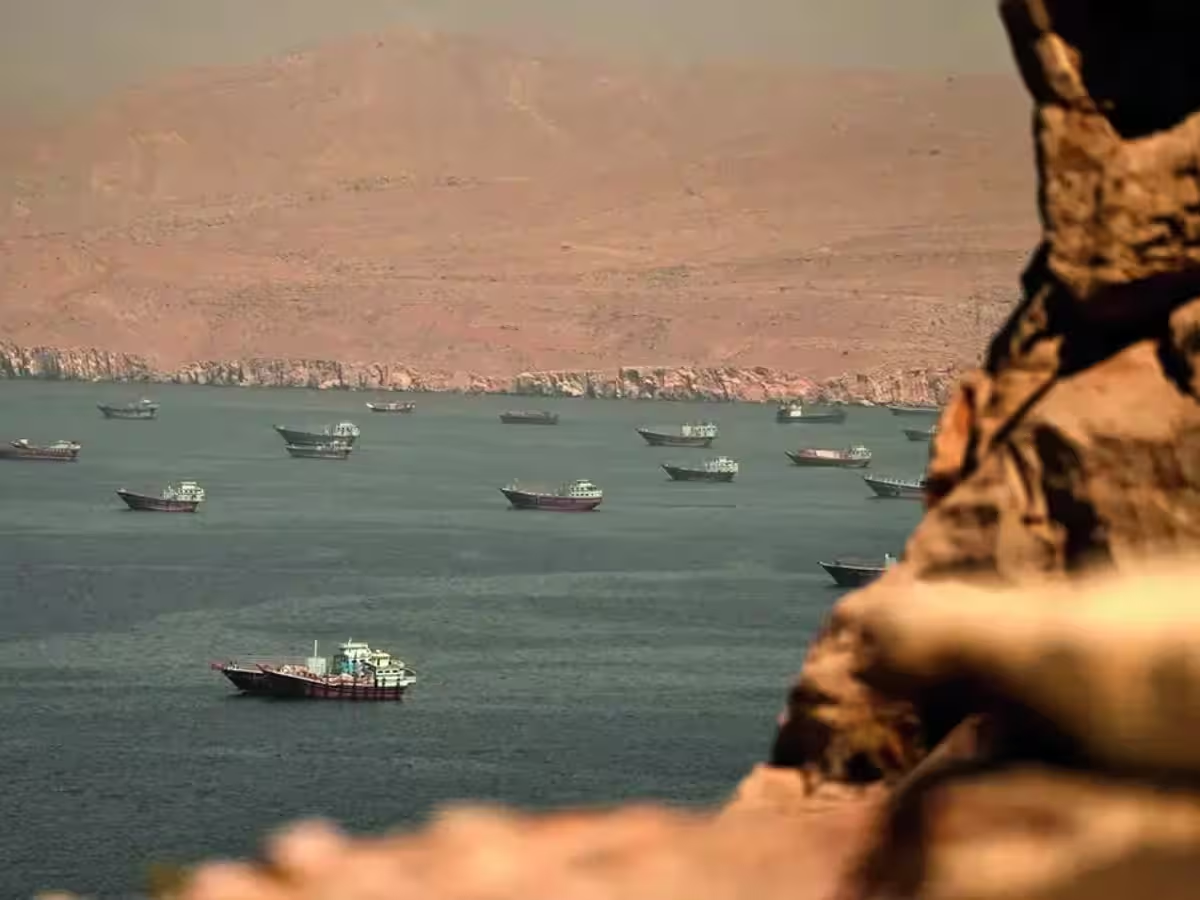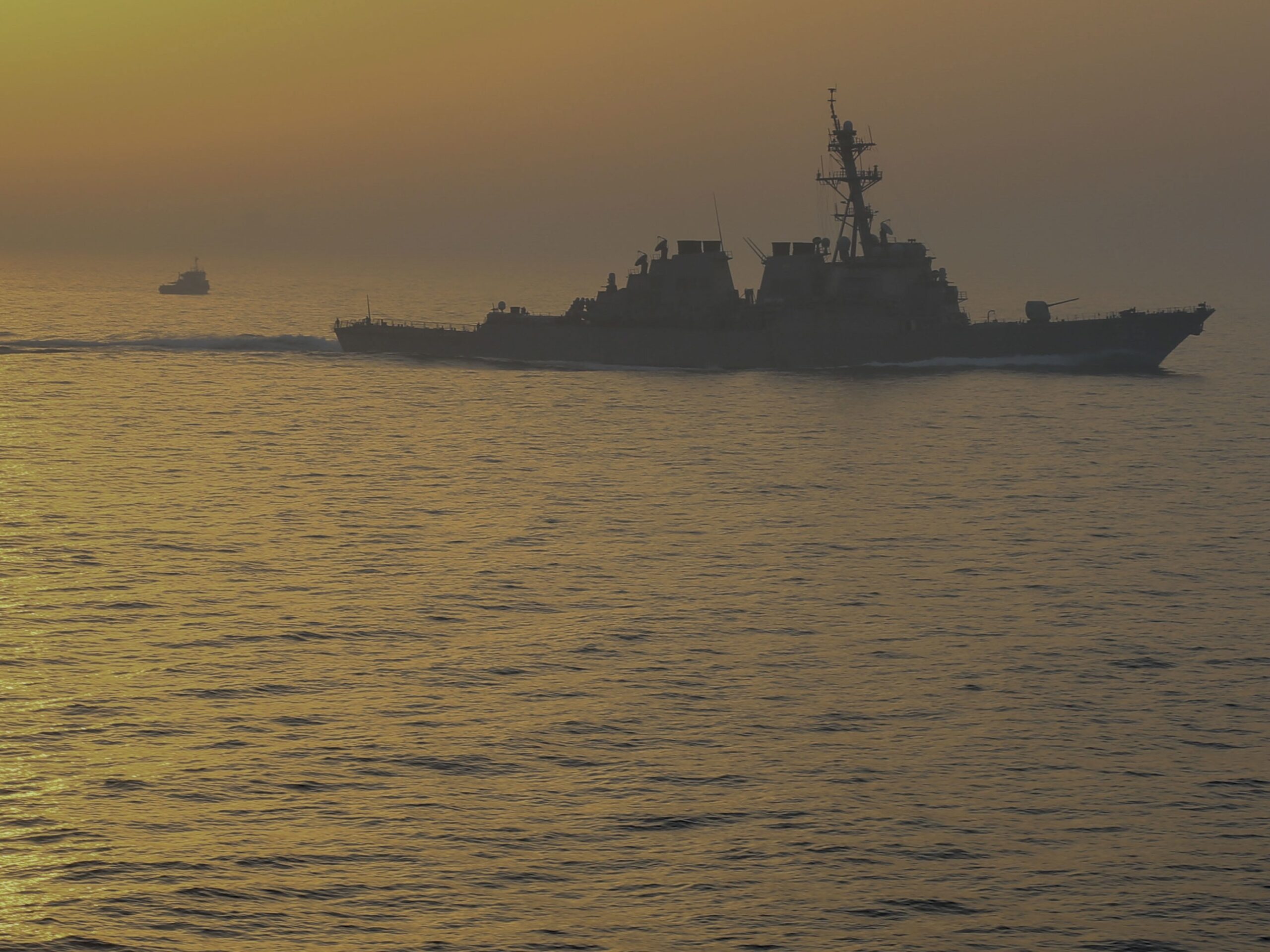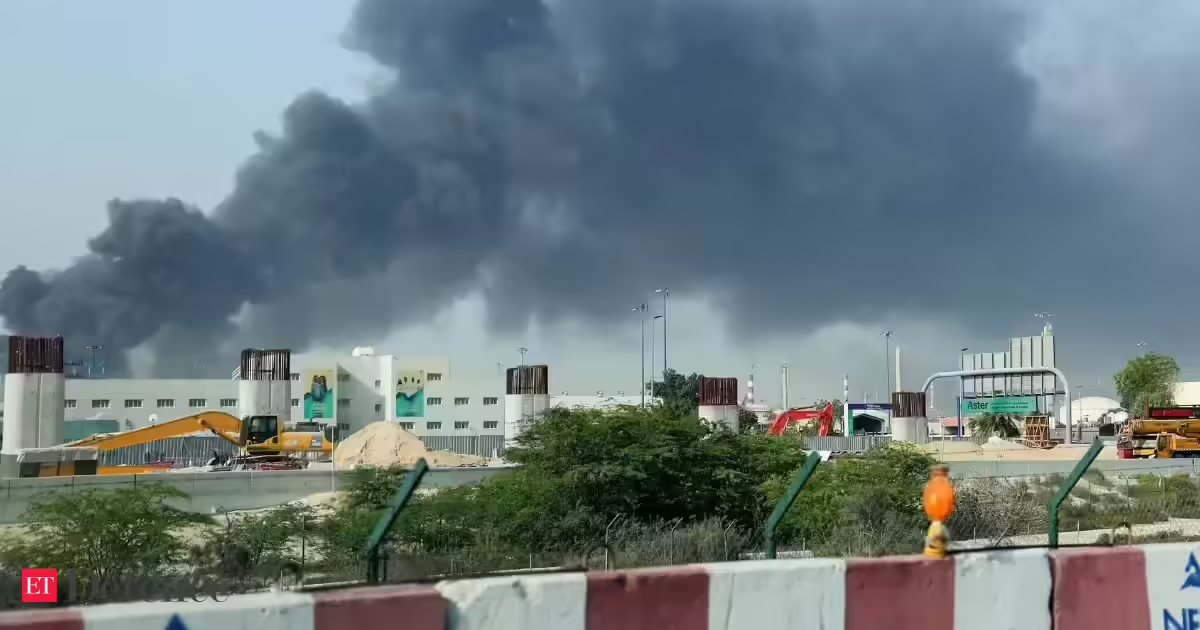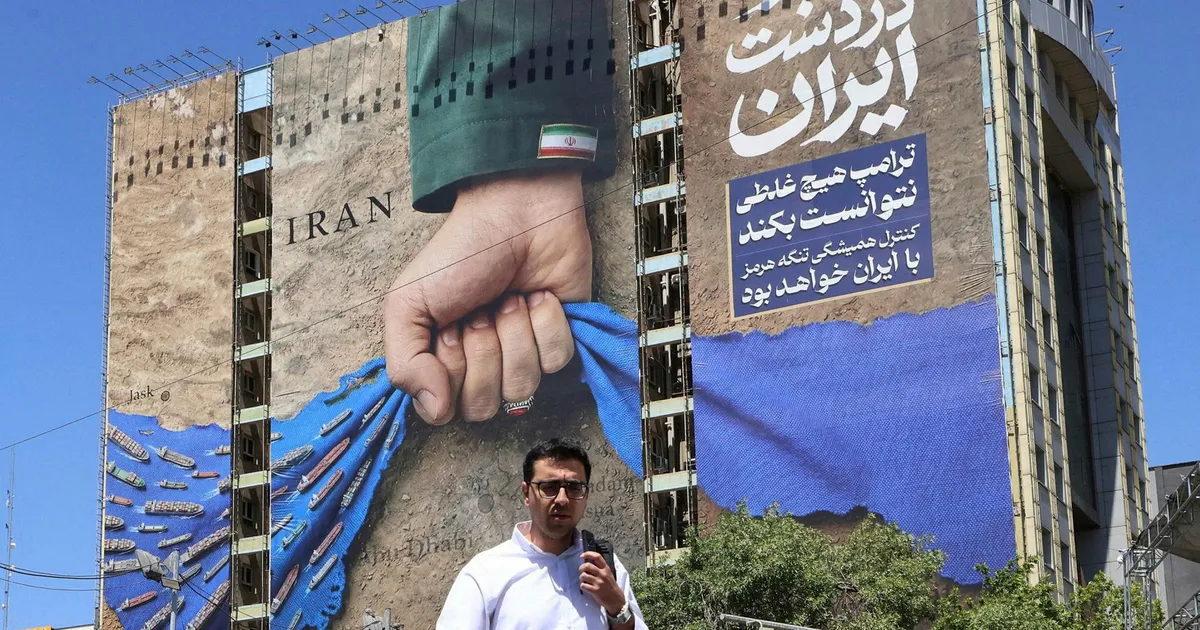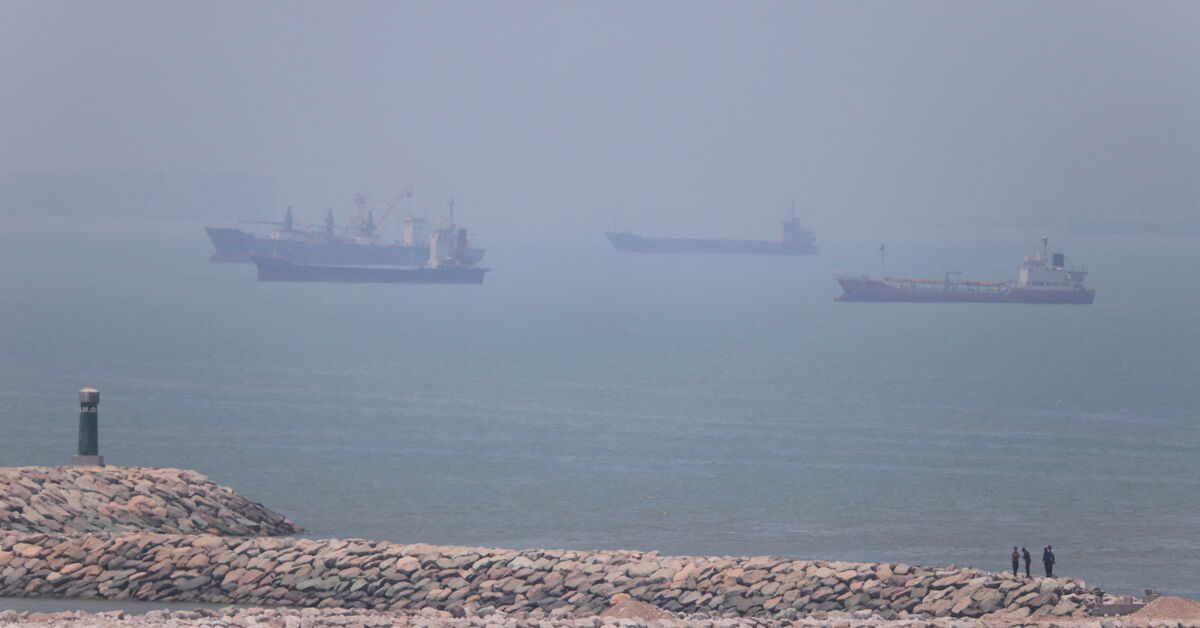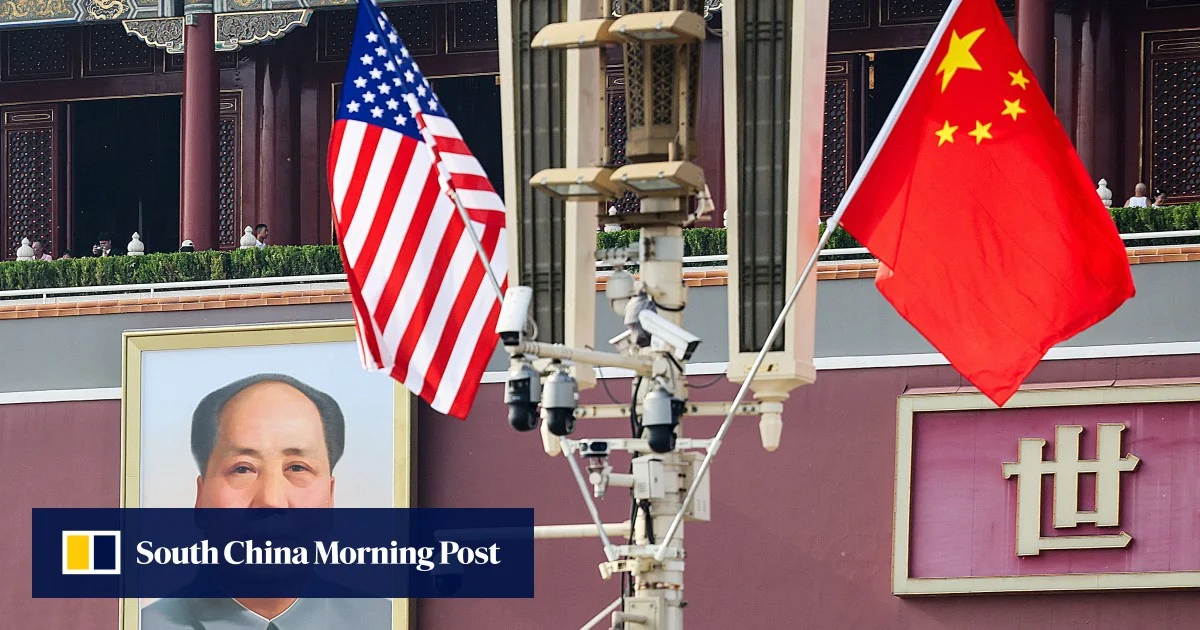
What is common between the draft Iran-US peace deal, killing of Indian sailors, the G7 Summit in France, and the export ban on Anthropic's latest upgrades? The testing limits of US unilateralism, its assertion and blowback, all indicating that trying to enlist compliance without collaboration is only going to rupture, not strengthen, US power.First, the Iran-US deal. What started as a US-Israel military campaign to effect a regime change and rollback of Iran's alleged nuclear weapons programme has veered around to a political deal to open the Strait of Hormuz. And, in doing so, the US has had to concede on regime survival, return to diplomacy on Iran's N-weapons programme, and give Teheran a chance to rebuild its economy.But, most importantly, the US was forced to prioritise global economic concerns that were also adversely impacting the US over plain military conquest, while Iran unabashedly leveraged its control over Hormuz. Yes, Tehran has lost significant political equity with the UAE and other GCC countries. But it seems to have successfully played its most valuable trump card against Trump to survive another day.Was this all worth it? This is the question India has been asking the US over the past few days as US attacks killed three Indian sailors. US wanted to enforce a blockade on ships crossing Hormuz with Iranian crude, knowing well that it may have to lift sanctions as part of the deal. Yet, it went hard against quiet ship-to-ship transfer of Iranian crude and intercepted boats.Things were still acceptable when the US intercepted two tankers, MT Tifani and Skyware Legacy, carrying Iranian crude, in the Indian Ocean. They boarded the ships, made certain that the Indian crew aboard had no link with any illegal activity, and arranged for their safe transfer to India. But within days, US decided to change tack and land projectiles on such tankers in Omani waters even as the deal was nearing closure. Whatever the illegality cited then, it clearly did not give US a free pass to fire at ships with innocents aboard.The broader issue is with the assumption that strategic partners will 'understand' the logic that any apparent non-compliance with US standing instruction to ships will result in direct attacks. India has officially protested, and escalated, the issue up the political ladder. This is bound to cast a shadow at the high-level bilateral interactions - regardless of the Iran-US deal - on the margins of the 3-day G7 at Evian-les-Bains that started yesterday. It will also raise difficult trust questions - especially when there's a workable Indo-Pacific collaborative model to emulate.G7 has a similar, but much broader and deeper, problem with US unilateralism. Though the US will go to the summit showcasing it has put oil-gas prices back to normalcy, uncertainty of the past 100 days won't be forgotten. Here, too, the question will be asked: was it worth it?Once a site to express Western solidarity, G7 is today a divided picture with countries trying to forge separate groupings to progress plans - without the US, where necessary. That trend is unlikely to change. Divisions over the US-Israel war on Iran, collateral benefit to Russia and the unending stalemate in Ukraine, complicated by China's ability to outdo the US, strikes at the fundamentals of what guides such a grouping.Most in G7 want full certitude around global economic activity, trade and energy prices, as well as secure critical supply chains. On each of these, there's a US way that's divergent and, in some cases, in complete conflict with G7's collaborative approaches. But now, other countries have started to assert. The most notable being the call to not participate in the war against Iran. This is not that it shielded anyone from dealing with the fallout. But neither has the outcome been an outright Trump triumph. Eventually, all wanted a way out.That the US has hit the limits of Trumpian unilateralism is also visible from how China has managed its play. Each deal with Xi has been a bargain for Trump, a message that has been politically the starkest in the tech world, where the US system had an edge, and was gearing up to take on China.This is what provides important political context to the US decision on banning export of Anthropic's latest AI models. The Trump regime had surprised its partners and allies when it eased Biden-era restrictions on letting Chinese companies access high-end Nvidia chips. But the effort didn't yield much political capital for Washington, as Beijing saw it as a deal for easing supply of rare earth magnets to the US.So, yes, the urge for extending and expanding sovereign power on new digital tech is now a political imperative for the US. Because, from China, it has learnt the political value of state control over tech supply chains. The merit of the Anthropic case is different from its political messaging. Which has prompted a debate on building sovereign AI across emerging countries.But just as with building alternatives to energy resources and supply chains, the tech world also requires collaboration. So, will the US return to its collaborative ecosystem in security, economic and tech cooperation now that it has an Iran exit deal? Trump's political instinct may be different. But realities have brought home a harder truth than expected.
Straitjacket of Washington: Limits of US unilateralism are evident in consequences of its deal with Iran - The Economic Times
US actions are testing global limits. Iran deal, Indian sailor deaths, G7 summit divisions and tech export bans are among the top examples of this. Trying to force compliance without collaboration is weakening US influence. This approach is causing friction and raising trust issues.
878 words~4 min read