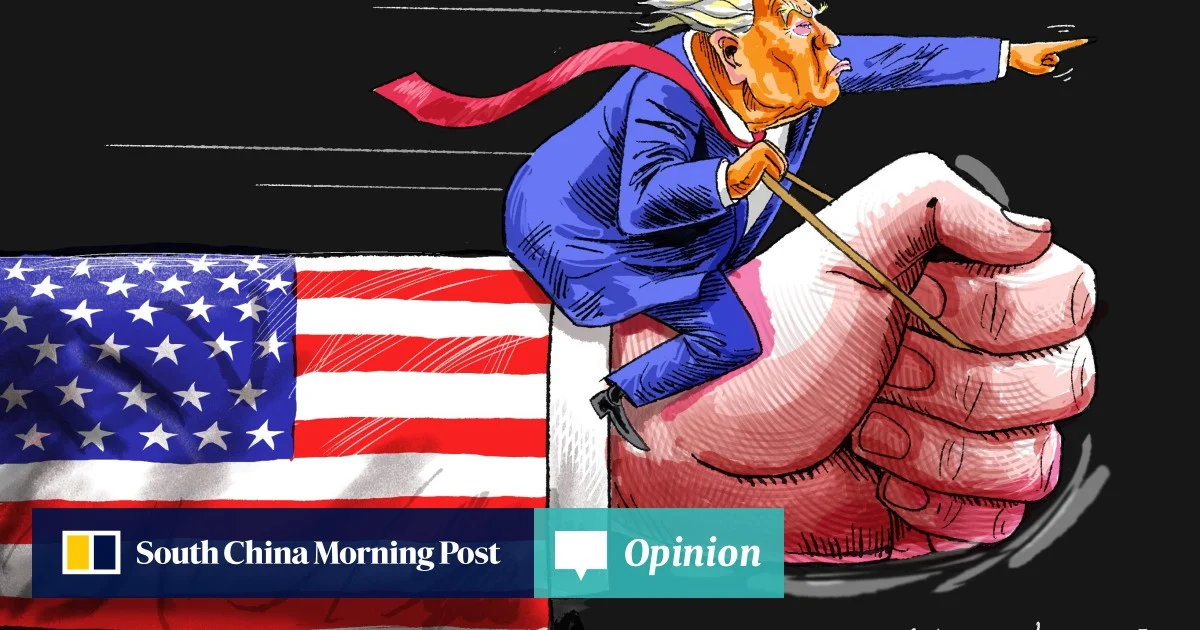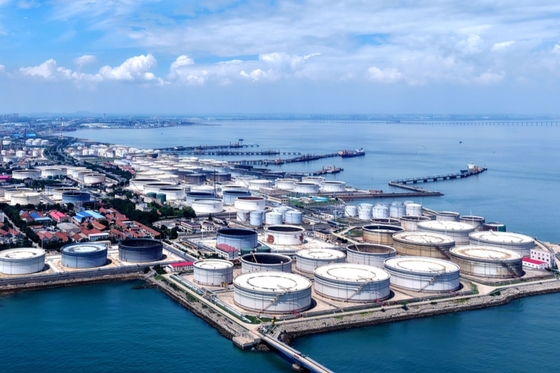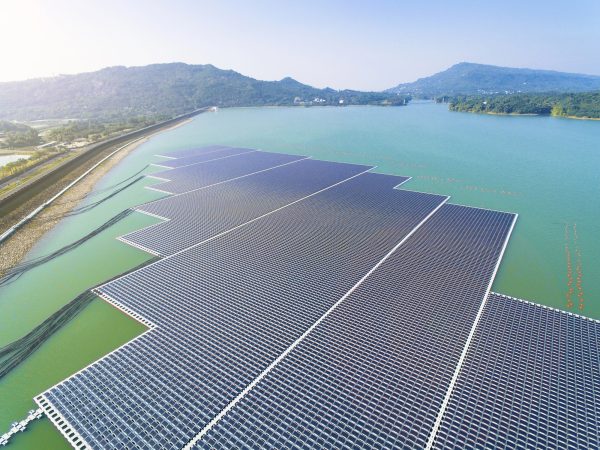
U.S. President Donald Trump’s declaration of a national energy emergency on his first day back in office framed fossil fuel production as a geopolitical weapon. According to Trump, “energy dominance” – flooding global markets with American oil and liquefied natural gas (LNG) – would reassert American power, undercut China’s clean technology leverage and discipline allies into dependence. Eighteen months on, the doctrine is revealing some of its contradictions, and nowhere more acutely than in Taiwan.
The numbers behind assertions of U.S. dominance are real. Boosted by the shale revolution initiated in 2005, oil and gas production has reached record highs, with over 13.6 million barrels of oil per day in 2025. U.S. LNG exports already commanded roughly one-third of the global market before the Hormuz crisis and the EU could depend on the United States for 80 percent of its LNG imports by 2028.
Yet, producing large amounts of oil and gas is not the same as having strategic control. Prices are also determined by OPEC+ decisions, shipping chokepoints, and the accelerating uptake of renewables. These are factors Washington has found difficult to control despite U.S. efforts at obstructing global climate action, pressuring European countries to eschew Russian gas and sanctioning, toppling, or killing the leadership of petrostates deemed too close to China.