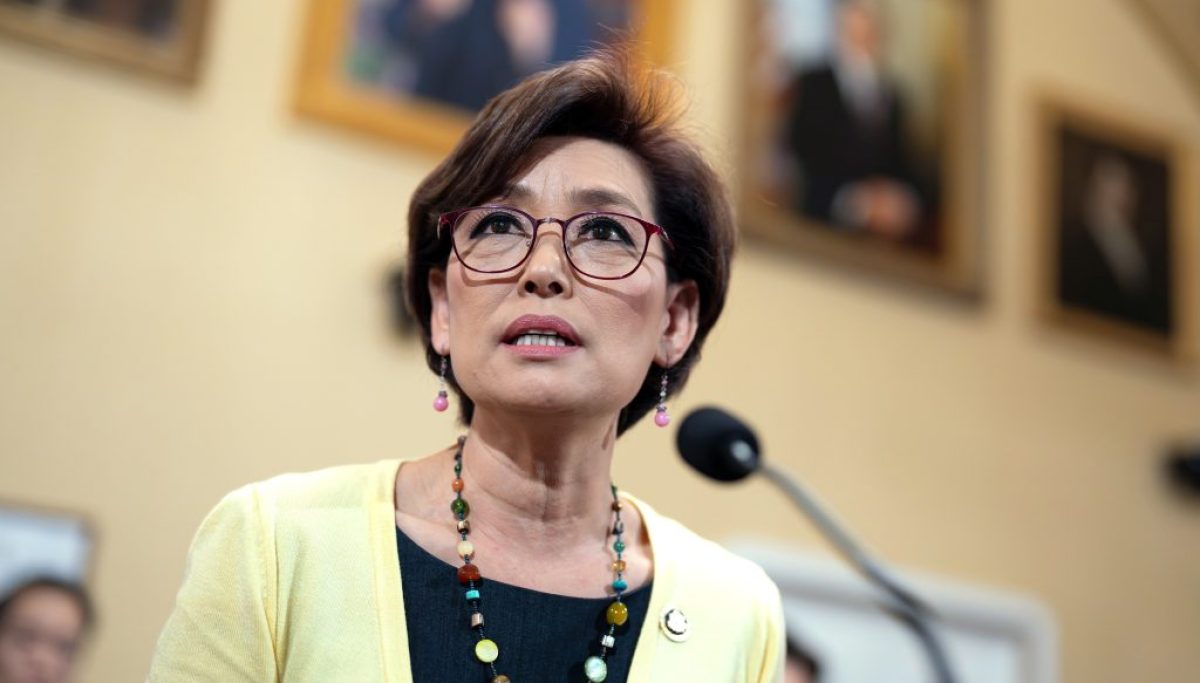
This week, the US House of Representatives passed the DOMINANCE Act, a bipartisan measure aimed at reducing the United States’ energy vulnerability. For US Representative Young Kim (R-CA-40)—who introduced the bill—the bill’s progress was especially timely.
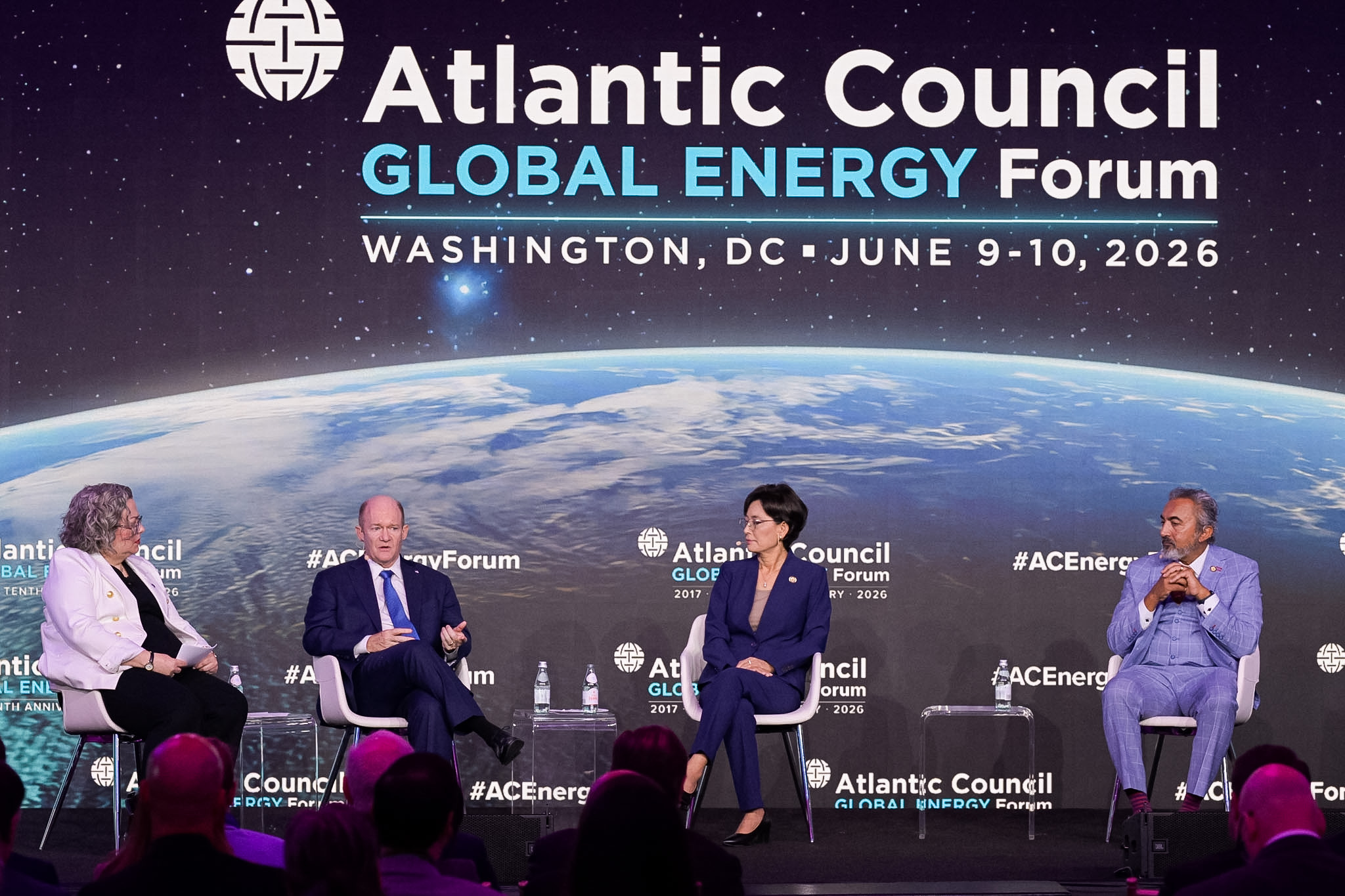
From China’s imposition of critical-mineral export restrictions last year to Iran’s clutch on the Strait of Hormuz, “we saw the vulnerability,” she explained at the Atlantic Council’s Global Energy Forum on Wednesday.
But for US Representative Ami Bera (D-CA-6), who introduced the bill alongside Kim, “the real wake-up call was the pandemic,” which caused a “massive supply chain disruption”—even if no “economic coercion” was involved. “We realized our total dependence on a single nation, in this case, China.”
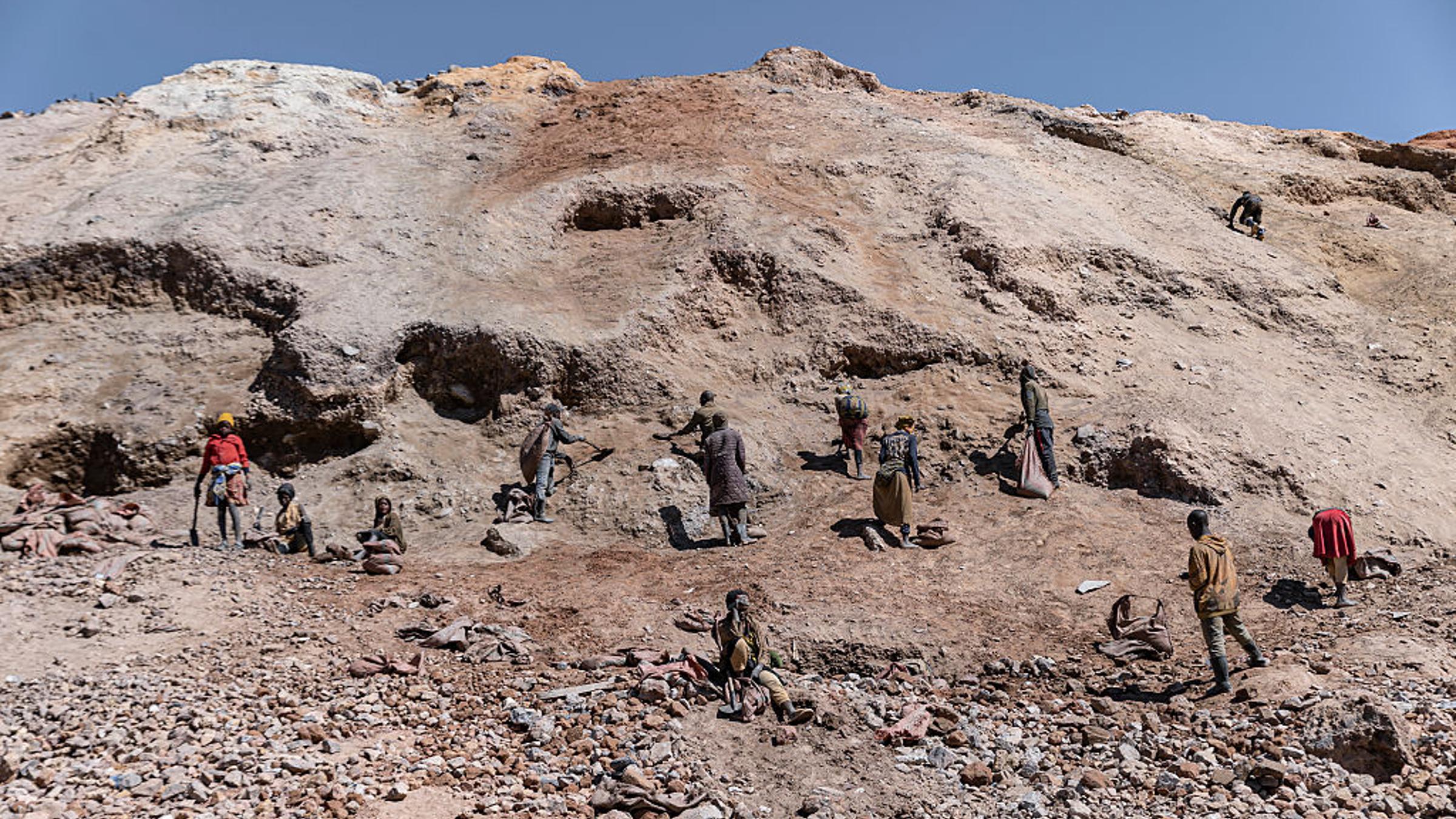
The DOMINANCE Act, which now heads to the Senate, focuses closely on critical minerals, which play a crucial role in American energy technologies. The Senate, meanwhile, is working on the Energy Security Pacts Act, which would establish tools to coordinate US foreign investments in partner countries’ energy systems.
Senator Chris Coons (D-DE), who introduced the bill alongside Senator Pete Ricketts (R-NE), also spoke on the Global Energy Forum stage. He explained that when it comes to reducing the US reliance on its competitors for energy and critical minerals, “we cannot move fast enough, but we can move faster.”