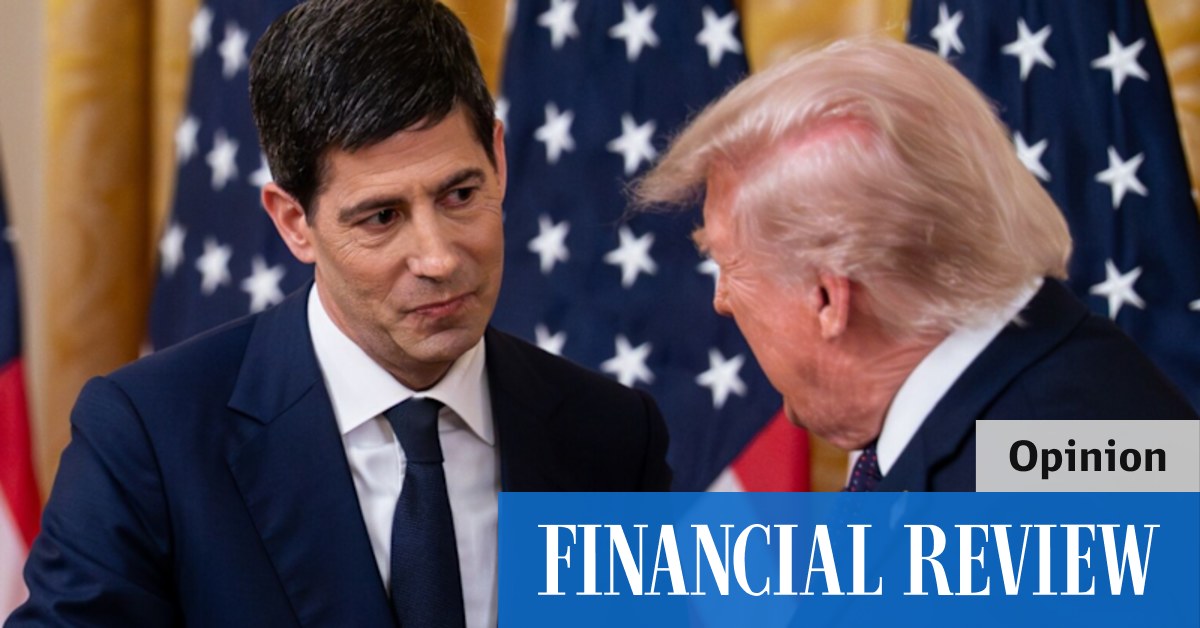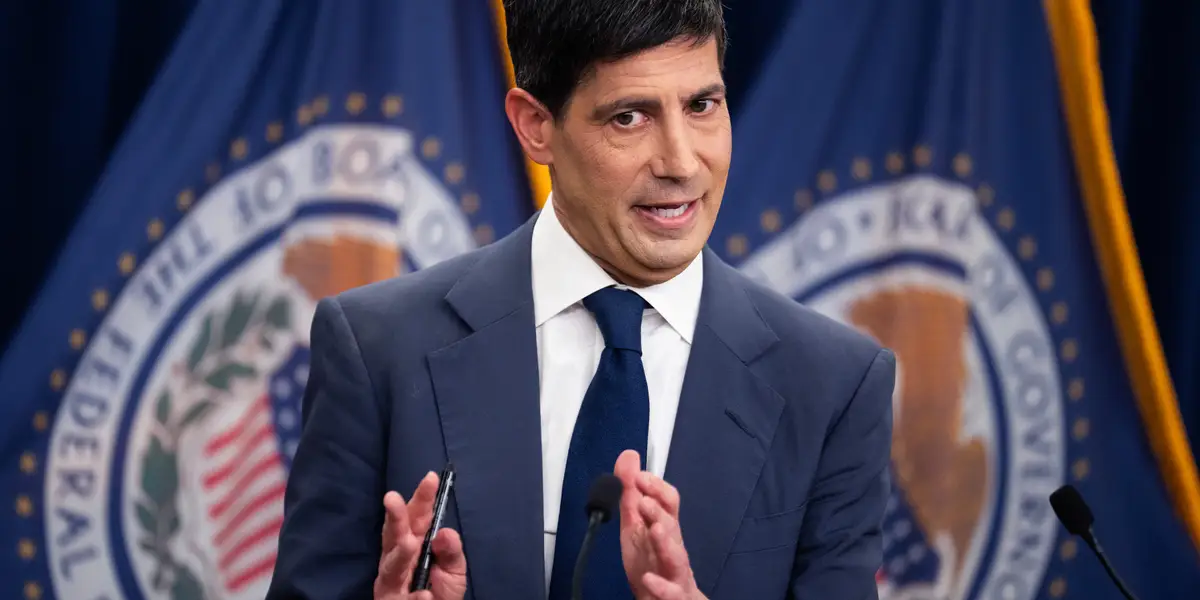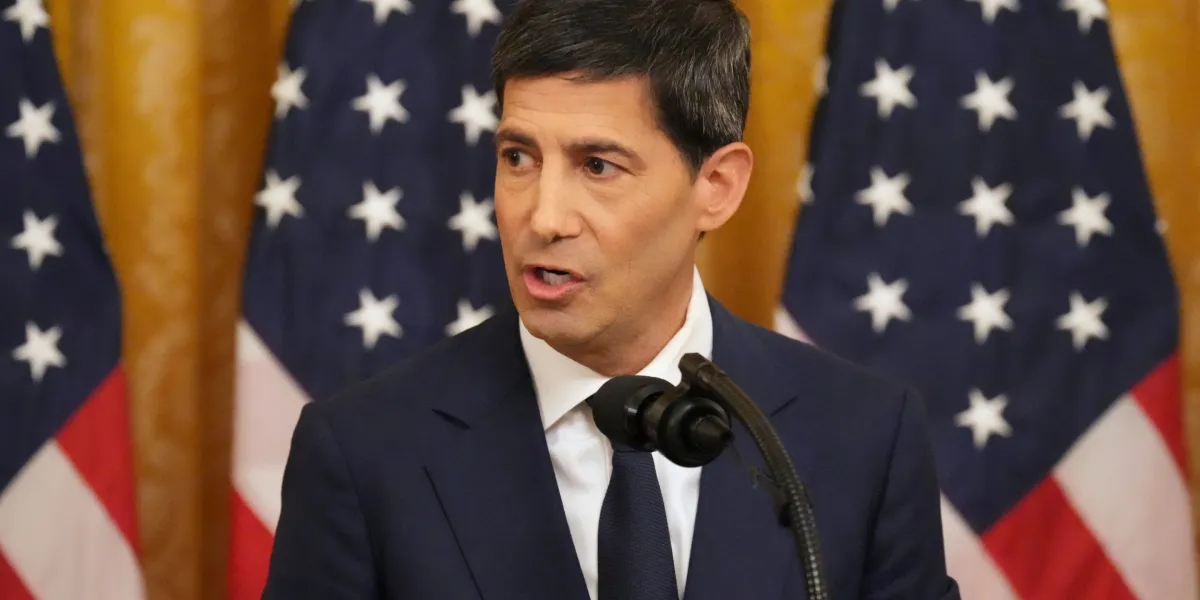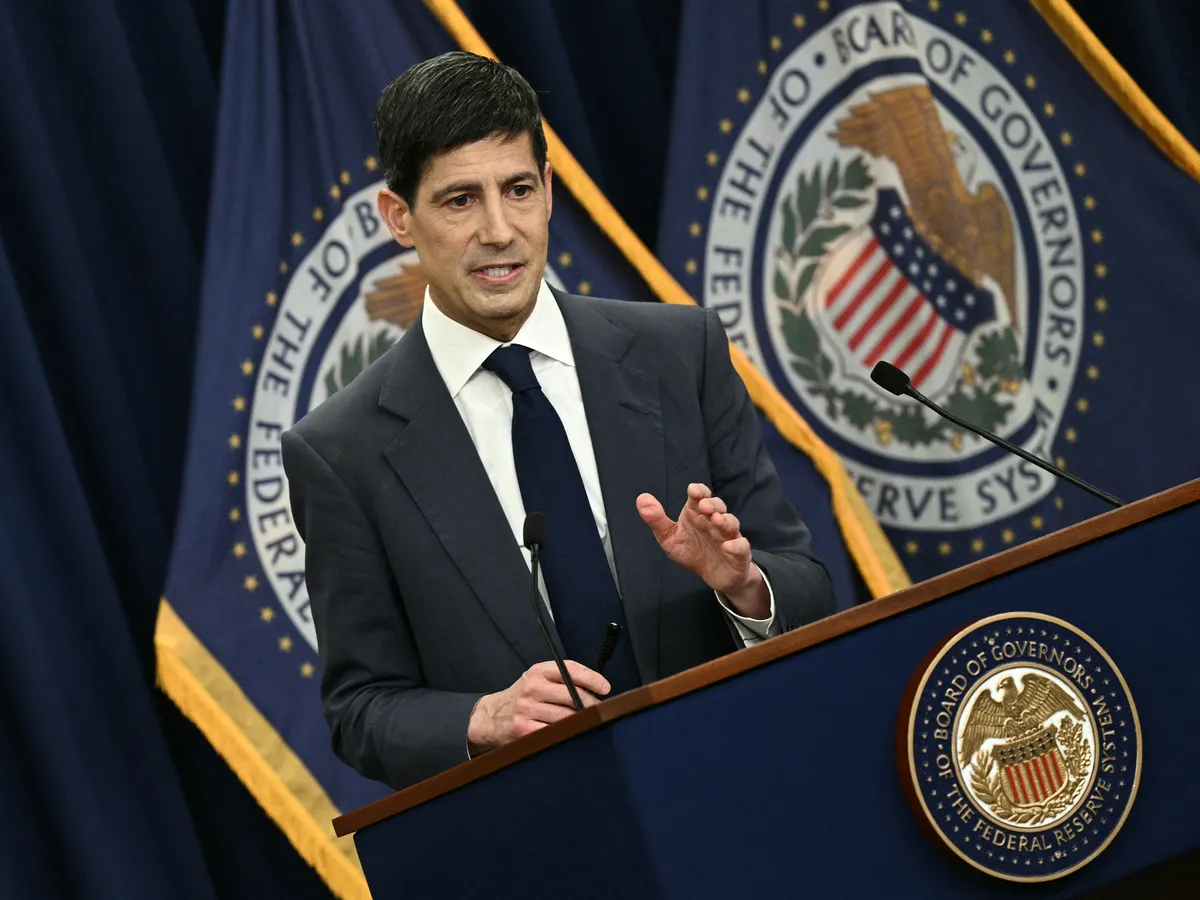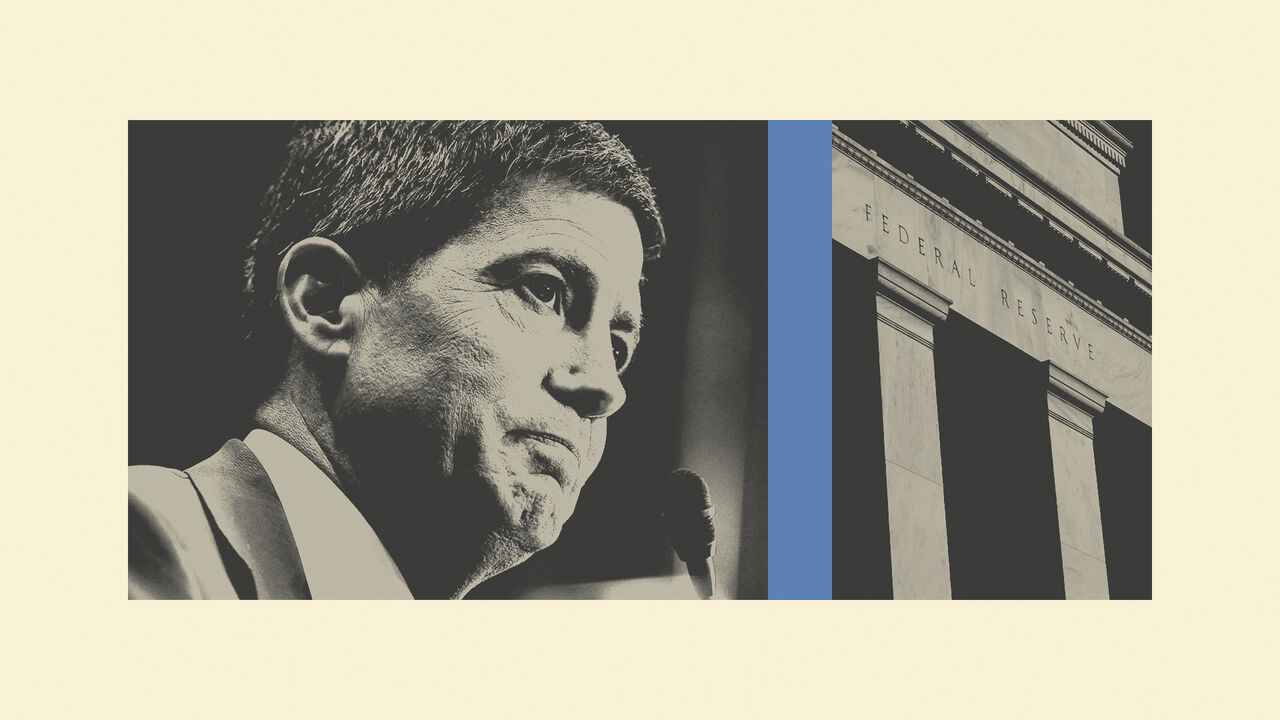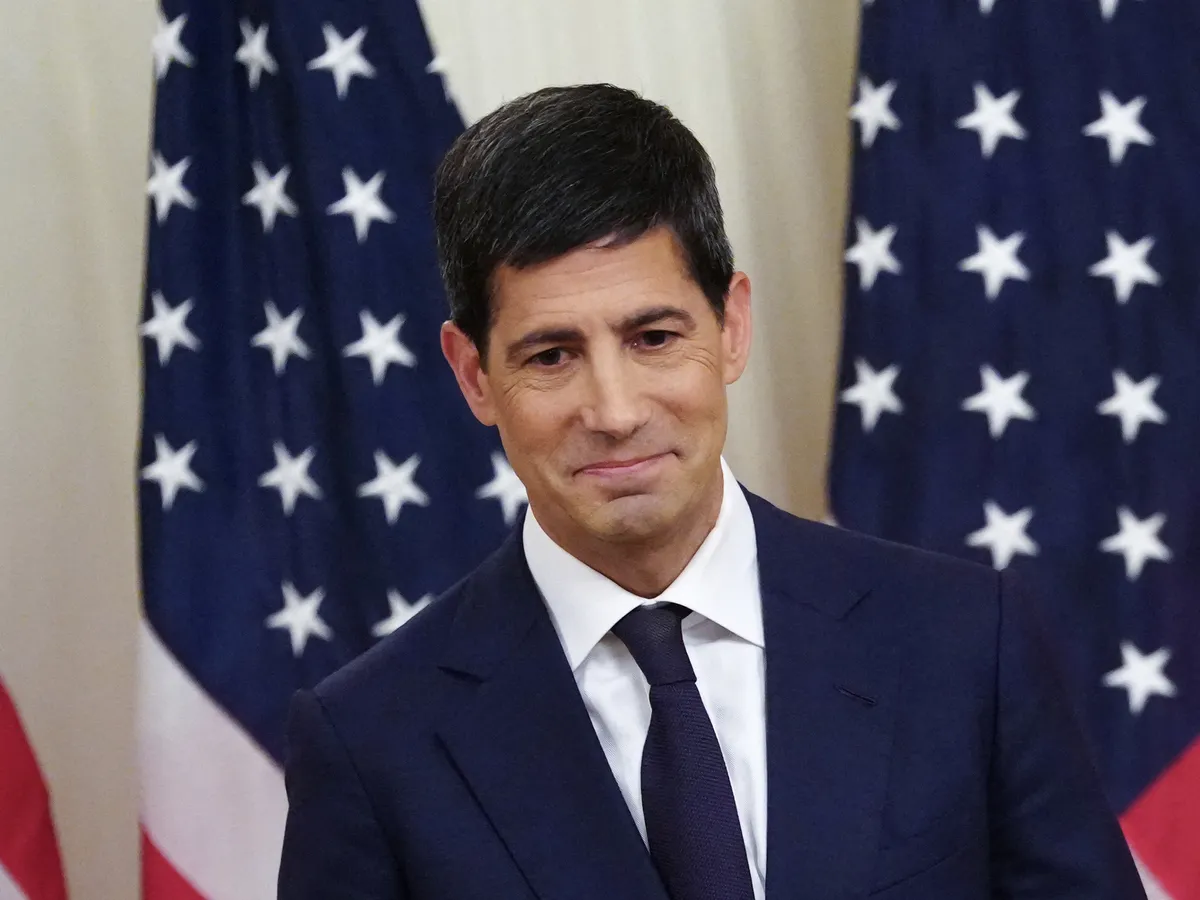
Skip to Content News Archives Economy Energy Oil & Gas Renewables Electric Vehicles Mining Commodities Agriculture Real Estate Mortgages Mortgage Rates Finance Banking Insurance Fintech Cryptocurrency Work Wealth Smart Money Wealth Management Investor Personal Finance Family Finance Retirement Taxes High Net Worth FP Comment Executive Women Puzzmo Newsletters Financial Times Business Essentials More Innovation Information Technology FP500 Podcasts Small Business Lives Told Tails Told Shopping Financial Post Store Obituaries Place a Notice Advertising Advertising With Us Advertising Solutions Postmedia Ad Manager Sponsorship Requests Classifieds Place a Classifieds ad Working Profile Settings My Subscriptions Saved Articles My Offers Newsletters Customer Service FAQ News Economy Energy Mining Real Estate Finance Work Wealth Investor FP Comment Executive Women Puzzmo Newsletters Financial Times Business Essentials HomeFinancial TimesThe populist case for ending easy money nowWhy Kevin Warsh's first big act at the Fed should be a rate hikeAuthor of the article:Last updated 1 hour ago You can save this article by registering for free here. Or sign-in if you have an account.Having promised reform, Kevin Warsh could begin by ending the Fed's easy-money bias and tightening monetary policy now. Photo by Aaron Schwartz/AFP via Getty ImagesThe writer is chair of Rockefeller International. His latest book is ‘What Went Wrong With Capitalism’Subscribe now to read the latest news in your city and across Canada.Exclusive articles from Barbara Shecter, Joe O'Connor, Gabriel Friedman, and others.Daily content from Financial Times, the world's leading global business publication.Unlimited online access to read articles from Financial Post, National Post and 15 news sites across Canada with one account.National Post ePaper, an electronic replica of the print edition to view on any device, share and comment on.Daily puzzles, including the New York Times Crossword.Subscribe now to read the latest news in your city and across Canada.Exclusive articles from Barbara Shecter, Joe O'Connor, Gabriel Friedman and others.Daily content from Financial Times, the world's leading global business publication.Unlimited online access to read articles from Financial Post, National Post and 15 news sites across Canada with one account.National Post ePaper, an electronic replica of the print edition to view on any device, share and comment on.Daily puzzles, including the New York Times Crossword.Create an account or sign in to continue with your reading experience.Access articles from across Canada with one account.Share your thoughts and join the conversation in the comments.Enjoy additional articles per month.Get email updates from your favourite authors.Create an account or sign in to continue with your reading experience.Access articles from across Canada with one accountShare your thoughts and join the conversation in the commentsEnjoy additional articles per monthGet email updates from your favourite authorsSign In or Create an AccountorThis week Kevin Warsh leads his first meeting as chair of the Federal Reserve, and he should start by making the central bank do the job it has been failing at for years.That job is to set interest rates at a level that will maximize employment and stabilize prices. Over time, the Fed has come to worry only about jobs and make excuses for inflation — in short, showing a bias for easy money that has lately hit historic extremes.The economy has hovered near full employment for 55 consecutive months, yet the Fed has missed its inflation target for 63 straight months. Few central banks have matched that record of failure on inflation; in the United States, the only comparable episode was during the Great Inflation of the 1970s.Get the latest headlines, breaking news and columns.By signing up you consent to receive the above newsletter from Postmedia Network Inc.A welcome email is on its way. If you don't see it, please check your junk folder.The next issue of Top Stories will soon be in your inbox.We encountered an issue signing you up. Please try againEven the Fed’s two per cent inflation target is arguably too high. At that rate inflation erodes savings and purchasing power “dramatically” over time, according to Warren Buffett, who knows the impact of compounding and prefers a “zero inflation target”. Populists of the left and right tend to push for lower interest rates but appear not to recognize that the people hurt most by the resulting inflation are their main constituents: the poor and middle class.Imagine if recent U.S. job reports had come in weak instead of strong — the clamour for rate cuts would be deafening. Now, core inflation is stuck around three per cent. So far this decade, consumer prices have risen by 30 per cent, and the rising cost of living is the single hottest issue in American politics. Yet there’s no outcry for rate hikes, or hard money now. There should be.The easy money camp keeps saying inflation will pass after the supply shock of the moment, whether it’s the pandemic, Donald Trump’s tariffs, or the Iran war. But there will always be a shock on the horizon; the next one could be El Niño. The Fed cannot keep accommodating each one.Meanwhile U.S. politicians have come to resist rate hikes as a matter of course, on the grounds that someone will get hurt. But high prices are causing more pain than high rates are. Were it not for persistently high inflation, U.S. real wages would be rising, and fewer Americans would be falling behind on mortgage, credit card and car loans. A study by the Fed traced the surge in car loan defaults not to higher borrowing costs, but to the fact that recent buyers had to take out bigger loans to cover rising sticker prices, which by one measure are up 40 per cent this decade.Then there is the biggest excuse of all: AI. In the 1990s, Fed chair Alan Greenspan defended his embrace of easy money by saying the internet would raise productivity and contain inflation. Now, some of his successors — including Warsh — see similar potential in AI, and they may well be right in the long run. For now, however, the impact is inflationary, as the billions Big Tech firms are spending on it push up prices for electricity, compute, semiconductors, and much else.Beyond jobs and inflation, the Fed has a widely recognized but unwritten “third mandate”, which is to stabilize the financial system. A Fed index, which includes measures of borrowing costs as well as prices for stocks, houses and the dollar, suggests financial conditions have rarely been this loose. Nominal interest rates are below the rate of nominal GDP growth, a classic recipe for capital misallocation.Asset prices are running wild — to the benefit mainly of the very rich, who in turn think the Fed will always be there to bail them out at the slightest hint of trouble. In effect, the central bank has socialized market losses, while placing no cap on gains.While inflation has not yet gone out of control the way it did in the 1970s, the system is more vulnerable today. Financial markets are much larger as a share of the economy, and so are the U.S. deficit and debt. Against this backdrop, the U.S. cannot afford a return to the dark days of 1979, when Fed chair Paul Volcker began a series of sharp rate hikes to slow the Great Inflation. The damage would be much greater. By one count, a stock market bust just half as deep as those of 2001 and 2008 would generate a similarly large negative wealth effect; and even a 15 per cent drop in the S&P 500 could slow U.S. growth by nearly half.Better to act now before a bigger rise in inflation forces the Fed to jack up rates more aggressively. Instead, by keeping real rates near zero, the Fed is in effect accommodating the deficit, adding fuel to both consumer and asset price inflation. The longer this goes on, the greater the risks to the system.Warsh is an admirer of Volcker, and a vocal critic of how the Fed’s expansive policies have distorted financial markets. Lately, his calls for reform have focused on reducing the size of the Fed balance sheet, which has expanded massively since the global financial crisis in 2008. That may be a reform worth trying, but it is an experiment that would take time to design and implement. The threat to price stability is urgent.Warsh would face resistance from Trump, but the president has no real answer to the argument that inflation acts as a regressive tax on his populist base — should Warsh choose to make it. Having promised reform, Warsh could begin by ending the Fed’s easy-money bias and tightening monetary policy now.© 2026 The Financial Times Ltd Join the Conversation This website uses cookies to personalize your content (including ads), and allows us to analyze our traffic. Read more about cookies here. By continuing to use our site, you agree to our Terms of Use and Privacy Policy.
The populist case for ending easy money now
This week Kevin Warsh leads his first meeting as Federal Reserve chair, and he should start by making the central bank do its job. Read on
TL;DRAI
Kevin Warsh, new Fed chair, should hike rates: inflation has beat the 2% target for 63 months straight; prices up 30% this decade. For tech leaders, easy money erodes real wages and delays M&A; rate discipline restores market credibility for capital planning.
1,459 words~7 min read