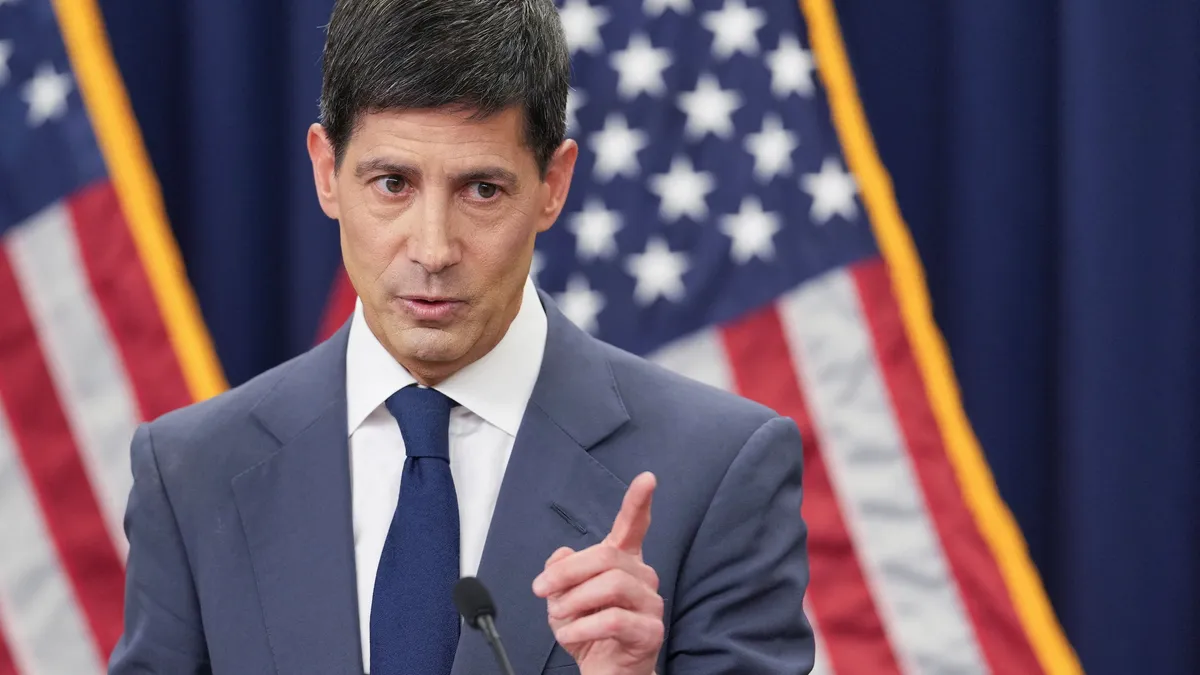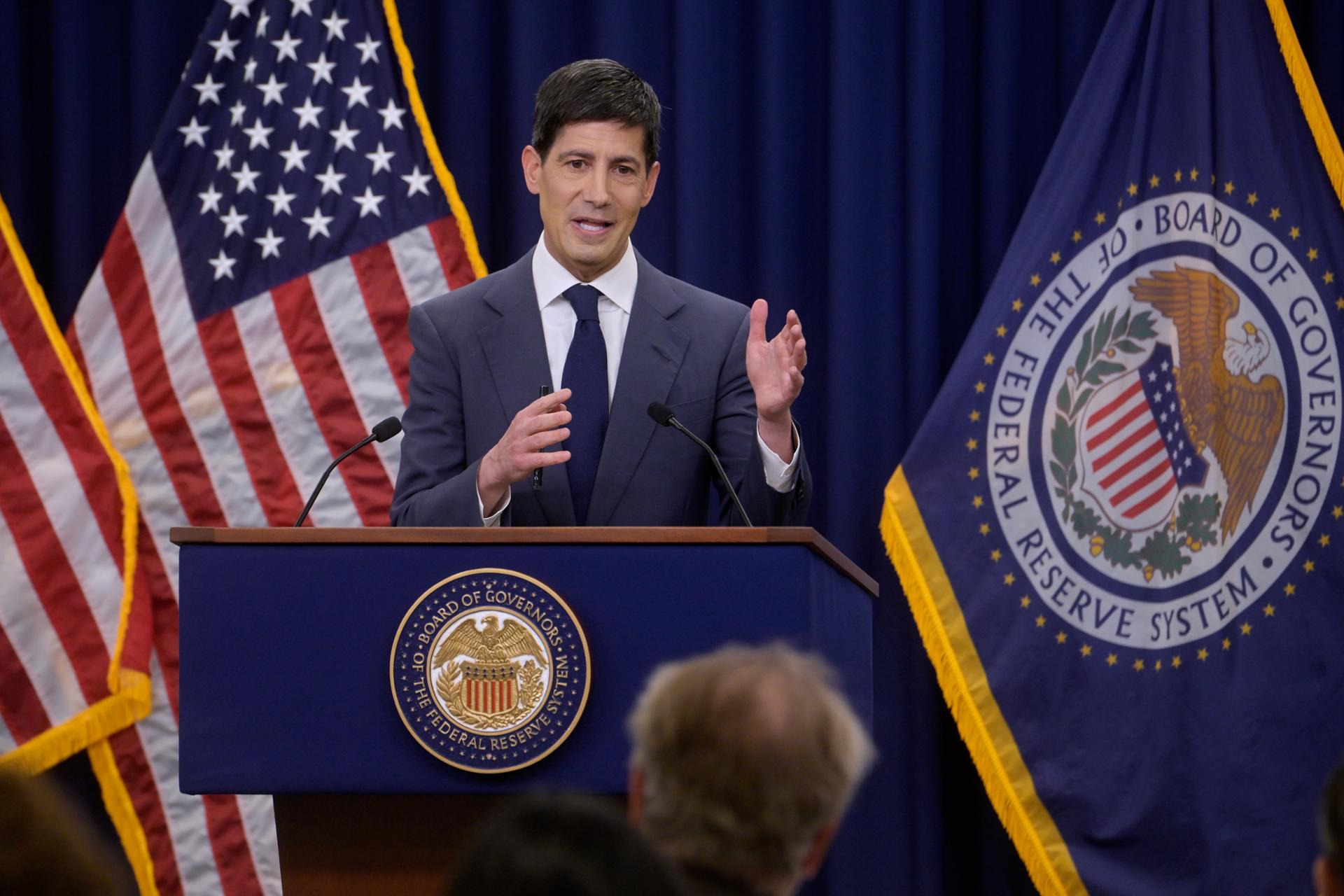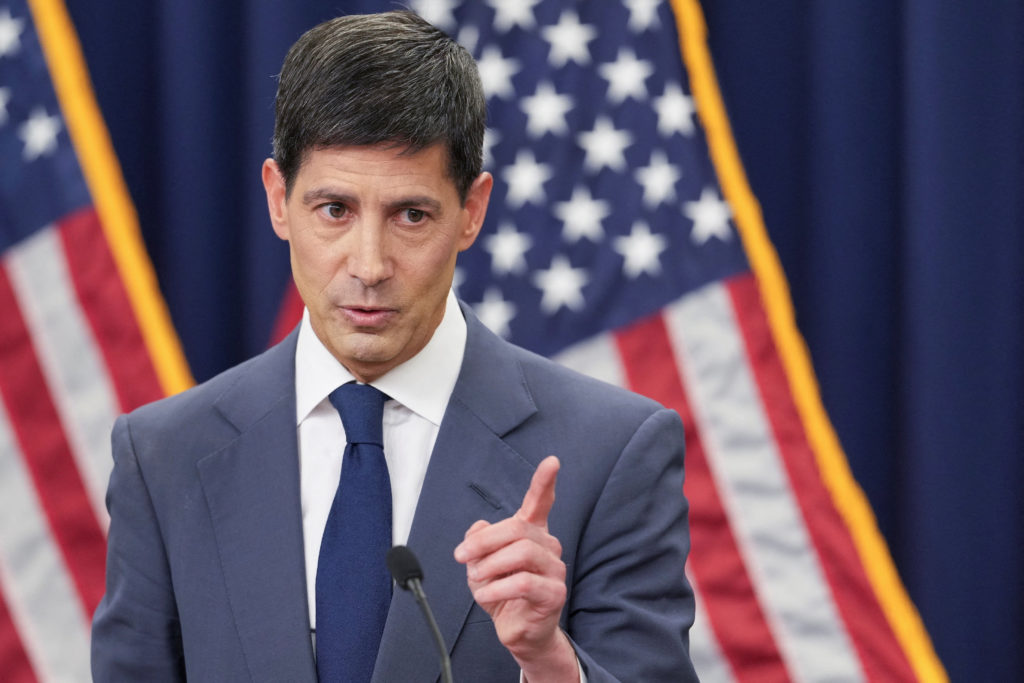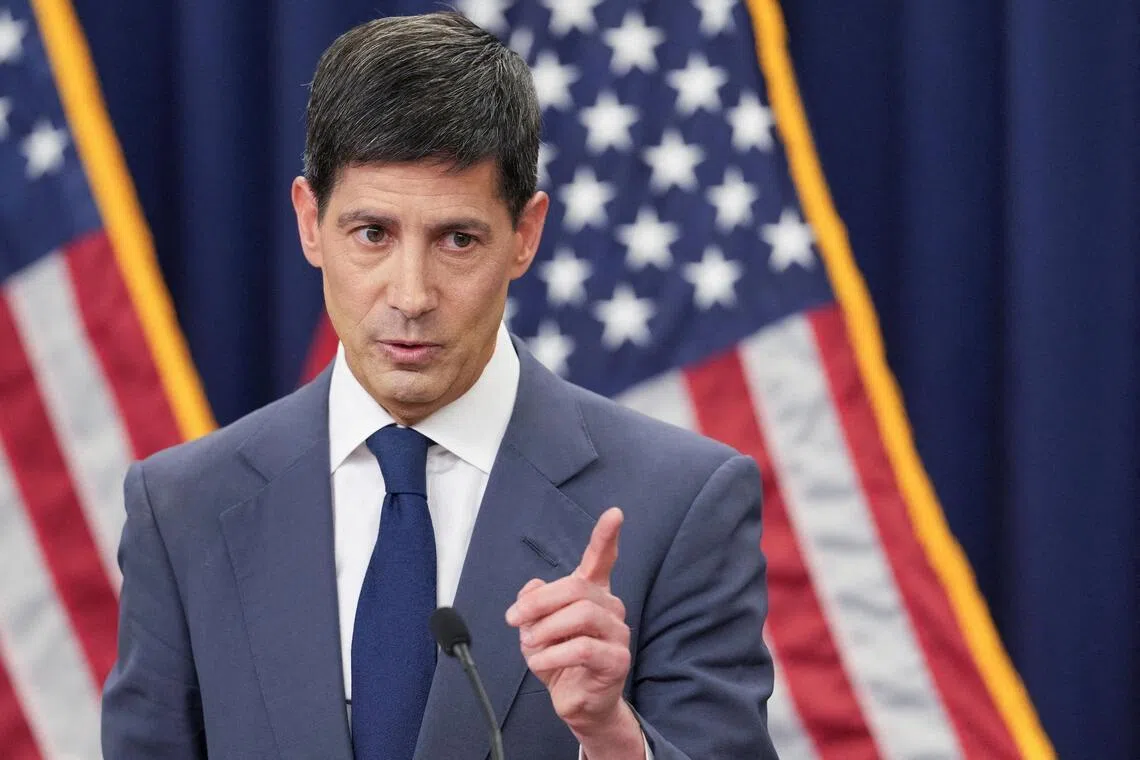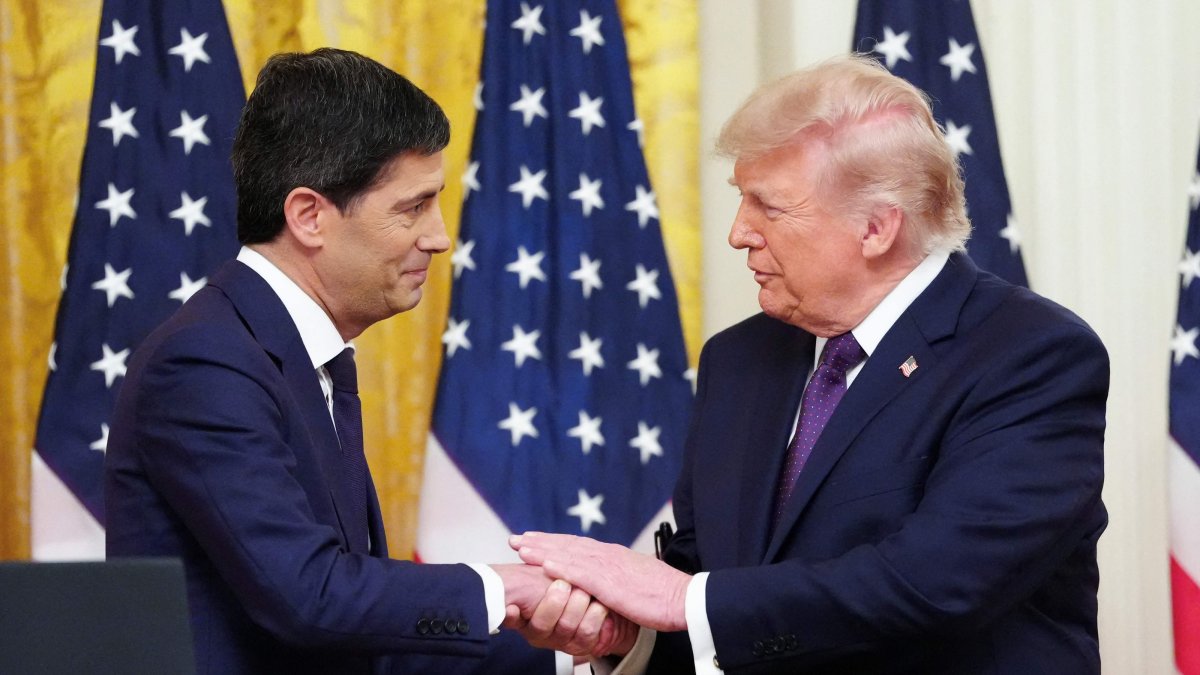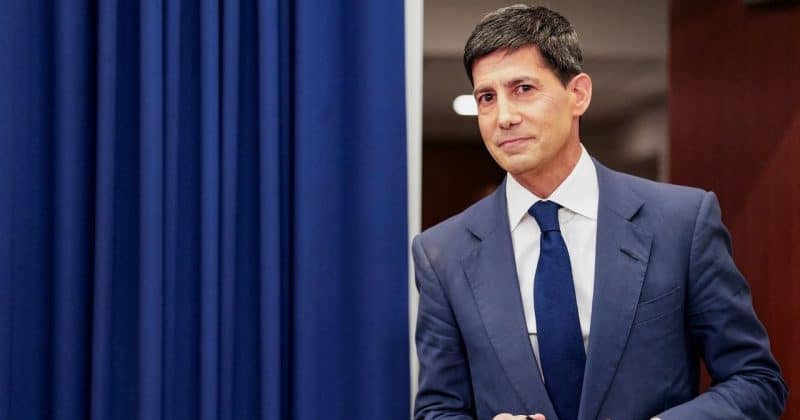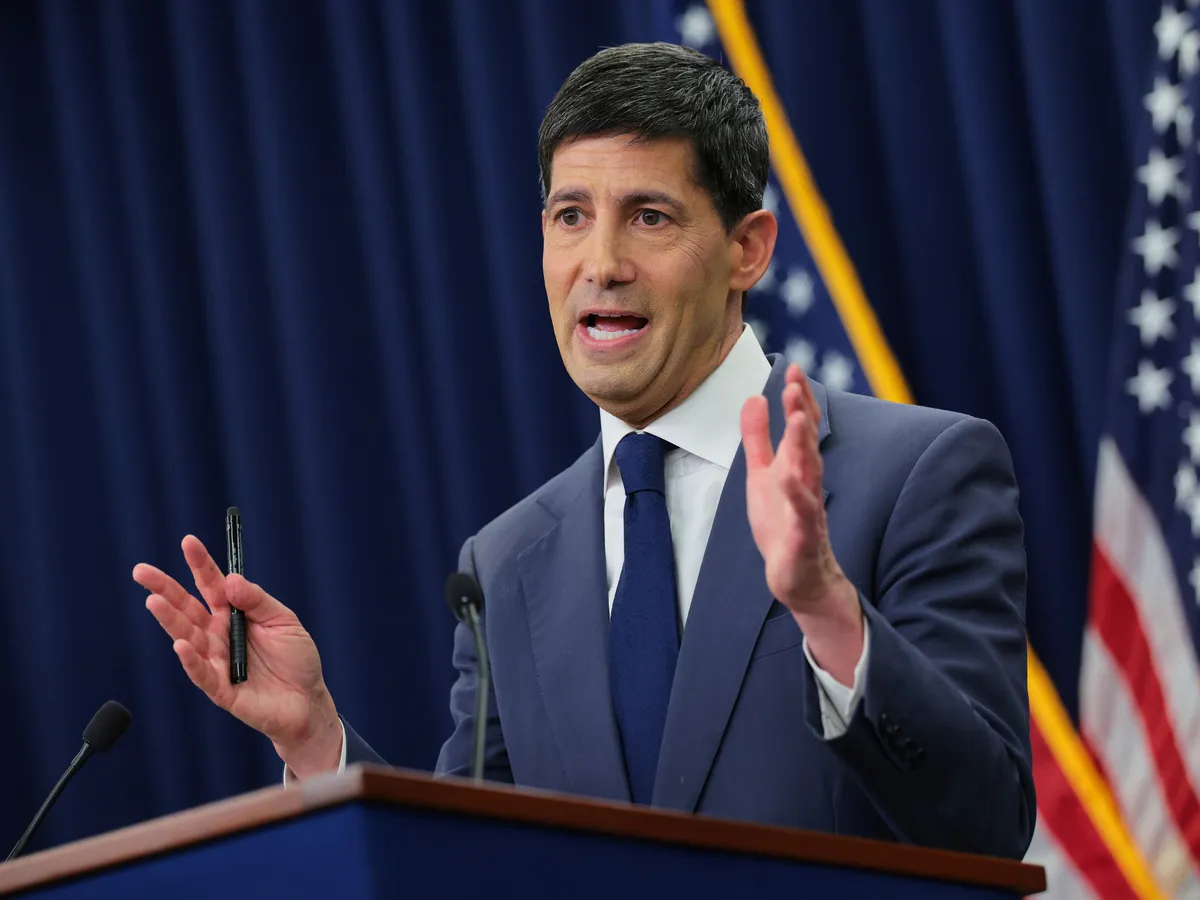
Skip to Content News Archives Economy Energy Oil & Gas Renewables Electric Vehicles Mining Commodities Agriculture Real Estate Mortgages Mortgage Rates Finance Banking Insurance Fintech Cryptocurrency Work Wealth Smart Money Wealth Management Investor Personal Finance Family Finance Retirement Taxes High Net Worth FP Comment Executive Women Puzzmo Newsletters Financial Times Business Essentials More Innovation Information Technology FP500 Podcasts Small Business Lives Told Tails Told Shopping Financial Post Store Obituaries Place a Notice Advertising Advertising With Us Advertising Solutions Postmedia Ad Manager Sponsorship Requests Classifieds Place a Classifieds ad Working Profile Settings My Subscriptions Saved Articles My Offers Newsletters Customer Service FAQ News Economy Energy Mining Real Estate Finance Work Wealth Investor FP Comment Executive Women Puzzmo Newsletters Financial Times Business Essentials HomeNewsEconomyNew Fed chair shows his influence even as U.S. policymakers hold rates againRemoved language previously used to flag the likelihood of rate cuts this year and any guidance on future rate moves You can save this article by registering for free here. Or sign-in if you have an account.United States Federal Reserve chair Kevin Warsh speaks to reporters during his first news conference since taking the helm at the central bank on June 17 in Washington, D.C. Photo by Chip Somodevilla/Getty ImagesThe United States Federal Reserve is already showing early signs of new chair Kevin Warsh‘s influence after policymakers unanimously voted to hold interest rates steady between 3.5 per cent and 3.75 per cent for the fourth consecutive meeting on Wednesday.Subscribe now to read the latest news in your city and across Canada.Exclusive articles from Barbara Shecter, Joe O'Connor, Gabriel Friedman, and others.Daily content from Financial Times, the world's leading global business publication.Unlimited online access to read articles from Financial Post, National Post and 15 news sites across Canada with one account.National Post ePaper, an electronic replica of the print edition to view on any device, share and comment on.Daily puzzles, including the New York Times Crossword.Subscribe now to read the latest news in your city and across Canada.Exclusive articles from Barbara Shecter, Joe O'Connor, Gabriel Friedman and others.Daily content from Financial Times, the world's leading global business publication.Unlimited online access to read articles from Financial Post, National Post and 15 news sites across Canada with one account.National Post ePaper, an electronic replica of the print edition to view on any device, share and comment on.Daily puzzles, including the New York Times Crossword.Create an account or sign in to continue with your reading experience.Access articles from across Canada with one account.Share your thoughts and join the conversation in the comments.Enjoy additional articles per month.Get email updates from your favourite authors.Create an account or sign in to continue with your reading experience.Access articles from across Canada with one accountShare your thoughts and join the conversation in the commentsEnjoy additional articles per monthGet email updates from your favourite authorsSign In or Create an AccountorNew quarterly projections — often referred to as the dot plot — show that nine Fed officials anticipate a rate hike to 3.8 per cent by year-end and 3.6 per cent by the end of 2027. Eighteen of the 19 policymakers submitted rate projections for the dot plot chart, with the missing dot confirmed to be Warsh’s.The Federal Open Market Committee (FOMC) said inflation remains elevated, but economic activity is expanding despite elevated uncertainty from the conflict in the Middle East. Productivity growth and capital investment also posted strong gains and the labour market remains stable.SUBSCRIBER EXCLUSIVE: FP West: Energy Insider brings you behind the oilpatch’s closed doors with exclusive insights from insiders every Wednesday morning.By signing up you consent to receive the above newsletter from Postmedia Network Inc.A welcome email is on its way. If you don't see it, please check your junk folder.The next issue of FP West: Energy Insider will soon be in your inbox.We encountered an issue signing you up. Please try againIts statement also removed language previously used to flag the likelihood of rate cuts this year, but added that “the committee will deliver price stability.” Any guidance on future rate moves was also removed.The updated statement marks a turning point in the Fed’s leadership and monetary policy after Warsh took the helm as Fed chair from Jerome Powell less than a month ago.“I did not submit a dot. For me, it’s not helpful in the conduct of policy,” he said during his first press conference in the position. “I suspect by year-end, as I mentioned in my opening statements, there will be a review about communications broadly, press conferences, dots, meetings and the like (including) transcripts, minutes.”Most observers believed Warsh would be more aligned with U.S. President Donald Trump, who has long pushed Powell to cut interest rates. Warsh, though, has promised to maintain the Fed’s independence from political interference.The FOMC’s decision comes as the U.S. economy weathers its highest inflation in the past three years. Headline inflation reached 4.2 per cent in May, according to the U.S. Bureau of Labor Statistics.Warsh said the Fed is committed to “getting monetary policy right” and getting headline inflation back down to the two per cent target.“We recognize that inflation has been running well ahead of the Fed’s long-stated inflation goal of two per cent that’s been going on for more than five years,” he said. “Persistently high prices are a burden for the American people, but the recent past need not be prolonged.”Canadian economists, many of whom expected the Fed to hold rates steady, said Warsh’s direction is already evident.“The vote was unanimous, so no dissents, and what was noteworthy in the press statement is that it was seriously tightened up to 130 words for Kevin Warsh’s first meeting from 341 words at Jay Powell’s final confab,” David Rosenberg, founder and president of Rosenberg Research & Associates Inc., said in a note on Wednesday.“Already, Warsh has made his stamp — ostensibly not providing a forecast and cutting the verbiage by more than 60 per cent — and providing no forward guidance, which has been a pattern by the Fed since 2012.”Michael Gregory, deputy chief economist at the Bank of Montreal, called the shorter policy statement unexpected.“The previous language in the statement that was construed as an ‘easing bias’ was removed, also as expected. But unexpectedly, much more was removed,” he said.“Gone was what the Fed tends to repeat each time anyway, the roll call, and any forward guidance. The statement was shorter, but also simpler. It mirrors the direction that chair Warsh has said he would like to take.” Join the Conversation This website uses cookies to personalize your content (including ads), and allows us to analyze our traffic. Read more about cookies here. By continuing to use our site, you agree to our Terms of Use and Privacy Policy.
New Fed chair shows his influence even as U.S. policymakers hold rates again
The Federal Reserve is already showing signs of new chair Kevin Warsh's influence after policymakers voted to hold interest rates. Read more
1,116 words~5 min read