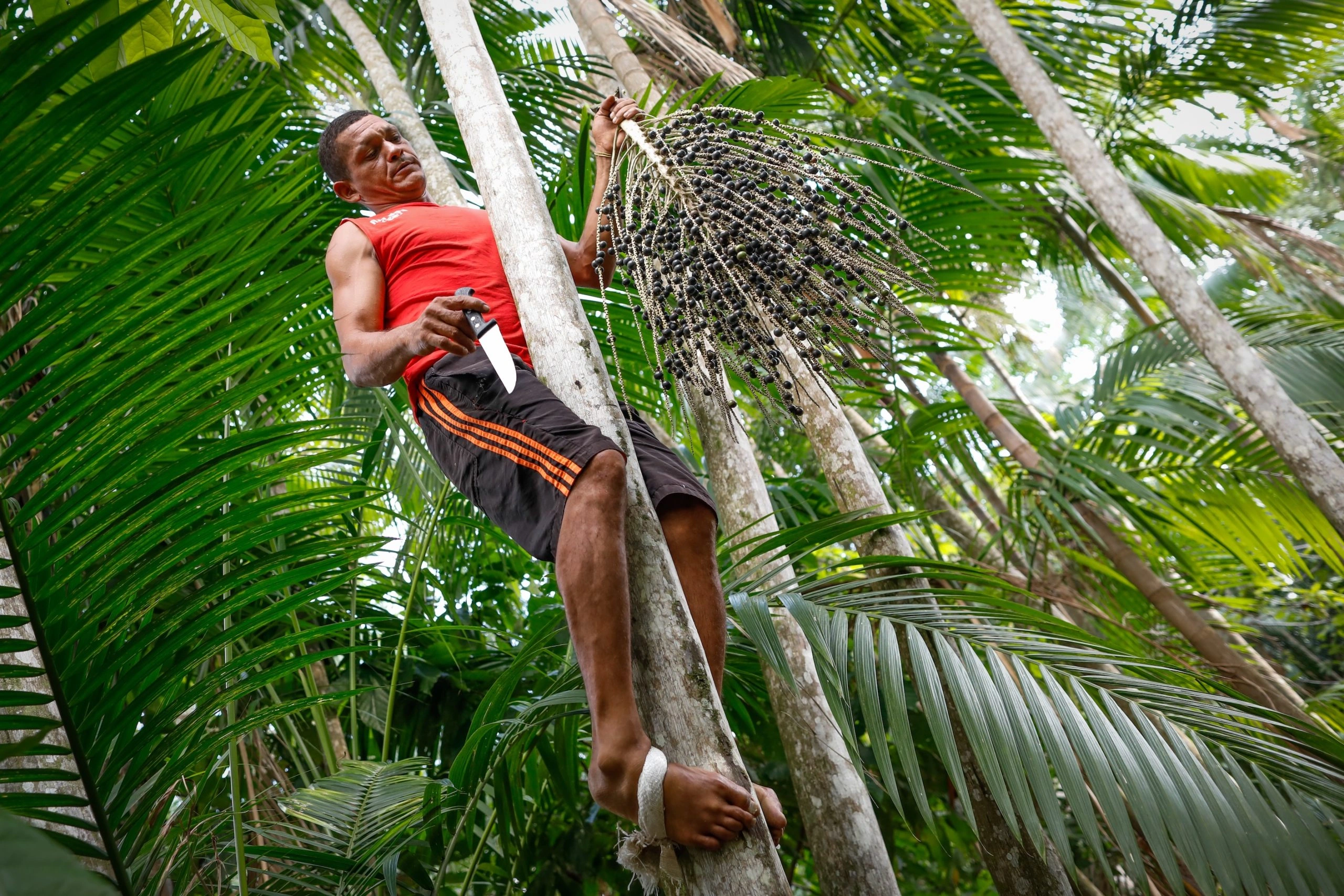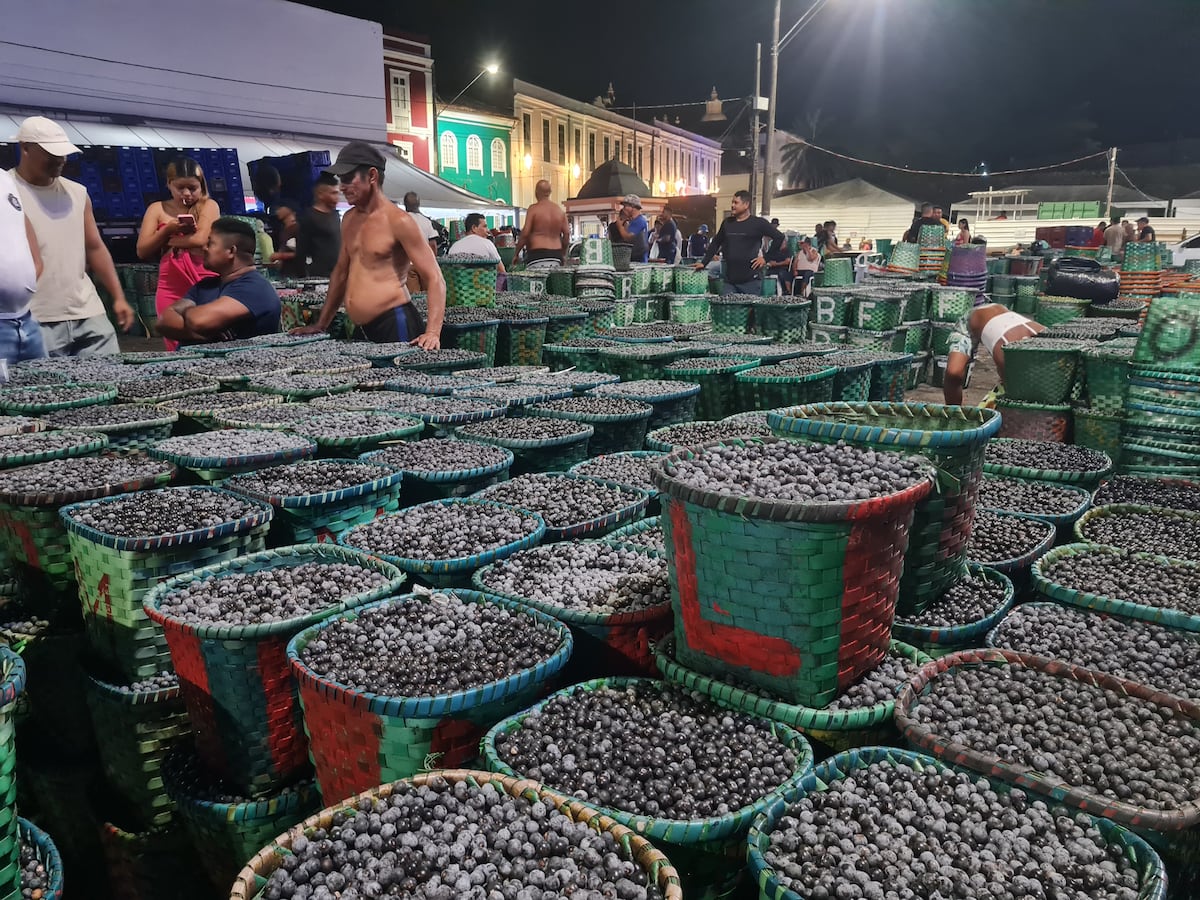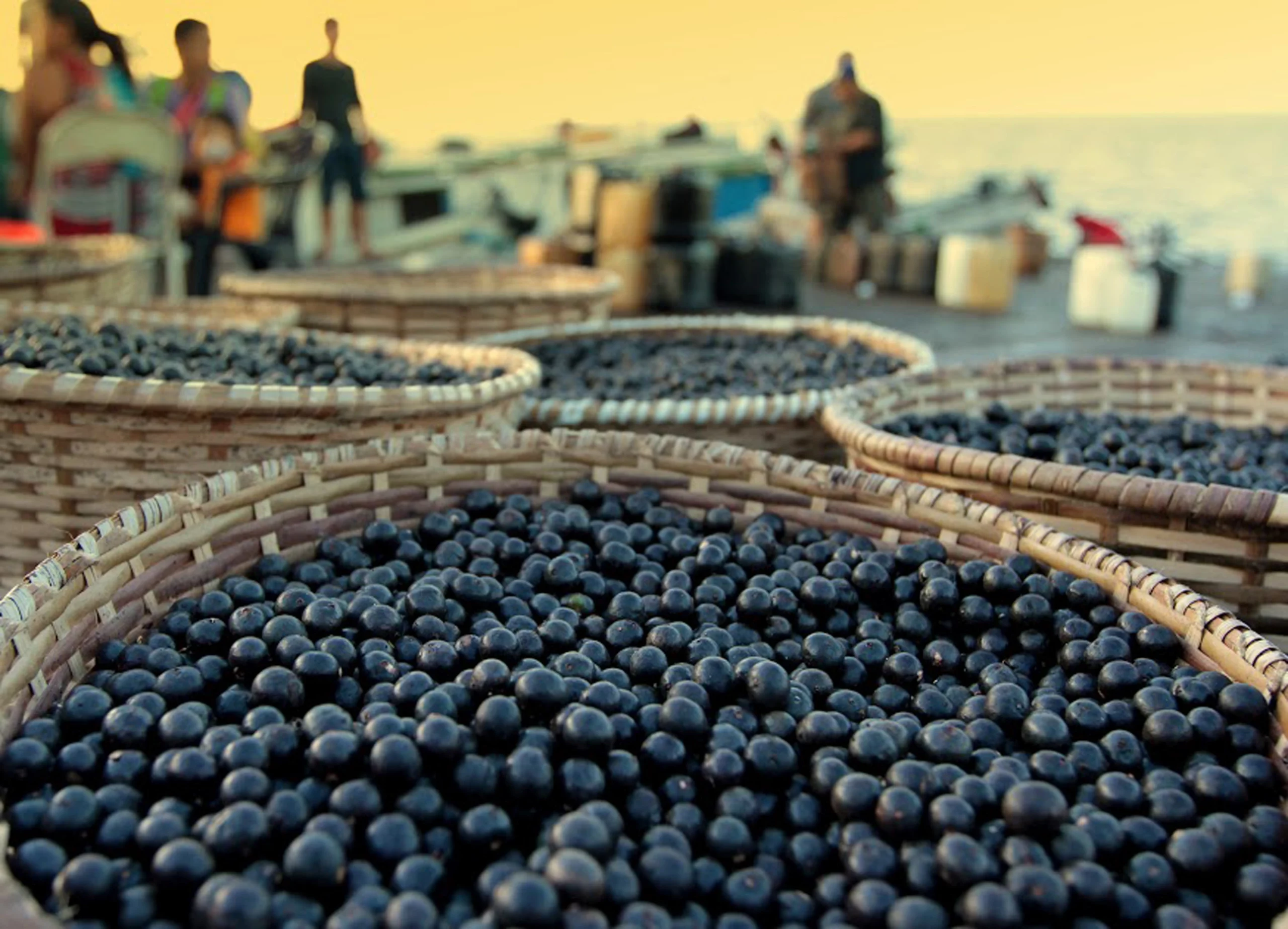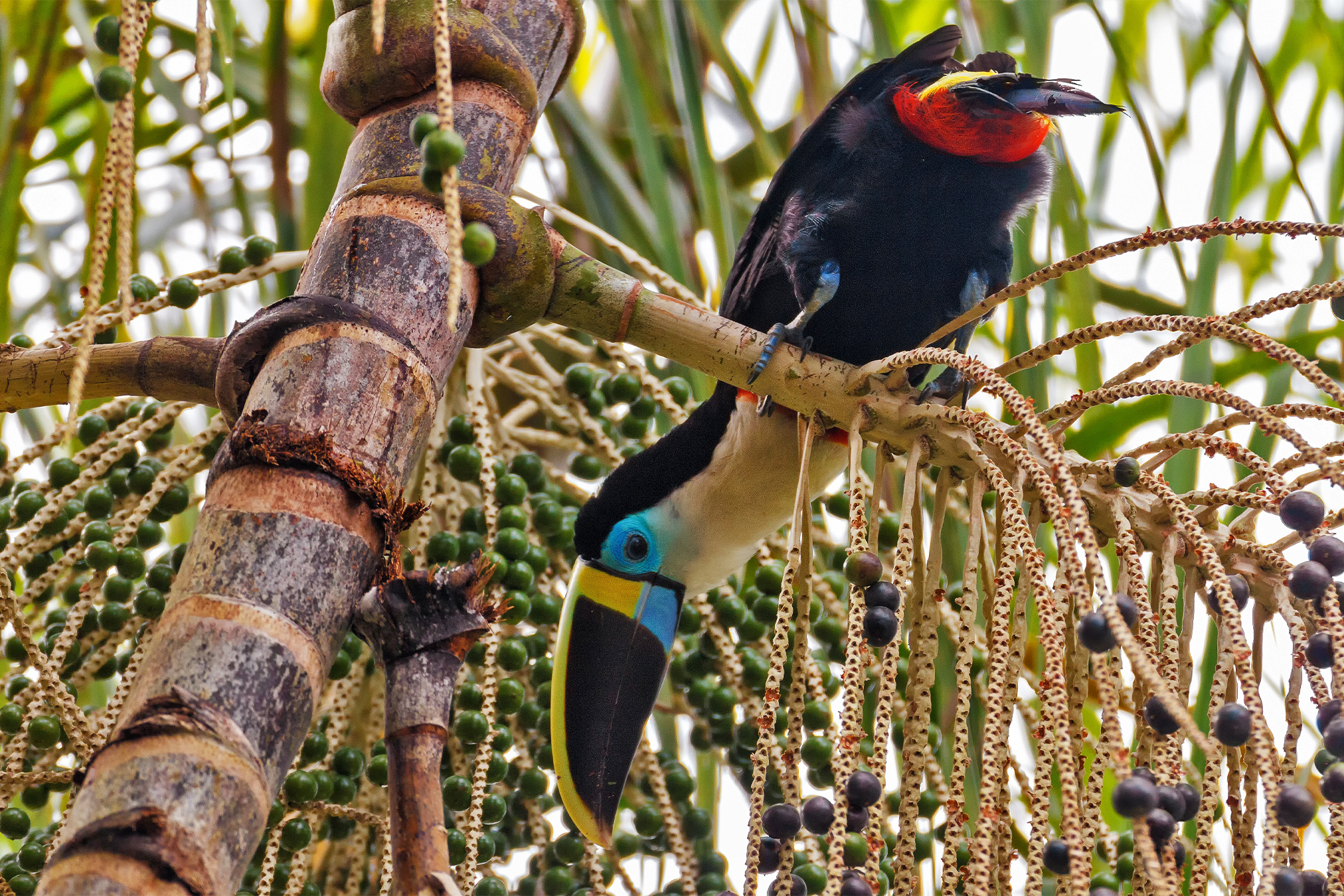
A newly published study has found a 28% decline in bird species richness in Amazonian areas with high densities of açaí palms.Farmers are clearing away native trees and understory vegetation to plant more açaí palms as demand soars, in the process destroying vital habitats for both fruit- and insect-eating birds.While açaí is marketed as a sustainable “superfood,” exports from Brazil’s Pará state have surged by 885% in a decade, raising concerns about predatory monoculture.
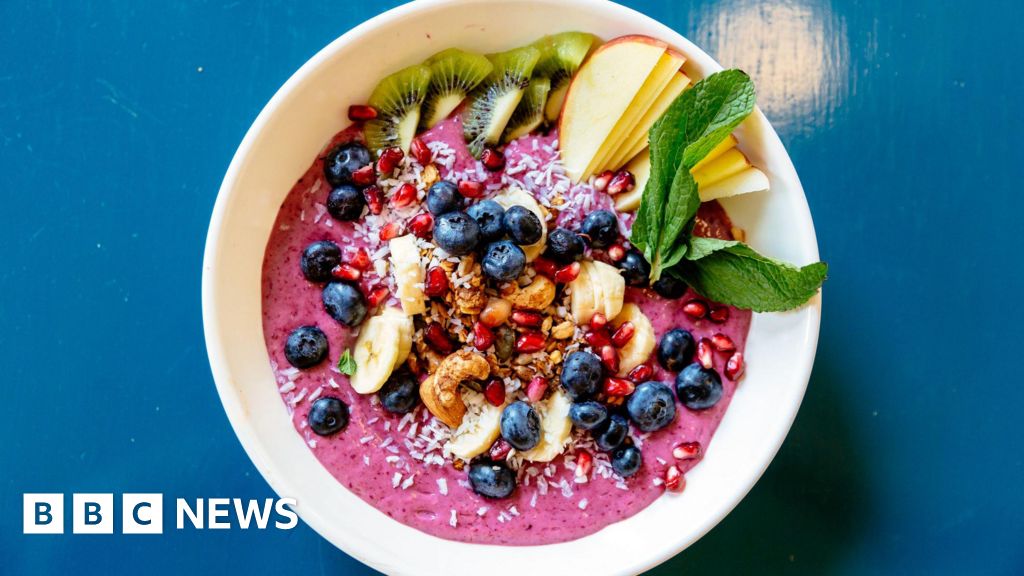
“Ah-sigh-ee.” Perhaps you don’t yet know the correct pronunciation of this Amazonian fruit, but chances are high that you’ve already seen its name – açaí – on some menu, especially in cafes and small shops specializing in healthy eating, sold mainly as the primary ingredient in bowls, smoothies, ice creams or juices.
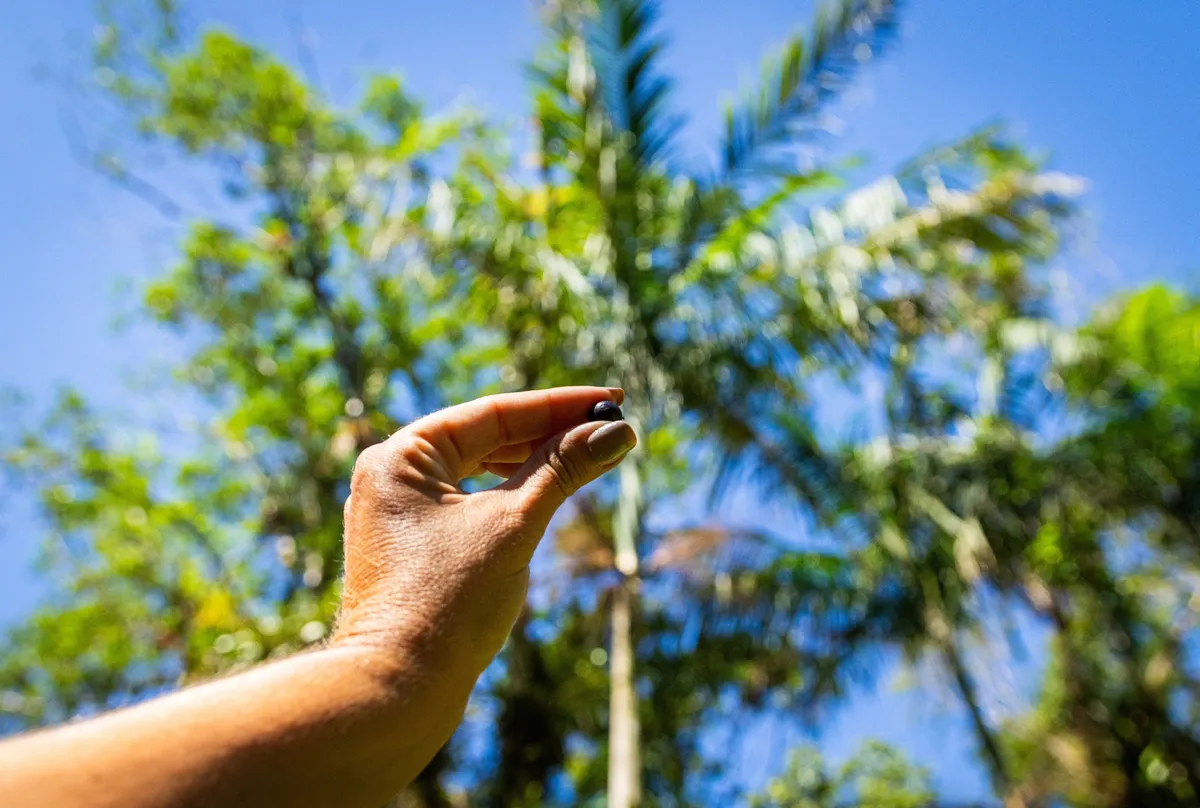
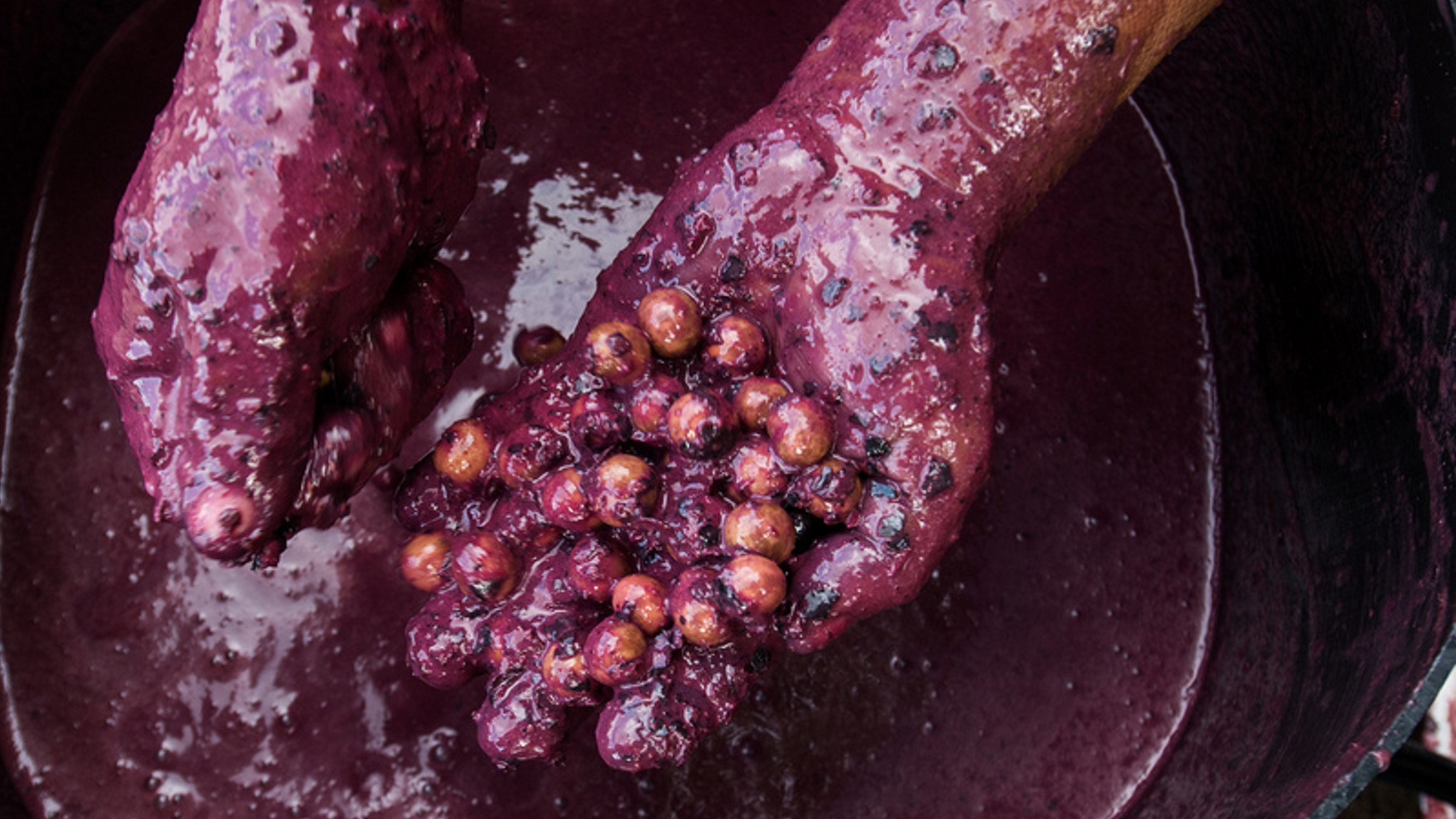
In Brazil, about 95% of the production of this small, round and very dark-purple fruit is concentrated in the Amazonian state of Pará. It’s a staple of the local diet, where it’s consumed, blended, with fish, cassava flour and other Amazonian ingredients. But because of its nutritional benefits, being rich in antioxidants and fibers, and having high energy value, açaí’s fame as a “superfood” quickly reached other Brazilian regions and, eventually, other countries.