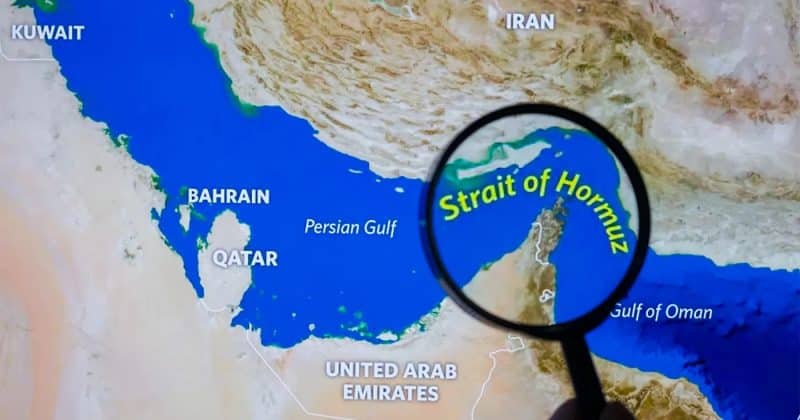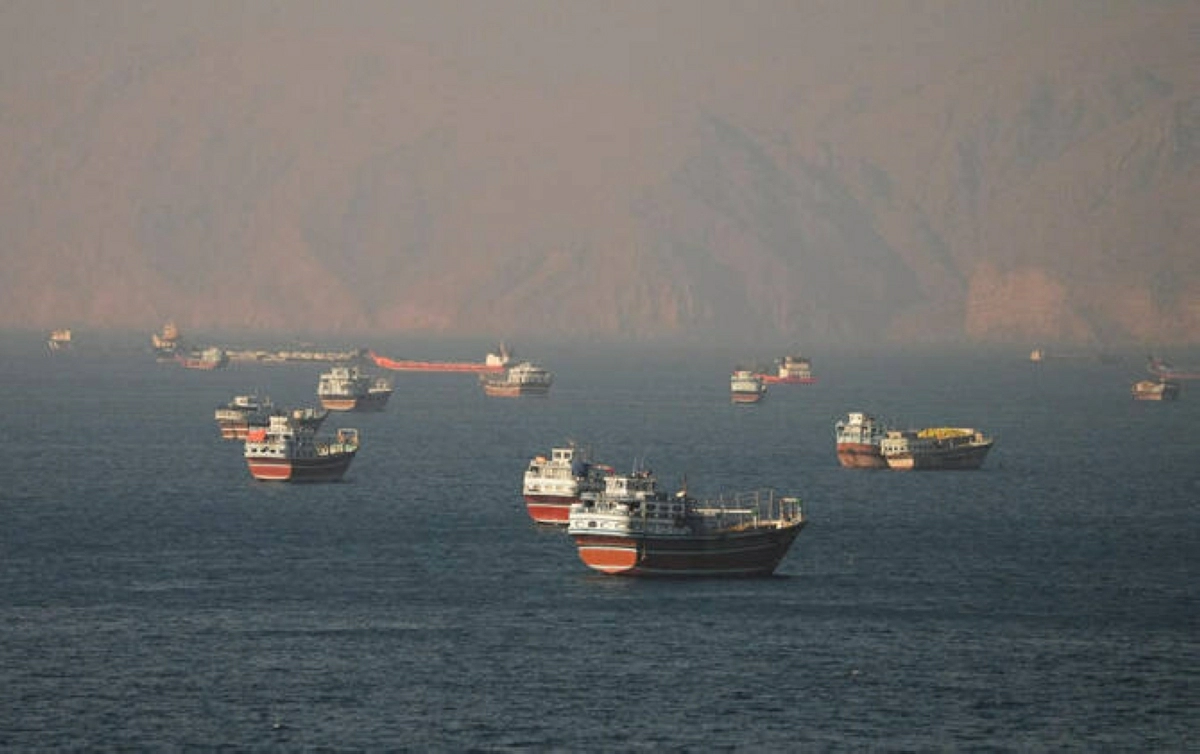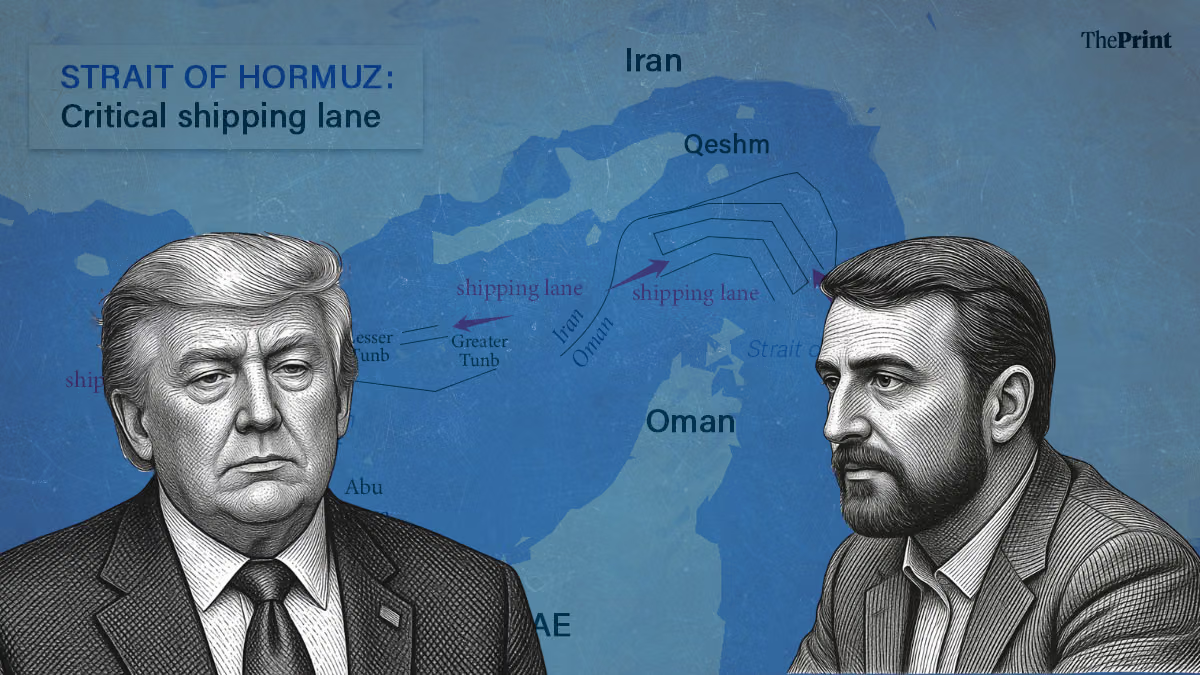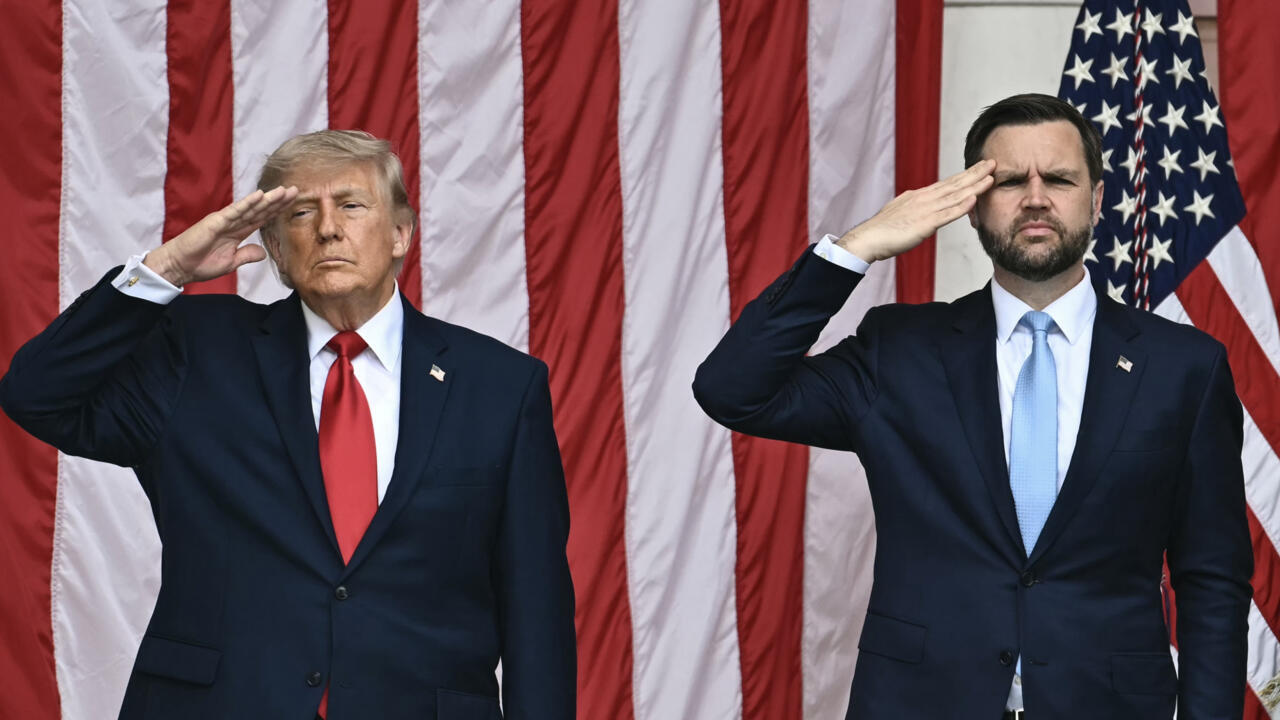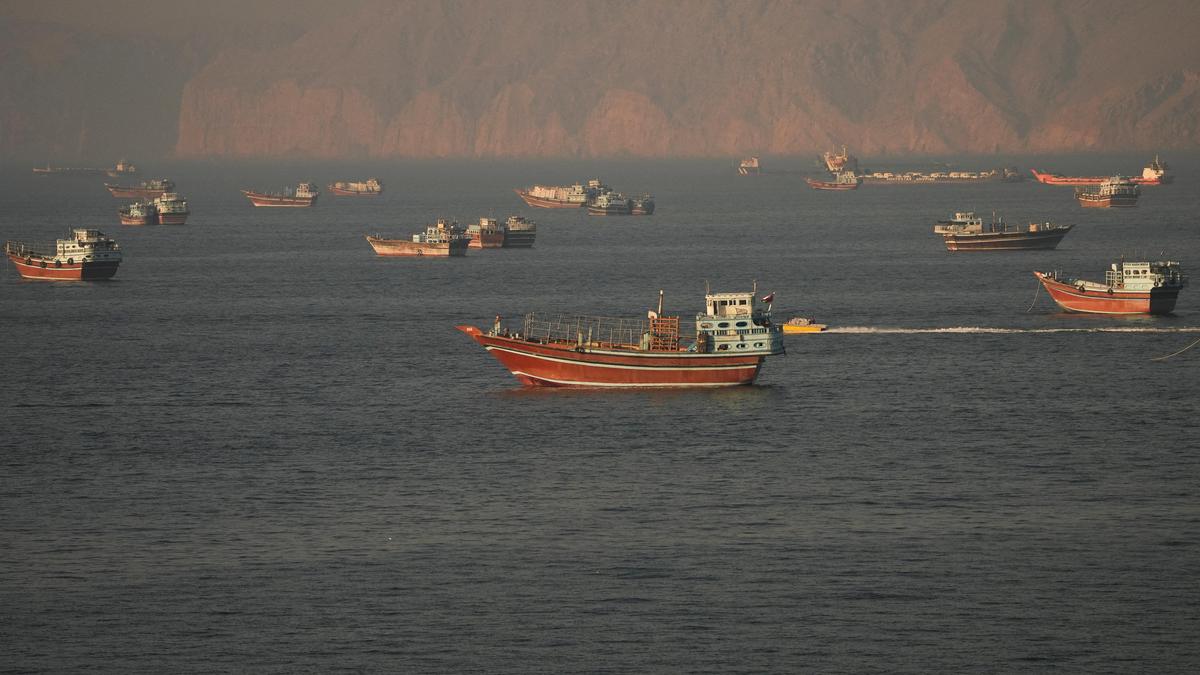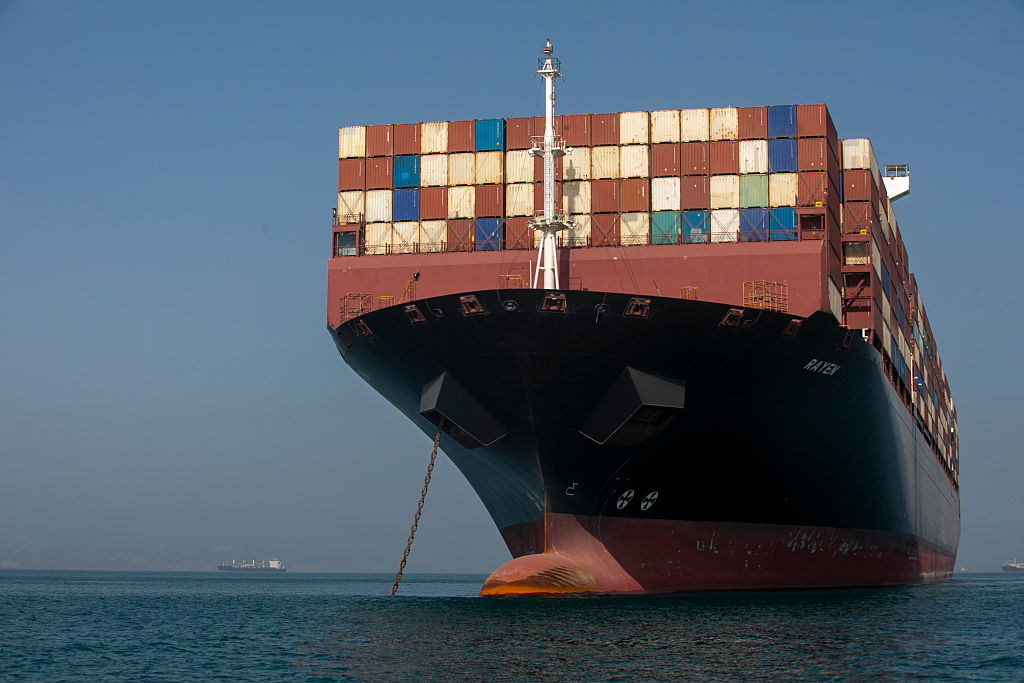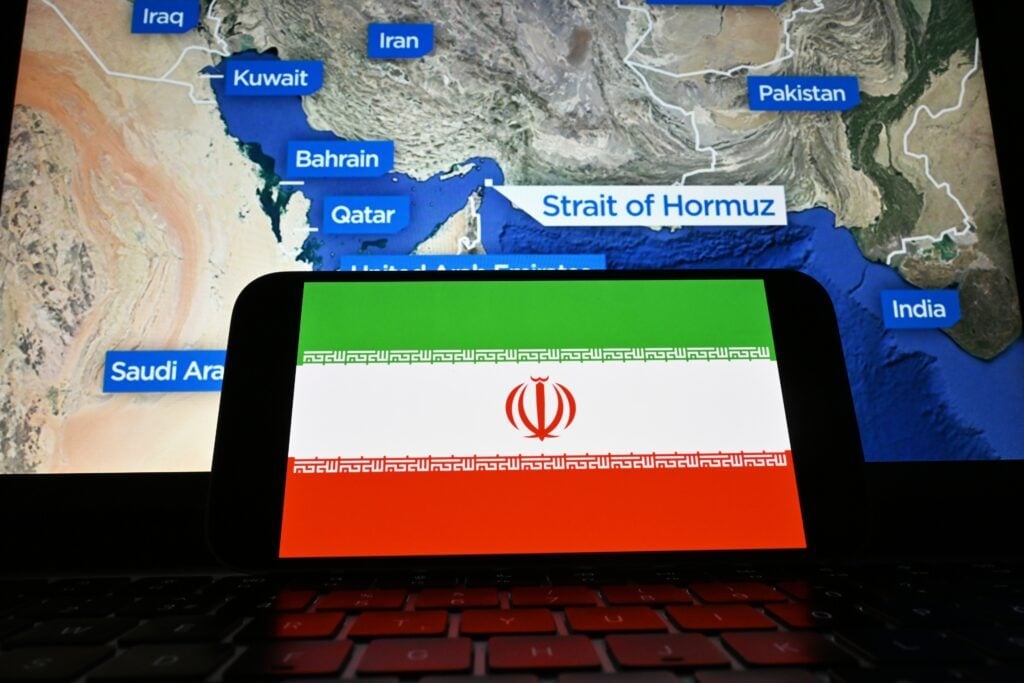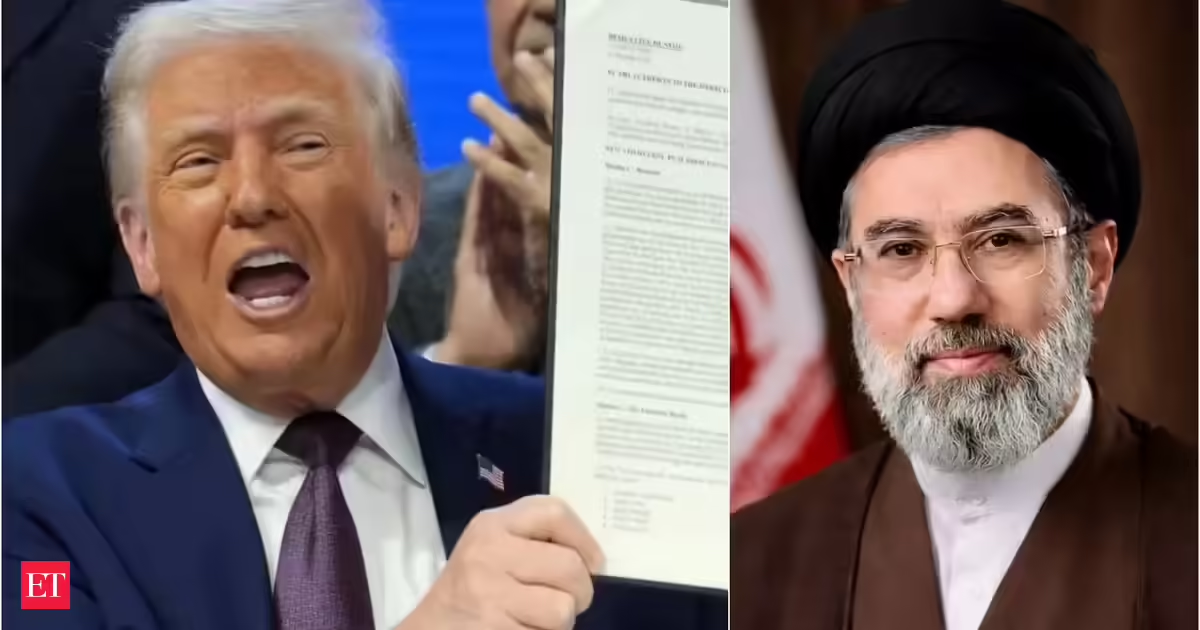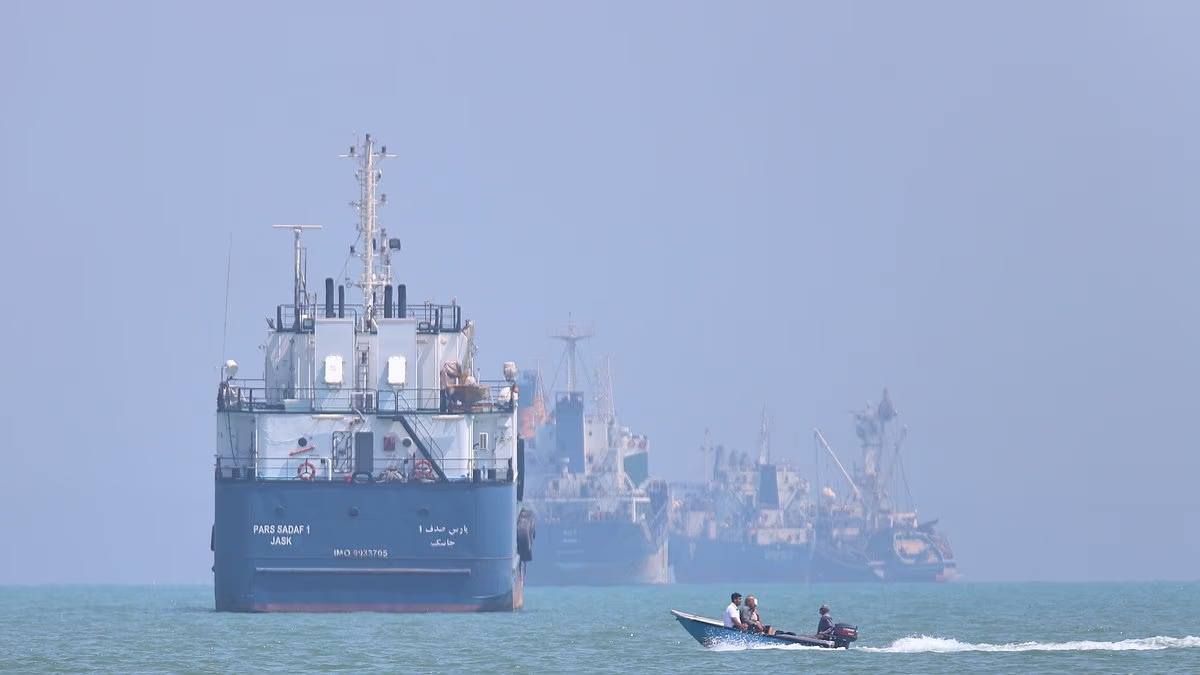
Iran has said it will continue to charge fees for vessels passing through the Strait of Hormuz after a 'last-minute' amendment to its ceasefire deal with the US.Over the next 60 days, Tehran will guarantee free passage through the strait, but after the ceasefire extension period is over, ships will be required to pay tolls to cover security, navigation, environmental and insurance services.The eleventh-hour change comes despite US President Donald Trump stating the vital waterway, set to reopen on Friday, would remain 'permanently toll-free'.US Vice President JD Vance, however, said he expects the Strait of Hormuz to be toll-free in the long term. He told CNBC: 'Our expectation is that the strait is going to be opened in a toll-free way for the long term, and that's the sort of thing that we're going to figure out in these technical negotiations.'Iran inserted the clause on maritime service charges just before the framework deal was announced. 'The use of the term 'maritime services' means that the United States has accepted that fees will be paid to Iran,' Iran's Fars news agency reported.The deal, set to be signed in Switzerland on Friday, will see an immediate and permanent end to all military operations from both sides, the Strait of Hormuz reopened, and the US blockade on Iranian ports start to lift as soon as the memorandum is signed, according to Iran's Mehr news agency. However, right-wing Israeli Finance Minister Bezalel Smotrich declared the deal is 'bad for Israel and for the entire free world'.He said Israel 'will have to continue the campaign to bring down the regime ourselves' and 'ensure that Iran never acquires nuclear weapons,' in a post on X. Over the next 60 days, Tehran will guarantee free passage through the strait, but after the ceasefire extension period is over, ships will be required to pay tolls to cover security, navigation, environmental and insurance services Right-wing Israeli Finance Minister Bezalel Smotrich declared the deal is 'bad for Israel and for the entire free world' The eleventh-hour change comes despite US President Donald Trump stating the vital waterway, set to reopen on Friday, would remain 'permanently toll-free''The joint [US-Israeli] campaign achieved many successes in weakening Iran, and those achievements have not been in vain,' Smotrich added.Under the deal, Iran and Oman are also set to be recognised as the sole authorities over the strait. 'In the final moments of the negotiations, the text of the memorandum of understanding was amended to clearly and explicitly emphasise the issue of the Iranian-Omani sovereignty over the Strait of Hormuz,' Fars added. Iranian Deputy Foreign Minister Kazem Gharibabadi says that talks on a final deal will happen over a 60-day period, where Iran has 'several issues to address'.The Iranian Revolutionary Guard said Monday that under the US-Iran deal, the country will receive half of its roughly $24billion in long-frozen funds before final negotiations begin during a 60-day ceasefire extension However, a US official revealed that Iran would get none of the money until it demonstrates compliance with the deal's terms.Both sides have said negotiations on more difficult further areas of dispute - notably Iran's nuclear issue and US sanctions on Iran - will be conducted over the following 60 days. Iran and the US confirmed that Iran agrees that it will neither produce nor acquire nuclear weapons - a promise Tehran has been making repeatedly for decades.A senior Iranian official said, pending a final agreement, Iran would freeze its nuclear activity, refraining from further uranium enrichment or the expansion of nuclear facilities.The senior Iranian official said the US had agreed that Iran could dilute its stockpile of highly enriched uranium inside Iran under a future comprehensive agreement.Trump said on Saturday there was no urgency to extract Iran's stockpile of nuclear material, and that the US would retrieve it 'when all is calm'.The US President said there would be a strong inspections regime for Iran under any deal, but he did not give specifics.US Senator Lindsey Graham said any final deal on Iran's nuclear programme would have to be reviewed and approved by Congress.As well as the commitment for Iran not to produce nuclear weapons and the reopening of the Strait of Hormuz within 30 days, the US has also agreed not to impose any new sanctions on Iran until a final deal is reached, a senior Iranian official said. Smoke rises following an Israeli strike in Nabatieh, Lebanon They added that the US would waive oil sanctions on Iran for a specified period and that after the final agreement, all US and UN sanctions would be lifted in an agreed timetable. Washington, in coordination with its regional allies, would prepare a reconstruction and development plan for Iran, to be negotiated and agreed with Tehran within 60 days, they added. On Lebanon, negotiator Pakistan says both the US and Iran 'have declared the immediate and permanent termination of military operations', with Lebanese President Joseph Aoun saying the people of his country look forward to 'practical steps that put a definitive end to the cycle of violence'.But it's unclear if Israel and Iran-backed armed political group Hezbollah will abide by this term of the framework. Israel's defence minister says its forces intend to stay in Lebanon, while Iran has called for a 'complete halt' to action.Before the memorandum was announced, Trump said he would bring peace to the region, including Lebanon. He said there should be no more Israeli attacks on Lebanon and no more attacks by the Iran-backed Lebanese group Hezbollah on Israel. Hezbollah has welcomed the US-Iran memorandum, with the group saying in a statement following the announcement that the inclusion of Lebanon reflects Iran's commitment to securing a halt to the war and preserving Lebanon's rights.The group also thanked Iran for insisting that Lebanon be a condition in the peace agreement.
Iran says it will receive $24b in frozen funds before final US talks
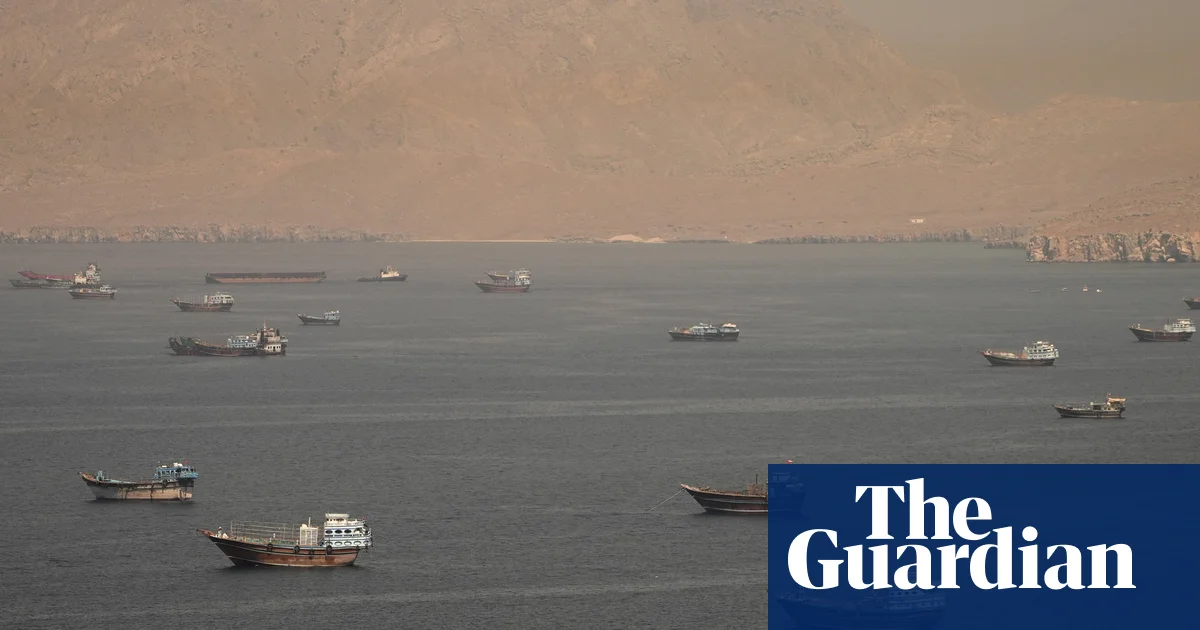
The eleventh-hour change comes despite US President Donald Trump stating the vital waterway would remain 'permanently toll-free'.
967 words~4 min read