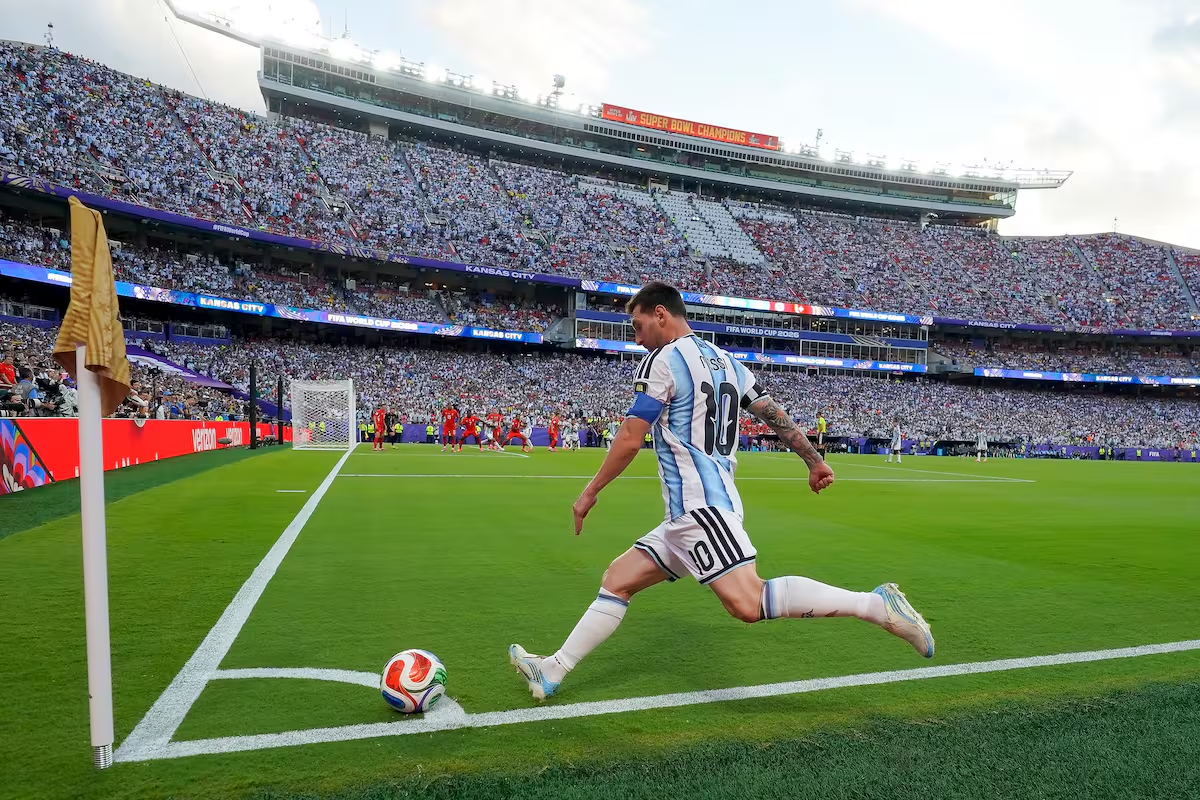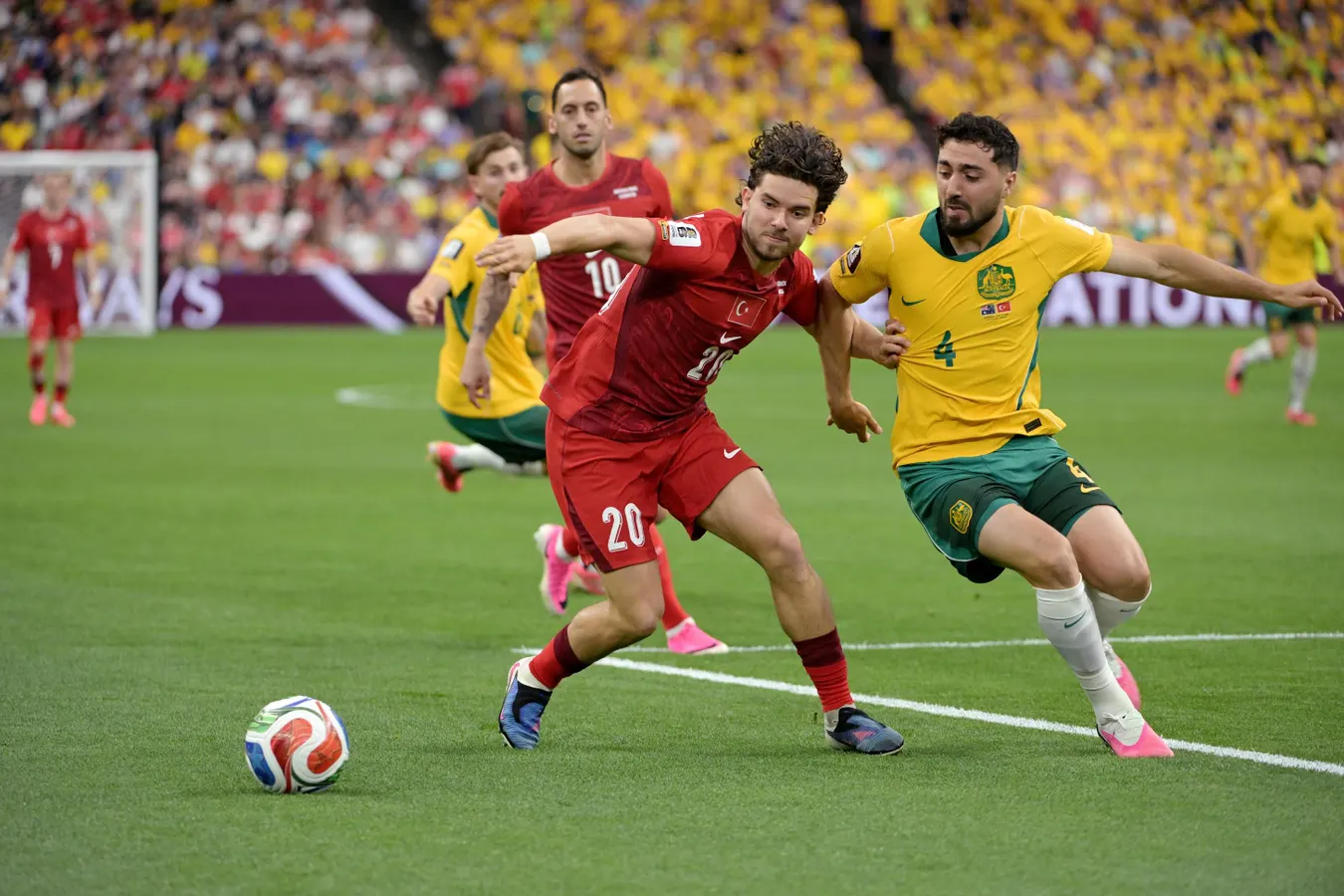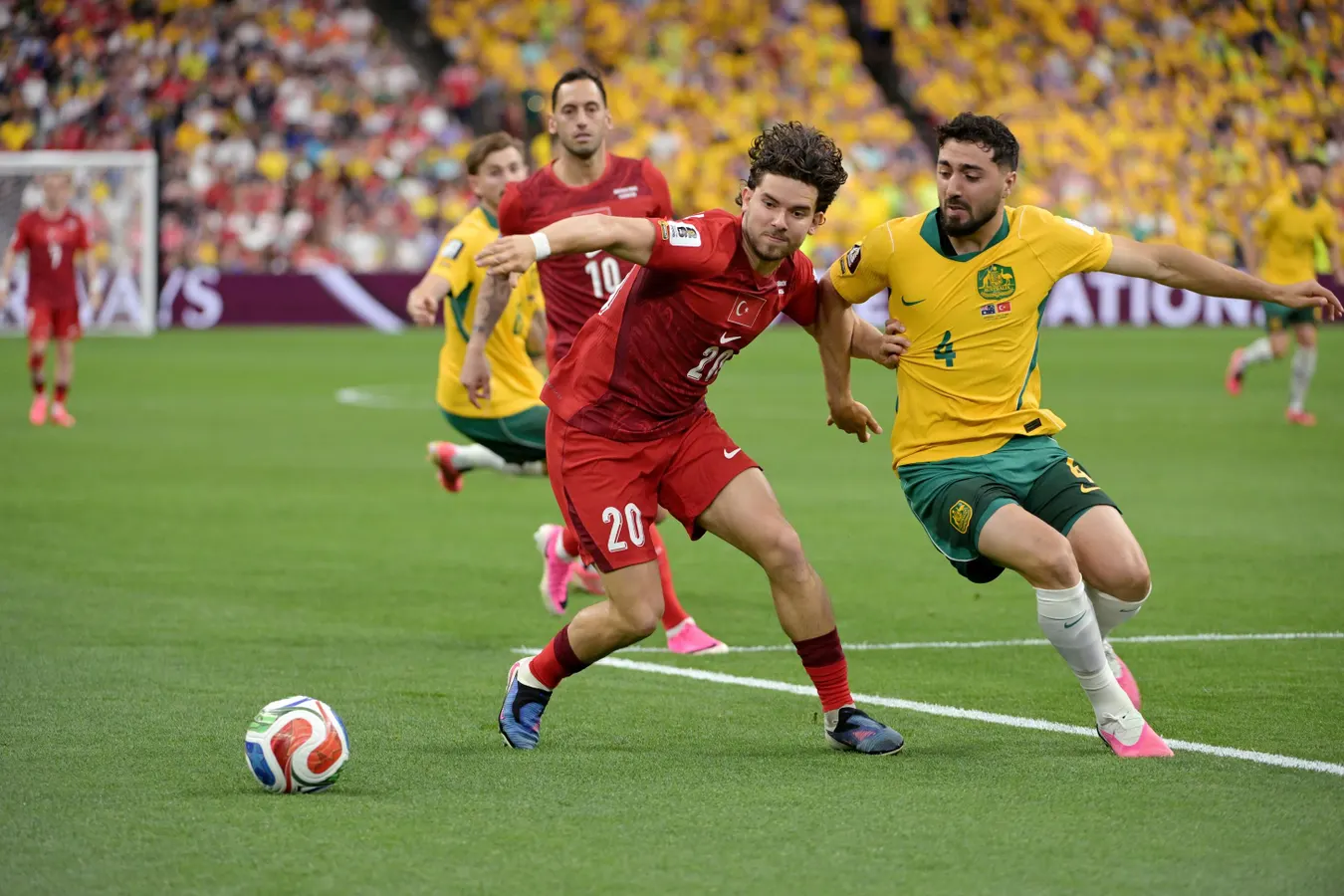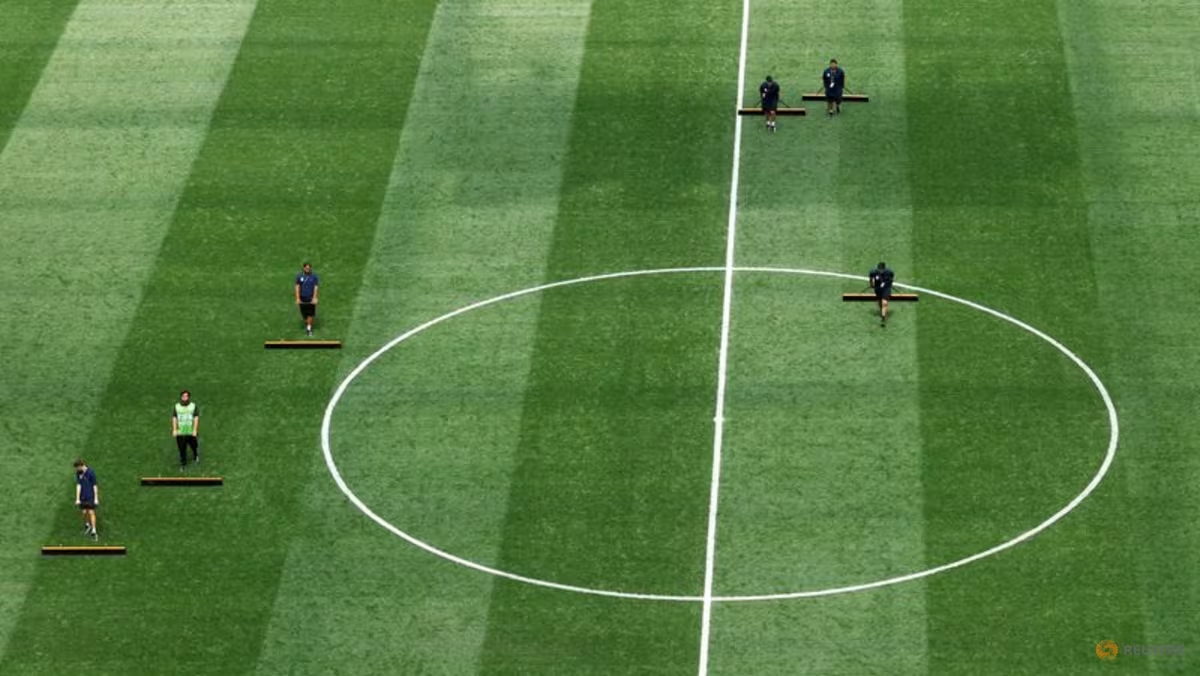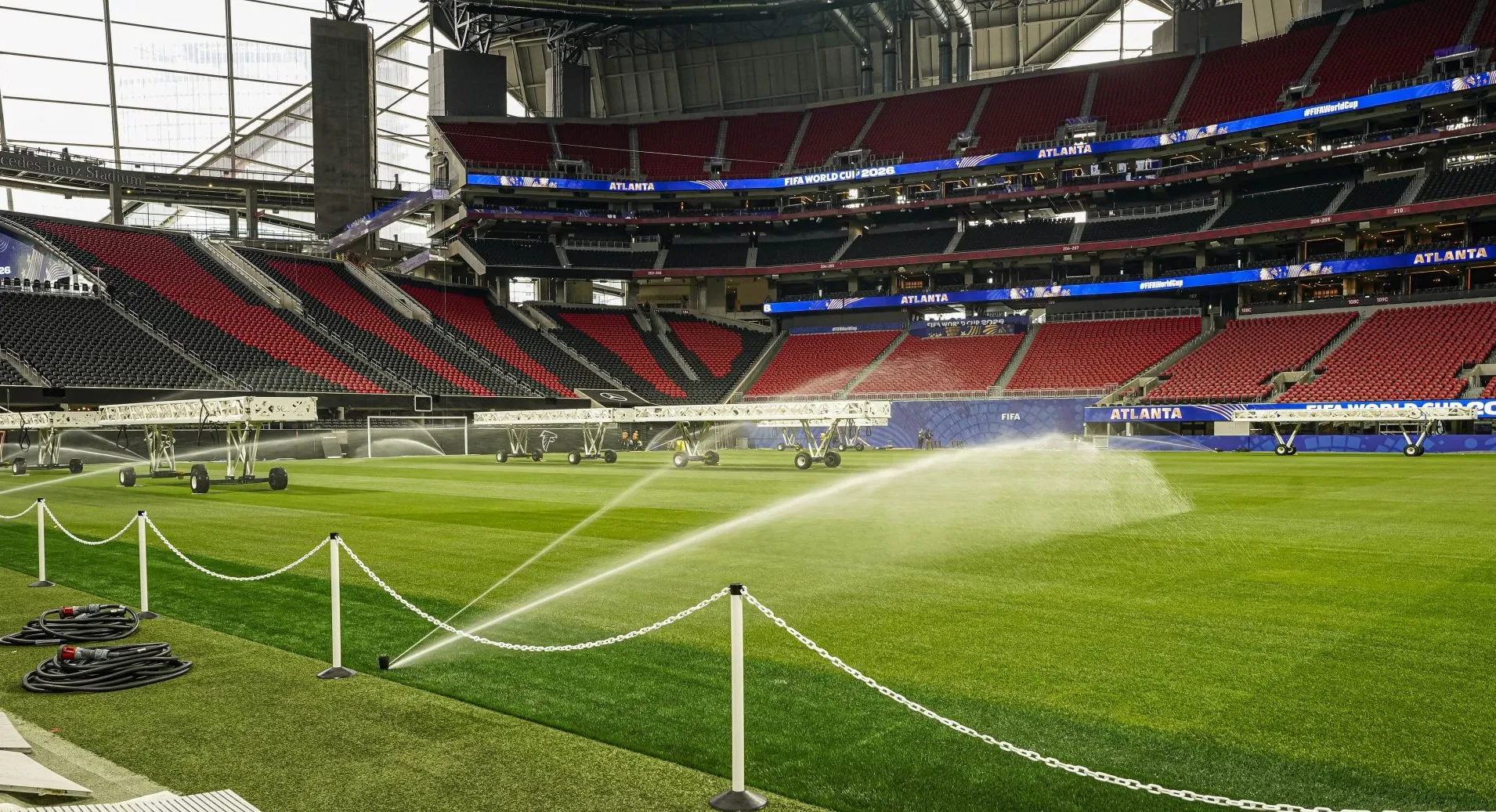
As the summer sports season comes into full swing this month, millions of fans worldwide will spend time seeing green. From stadium seats to living room couches, fans will watch their favorite players run, cut, slide and land on blades of grass.
“But not all grass is created equal,” says mechanical engineering professor, tennis player and lifelong soccer fan Paulo Arratia. “Beneath the cleats or tennis shoes, there’s a world of applied physics and mechanical processes at play.”
Arratia studies how materials behave in complex, dynamic environments. Those same principles, he explains, govern how a ball bounces, a foot grips and force travels through an athlete’s body during play — all of which alter the outcome of a game.
In conversation with Penn Today, he discusses what separates natural grass from synthetic turf, and, ultimately, why that difference matters to players and fans.
What makes synthetic turf so appealing to soccer teams and leagues?