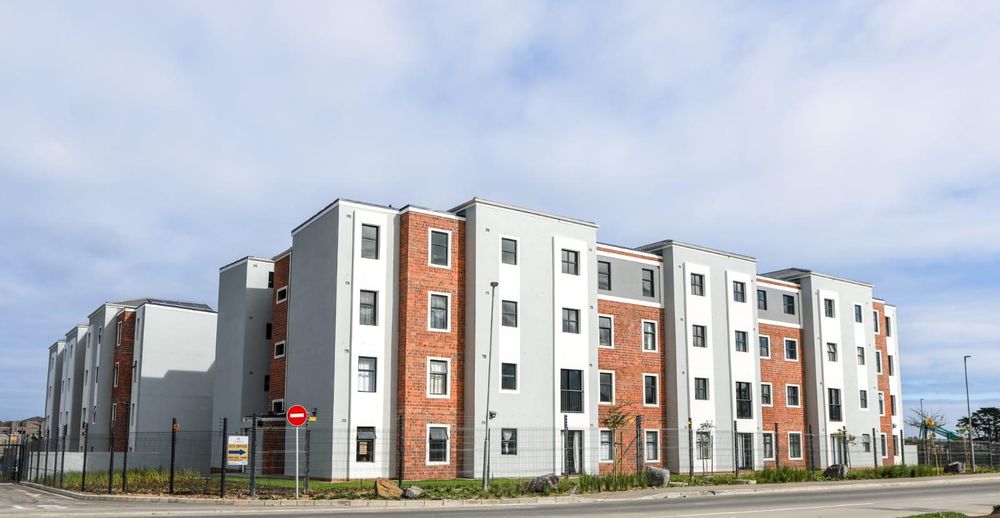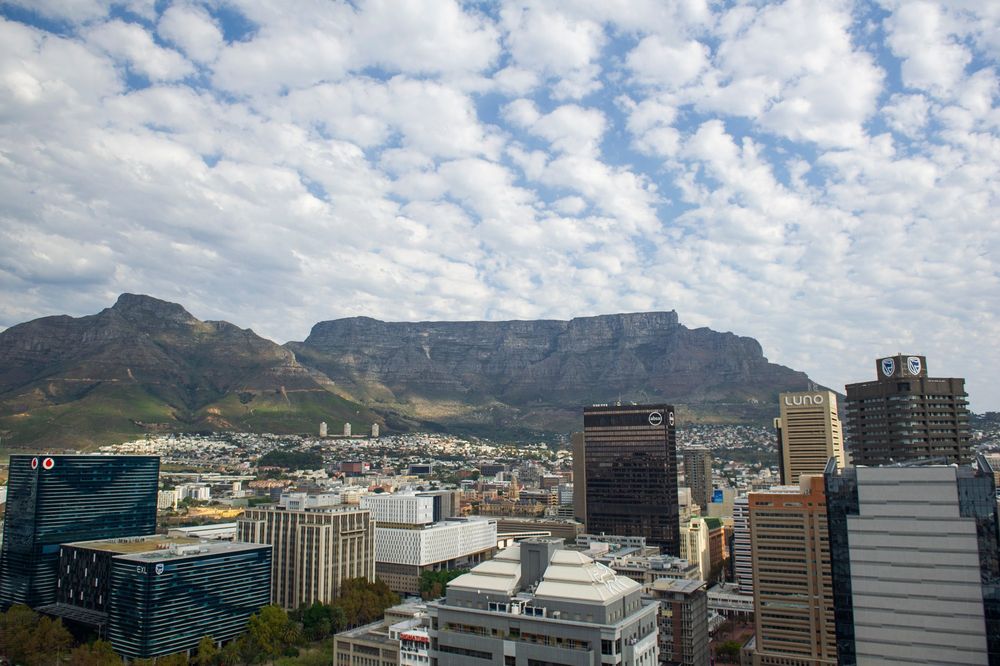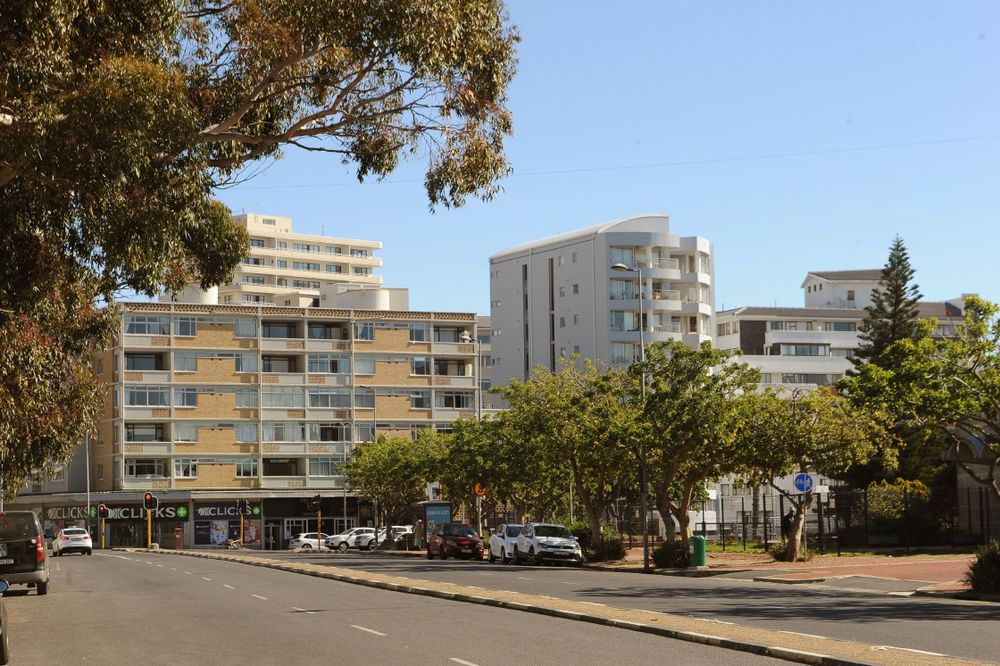
South Africa faces a housing backlog of at least 2.6 million units, for more than 12 million people. The state supply of new, subsidised housing has declined over the past decade and the government’s housing policy is shifting.
It sees the private sector as becoming the main provider of “affordable housing”. The market, according to the Banking Association of South Africa, is households earning up to R34,400 gross per month (US$2,111). Yet most residents in South African cities earn far less than that. (The national median household income in 2023 was R7,980 or US$490.) Much more affordable accommodation is therefore needed.
We are housing and urban scholars based in South African and Austrian universities, who have conducted extensive research on how housing ideology, policies and practices shape urbanisation.
In this article we draw on research we have done on social rental housing in South African cities and in Vienna, Austria. We don’t suggest the policies should be the same. After all, these are very different places. But a side-by-side look can be useful.
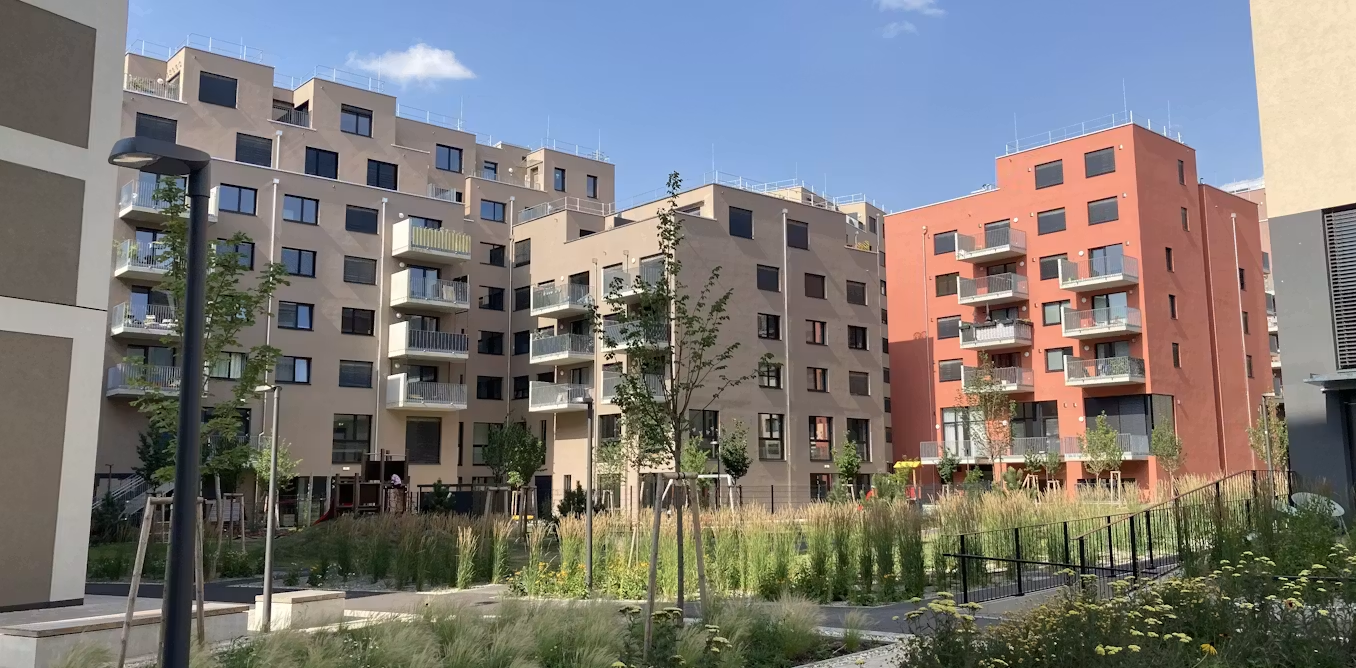
Vienna is often considered the capital of social housing. About 43% of the Viennese housing stock is state-subsidised rental housing, including municipal-owned flats and apartments run by limited-profit housing associations.