South Africa's housing crisis discussions at the World Urban Forum highlight the need to prioritise land availability over just housing finance, a key issue often overlooked in policy debates.
For many years, South Africa has defined its housing challenge by one striking statistic, which is a shortfall of around 2.6 million housing units, impacting over 12 million people. This number shapes policy debates, budget announcements, and conversations about urban development. However, it is essential to consider whether we have accurately identified the underlying issue.
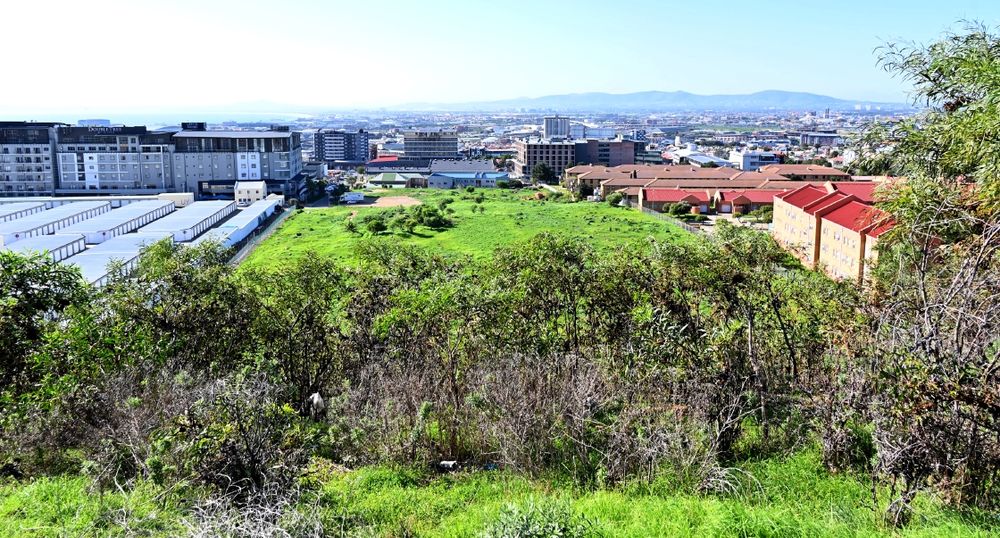
As discussions continued at the World Urban Forum 13, one reality became increasingly clear. South Africa does not primarily suffer from a shortage of housing finance. It suffers from a structural shortage of serviced, well-located urban land supported by reliable infrastructure systems.
We have spent too much time treating housing as an isolated product rather than the outcome of a functioning urban system. A house cannot exist independently of water infrastructure, sanitation networks, electricity substations, roads, stormwater systems, public transport connectivity, and social infrastructure. Without these systems, housing delivery remains fragmented, financially risky, and economically unsustainable.