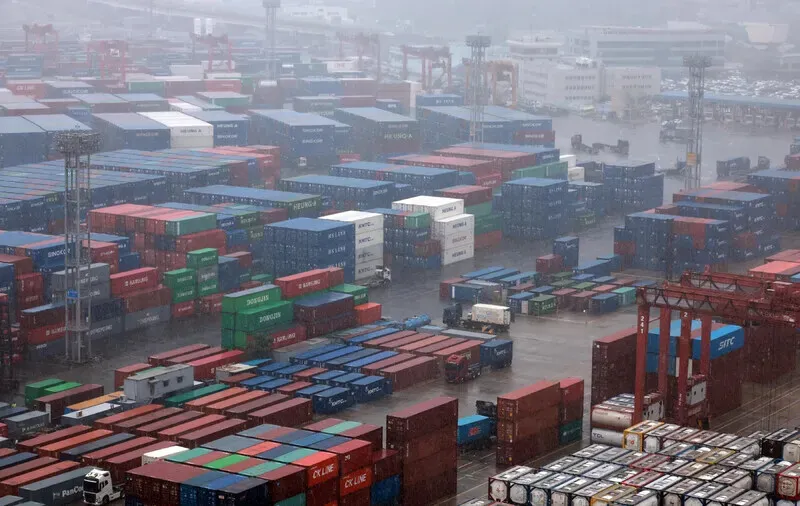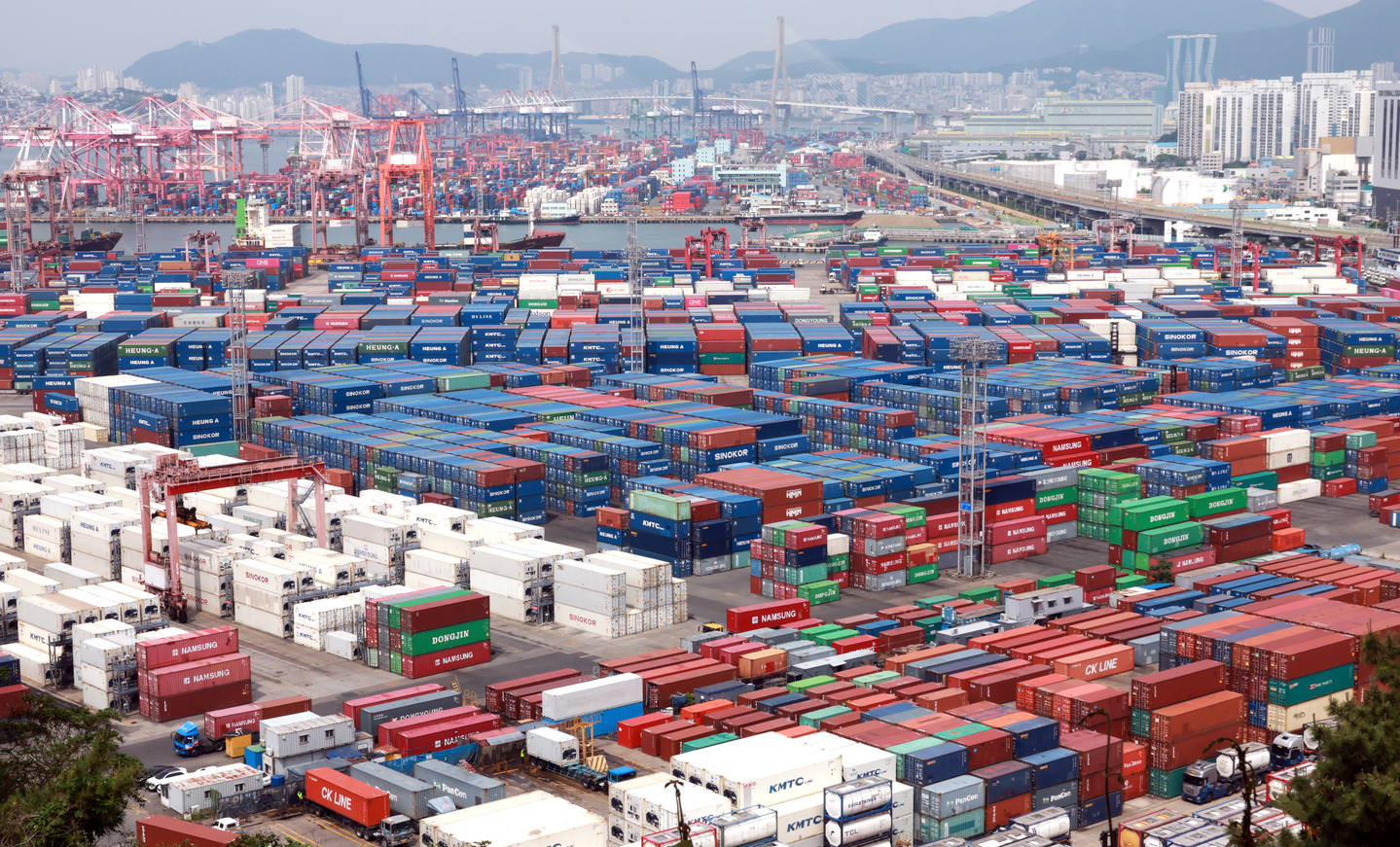
In April 2026, South Korea posted $85.9 billion in goods exports, a 48 percent surge from a year earlier, with semiconductors exceeding $30 billion for the second consecutive month. Semiconductors, EV batteries, advanced displays: the industries at the core of South Korea’s export economy are running at full tilt. But those figures hide a more concerning upstream reality: a narrow set of critical minerals, most still sourced overwhelmingly from China, makes all of it possible.
Trade data from South Korea’s mineral import statistics system, KOMIS, now covering all of 2025, offers the clearest picture yet of where South Korea’s critical mineral supply chains have strengthened and where they remain exposed. The picture is not a simple success story or a simple failure. It is a bifurcated landscape: real progress in some places, deepening concentration in others. The most significant diversification came after Beijing imposed controls on a mineral first.
The problem is not South Korea’s alone. Because Korean batteries, displays, and semiconductors feed into U.S. and allied supply chains, China’s leverage over these inputs is also an allied economic security vulnerability.
For six minerals critical to South Korea’s most strategically important industries, China’s 2025 share of Korean imports ranges from 14.8 percent to 94.2 percent (see Figure 1 below). Germanium, used in infrared optics and fiber optic cable, sits at the low end. Indium — the element that helps flat-panel displays and touchscreens conduct electricity while staying transparent — sits at the high end, with 94.2 percent of South Korean imports coming from China.