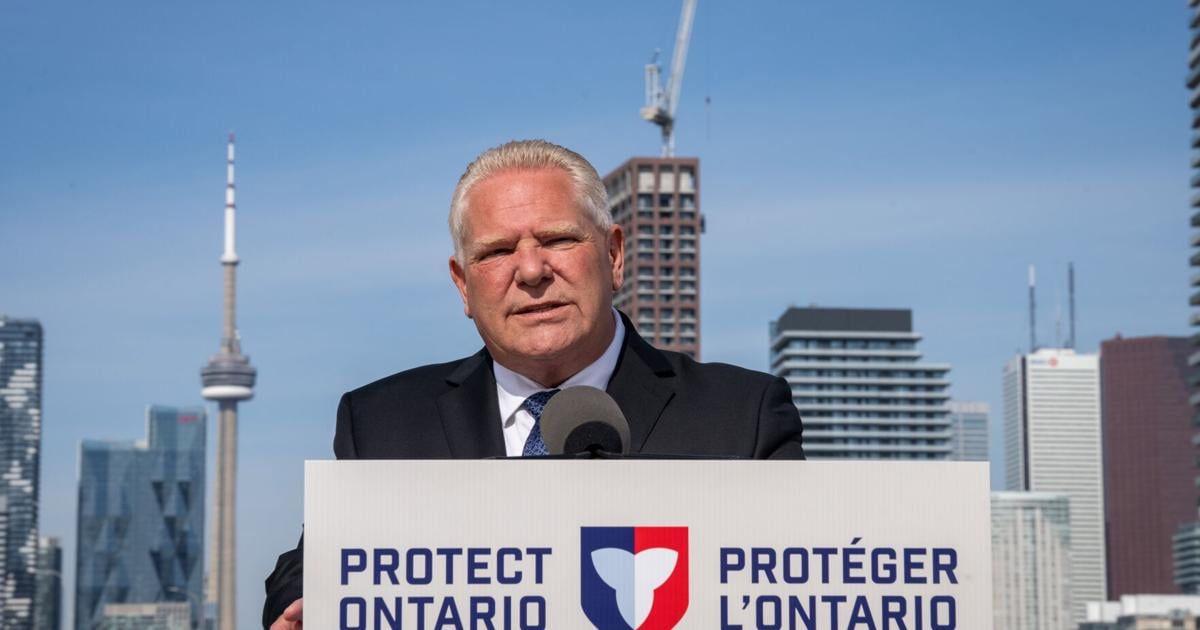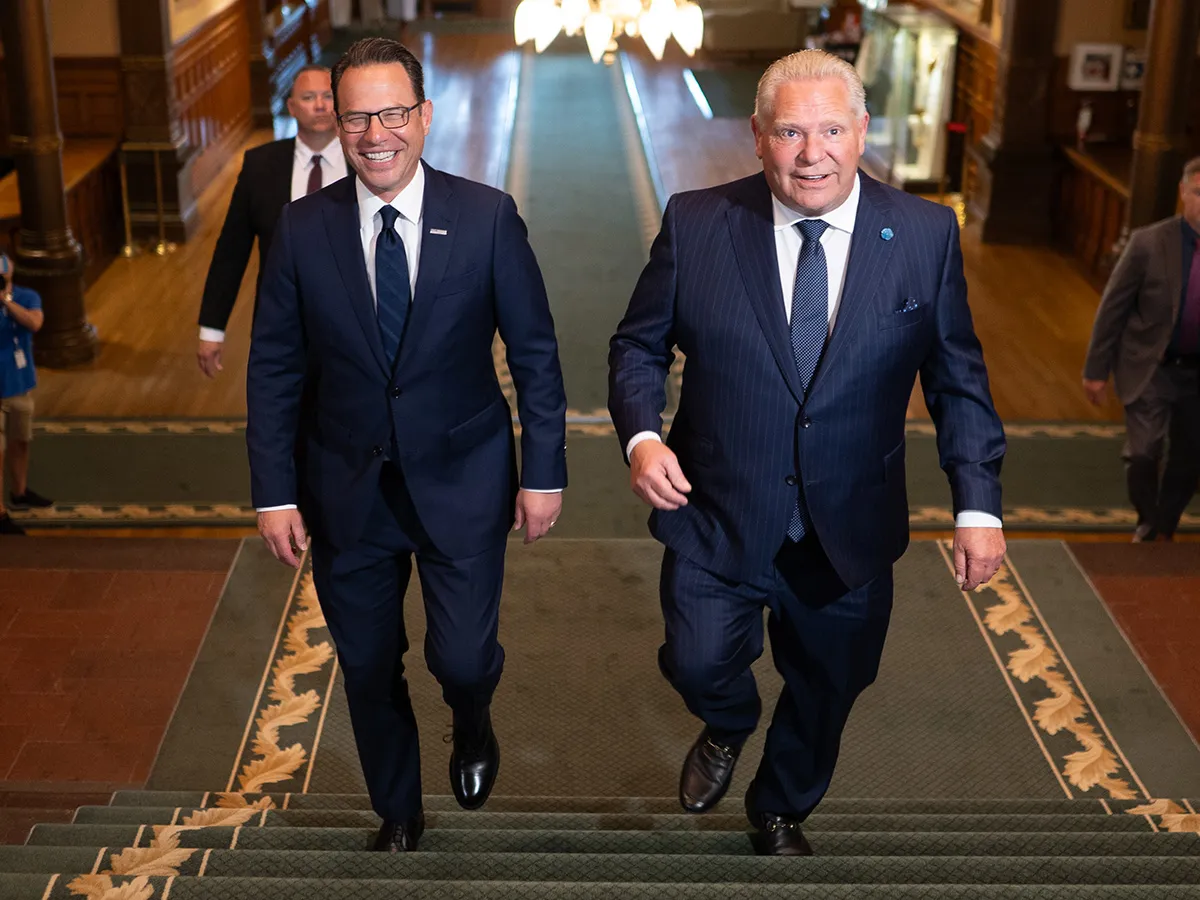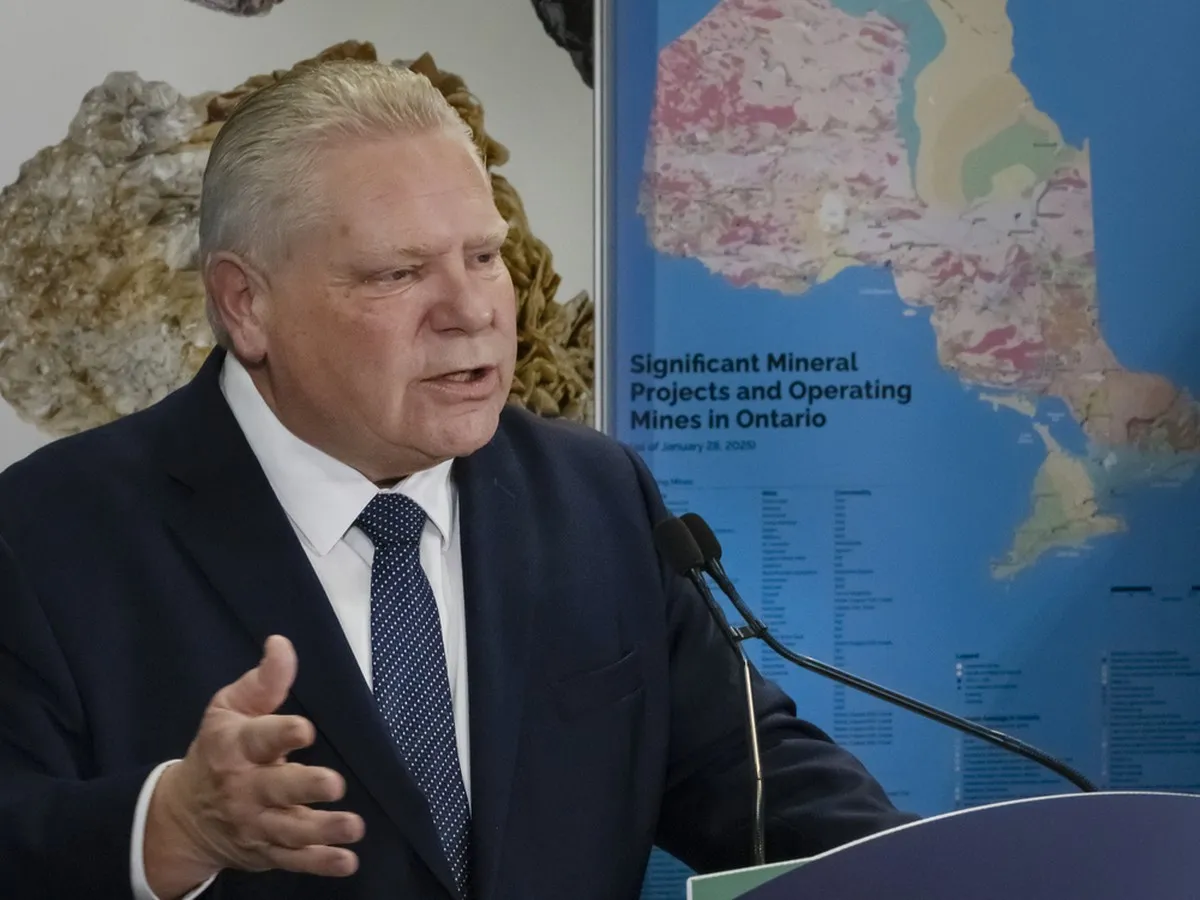
Skip to Content Subscribe Our Offers My Account Manage My Subscriptions FAQ Newsletters Canada Canadian True Crime Canadian Politics Health World Israel & Middle East Financial Post NP Comment Longreads Puzzmo Diversions Comics NP News Quiz New York Times Crossword Horoscopes Life Eating & Drinking Style Sponsored Play for Ontario Travel Travel Canada Travel USA Travel International Cruises Travel Essentials Culture Books Celebrity Movies Music Theatre Television Business Essentials Advice Lives Told Tails Told Shopping Buy Canadian Home Living Outdoor Living Kitchen & Dining Tech Style & Beauty Personal Care Entertainment & Hobbies Gift Guide Travel Guide Amazon Prime Day Deals Savings National Post Store More Sports Hockey Baseball Basketball Football Soccer Golf Tennis Driving Vehicle Research Reviews News Gear Guide Obituaries Place an Obituary Place an In Memoriam Classifieds Place an Ad Celebrations Working Business Ads Archives Healthing Epaper Manage Print Subscription Profile Settings My Subscriptions Saved Articles My Offers Newsletters Customer Service FAQ Newsletters Canada World Financial Post NP Comment Longreads Puzzmo Diversions Life Shopping Epaper Manage Print Subscription HomeNP CommentScott Stinson: Ontario signs critical minerals 'partnership' with U.K. to combat Chinese influenceThe agreement is the latest such deal as the province seeks to attract investment from beyond the United StatesLast updated Jun 15, 2026 You can save this article by registering for free here. Or sign-in if you have an account.Ontario Premier Doug Ford speaks at the PDAC mining conference at Toronto's Metro Toronto Convention Centre, on March 3, 2025. Photo by Peter J. Thompson/National Post/FileThe Ontario government signed agreement with the United Kingdom on critical minerals on Monday that is meant to combat Chinese dominance of the sector.Enjoy the latest local, national and international news.Exclusive articles by Conrad Black, Barbara Kay and others. Plus, special edition NP Platformed and First Reading newsletters and virtual events.Unlimited online access to National Post.National Post ePaper, an electronic replica of the print edition to view on any device, share and comment on.Daily puzzles including the New York Times Crossword.Support local journalism.Enjoy the latest local, national and international news.Exclusive articles by Conrad Black, Barbara Kay and others. Plus, special edition NP Platformed and First Reading newsletters and virtual events.Unlimited online access to National Post.National Post ePaper, an electronic replica of the print edition to view on any device, share and comment on.Daily puzzles including the New York Times Crossword.Support local journalism.Create an account or sign in to continue with your reading experience.Access articles from across Canada with one account.Share your thoughts and join the conversation in the comments.Enjoy additional articles per month.Get email updates from your favourite authors.Create an account or sign in to continue with your reading experience.Access articles from across Canada with one accountShare your thoughts and join the conversation in the commentsEnjoy additional articles per monthGet email updates from your favourite authorsSign In or Create an AccountorStephen Lecce, the province’s minister of energy and mines, was in London to sign the statement of intent with Chris McDonald, the U.K.’s minister of industry.Doug Ford’s Progressive Conservative government has been pushing to make inroads with various U.S. states and foreign governments amid uncertainty over the future of the North American free-trade agreement that U.S. President Donald Trump has repeatedly said he does not want to renew. Last week Prime Minister Mark Carney, who is in Europe this week for G7 meetings, encouraged Canada’s premiers to try to drum up business on their own while federal negotiators try to find common ground with an unpredictable White House.To that end, the agreement between Ontario and the United Kingdom will see both governments work together to “build secure, resilient, and integrated” supply chains for critical minerals like lithium and cobalt that are used in modern tech manufacturing, according to a statement that was first reported on Monday by National Post.This newsletter from NP Comment tackles the topics you care about. (Subscriber-exclusive edition on Fridays)By signing up you consent to receive the above newsletter from Postmedia Network Inc.We encountered an issue signing you up. Please try again“With China’s monopoly over global critical minerals producing about 60 per cent of raw ore and controlling up to 90 per cent of refining capacity for rare earths, lithium and cobalt, countries must work to reduce dependence on unstable foreign sources and build resilient supply chains that upend this geopolitical dominance,” the statement says.Last week Ford announced a similar deal — essentially a pledge of future co-operation — with Josh Shapiro, the governor of Pennsylvania, in a ceremony at Queen’s Park. That pact pledges increased trade and business ties in industries such as automobiles and aviation, but like the one that was announced with the United Kingdom on Monday, does not contain specific dollar commitments.Among the areas of planned collaboration that are outlined in the Ontario-U.K. agreement are “coordinating engagement between the public, private financial and academic spheres to support new strategic investment,” the development of “diversified, responsible and sustainable transatlantic supply chains for critical minerals,” and further work on “research, development, geoscience data and innovation to support technological progress.”When the Pennsylvania agreement was announced, the premier said Carney had encouraged his provincial counterparts to “build relationships” with U.S. senators, governors and members of Congress. Foreign governments would also complement that strategy.Ontario contains “significant deposits of nickel, lithium, cobalt, graphite, copper and rare earth elements,” the government statement says, “which are essential inputs for batteries, electric vehicles, advanced manufacturing, defence technologies and modern energy systems.”The Ring of Fire, a massive critical minerals deposit in the province’s far north, has been considered a key resource since it was first discovered two decades ago, and Ford told a Toronto mining conference in March that there has been significant progress on making it accessible. Construction on roads should begin this summer, the premier said.The provincial and federal governments have both passed laws that enable them to fast-track projects that are seen as important economic drivers amid Trump’s trade wars, but Ontario has not had to use those powers in the Ring of Fire yet. “We need critical minerals for the phones we use to the cars we drive, and this new partnership with Ontario shows our commitment to building resilient supply chains with allies as demand for these vital minerals continues to rise,” said McDonald, the U.K. minister, in the Ontario government statement.“In a world where economic security is national security, trusted allies must work together to secure the minerals that power our economies, strengthen defence capabilities, and support the jobs of the future,” said Lecce in the same statement. Join the Conversation This website uses cookies to personalize your content (including ads), and allows us to analyze our traffic. Read more about cookies here. By continuing to use our site, you agree to our Terms of Use and Privacy Policy.
Scott Stinson: Ontario signs critical minerals 'partnership' with U.K. to combat Chinese influence
A draft statement says that "it is critical for Ontario to work with trusted partners to reduce dependence on unreliable foreign sources."
1,120 words~5 min read