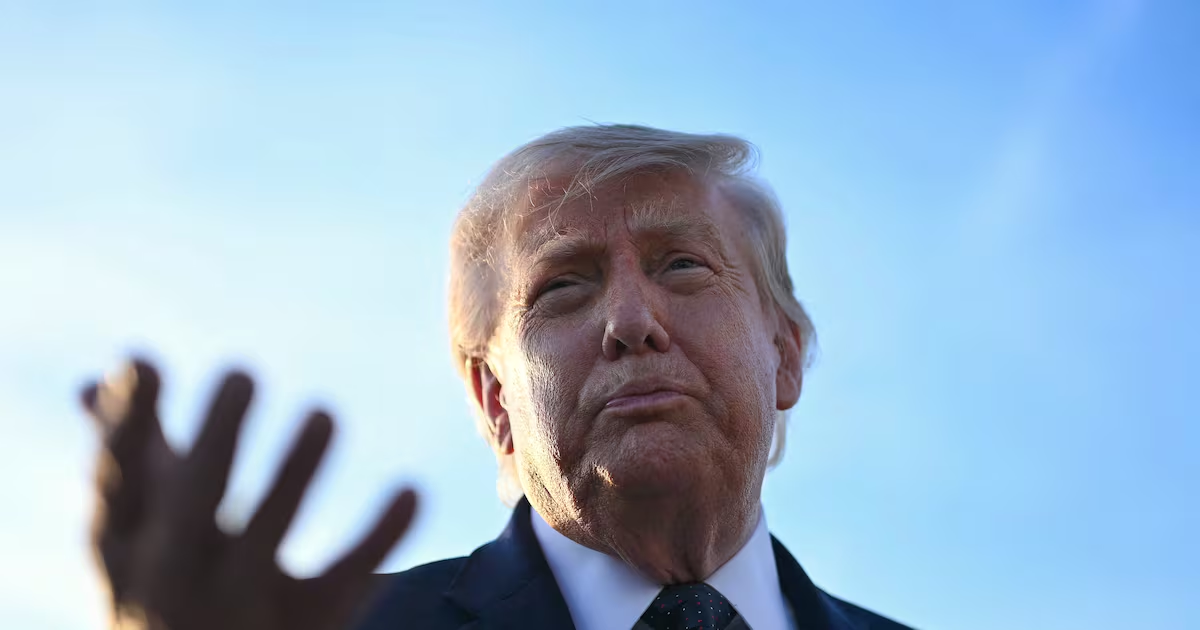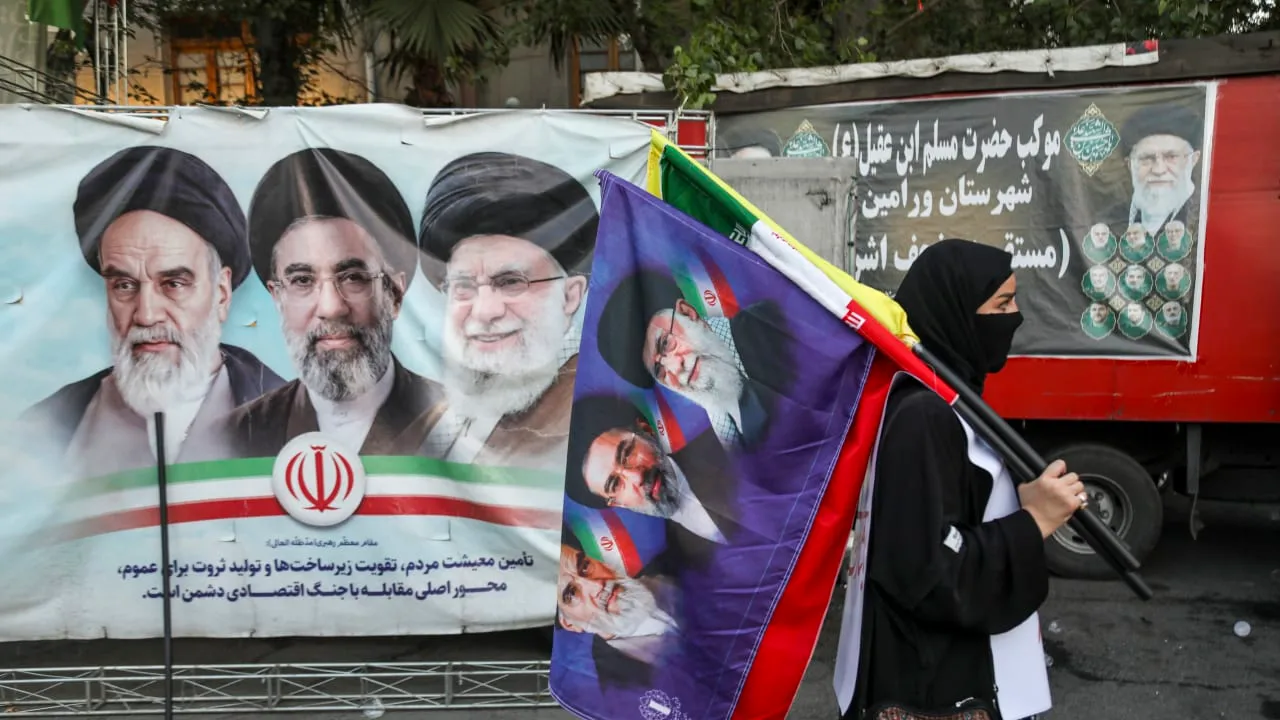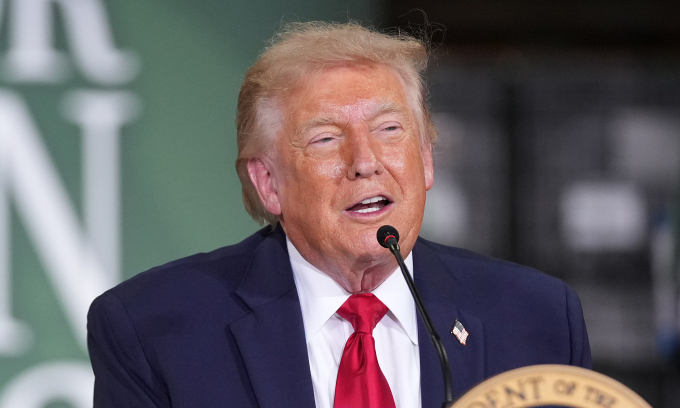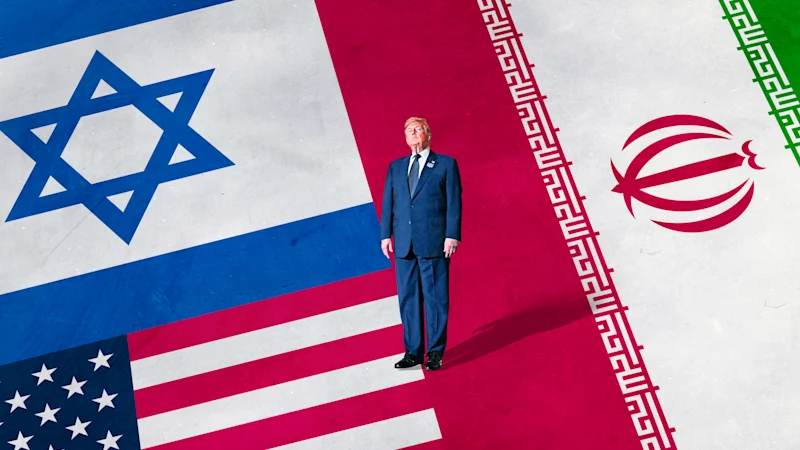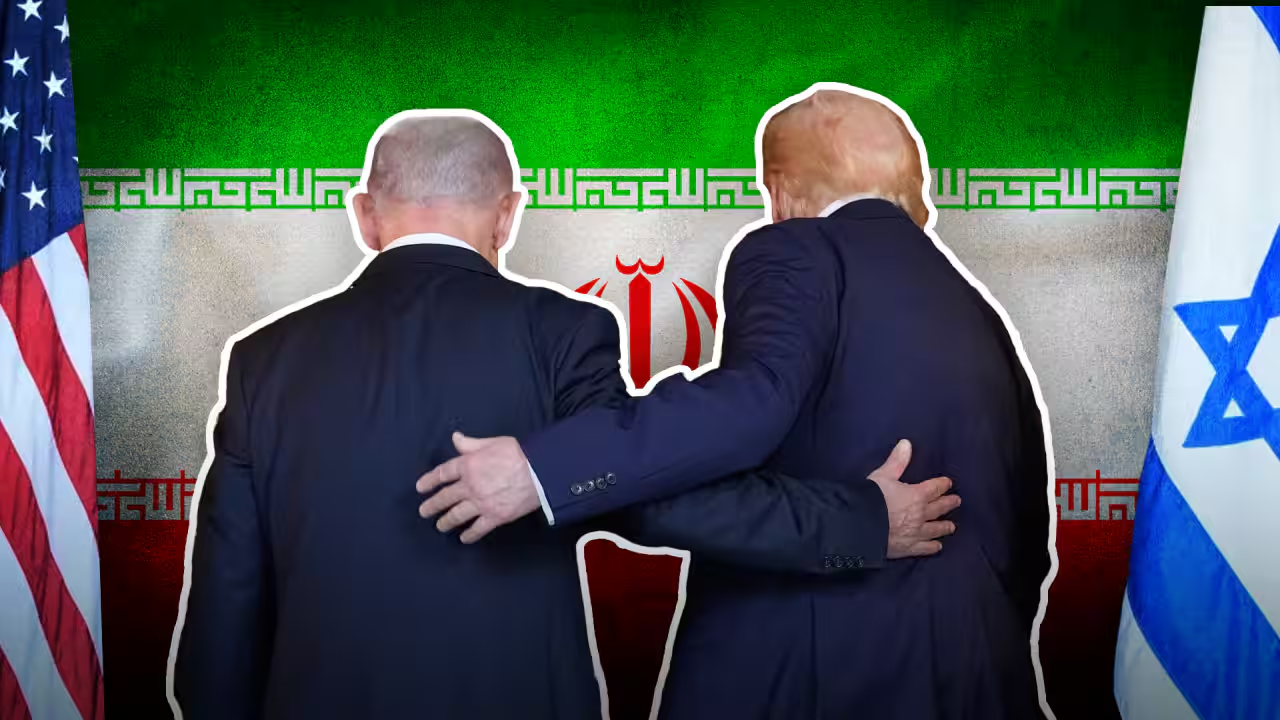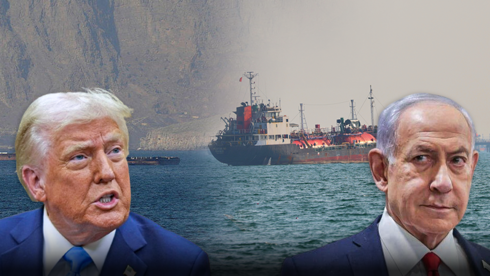
Analysis: The understandings with Iran may give Trump the victory image he wanted, but they leave the nuclear program intact, Hezbollah’s future unclear and Israel’s freedom of action increasingly dependent on WashingtonEldad Shavit|After months of escalation, damage to energy prices, domestic political pressure and fear of a wider regional entanglement, the U.S. president needed an exit. Now he is presenting it as a victory. From his perspective, he has a story to sell the American public: He used force, Iran was frightened, Hormuz will reopen, Tehran promised not to pursue nuclear weapons and, above all, the war will end.1 View gallery Trump ended the war on his terms, not Israel’s (Photo: Elster, Evan Vucci/AP, shutterstock, REUTERS/Stringer/File Photo)But behind the grand declaration lies a far more complex reality. Most of the difficult issues have not been resolved. The nuclear program has not been dismantled. The fate of the enriched uranium remains disputed. Oversight is unclear. Sanctions and frozen funds are at the center of disagreement between the sides. The question of Iran’s proxies, led by Hezbollah, has also been pushed into dangerous ambiguity.The 60-day negotiation window that is now supposed to open does not guarantee a breakthrough either. It is more likely to become a mechanism for delay and buying time. Iran will try to preserve the relief it has already received, avoid further concessions and blur the American demands.Trump, having already declared success, will find it difficult to quickly return to a full-scale war that could endanger the political achievement he wants to present. The more likely scenario, therefore, is not a swift return to fighting, but prolonged management of indecision.The campaign proved Israel’s military strength and the depth of its cooperation with the United States. The IDF and the U.S. military operated in impressive coordination and displayed exceptional operational and intelligence capabilities.But the important question is not only how to fight together, but how to end together. And here the gap was exposed. Israel emerges from this campaign stronger militarily, but more constrained diplomatically. It proved its ability to strike Iran and operate alongside the United States, but it also learned that Washington decides when to stop, what counts as victory and how much Israel will be able to keep operating the day after.Israel sought to translate its military achievements into strategic change: weakening Iran over time, meaningfully addressing the nuclear program, preventing Hezbollah’s recovery and preserving freedom of action. Trump, by contrast, wanted to end the war, reopen Hormuz, reduce economic pressure and present a political achievement. In other words, Israel sought a decision. Trump sought a victory image.That gap erupted around the Israeli strike in Dahieh. From Israel’s perspective, it was part of the ongoing campaign against Hezbollah. From Trump’s perspective, it was almost an act of sabotage against his diplomatic move.That is why his tone toward Netanyahu also changed in an unusually sharp way. He did not settle for general criticism of “Israel,” but directed the fire personally at the prime minister. He called him “a very difficult man,” said he should be grateful to the United States and claimed that without the American action against Iran, Israel would not have survived the nuclear threat.The meaning is clear: When Netanyahu is seen by Trump as someone endangering the achievement Trump wants to sell to the American public, the personal alliance between them is not enough.Trump is willing to praise Israel, assist it militarily and even strike Iran alongside it. But the moment Israel interferes with his effort to close a deal, he is prepared to apply public, personal and blunt pressure. For Israel, this is a warning light: closeness to Trump is not a guarantee of freedom of action.The regional picture is also complex. Countries in the region saw the power of Israeli-American cooperation, but also its limits. Iran was hit, but not defeated. The nuclear program was not dismantled, the uranium issue was postponed, Tehran is expected to receive economic relief and the Hormuz lever, which proved effective as a means of pressuring the global economy and Washington, will remain largely in its hands.The regime also did not collapse. On the contrary, it survived, became more dependent on hard-line power centers and will present its very survival as proof that it stood firm against the United States and Israel.Regional states, therefore, will not rush to conclude that Iran is out of the game. They saw that the United States knows how to apply tremendous military force, but is not built, politically or economically, to conduct a prolonged war until full victory over Iran. Many of them will return to maintaining channels with Tehran, understanding that, even after a severe blow, Iran remains a player that cannot be ignored.Israel’s main concern now is freedom of action. Against Iran itself, it is expected to shrink significantly. Any Israeli operation against Iranian facilities, senior officials or strategic assets could be seen in Washington as an attempt to torpedo the agreement Trump is presenting as a personal achievement.In Lebanon, Israel may retain greater room to maneuver. But even there, any significant strike in Dahieh or against Hezbollah’s reconstruction will be examined through one question: Does it endanger the understandings with Iran?The bottom line, therefore, is not that Israel failed. It proved very high military capability. But military capability is not a substitute for an exit strategy, nor for a long-term policy toward the United States.In recent years, Israel has placed almost all its eggs in the basket of Trump and the Republican camp, while its relations with Democrats, liberal audiences and parts of the Jewish community have been worn down to the bone. When a gap emerges even with Trump, it becomes clear just how much Israel’s room for maneuver in Washington has narrowed.Eldad Shavit Photo: INSSIsrael does not emerge from this campaign weak, but it does emerge more limited. It proved very high military capability, but discovered once again that military achievement does not guarantee a diplomatic outcome.Its future freedom of action against Iran, in Lebanon and across the regional arena will depend more than ever not only on its military strength, but also on its ability to rebuild its influence in Washington.Col. (res.) Eldad Shavit is a senior researcher at the Institute for National Security Studies. He previously held senior positions in IDF Military Intelligence and the Mossad, where he served as head of the Research Division.
Trump ended the war on his terms, leaving Israel with the consequences
Analysis: The understandings with Iran may give Trump the victory image he wanted, but they leave the nuclear program intact, Hezbollah’s future unclear and Israel’s freedom of action increasingly dependent on Washington
1,060 words~5 min read