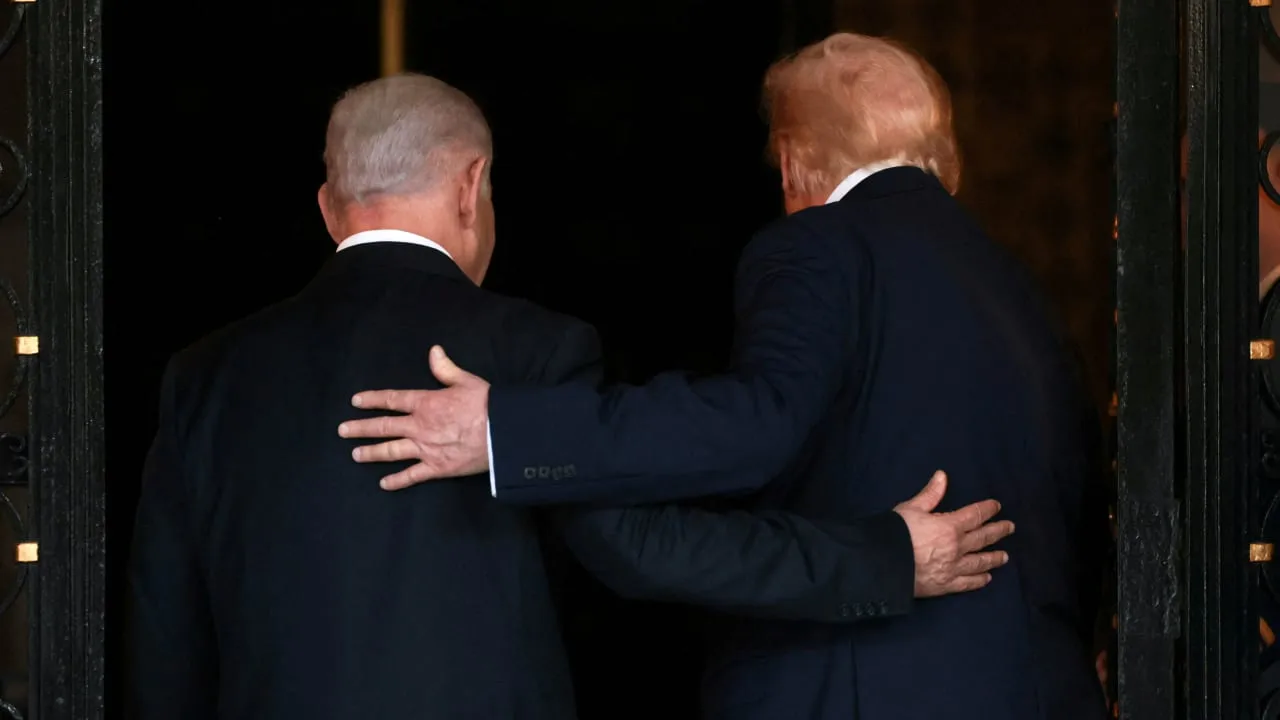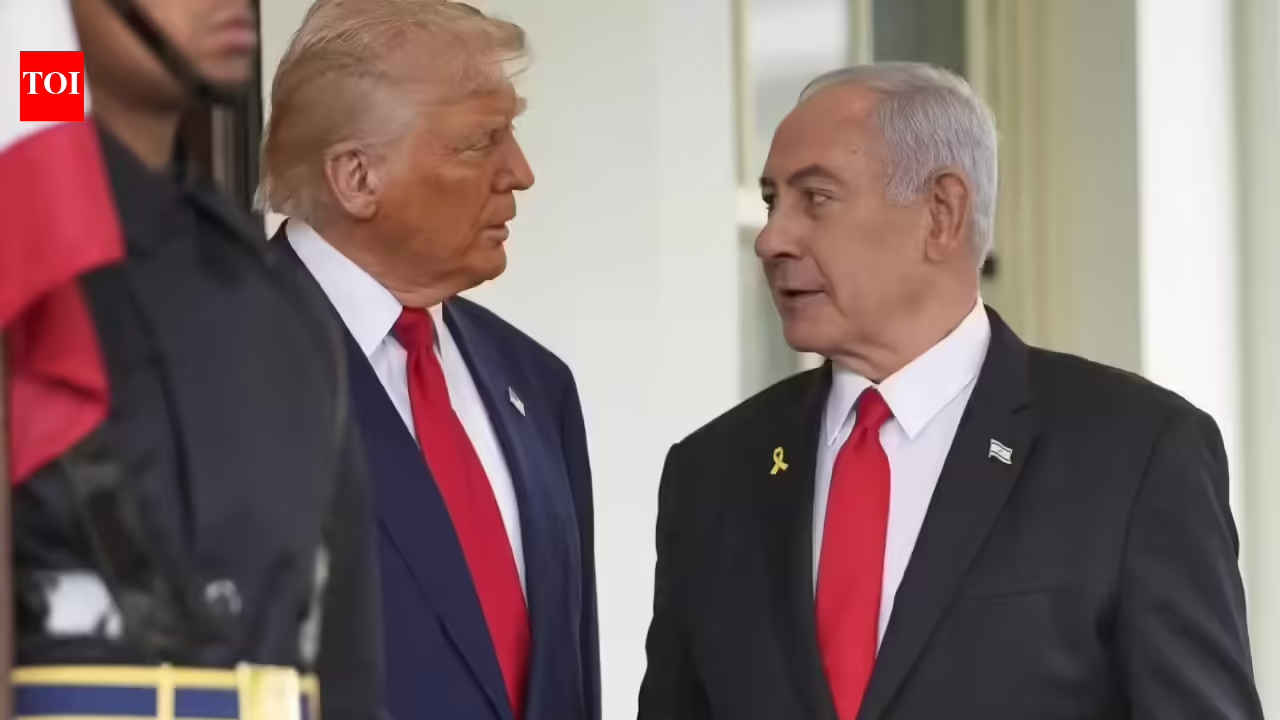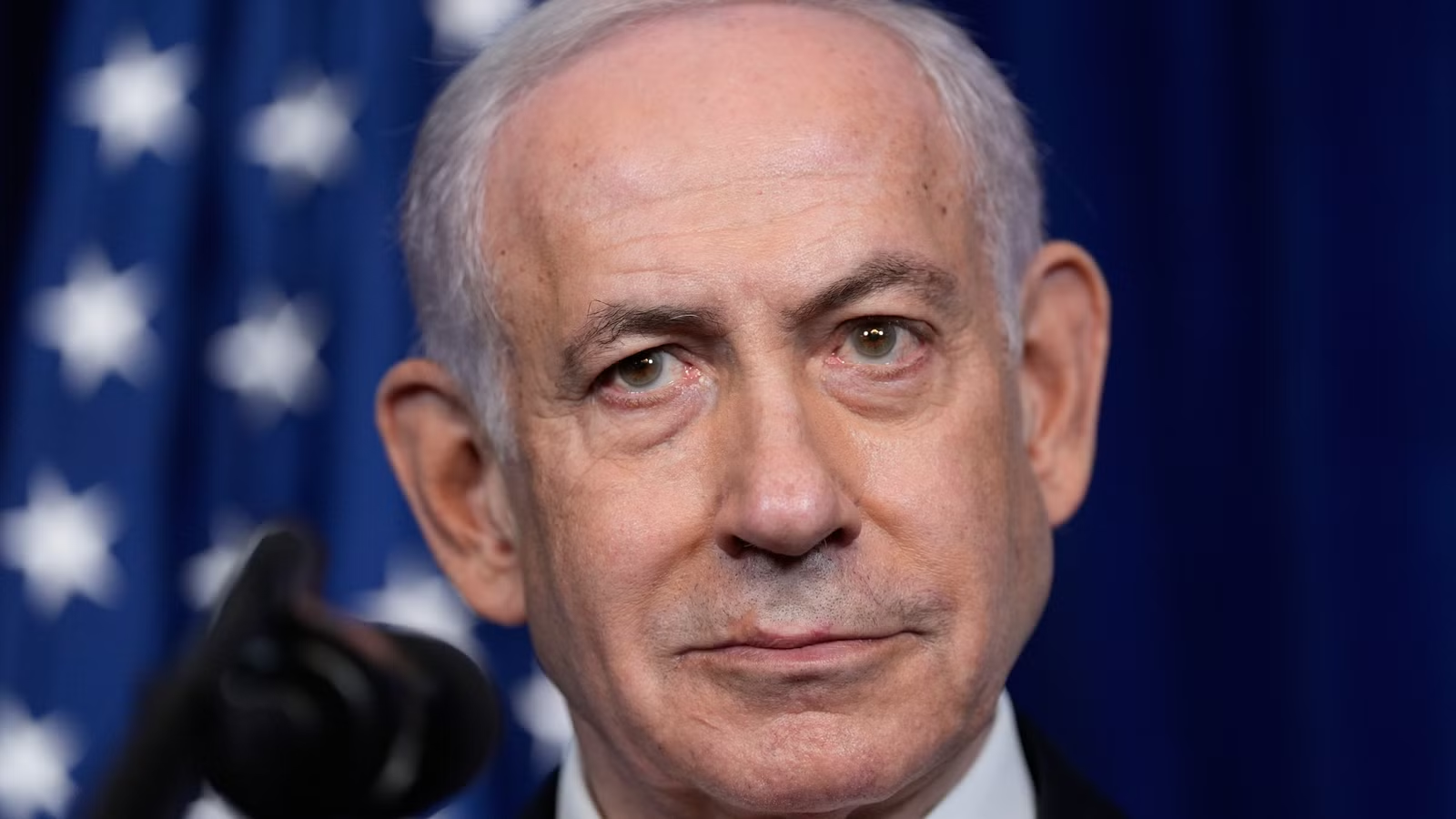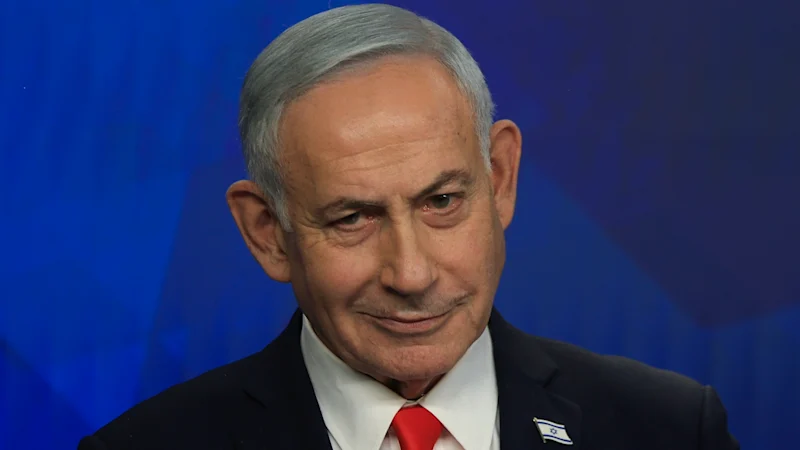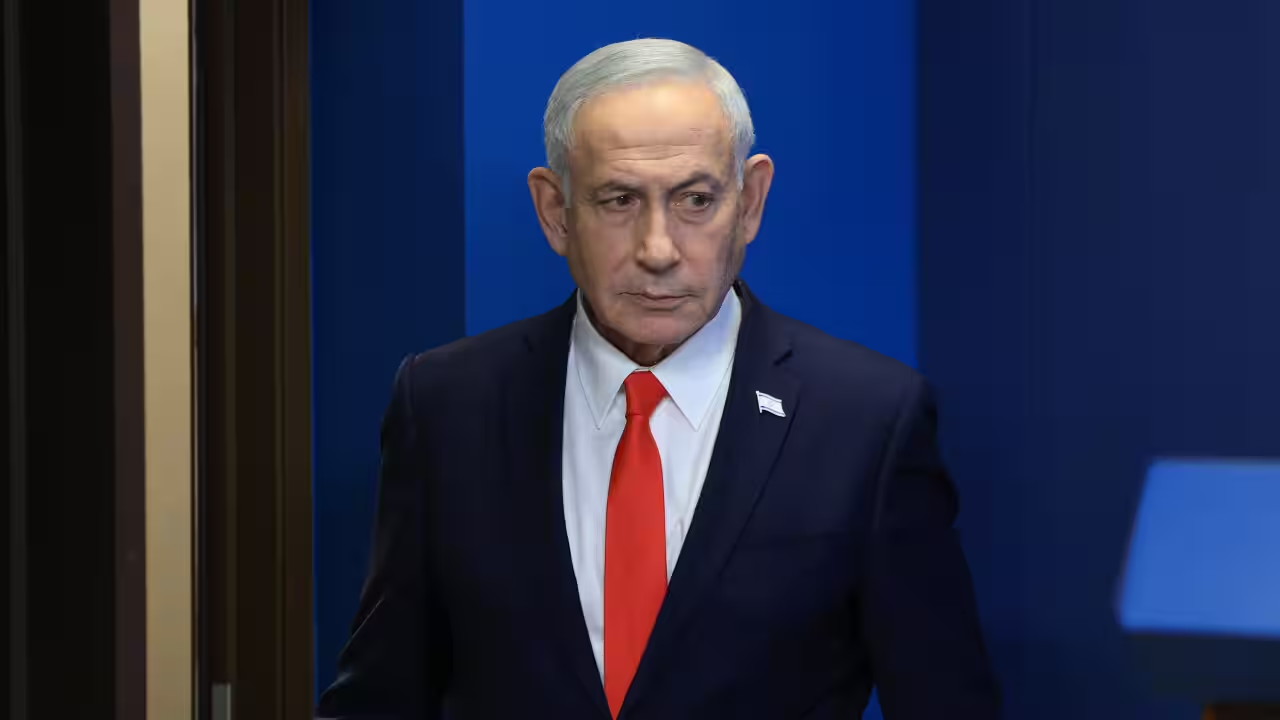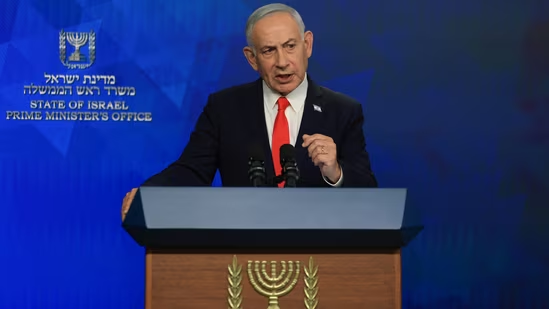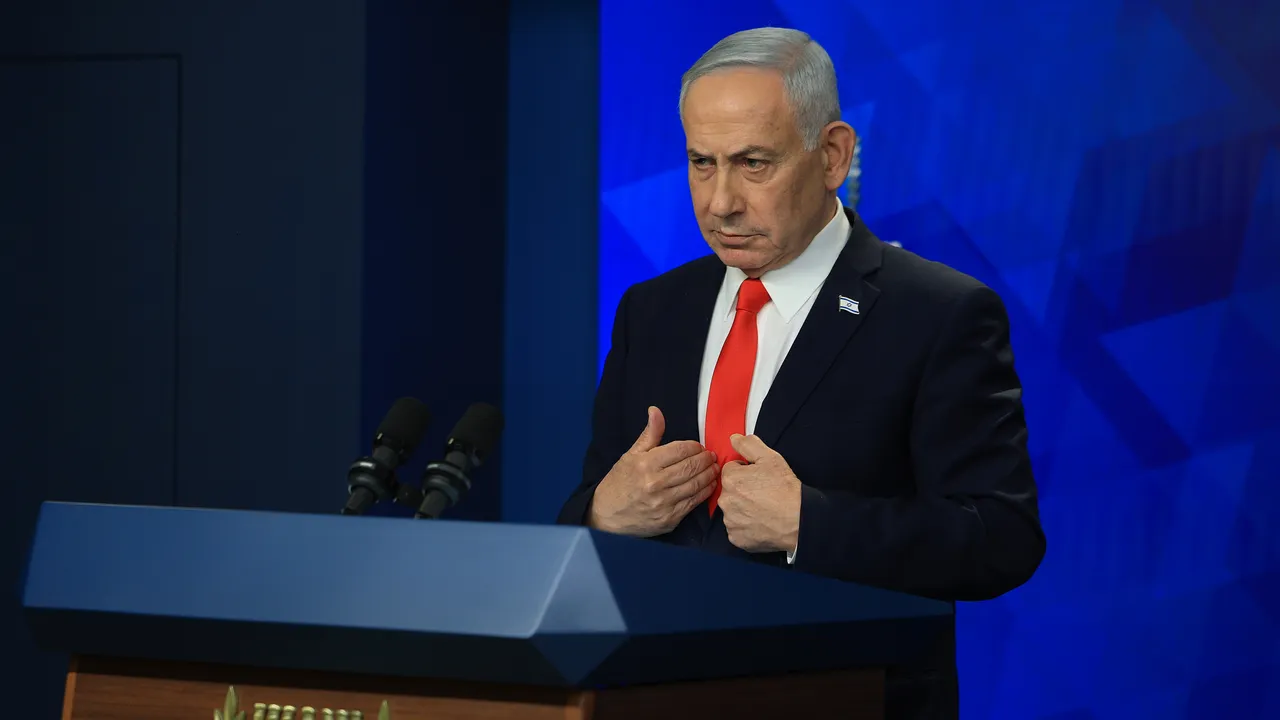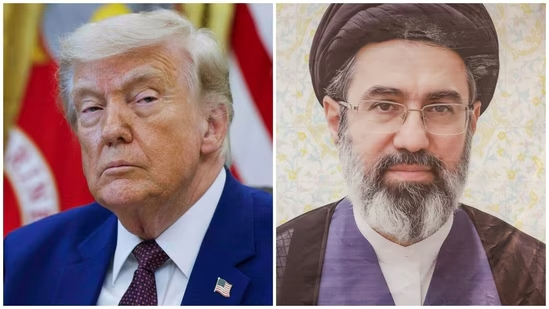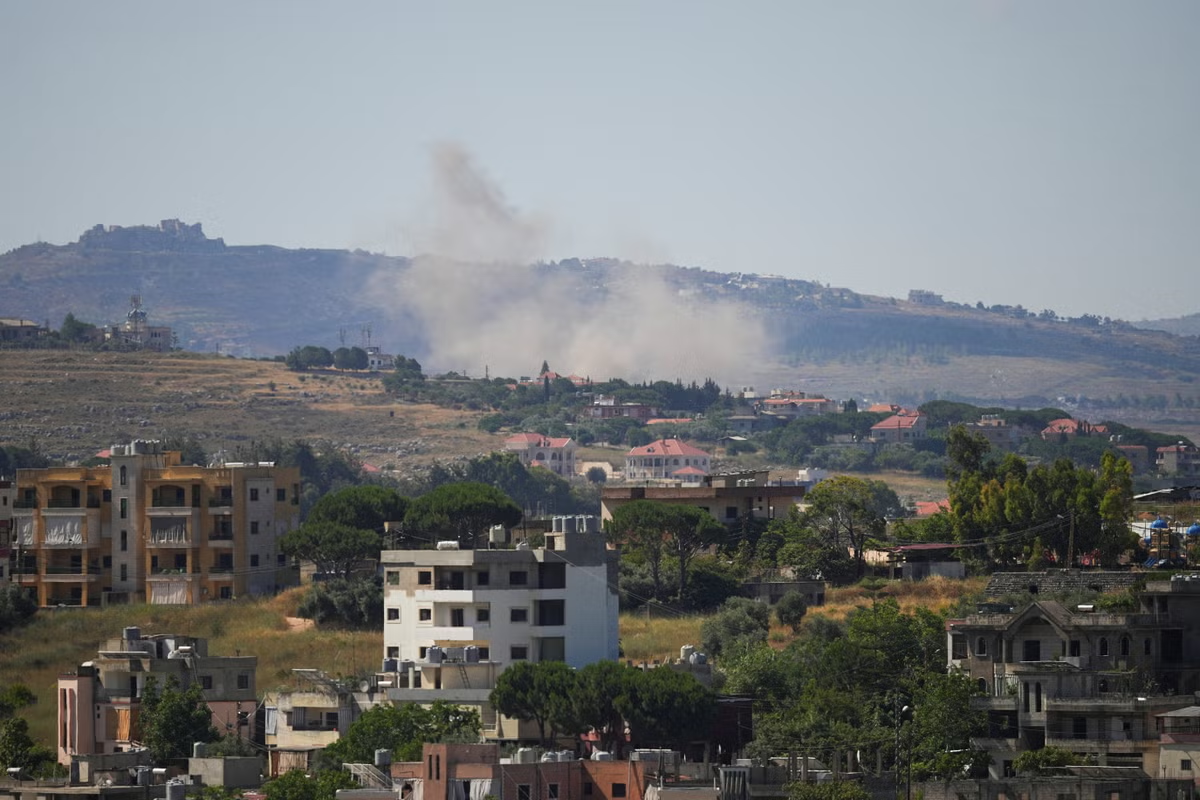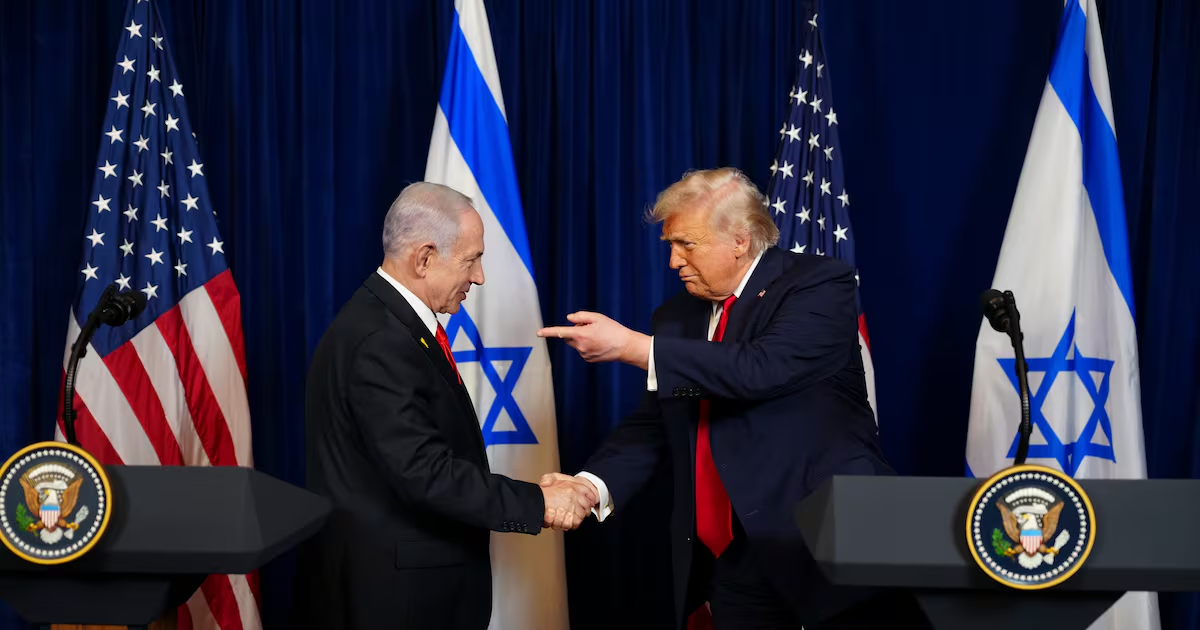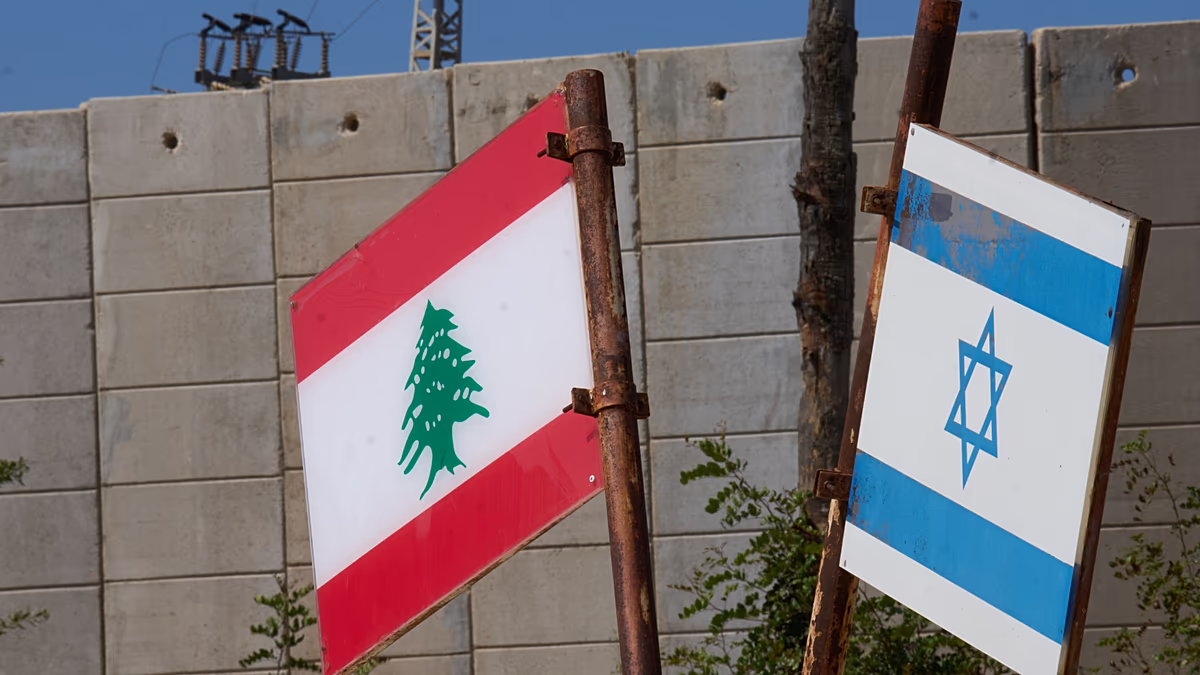
Israel was left reeling by the interim deal signed between the US and Iran overnight, as politicians came to terms with what they widely viewed as a setback for the country's security. There has been no comment from Israeli Prime Minister Benjamin Netanyahu, amid reports that he and US President Donald Trump had angry exchanges before the deal was announced. The main tenets of the arrangement, which appear to focus on reopening the Strait of Hormuz and ending the US naval blockade on Iran, are raising fears in Israel that its main concerns – notably Iran’s ballistic missile programme and sponsoring of regional proxies – will go unaddressed. There is also concern about how effective such an arrangement will be at curtailing the Iranian nuclear programme. The rubble of a destroyed building in Nabatieh, the scene of Israeli attacks on southern Lebanon. AFPInfoThe first official Israeli comment on the deal came from Defence Minister Israel Katz, who said his country’s forces will not withdraw from southern Lebanon, despite the deal stipulating that fighting against Hezbollah would stop. Mr Katz said that he and Prime Minister Benjamin Netanyahu were “leading a clear policy” that the country’s forces would stay in currently occupied parts of Lebanon, Syria and Gaza “indefinitely”.The occupied areas, which Mr Katz called “security zones,” will be “cleared of local residents, and all terror infrastructure, above and below ground, including the houses in the contact-line villages that served as terror outposts, will be destroyed”.“Prime Minister Netanyahu made these points clear to US President Trump and to other senior American officials, and I also made this clear yesterday to US Secretary of War Pete Hegseth,” he added.Mr Katz said that Israel would strike Iran “with full force” if it attacks Israel.Despite the bullish rhetoric, officials within Mr Netanyahu’s own coalition criticised the current state of affairs. Finance Minister Bezalel Smotrich said the deal was “bad for Israel and the entire free world”.National Security Minister Itamar Ben-Gvir called on Mr Netanyahu to stay in Lebanese territory and claimed that the US-Iran agreement does not apply to Israel. “Trump’s agreement does not bind us. Israel is not subordinate to the United States. We are an independent and sovereign country,” Mr Ben Gvir said. “We are not partners to this agreement, which does not safeguard our security.”Israel’s opposition pinned their anger on Mr Netanyahu and used the moment to make their case before elections due in four months.Gadi Eisekot, leader of the Yashar party and one of the Prime Minister’s main opponents at the election, said Israel “wakes up this morning to a deal taking shape far from here and far from Israel's interests”. He said Mr Netanyahu “refuses to look the public in the eye and answer piercing questions with honesty and truth". "Once again, Israeli citizens learn about the deal through reports from foreign leaders,” he added.A poster showing late Iranian supreme leaders Ruhollah Khomeini and Ali Khamenei in Tehran. EPAInfoLeader of the left-wing Democrats party, Yair Golan, said Mr Trump had signed “an agreement that funnels billions to the ayatollahs' regime, leaves the nuclear infrastructure intact, preserves the ballistic threat as is and throws a lifeline to the murderous regime in Tehran”.“This is the culmination of long years of failure. Netanyahu is the man who, for years, sold the public a false image of ‘Mr Security,’ and in reality became the father of Israel's greatest strategic failure in its history,” he added. Mr Netanyahu’s supporters in the media criticised the US administration. Commentator Yinon Magal, widely viewed to be close to the Prime Minister, wrote on X that “Trump came out a loser” and insulted key administration officials. Berale Crombie, a communications expert close to Mr Netanyahu’s Likud party, said the Prime Minister demonstrated he was “the only Israeli leader capable of standing up to the US President, whether Democratic or Republican”.
Israel insists it will not leave Lebanon as Netanyahu flounders over US-Iran deal | The National
PM silent as coalition partners and opponents criticise Trump deal
642 words~3 min read