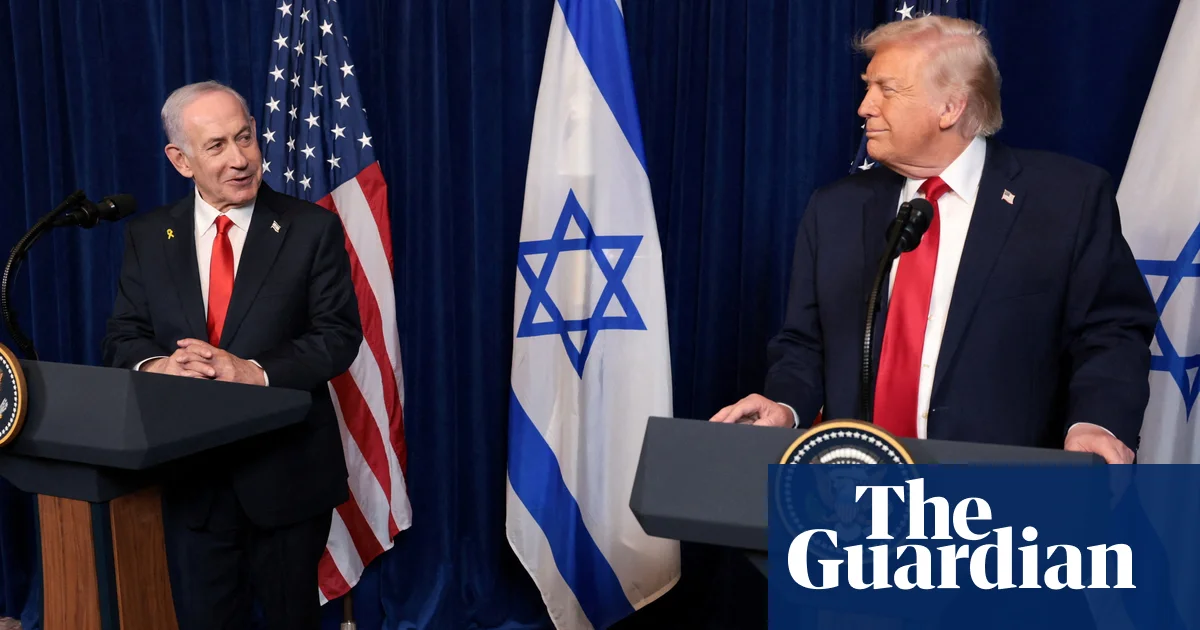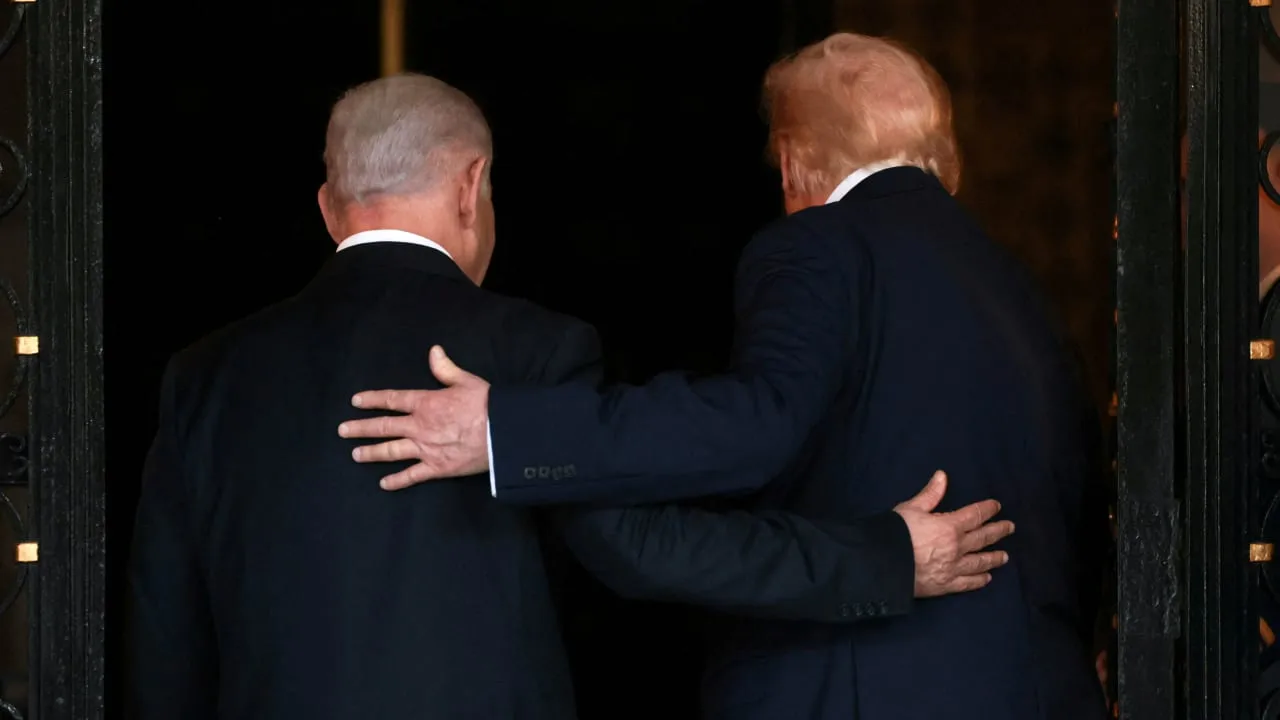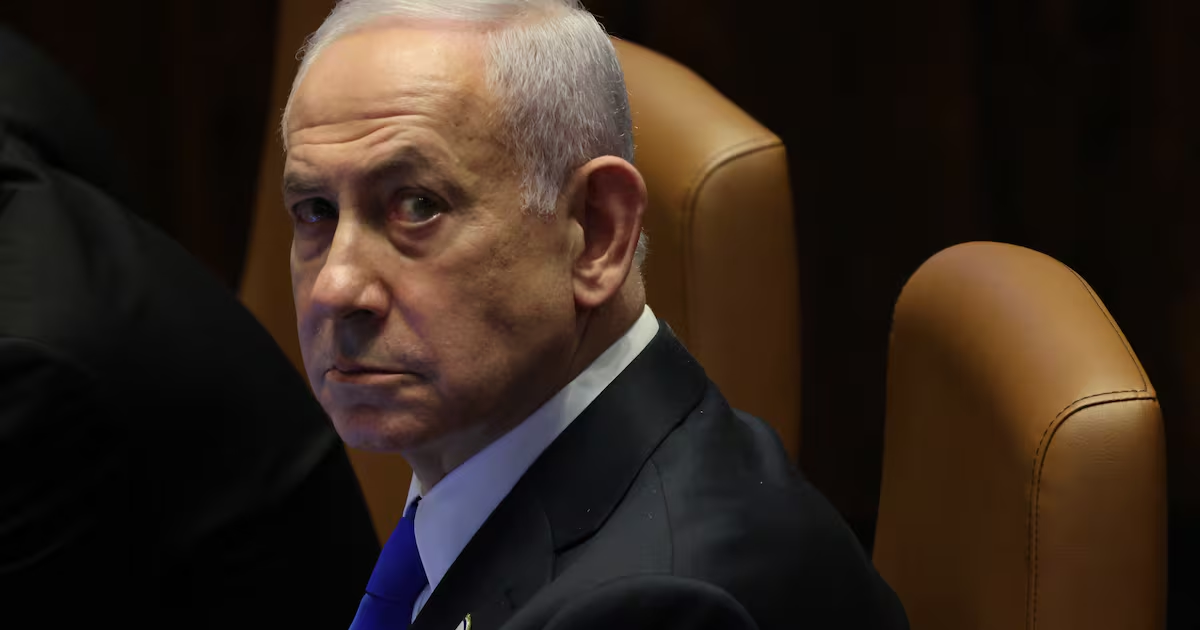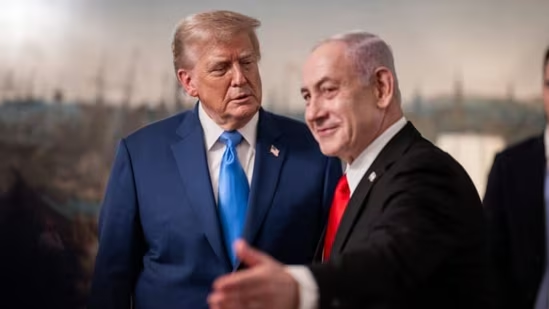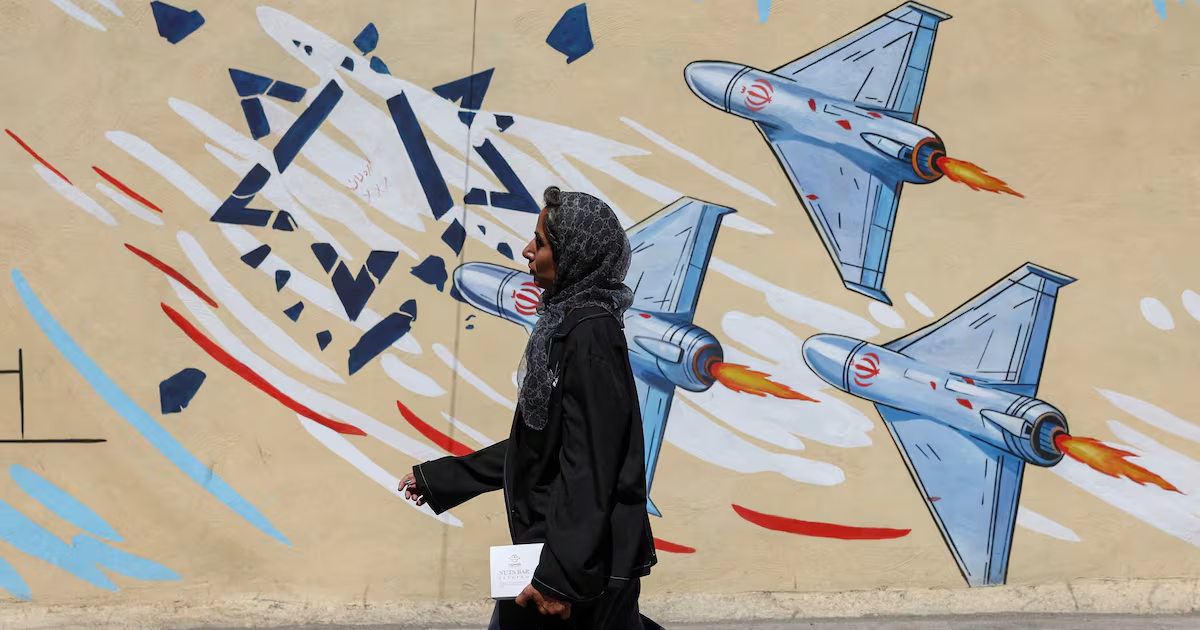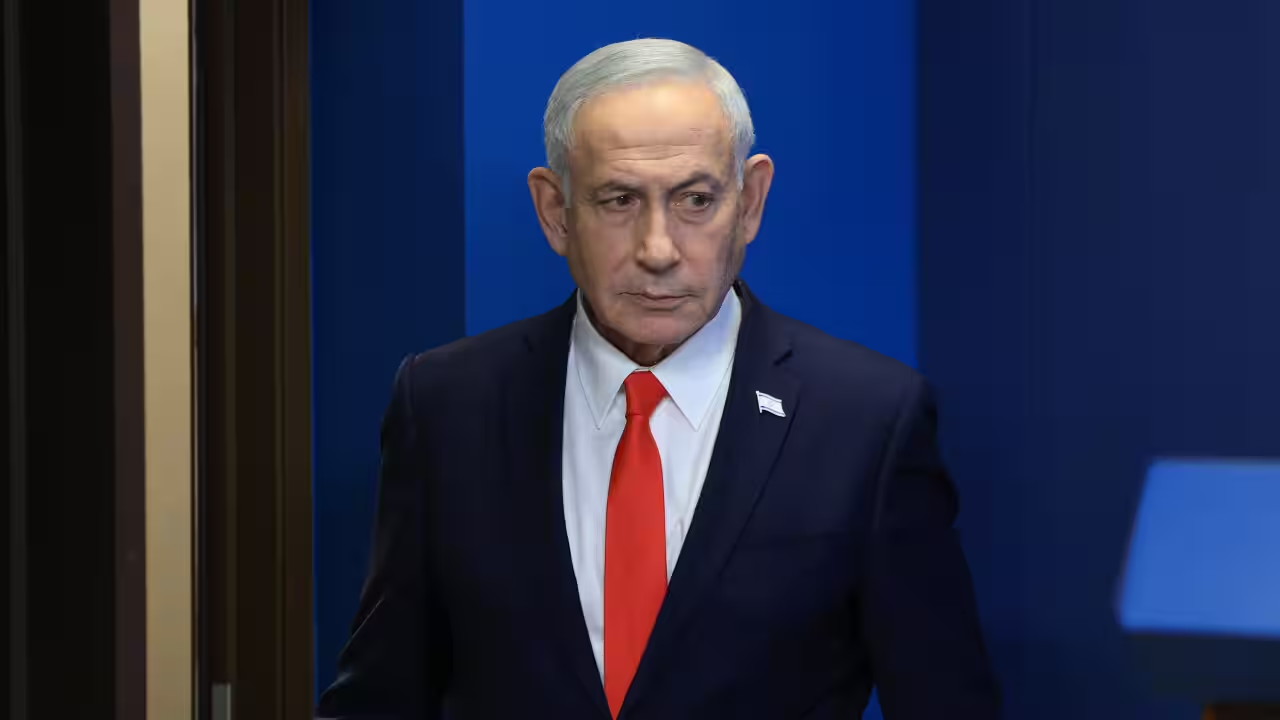
In BriefThe US-Iran memorandum of understanding wants an end to all fighting including in Lebanon — something Israel opposes.Israel's prime minister faces pressure from both the public and his governing coalition to continue the war.Benjamin Netanyahu may struggle to support a United States-Iran peace deal after promising Israelis outcomes the agreement may not deliver, experts say.They say the Israeli prime minister is caught between the US' push to end the fighting and domestic pressure from parts of the Israeli public and the government's far-right coalition partners who expected the war to deal a more decisive blow to Iran, its regime, and Iran-backed groups across the region.The US-Iran deal was announced on Monday morning with further details since released setting up a framework for a broader 60-day negotiation period towards a final agreement.But the deal could also leave other key aims cited by both Netanyahu and US President Donald Trump as justifications for going to war against Iran unresolved, including destroying its missile capabilities and toppling the Islamic regime.Iran's nuclear program is also a major point of tension. While the agreement states the Iranian government "reaffirms that it shall not procure or develop nuclear weapons", the future of the Iranian nuclear program — which the regime has long maintained is for peaceful purposes only — remains open to negotiations.News that makes senseYour trusted source for staying up-to-date with the world around you. Get free daily news updates and analysis, straight to your inbox.The most immediate flashpoint could be Lebanon, where Israeli forces have launched a ground invasion of the south following renewed tensions with Iran-backed Hezbollah — a Lebanese political and military group that Australia, the United Kingdom, the United States, Germany and others have listed as a terrorist organisation. The Memorandum of Understanding (MoU) lists, among other things, an end to conflict on "all fronts" including Lebanon — and that could clash with public sentiment, according to recent polling.Netanyahu, who has strongly supported the US-Israeli campaign against Iran, has insisted Israel is not bound by any agreement in its fight against Hezbollah.A late-May survey from Israel's Institute for National Security Studies suggested that 59 per cent of the 805 respondents believed Israel should intensify its fighting against Hezbollah. Meanwhile, the Israeli Democracy Institute in April found 80 per cent of Jewish respondents supported continued fighting against Lebanon even if it caused friction with the US. The Jewish sub-sample size was not clearly stated, but it reported polling 502 Hebrew language respondents and 100 Arabic-language respondents.The terms of the deal also put Netanyahu under pressure at home, with Israeli opposition leader Yair Lapid recently saying there had "never, ever, been a more absolute failure than Netanyahu's diplomatic failure on the Iranian front".Shahar Burla, a lecturer and contributing editor of Australian media outlet The Jewish Independent, told SBS News that it's the first time since Hamas' 7 October 2023 attacks on Israel that there was "a consensus between the right and the left — that it's a really bad agreement strategically for Israel". "The feeling is that ... Israel has basically lost its ability to react to those attacks of Hezbollah," he said.Ran Porat from the Australian Centre for Jewish Civilisation at Monash University agreed, saying the Israeli public saw the deal as one that "ties Israel's hands" in tackling Hezbollah.He said those in the north of Israel were under threat from Hezbollah strikes, even as the Israeli army was operating in southern Lebanon."Within Israel, the government has a responsibility and made promises that are not being kept to protect those residents of the north, and that is seen as a great, great failure of the Netanyahu government," he said.Israel launched its ground invasion of southern Lebanon in March after Hezbollah retaliated following the US-Israeli strikes on Iran. Israel says it aims to expand its security buffer zone in southern Lebanon until Hezbollah is no longer a threat, while the Lebanese government says the country's sovereignty is being violated. 'Exuberant promises' and real achievementsBoth Burla and Porat said the pressure on Netanyahu partly stemmed from "unrealistic expectations" he had set.Not only did Netanyahu promise that attacking Iran would destroy Iran's nuclear project and considerably degrade its missile capabilities, but he also said it would cause Iran to "lose its grip on the proxy of terror networks across the Middle East, the Houthis, Hezbollah and so forth", Porat said."All of these big claims are questionable to say the least, and the MoU [between the US and Iran] ... doesn't deal with any of these issues and only includes a very vague reference to the nuclear issue."Burla said Netanyahu's promise to disarm Hezbollah "was unrealistic from day one, and it's proven to be the case", adding that it created expectations among some Israelis that he would be able to do so.. Previous Israeli attacks against Hezbollah — such as the pager attacks and killing of former leader Hassan Nasrallah, both in September 2024 — had created a "high expectation" of Israel's ability to weaken its enemy to the north, he added.While not claiming to have eliminated Hezbollah, the government and military presented these attacks to the Israeli public as having "hurt them very, very, very significantly and they will not be able to recover for years now".So when Hezbollah began firing on Israel following the US-Israeli attacks on Iran, the Israeli public's view was that Hezbollah had fallen into a trap, Burla said."The first sense in the first week or so was ... that it was a trap that was designed by the IDF (Israel Defense Forces) to get Hezbollah back into the picture in order to eliminate it completely," he said. "And what happened is, Hezbollah maybe fell into the trap, but the IDF found out that it cannot eliminate it and the organisation recovered quite quickly and adopted new tactics that really hurt the Israelis, the IDF and all the areas in the north of Israel."Since Hezbollah began firing on Israel on 2 March, at least 28 Israeli soldiers have been killed in Lebanon, according to a tally by the Reuters news agency of Israeli military announcements, while four Israeli civilians have been killed in Hezbollah attacks. In Lebanon, at least 3,783 people were killed and 11,699 wounded between 2 March and the announcement of the US-Iran deal on 14 June, according to the country's health ministry. The toll included 247 children, 363 women and 133 healthcare workers, though the ministry does not distinguish between civilians and combatants and Hezbollah has not disclosed how many of its fighters were killed. Lebanese authorities say more than 1.2 million people have been displaced.Speaking at the close of the G7 summit in France on Wednesday, Trump criticised the Israeli campaign in Lebanon and suggested Syria be called on to help.Israel "is fighting Hezbollah too long and too many people are being killed," he said."I suggested to Israel to let Syria take care of Hezbollah as, to be honest with you, I think they would do a better job.Speaking again at the summit's close a day later, Trump said Netanyahu could apply a "softer touch"."I say you can do a little softer touch, Bibi," Trump said, referring to Netanyahu by his nickname. "You don't have to knock down a building every time somebody walks into it that's from Hezbollah."'He's definitely trapped'While some Israelis may now be reconsidering whether Hezbollah really fell into an Israeli trap in March, the Israeli prime minister faces one of his own, Burla said."He's definitely trapped between those two conflicting agendas: the American agenda to stop the fight in Lebanon and the internal political [agenda] to keep on the fighting, or at least show that you can keep on hurting Lebanon and Hezbollah."In addition to the pressure from the Israeli public, Netanyahu is also under pressure to keep his governing coalition together ahead of the country's upcoming election, expected later this year."Netanyahu is bound to his coalition partners, for this government and for any future government, and his partners are the extreme right, it's [Israeli finance minister] Bezalel Smotrich and [national security minister Itamar] Ben-Gvir," Burla said. "And the one thing that they don't want to do is acknowledge military defeat .... particularly on the Lebanon front at the moment.""So [Netanyahu's] ability to accept anything else but keep on the fighting is difficult."— With additional reporting by the Reuters news agency.For the latest from SBS News, download our app and subscribe to our newsletter.
Netanyahu made 'unrealistic' promises. Now the US-Iran deal may test him
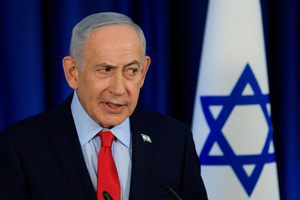
The deal leaves Benjamin Netanyahu caught between US pressure to stop fighting and promises he made to Israelis, experts say.
1,402 words~6 min read