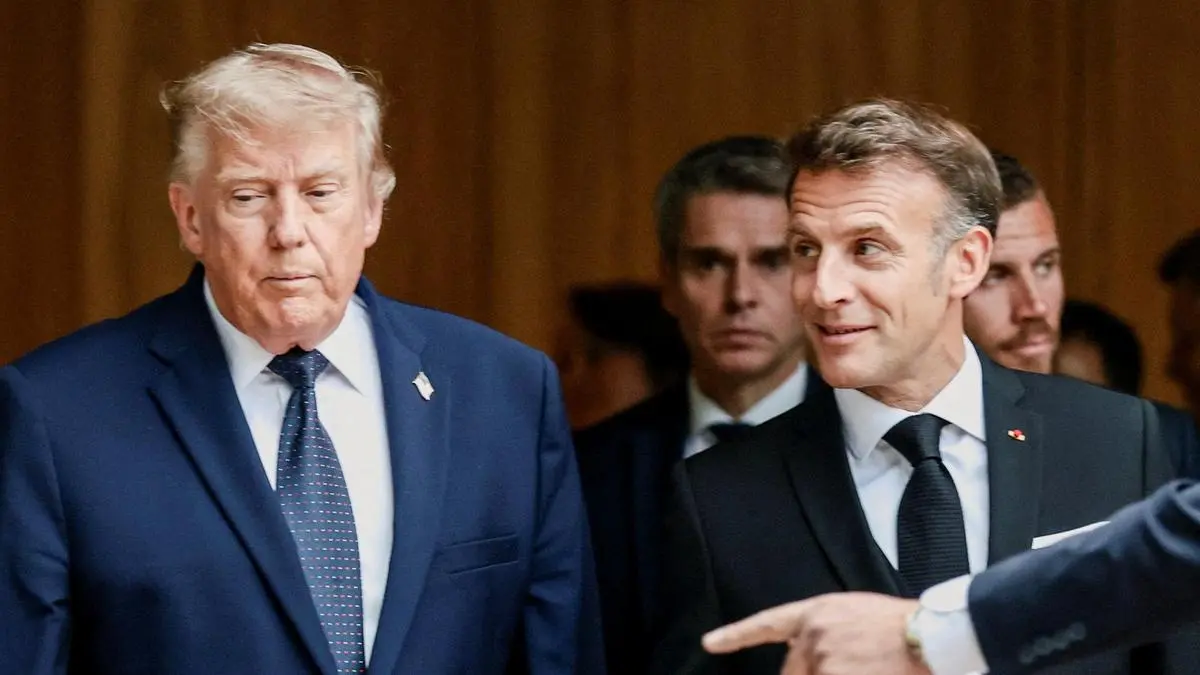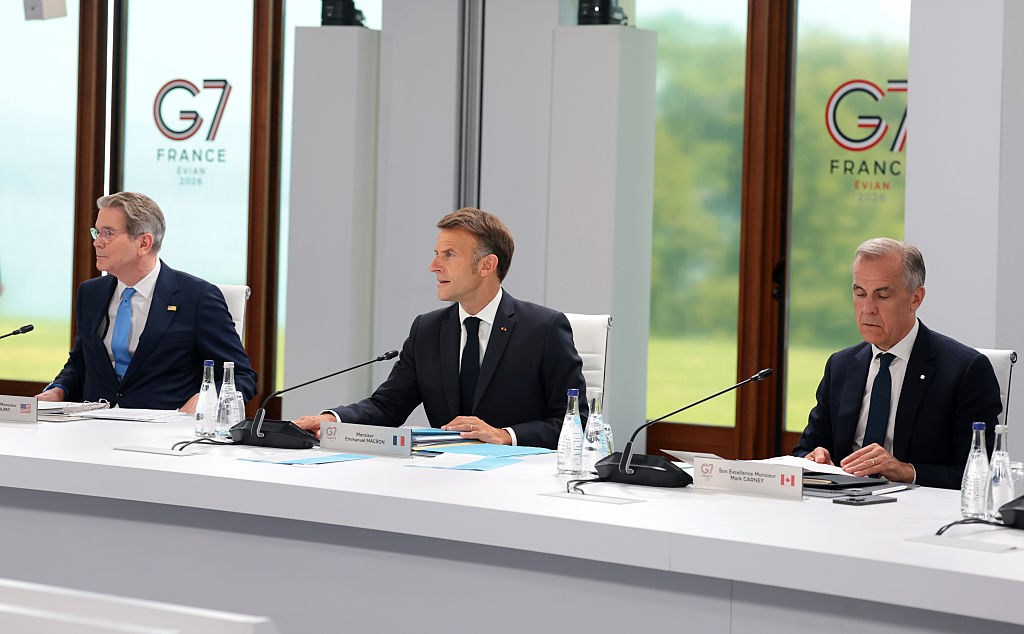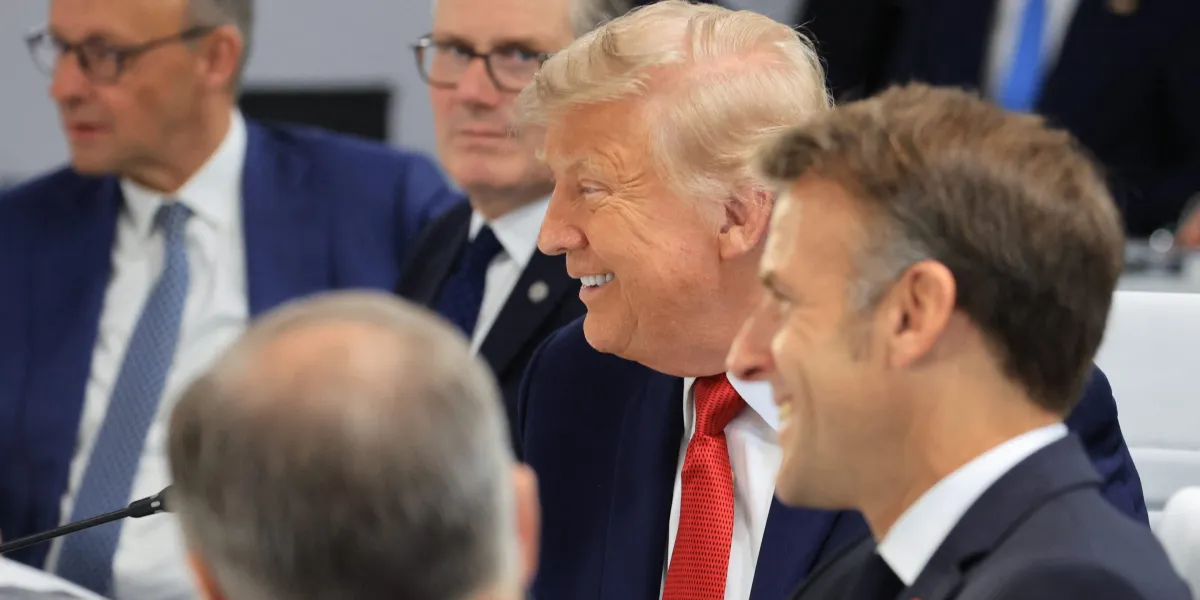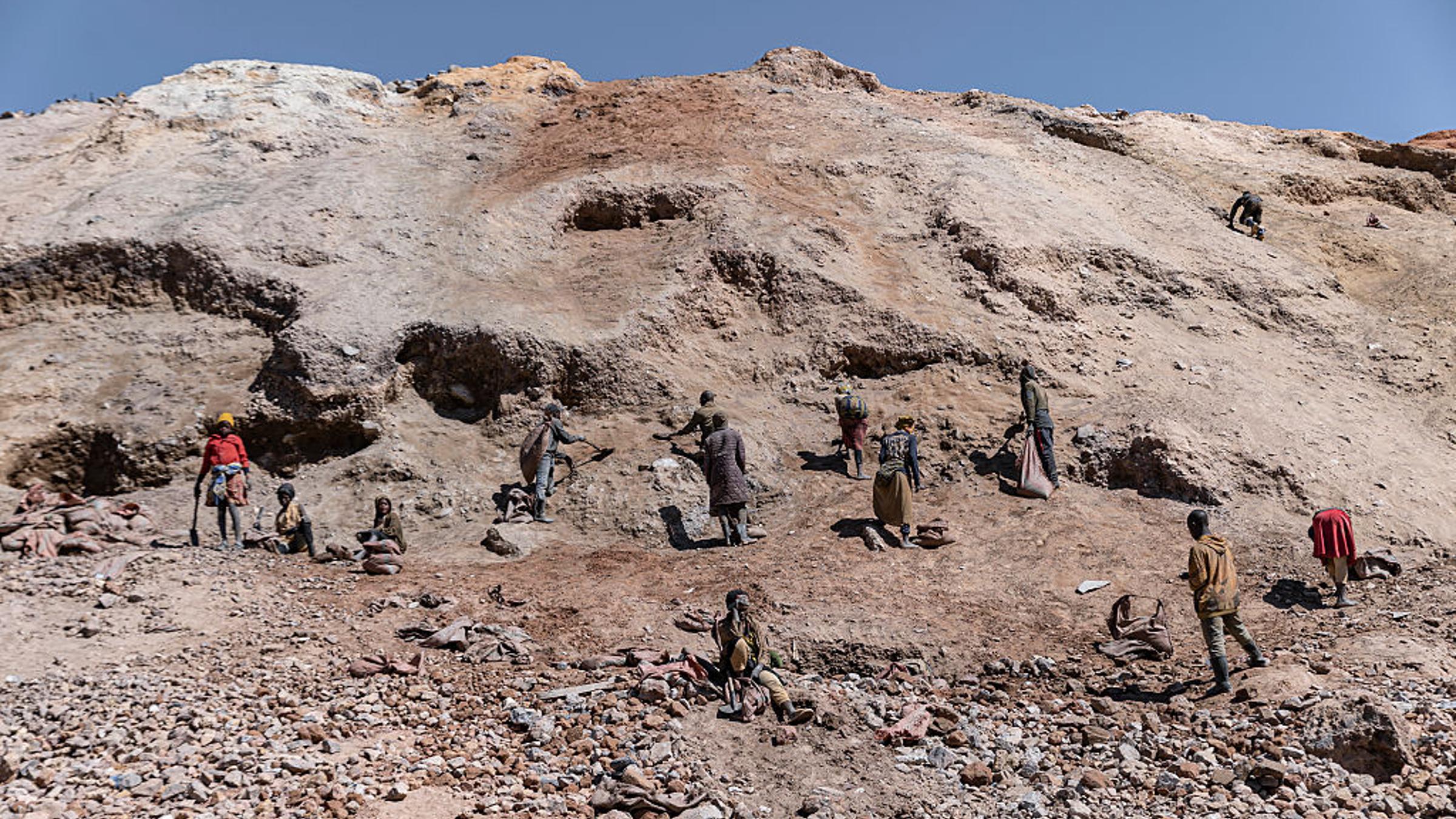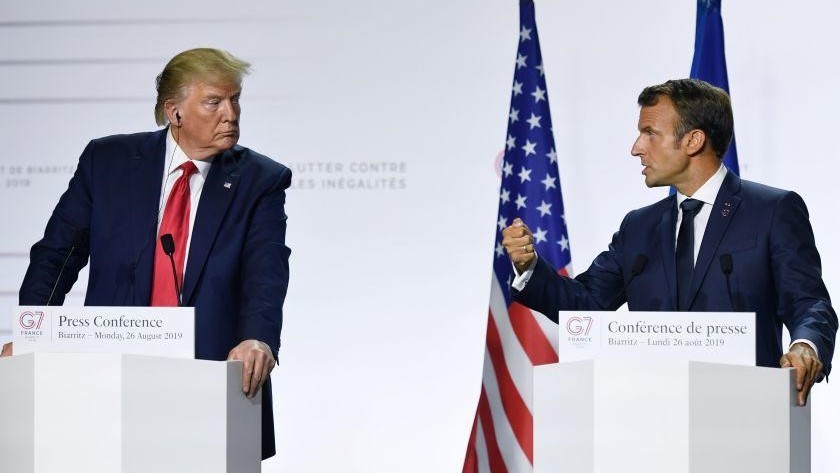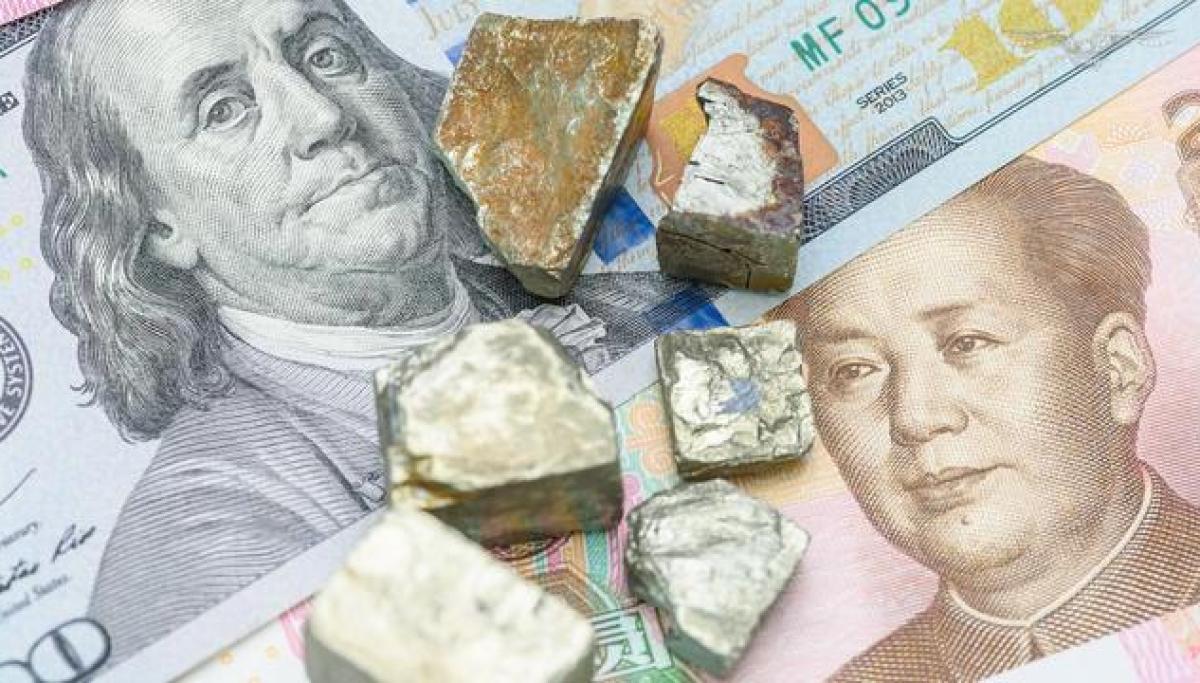
The critical minerals powering the U.S.’s defense systems, semiconductors, and electric vehicles are being extracted by forced labor. As the world’s democracies gather for the G7 summit this week, President Donald Trump has the opportunity and strategic interest to do something about it. Reducing dependence on Chinese critical minerals, which are tainted with state-imposed forced labor and the repression of the Uyghur population, is already central to Trump’s G7 agenda. However, the United States and its G7 allies, the leading industrialized nations, should use this moment to demonstrate commitment to collective national security by rejecting the use of forced labor in global commerce and increasing America’s economic competitiveness.Currently, most U.S. companies are not sourcing critical minerals directly — they are buying components, materials, and finished goods that contain them. Most have no clear picture of which minerals are inside those products, whose labor extracted them, or what supply chain they traveled through to get there. Critical minerals power everything from batteries and semiconductors to defense systems and renewable energy technologies. Yet for too long, U.S. companies and consumers have been unwittingly dependent on supply chains where transparency is deliberately obscured.
Trump’s G7 moment: End dependence on forced labor supply chains
On the 250th anniversary of this nation, we should invest in upholding human dignity and freedom by ending our economic reliance on forced labor.
892 words~4 min read