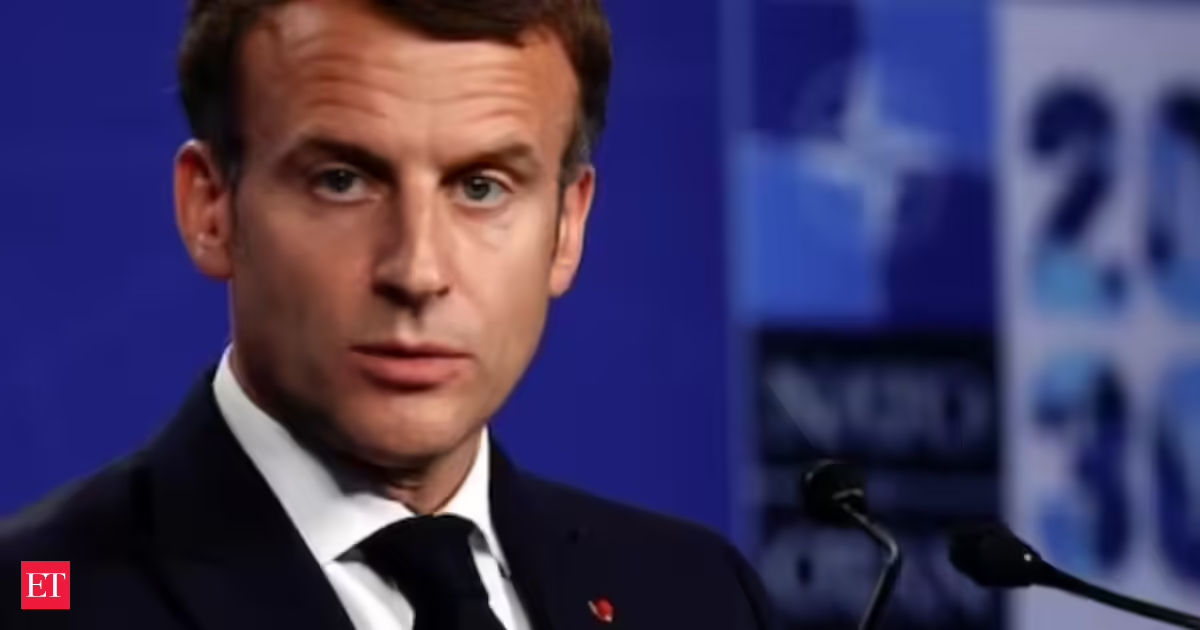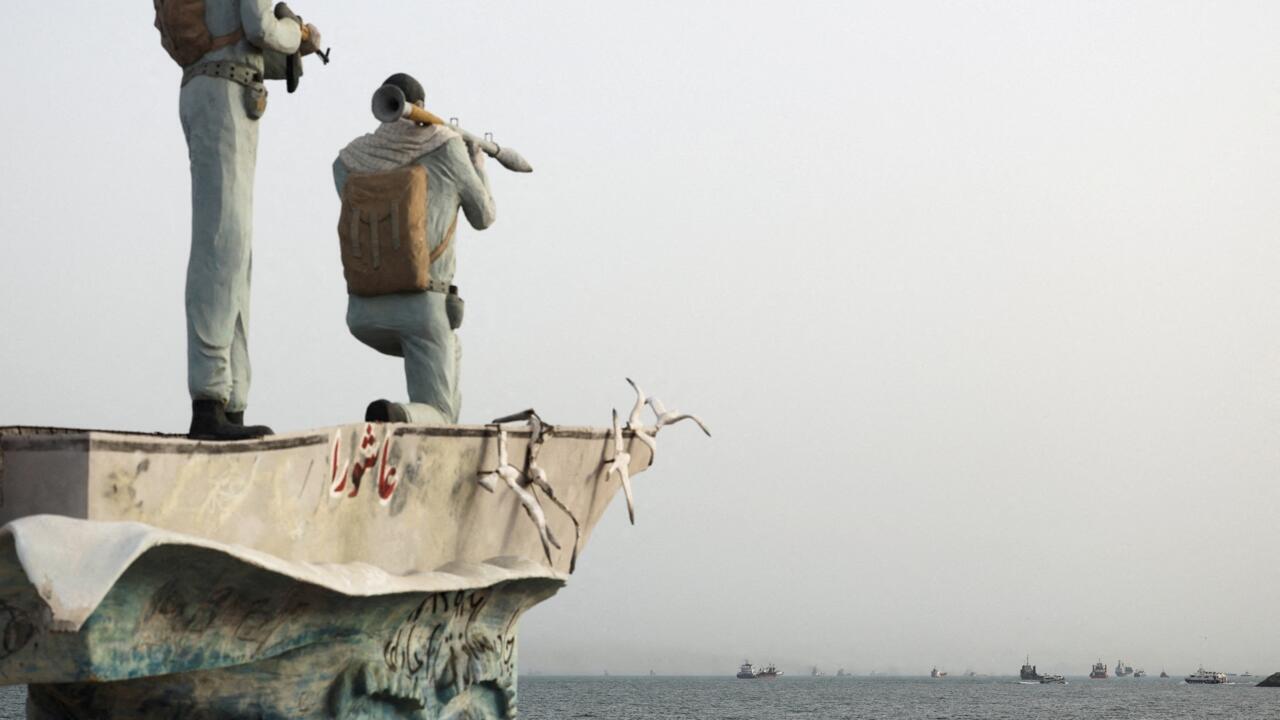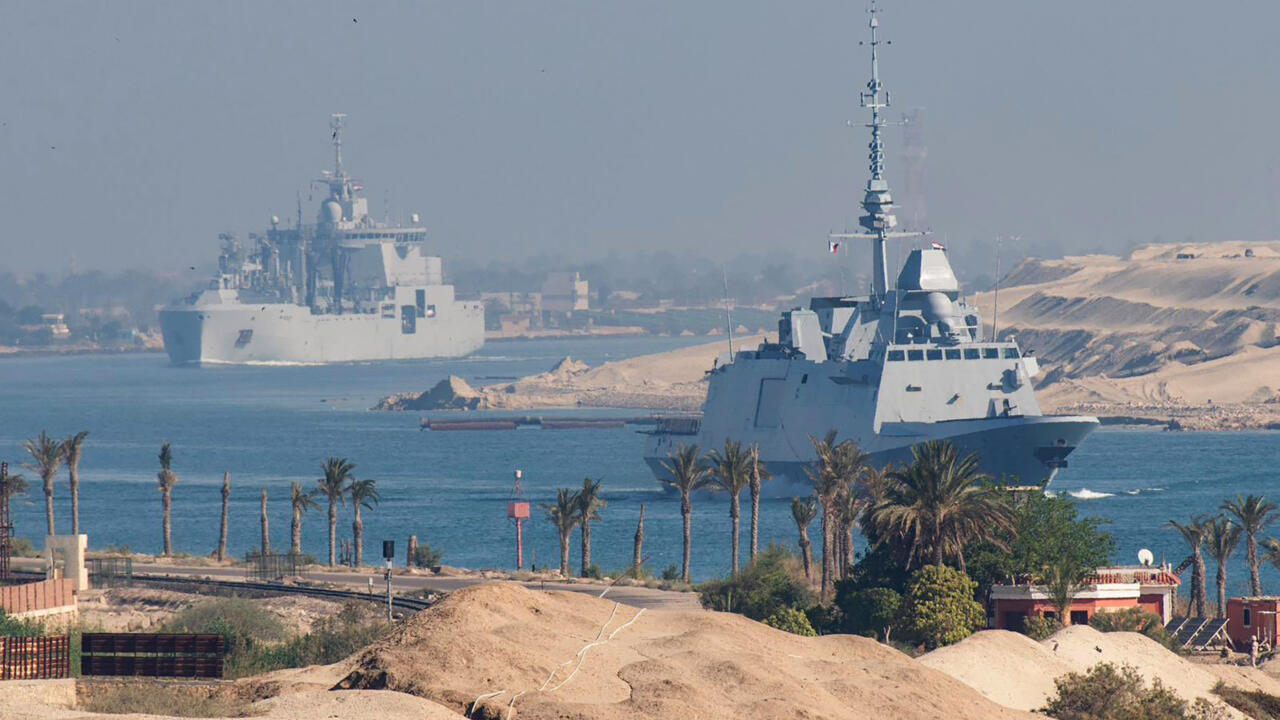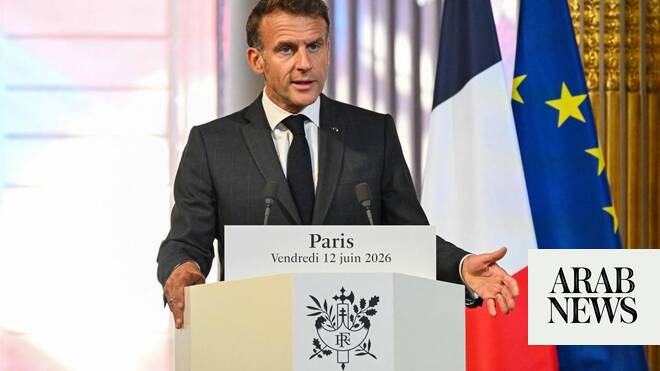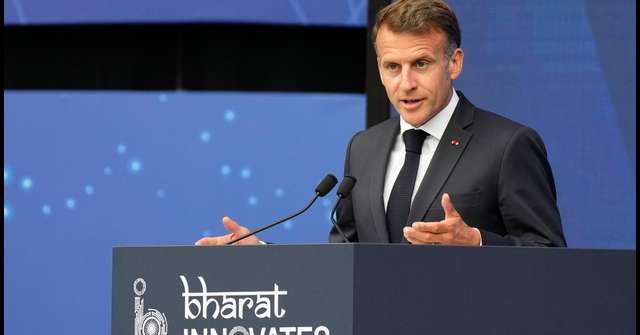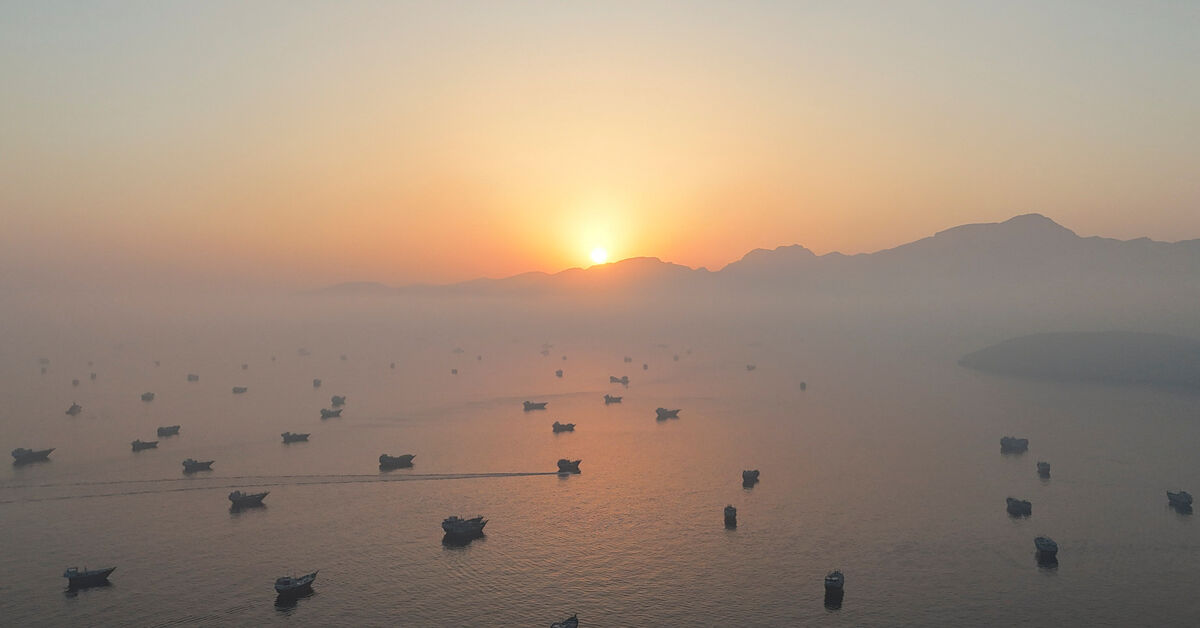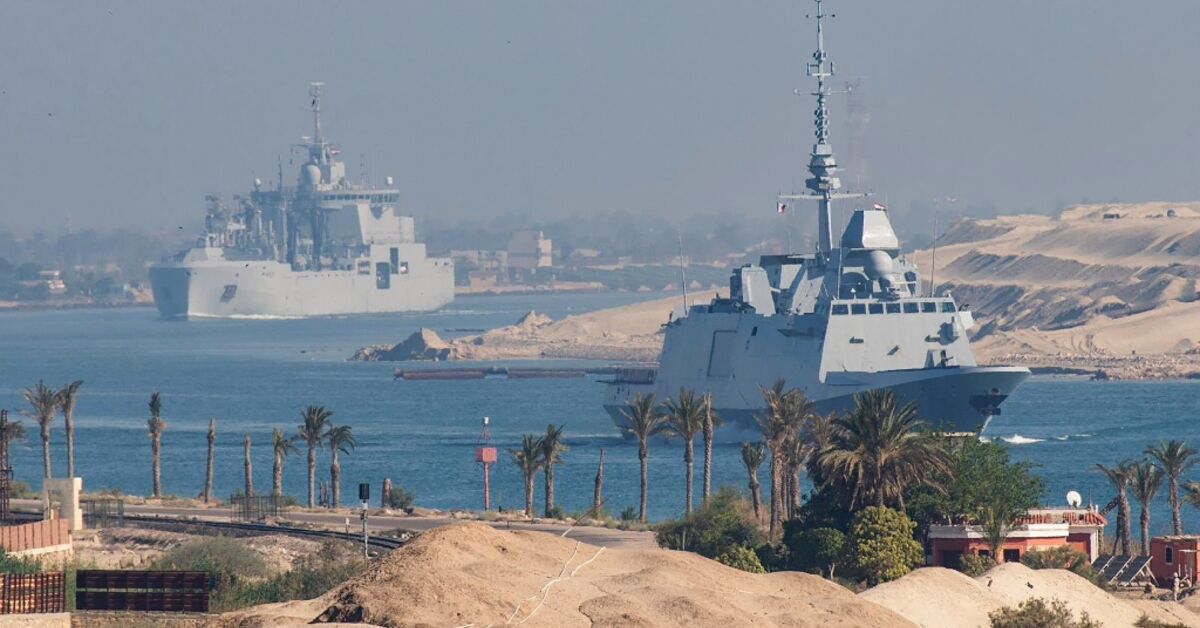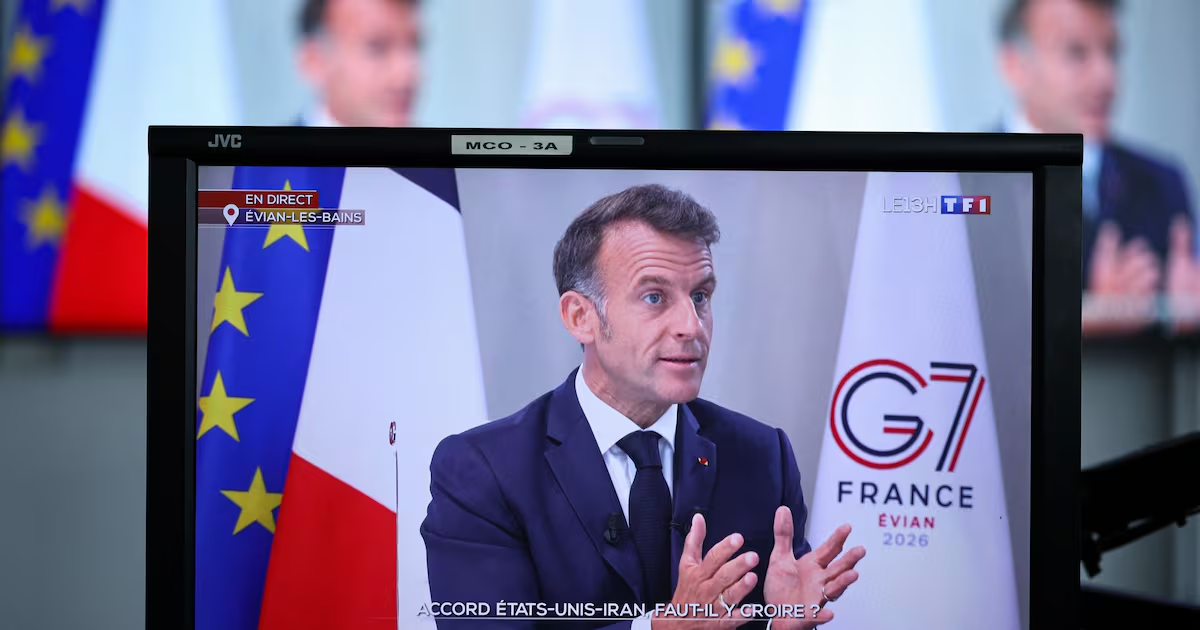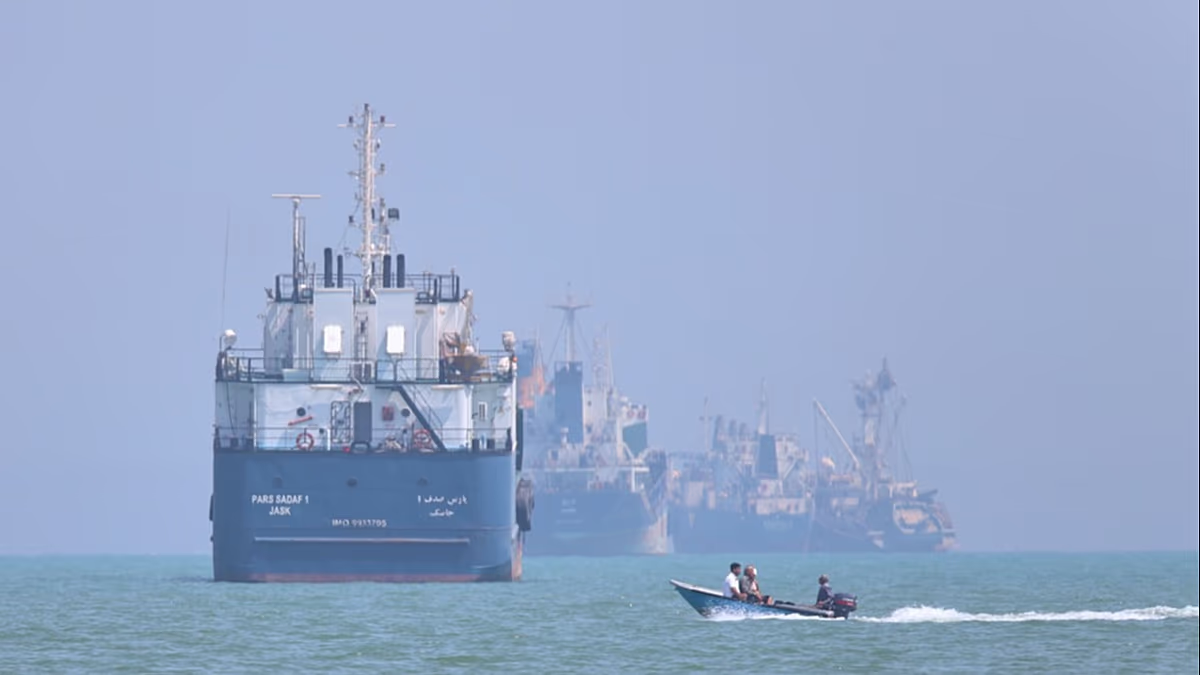
French President Emmanuel Macron is putting the world on notice: the moment Washington and Tehran shake hands on a deal, a multinational armada is ready to move. The mission, co-led by France and the United Kingdom, has been quietly assembled with contributions from up to 15 countries. Its purpose is straightforward: defensive escort of commercial vessels and mine-clearing operations in the Strait of Hormuz, the narrow waterway that functions as the jugular vein of global energy markets.
Why the Strait of Hormuz matters to everyone
The Strait of Hormuz serves as a crucial chokepoint for approximately 20% of the world’s oil consumption. The current crisis traces back to escalating Middle East hostilities in 2026, which triggered blockades targeting commercial shipping routes. Those disruptions have rippled across global commodity markets, rattled supply chains, and injected a persistent risk premium into oil and gas prices.
The diplomatic calculus
Macron has framed this as a moment that demands urgency. His public messaging has centered on seizing the current diplomatic window with the US and Iran, advocating for a ceasefire and the immediate reopening of the strait without preconditions.