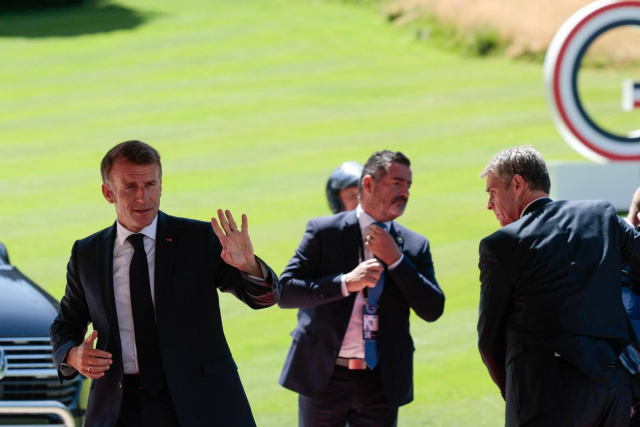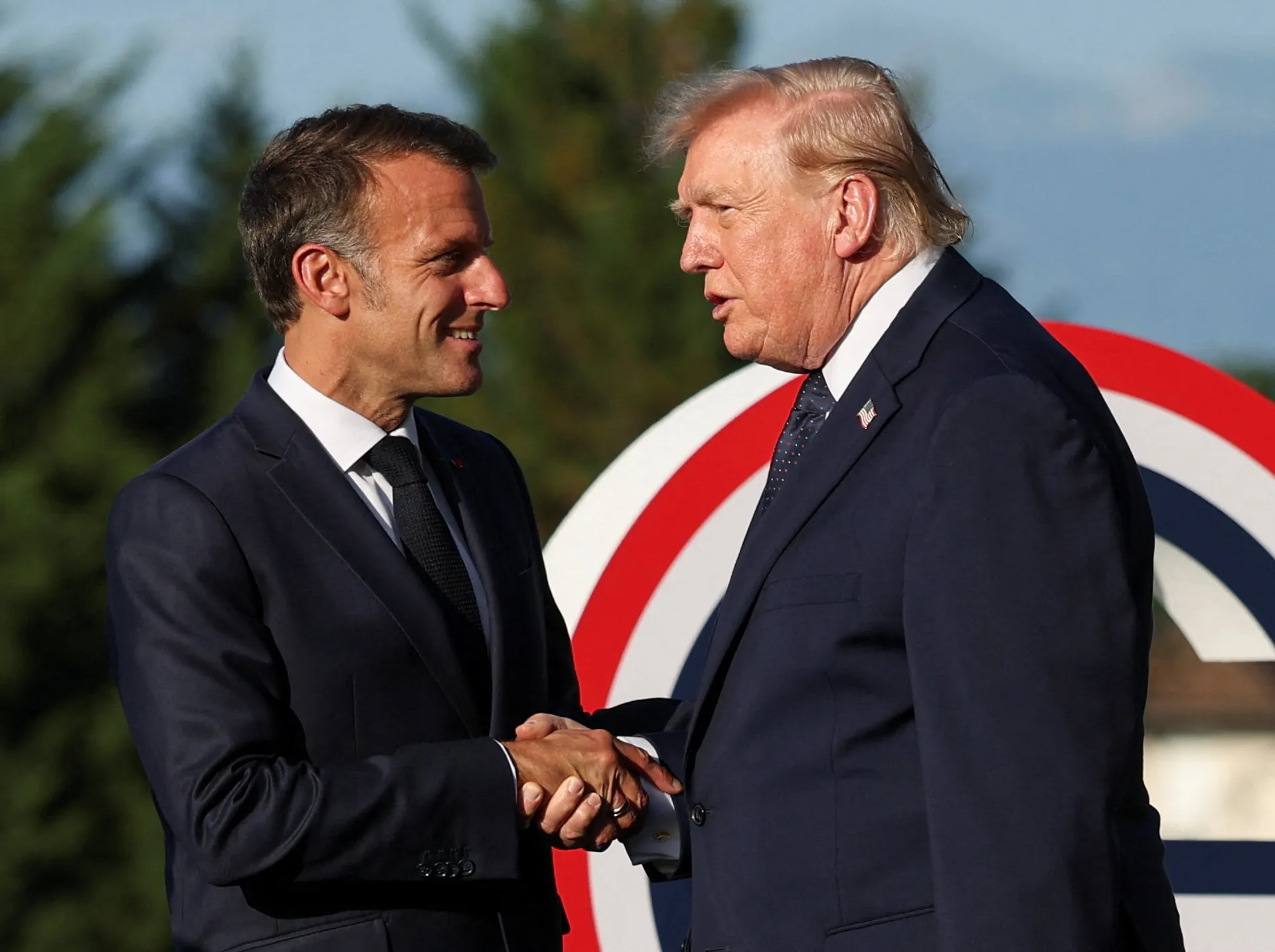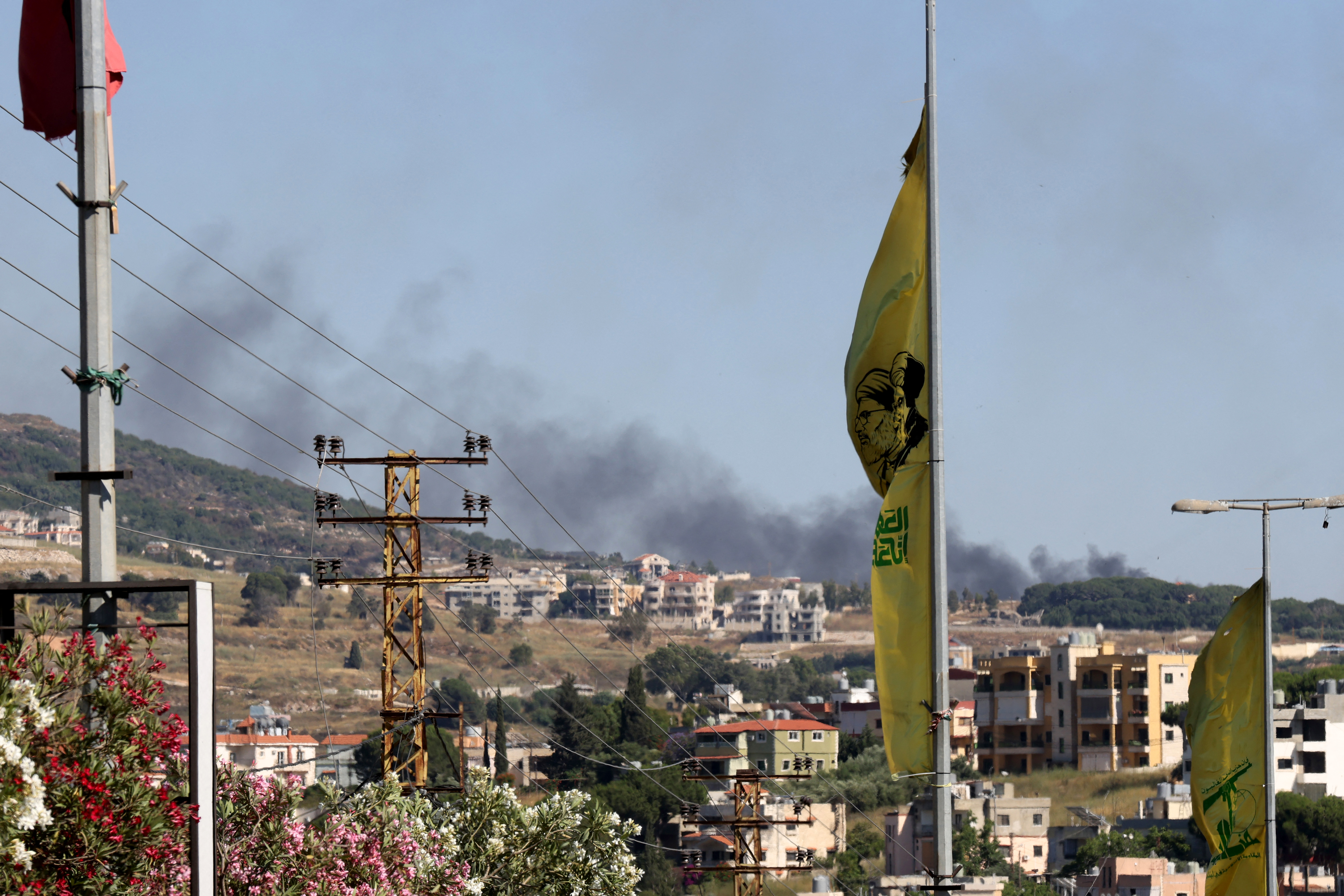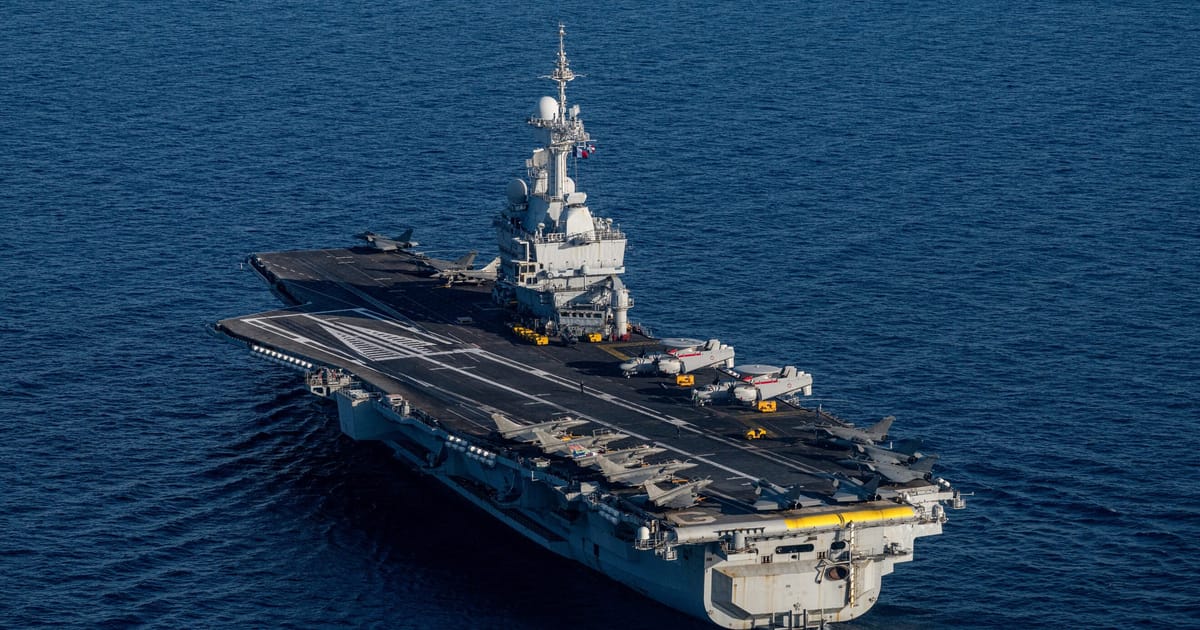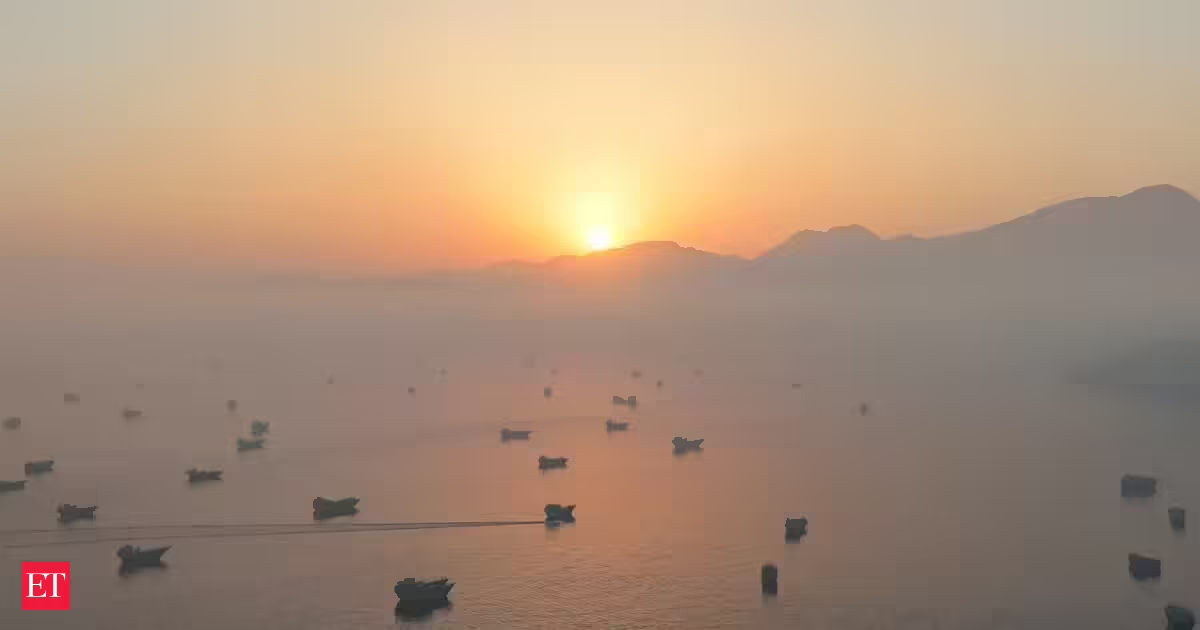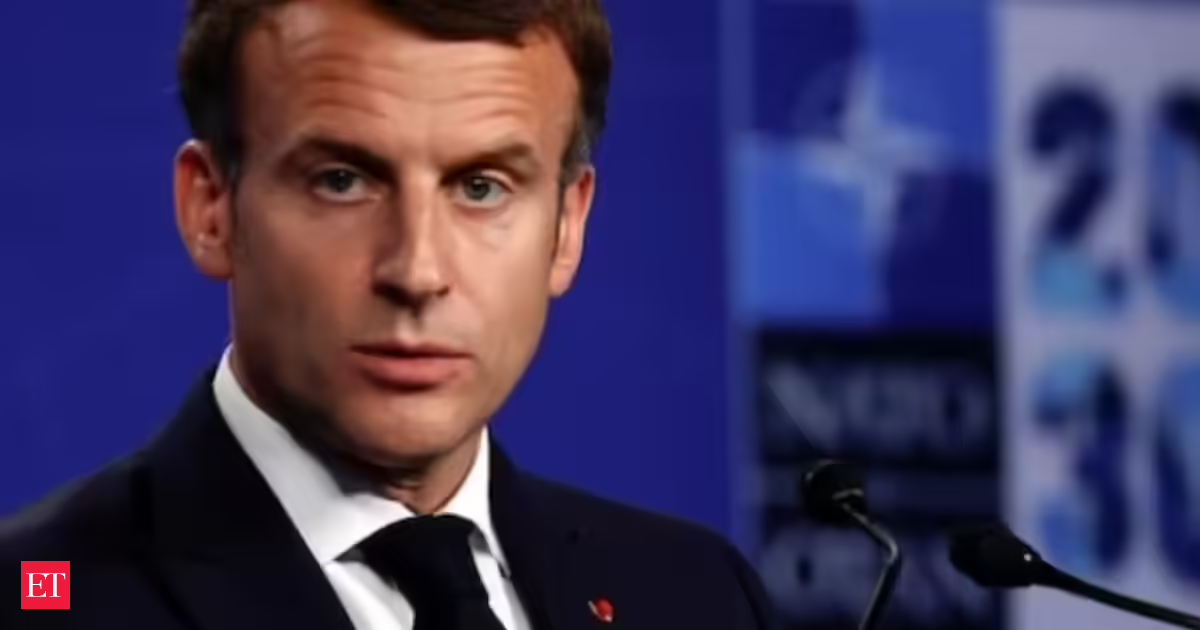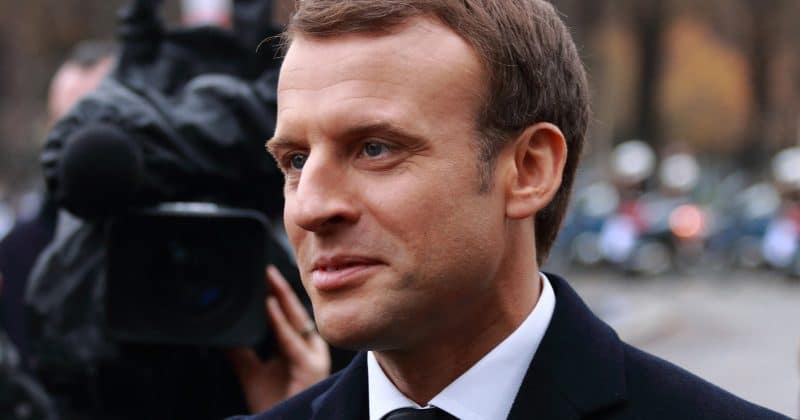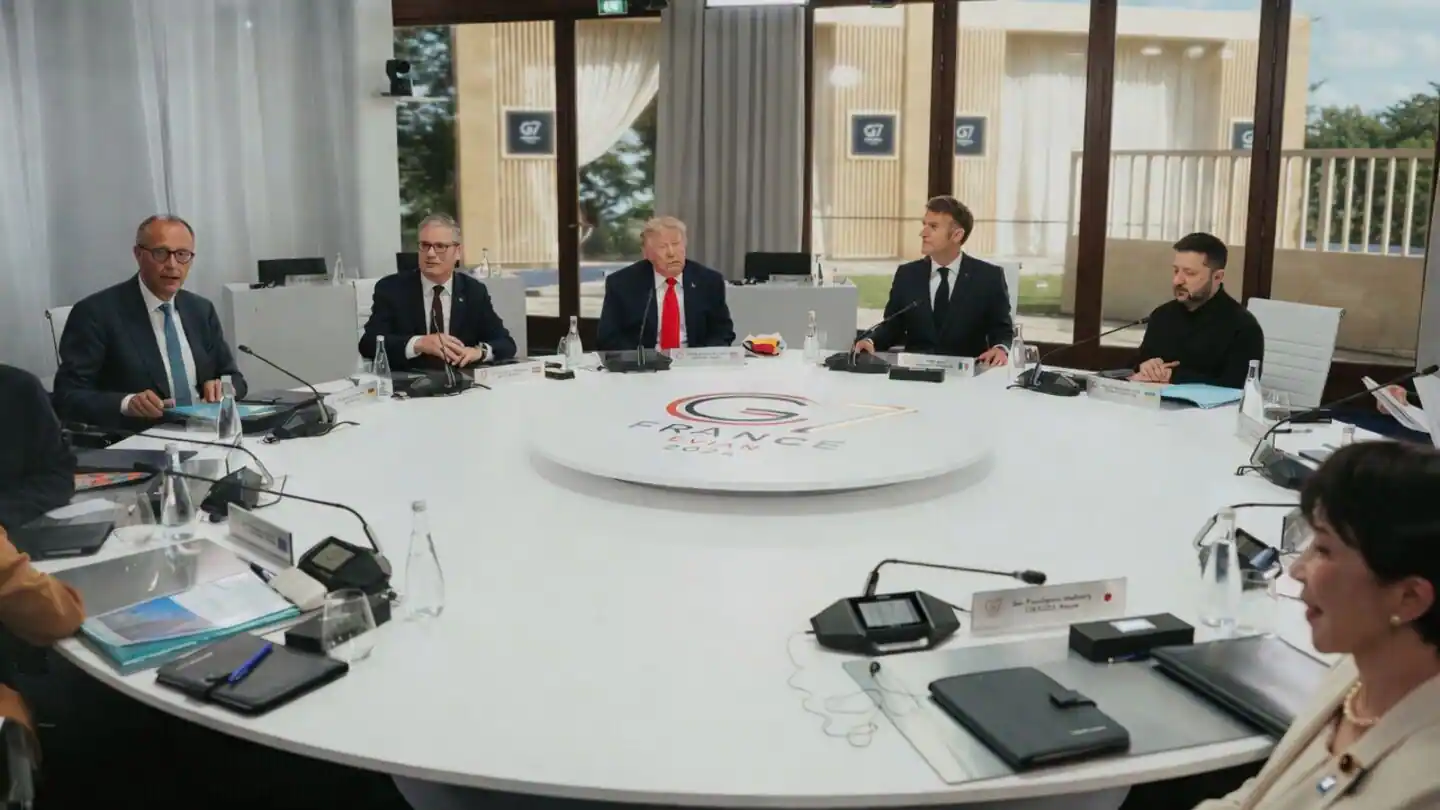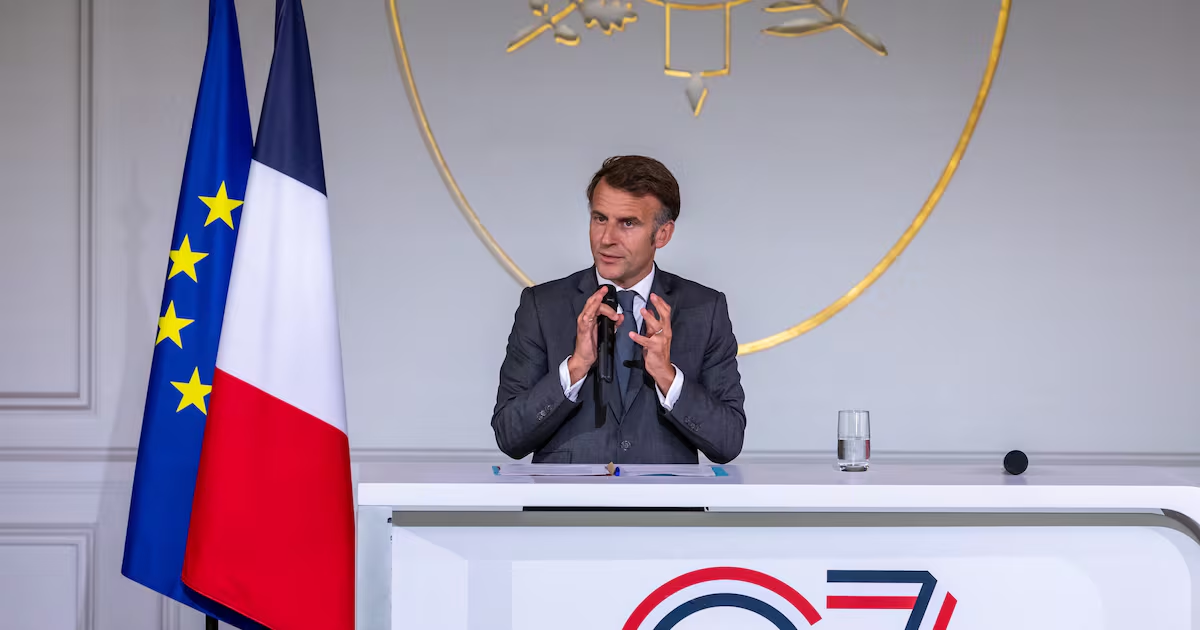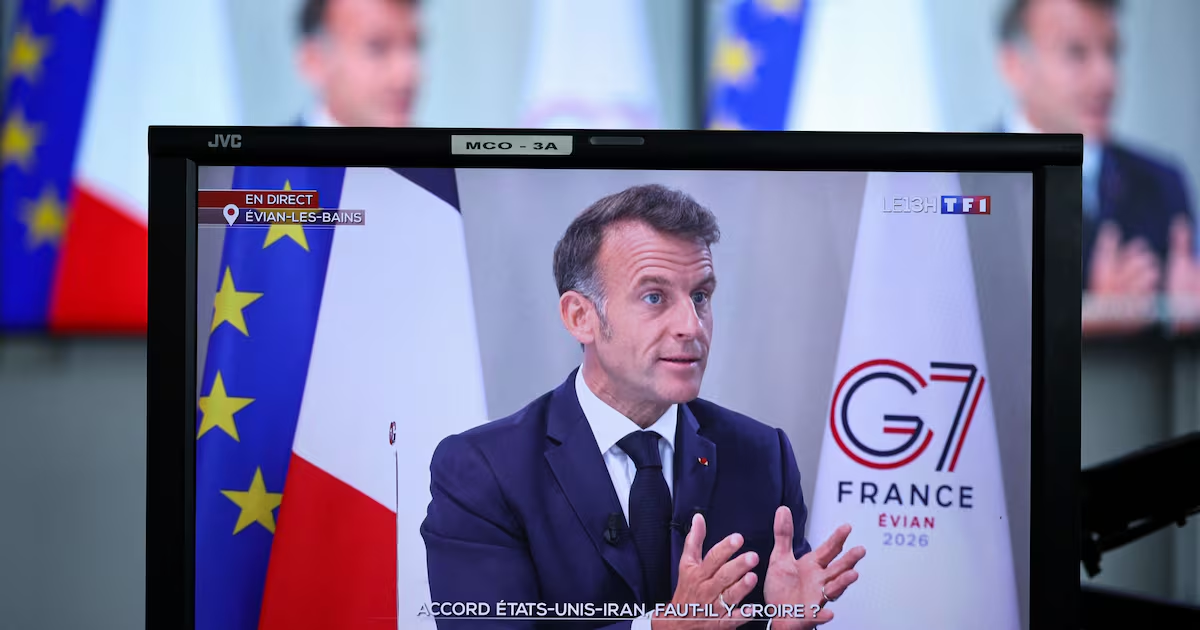
French President Emmanuel Macron on Monday said he would press the other G7 leaders to endorse a defensive naval mission in the Strait of Hormuz, after the US and Iran reached an agreement to end the war.France and the UK have been working for months to set up the mission, engaging with about 50 other states. Countries set to take part are ready to send frigates and mine clearance vessels to the strait, Mr Macron said. “If the next few days show us that it's all good, then we will deploy with the British and we will lead this mission,” Mr Macron told broadcaster TF1. France's Charles de Gaulle aircraft carrier can reach the region “within two or three days”, he added.Oman has already given its approval for the international naval coalition to escort ships through its territorial waters, Mr Macron said. Now, the discussion will focus on getting an agreement from the US and Iran.Mr Macron was speaking hours before a G7 leaders' meeting was scheduled to begin on Monday night, in the French spa town of Evian-les-Bains on Lake Geneva near the Swiss border, in the presence of US President Donald Trump. Brazilian President Luiz Inacio Lula da Silva was among the first leaders to arrive at the G7 summit. AFPInfoLeaders from the UAE, Qatar and Egypt are set to attend the G7 on Tuesday to discuss Iran and the situation in the Strait of Hormuz with G7 leaders. Ukrainian President Volodymyr Zelenskyy will also be present for talks on his country's war with Russia. Other guests include Brazilian leader Luiz Inacio Lula da Silva, who was among the first to arrive on Monday.Iran's nuclear ambitionsBroader negotiations on Iran's nuclear programme are to start after the US-Iran agreement is signed Friday in Switzerland. “We will do everything we can to make this agreement a reality, so that Hormuz can reopen peacefully and traffic can resume,” Mr Macron said.The agreement includes a 60-day period for the US and Iran to agree on how Tehran will remove its highly enriched uranium. Oman has given permission for a naval mission to escort ships through its territorial waters. ReutersInfoThis must be done either in Iran under the supervision of the UN's nuclear watchdog, the International Atomic Energy Agency, or the uranium must be moved to another country before being destroyed, Mr Macron said. “This agreement will provide for the lifting of sanctions on Iran – if it is good,” he added.Leaders in Evian will also co-ordinate to oppose Iran's attempts to charge a toll for ships in the strait. Finding alternative routes to the waterway to reduce Iranian influence will be a priority, Mr Macron said. This includes building the infrastructure to strengthen routes for exports of Egyptian, Emirati or Saudi natural gas over land or across the Red Sea.The French President was joined by European Commission President Ursula von der Leyen – also present at the G7 – in calling for Lebanon to also be included in a regional ceasefire. Their statements came after Israeli leaders insisted their army would continue to occupy south Lebanon despite the wider Iran-US agreement.“The Strait of Hormuz must reopen and freedom of navigation must be restored toll free. This is essential for the regional stability and of course for the global economy,” Ms von der Leyen said. “The agreement should open the door to wider talks and lead to the end of Iran’s nuclear and ballistic programmes. Let me also underline there can be no lasting peace while Lebanon remains in flames. We call for a genuine ceasefire and a full respect for Lebanese sovereignty.”In a bid to avoid Mr Trump leaving before the end of the G7 summit, as he did in Canada last year, the US leader is set to be hosted for a gala dinner at Versailles Palace on Wednesday night.“We want him to stay until the end to finalise agreements,” Mr Macron said. “There are also important discussions on digital technology and artificial intelligence on Wednesday.”
France's Macron calls on G7 leaders to support Strait of Hormuz naval policing mission | The National
Trump and Gulf leaders to hold discussions on Iran at summit in French Alps
TL;DRAI
Macron coordinates ~50-nation naval mission in Strait Hormuz post-US-Iran agreement to ensure toll-free shipping against Iranian tolls. Reopening critical chokepoint stabilizes hardware supply chains and energy costs; de-escalation signals lower geopolitical risk for IT infrastructure.
665 words~3 min read