Sweden were cruising to a 5-1 win over Tunisia in Monterrey on June 15 when the most interesting moment of the match had nothing to do with the scoreline. It had to do with the ball itself.
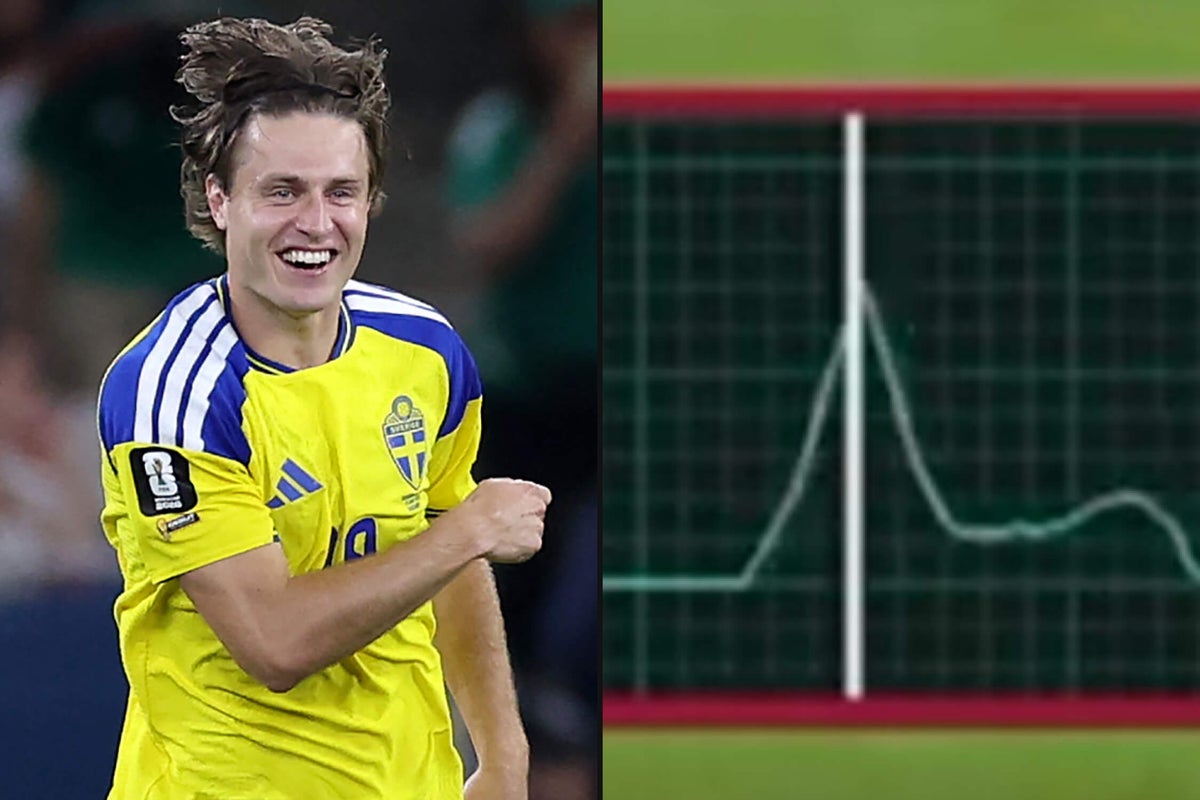
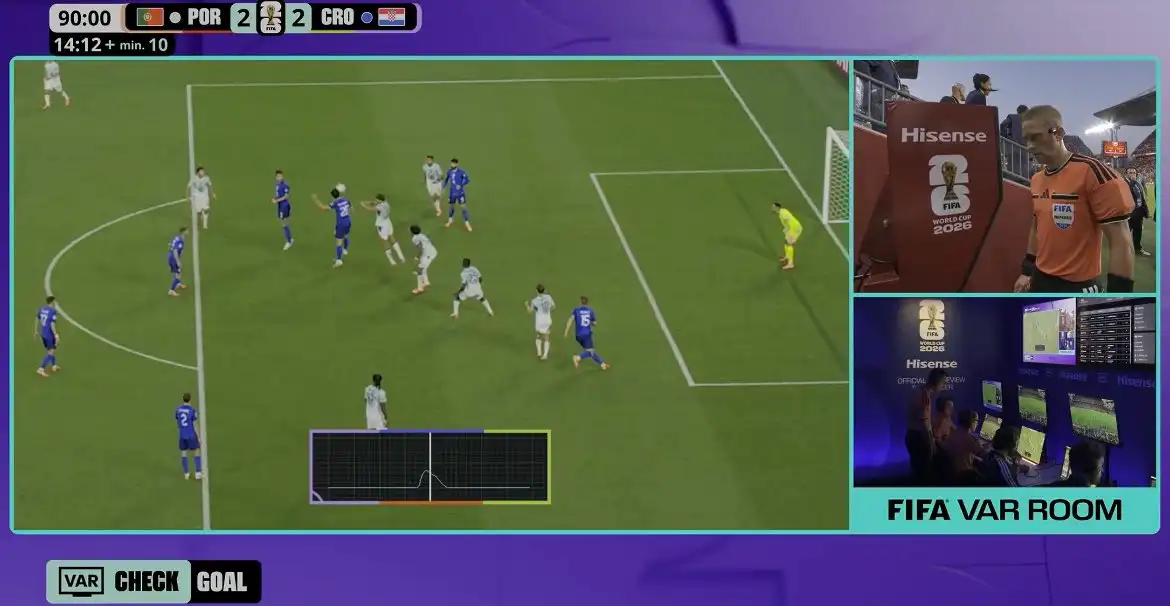
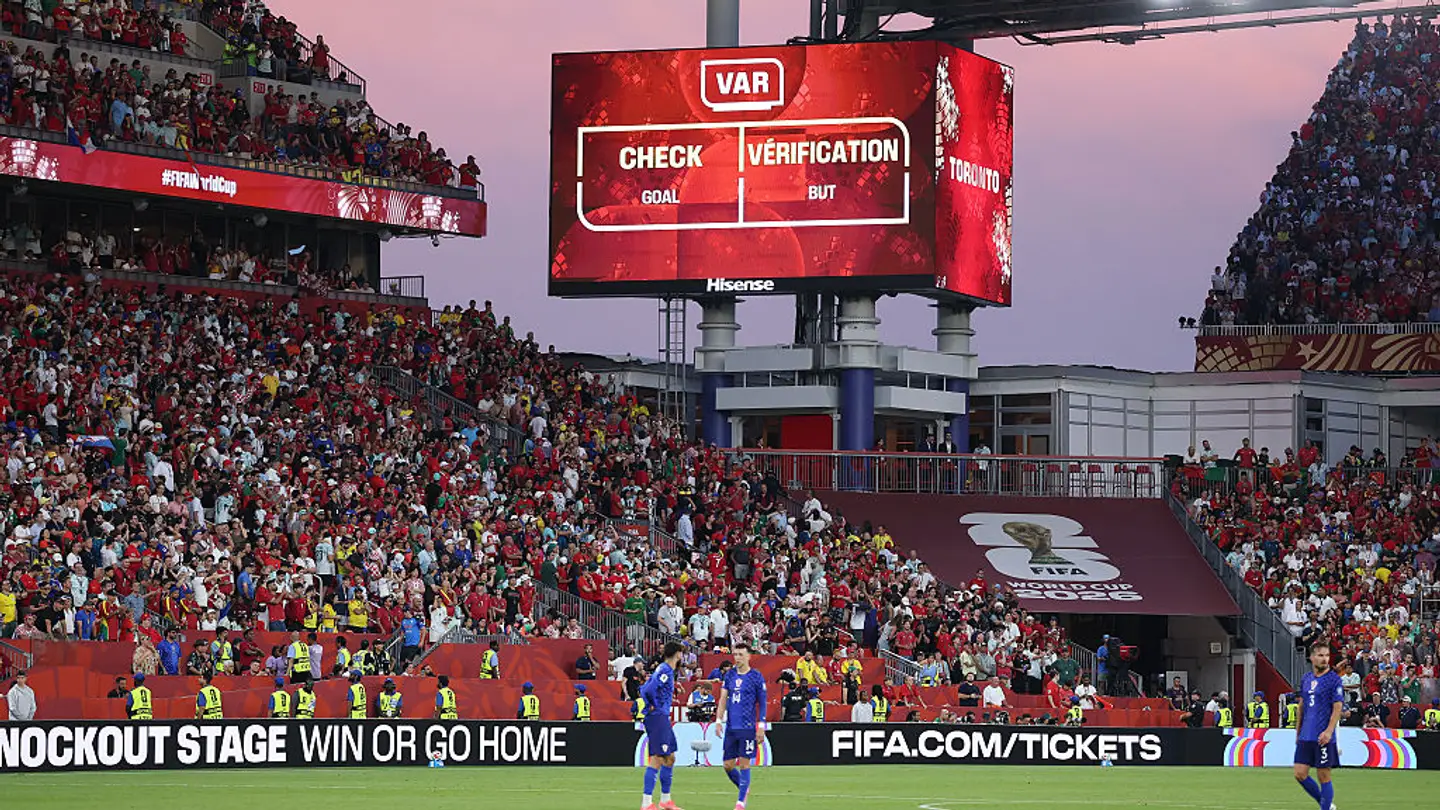
When Mattias Svanberg put the ball in the net late in the match, the linesman’s flag went up for offside. Standard stuff. But VAR intervened, and the tool it used to overturn the call wasn’t a camera angle or a frame-by-frame replay. It was data streaming directly from inside the Adidas Trionda match ball, which confirmed that Alexander Isak had made a slight flick that changed everything about the offside calculation.
How a chip inside a football changed the call
The Trionda ball carries a 500 Hz inertial measurement unit sensor chip, developed in collaboration with Kinexon. There’s a tiny sensor inside the ball that takes 500 readings per second, measuring acceleration, rotation, and impact forces in real time. When Isak’s boot grazed the ball with that slight flick, the sensor registered the contact.
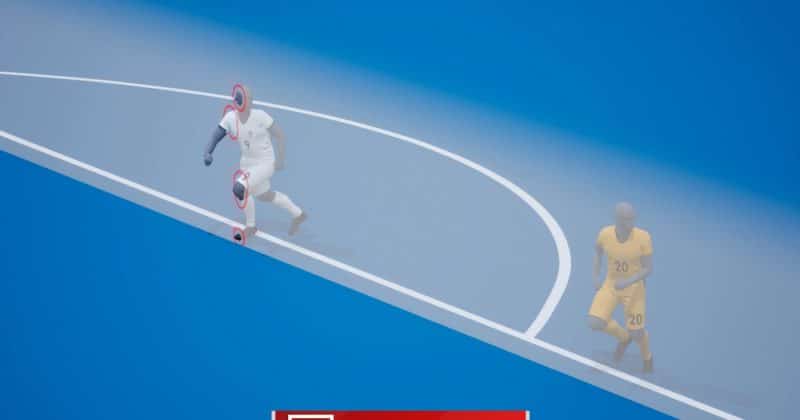
That data point moved the timeline of the pass. And when you recalculate the offside line from the moment of Isak’s touch rather than the moment of the original pass, Svanberg was onside. Goal stands.