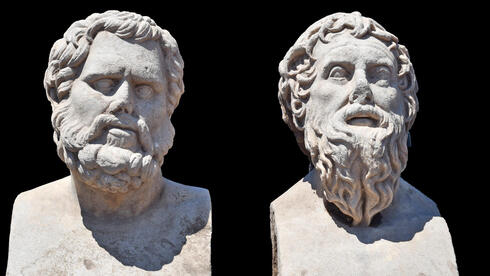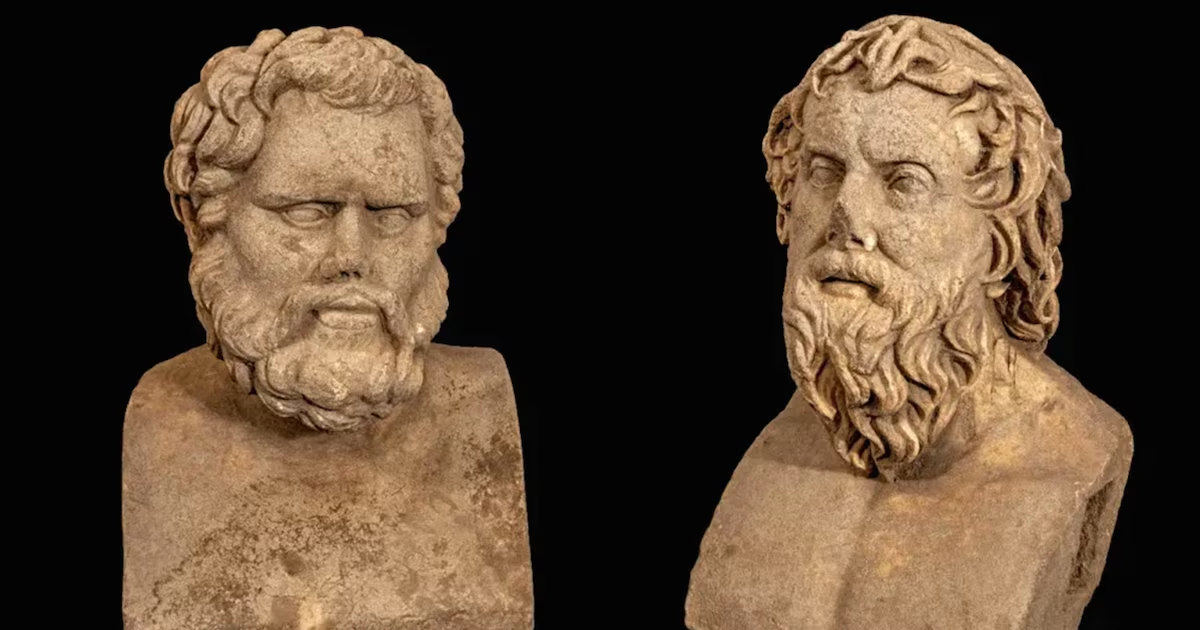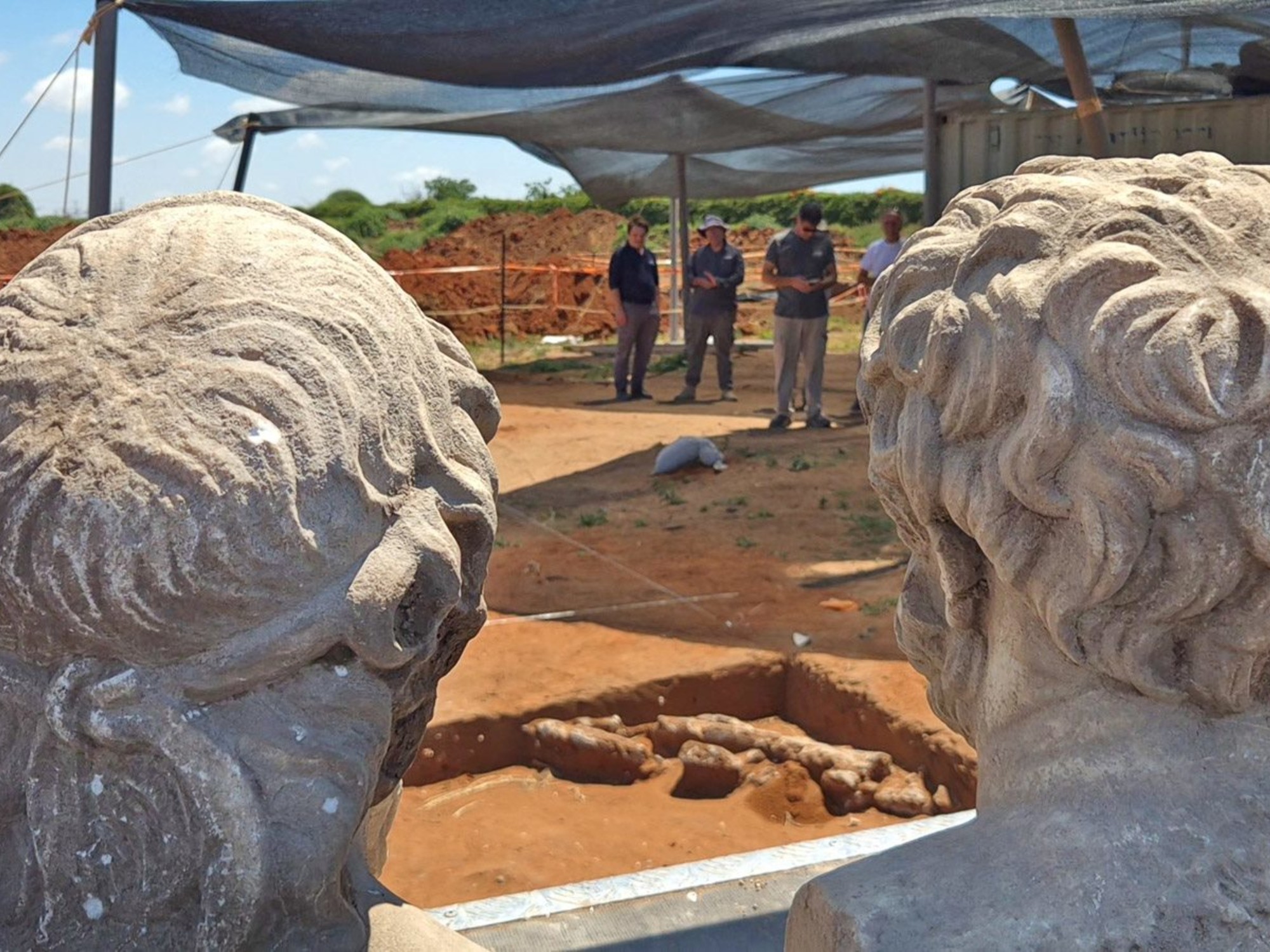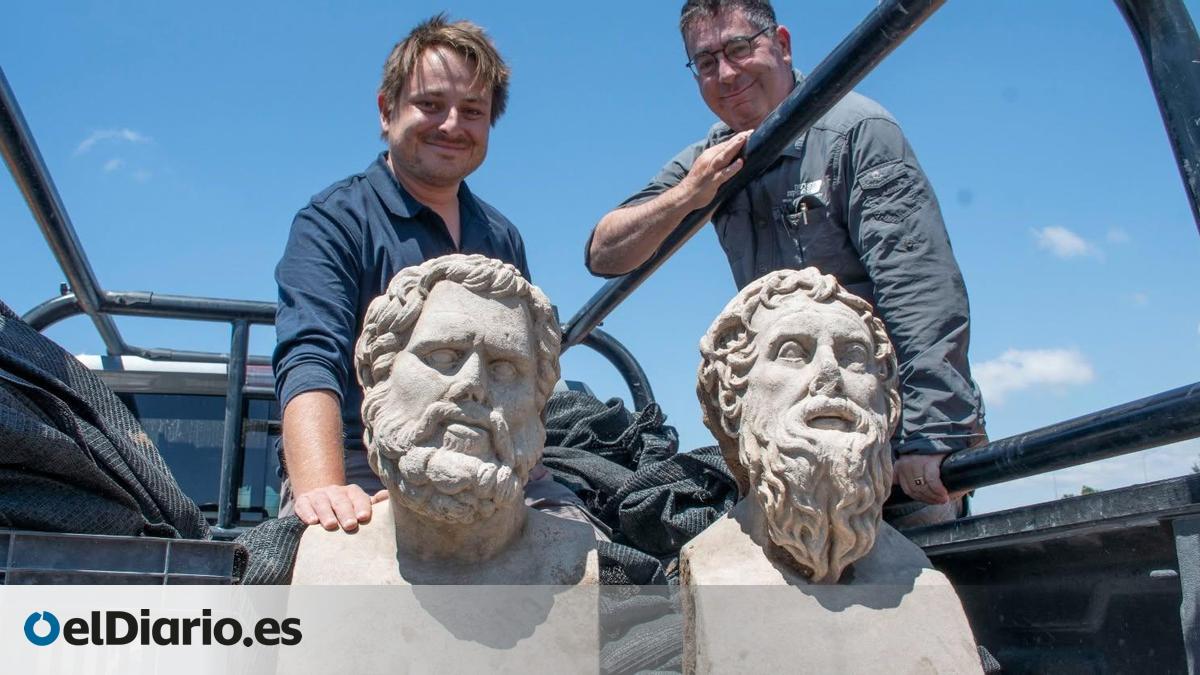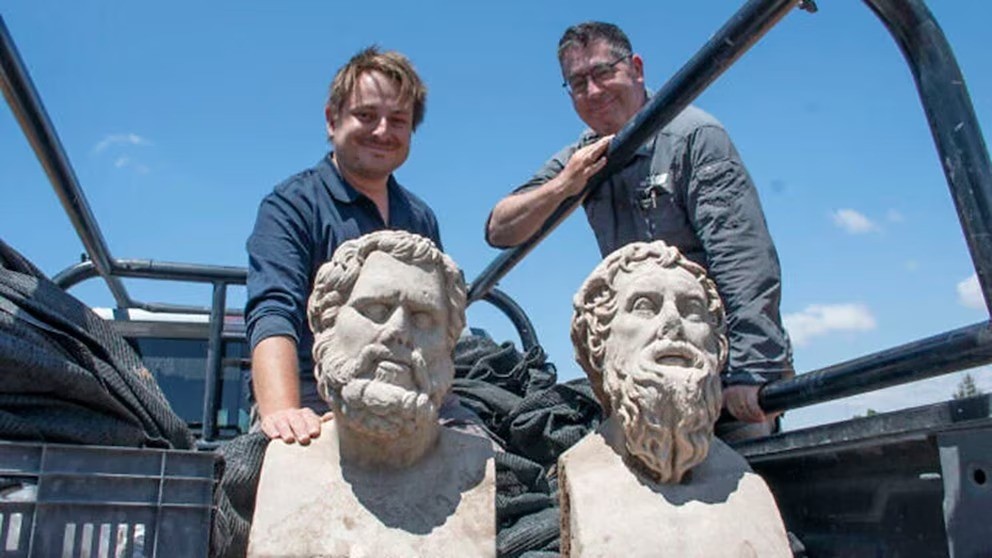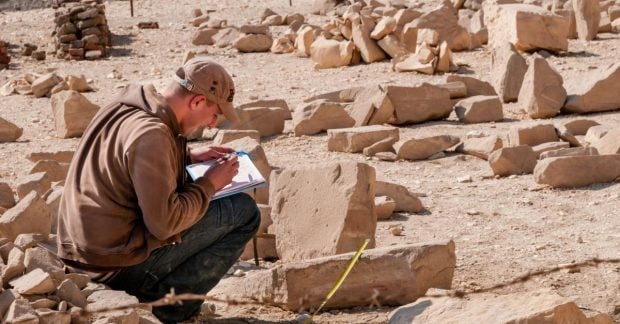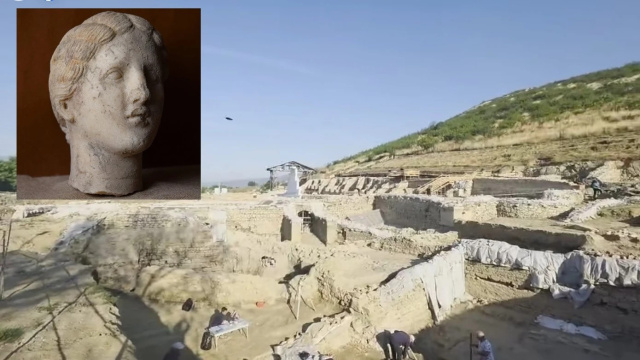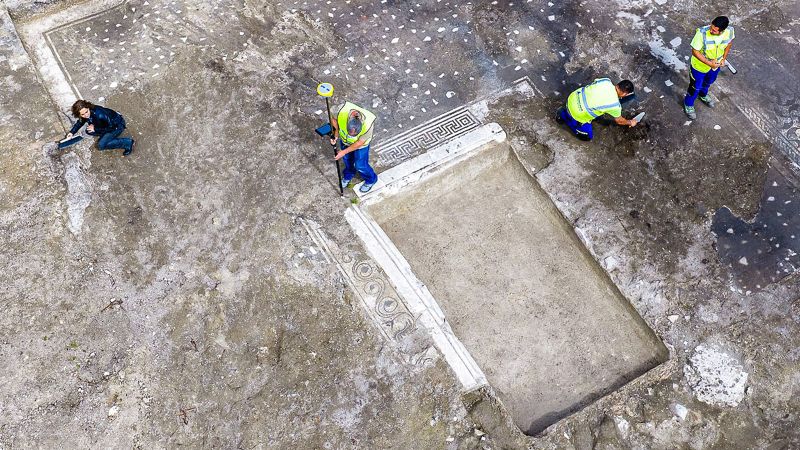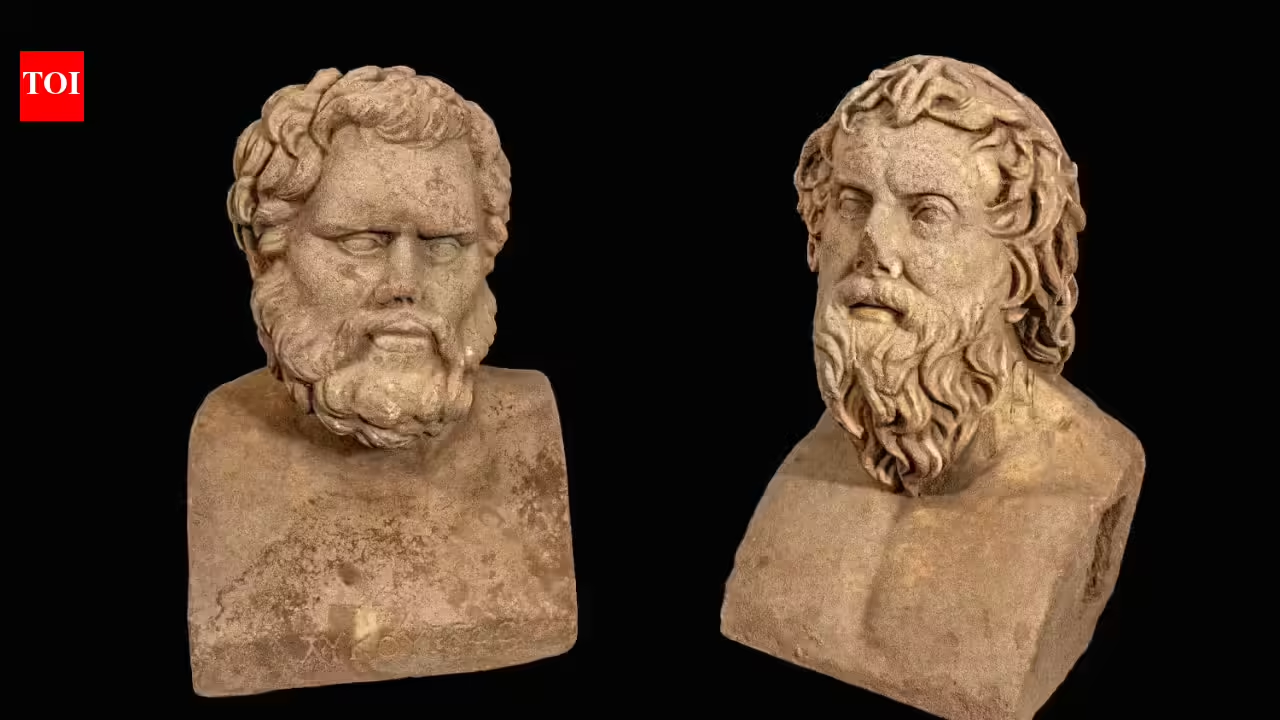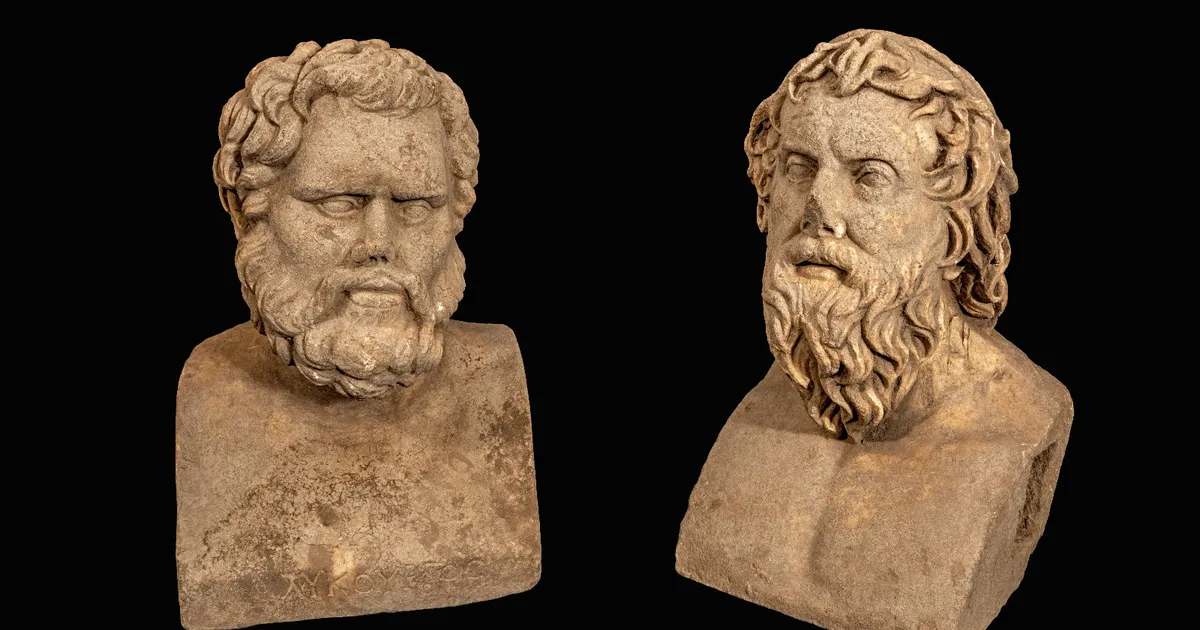
Current sectionArchaeologyBuried in a disused Roman-Byzantine winepress near Binyamina, one of the marble busts may depict Sparta's legendary founder, Lycurgus. 'There was a feeling we were about to discover something that was not supposed to be there,' an archaeologist saidShare to FacebookShare to XArticle printing is available to subscribers onlyPrint in a simple, ad-free formatSubscribeComments: Zen reading is available to subscribers onlyAd-free and in a comfortable reading formatSubscribeArchaeologists Eliran Oren and Michael Solotskin with the statues discovered in Binyamina, northern Israelץ Credit: Yuli Schwartz/Israel Antiquities Authority Archaeologists Eliran Oren and Michael Solotskin with the statues discovered in Binyamina, northern Israelץ Credit: Yuli Schwartz/Israel Antiquities Authority 11:25 AM • June 15 2026 IDTTwo complete, rare marble statues from the late Roman period were uncovered in a salvage excavation at the entrance to Binyamina in northern Israel. One bears an inscription with the name "Lycurgus," known from the Greek-Roman world, raising questions about whether it depicts a specific historical figure from some 1,700 years ago.The statues were carefully concealed inside a wine-collection pit of a Roman-Byzantine winepress long after it had gone out of use, where they remained buried for nearly 1,700 years. "They were buried when the winepress went out of use. At this stage, it is not known why the statues were hidden here, perhaps to protect them," the Israel Antiquities Authority, which carried out the excavation, said in a statement.The ancient statues discovered in Binyamina. Researchers believe they once stood atop columns that decorated a public building or elite residence. Credit: Assaf Peretz/Israel Antiquities AuthorityThe ancient statues discovered in Binyamina. Researchers believe they once stood atop columns that decorated a public building or elite residence. Credit: Assaf Peretz/Israel Antiquities AuthorityThe discovery, made ahead of railway works as part of a large national infrastructure project to expand the coastal rail corridor, was announced by the Israel Antiquities Authority on Monday. Officials said the busts will be shown publicly for the first time at an upcoming archaeology conference in Tel Aviv before being transferred for display at a museum."During the excavation of the winepress, we saw something protruding from the ground and the workers called me over," said Michael Sorotzkin, an archaeologist with the Israel Antiquities Authority. "There was a feeling that we were about to discover something that was not supposed to be there. Suddenly, we realized it was not pottery, but marble. Then, slowly, the two statues were revealed. I still struggle to find the words. It was simply amazing."Haaretz PodcastIn Mamdani's NY, Israel's far right used Israel parade to flex their musclesHaaretz PodcastIn Mamdani's NY, Israel's far right used Israel parade to flex their musclestotal-- : --time0:00The statues were found on the final day of the salvage excavation. "This is a once-in-a-lifetime discovery," said Eliran Oren, director of the excavation with Avishag Reiss. "It was very unexpected, but somehow, the truly great discoveries always come on the last day.""These statues join a series of portraits of historical figures previously discovered in Caesarea. The last time a figure like this was found here was in the 1990s," said archaeologist Dr. Peter Gendelman, the Israel Antiquities Authority's expert on the Caesarea region. Intact marble statues, approximately 1,700 years old, uncovered in Binyamina.Video: Yuli Schwartz and Shatil EmmanuelovAccording to Gendelman, two historical figures bore the name Lycurgus: the first was the founder of Sparta, and the second was Lycurgus of Athens, a statesman and orator in the fourth century B.C.E. "It may be one of these figures, but the research is only beginning," Gendelman said. "In the Roman period, statues of this kind were displayed both in public buildings and in the homes of members of the elite, who sought to associate themselves with the cultural and intellectual world of antiquity," he added. "Not far from the discovery site, remains of a bathhouse were previously uncovered, and the statues may have decorated a luxurious villa belonging to one of Caesarea's elite."Cleaning the statue in the Israel Antiquities Authority's laboratories following its excavation. Credit: Emil Aljam/Israel Antiquities AuthorityCleaning the statue in the Israel Antiquities Authority's laboratories following its excavation. Credit: Emil Aljam/Israel Antiquities AuthorityThe statues were found in the heart of an "industrial area" that included agricultural installations dating to the Roman and Byzantine periods. According to Oren, a bathhouse had previously been discovered nearby. "We believe the statues may have come from there. Bathhouses like these were decorated with statues. Another possibility is that they came from Caesarea, about 10 kilometers away," he said. "These are not statues that would have stood in a local farmhouse. They must have come from a wealthy place."Oren said it is clear that the statues depict real people rather than generic figures. If the statue does depict Lycurgus, the founder of Sparta, it would be an especially interesting discovery, since he was a historical figure who lived hundreds of years before the statue was produced, in a distant geographical region.Intact marble statues, approximately 1,700 years old, uncovered in an excavation at the entrance to northern Israel's Binyamina. Credit: Yuli Schwartz/Israel Antiquities AuthorityIntact marble statues, approximately 1,700 years old, uncovered in an excavation at the entrance to northern Israel's Binyamina. Credit: Yuli Schwartz/Israel Antiquities Authority"The second figure is less clear, with a wild beard, perhaps a thinker or philosopher, but we are only at the beginning of the research," Oren said.According to Oren, statues preserved at this level are an extremely rare find, not only in Israel but in general. Throughout history, Muslims and Christians destroyed statues of figures from the classical periods for religious reasons or to reuse the marble.Oren believes the statues were in use for hundreds of years. "This is a valuable object that was passed down from generation to generation," he added. "At the bottom, there is a recess, probably because they were attached to some kind of base. In the end, someone buried them, perhaps out of fear of an invasion?"In the News'Once-in-a-lifetime Discovery': 1,700-year-old Roman Busts Found in IsraelEarliest Use of Fire Thrown Back to 1.8 Million Years AgoWhen Did Dogs Arise? New Study Points at Tail-end of Ice AgeNeanderthals Ate Flies, New Study RevealsWhere Was Cotton Domesticated? Messy Genetics Dishes Up Surprising AnswerRemembering and rebuilding two years laterICYMITrump Just Dropped a Megaton Bomb on Netanyahu's Re-election CampaignSix-year-old Boy Punctures a Magritte Iconic Masterpiece at Israel MuseumNetanyahu May Find His Way Back From Trump's Humiliation, but Back to What?The Fake Gaza Charity Linked to the Anti-left Disinformation Campaign in FranceNetanyahu's Middle East Doctrine Has Collapsed – and It's Costing Him WashingtonWhat the Knicks Mania Reveals About Israelis and Collective Blame for Gaza
'Once-in-a-lifetime discovery': 1,700-year-old Roman busts found in Israel
Buried in a Disused Roman-Byzantine Winepress Near Binyamina, One of the Marble Busts May Depict Sparta's Legendary Founder, Lycurgus. 'There Was a Feeling We Were About to Discover Something That Was Not Supposed to Be There,' an Archaeologist Said
1,092 words~5 min read