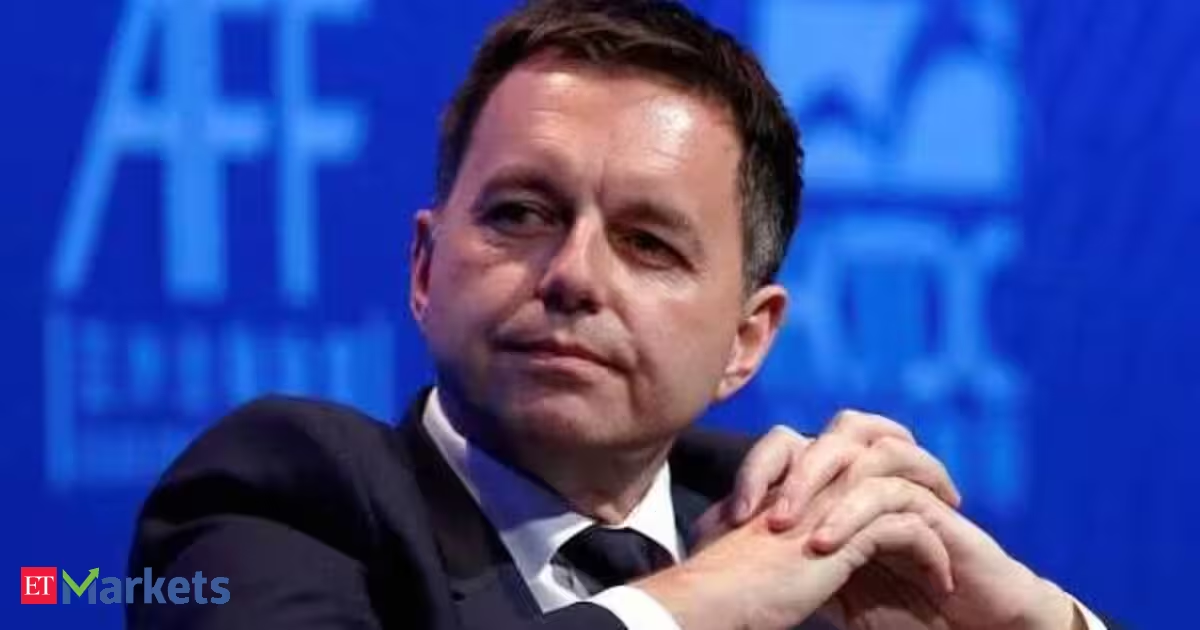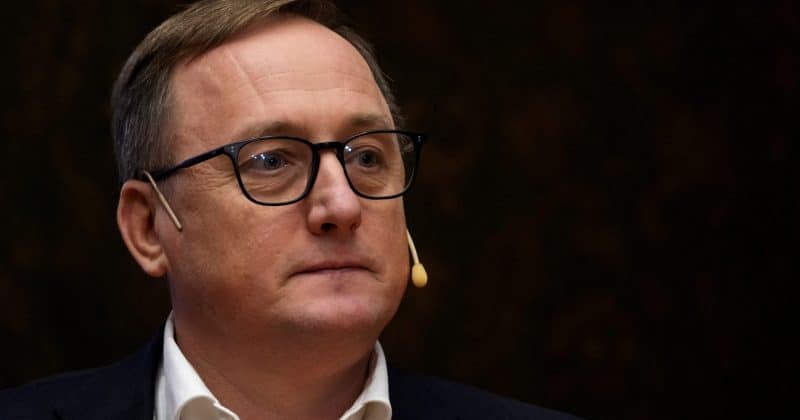
Martins Kazaks, Governor of the Bank of Latvia and a member of the European Central Bank’s Governing Council, is putting markets on notice. The ECB can move gradually if conditions require it, but the risks to inflation are tilting upward.
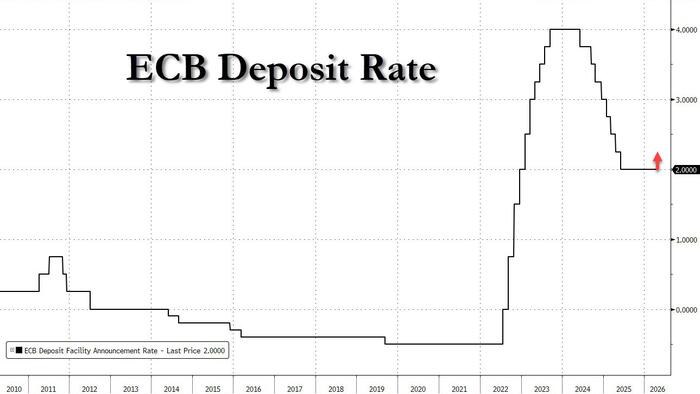
The comments come on the heels of the ECB’s June 11, 2026 decision to raise key interest rates by 25 basis points. That marked the first hike in the current cycle, a pivot that has traders across every asset class recalibrating their assumptions about what comes next.
Why the ECB pulled the trigger
The ECB framed the 25 basis point hike as a direct response to the Middle East conflict’s impact on commodity markets and inflation expectations. The central bank revised its inflation projections for 2026 and 2027 upward, driven largely by those rising energy costs. The 2% medium-term inflation target remains the north star, but getting there just became more complicated.
Kazaks acknowledges that inflation risks cut both ways, up and down. But he’s clearly more worried about the upside pressures. If oil prices remain stubbornly high, there’s a real risk that inflation expectations become “de-anchored” — people stop believing the ECB can actually hit its target, and start behaving as if higher inflation is permanent.