June 15, 2026
By Suleiman A. Suleiman ([email protected]; 07066451983 SMS)
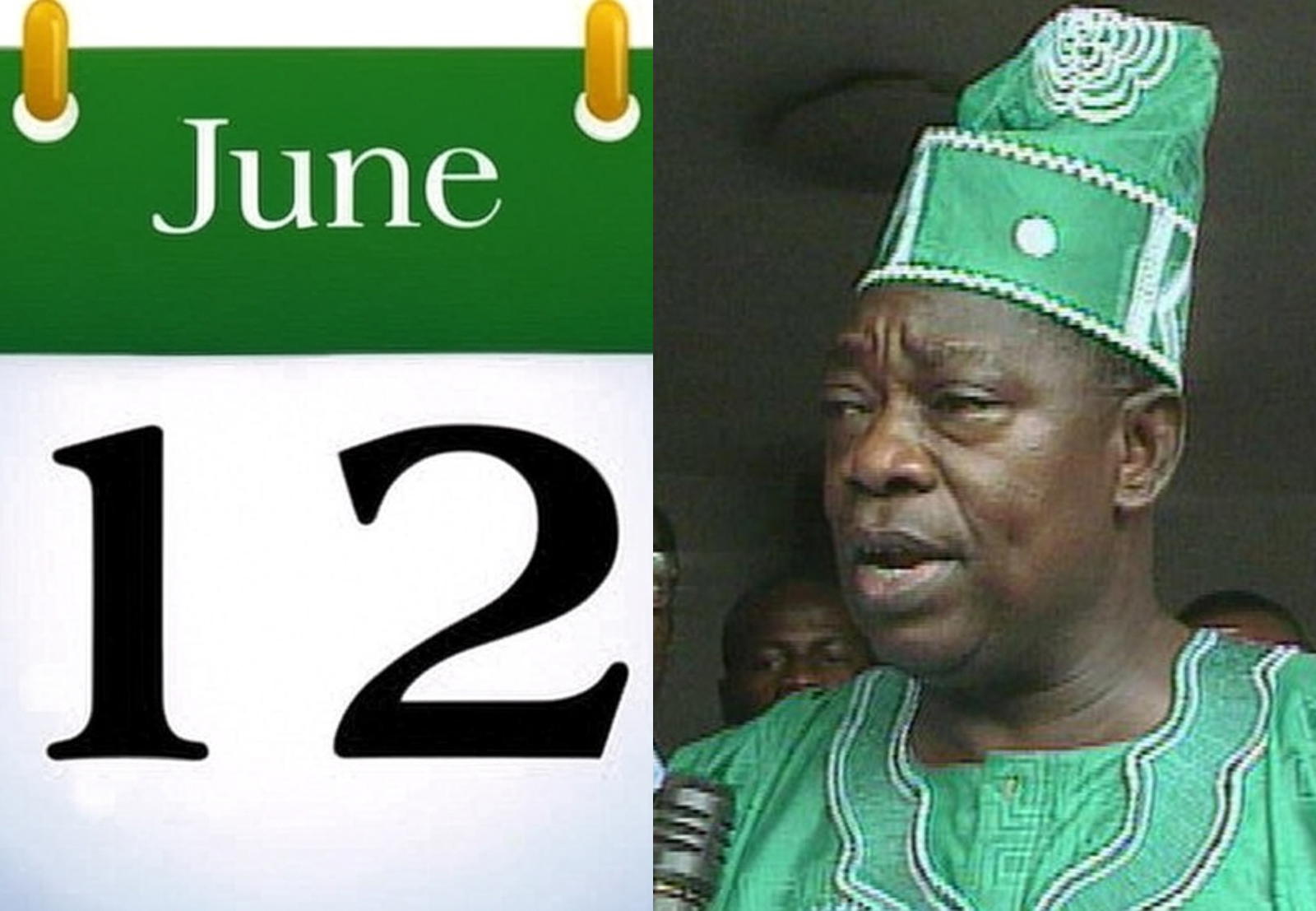
After 27 years of uninterrupted democratic development, a division of labour of sorts is emerging around three dates in Nigeria’s national calendar. October 1 remains our Independence Day, a moment for reflecting on our journey as one nation. June 12 is now the uncontested Democracy Day, when we assess our progress as a democracy since 1999.
May 29, meanwhile, is now reserved for evaluating the performance of the sitting government. This arrangement is an unintended innovation of the APC as a ruling party, but I think we should keep it and build on it by clearly delineating the functions of these dates in our national life.
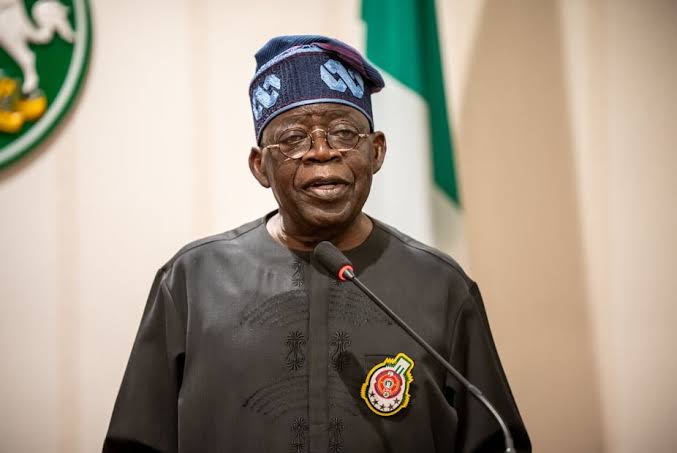
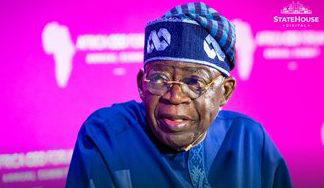
This year’s May 29, however, was particularly significant because coincided with the emergence of the major contenders for the 2027 presidential election. It was no accident, then, to read essays celebrating President Bola Ahmed Tinubu as Nigeria’s “Reformer-in-Chief”. Such essays were not just to reaffirm the President’s achievements in office so far, but are also prospective arguments for why Nigerians should renew Tinubu’s mandate in 2027. How, then, should we, the people, rather than presidential advisers, assess Tinubu’s economic reform policies specifically, which I call “Tinubunomics”, over the past three years of?