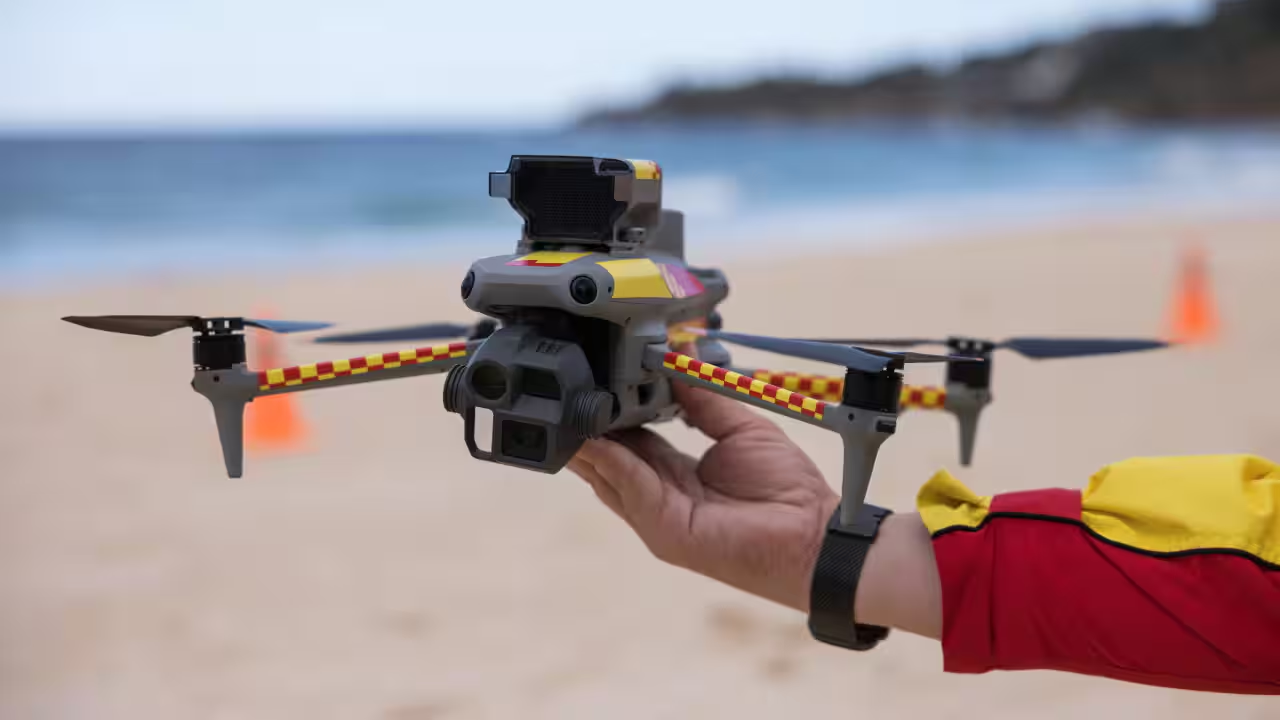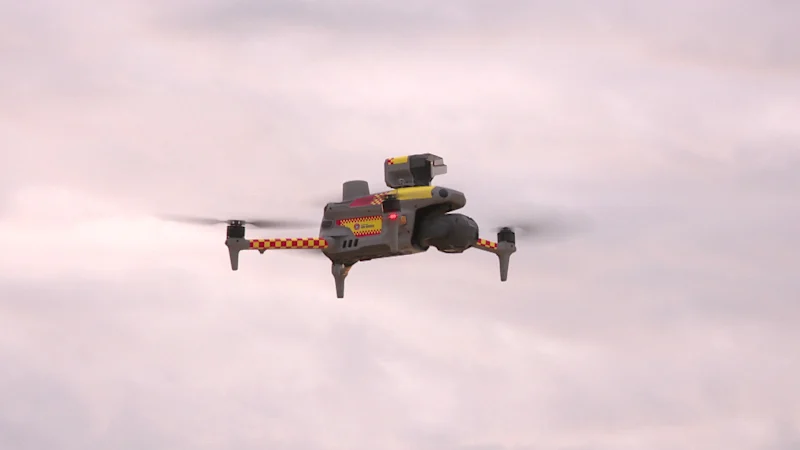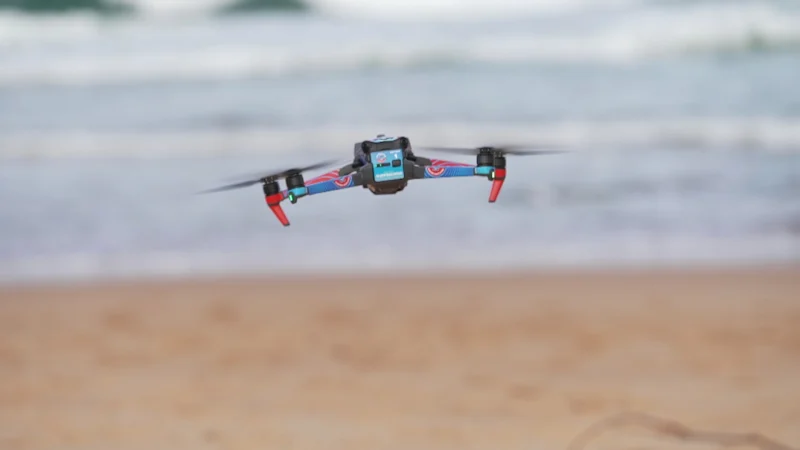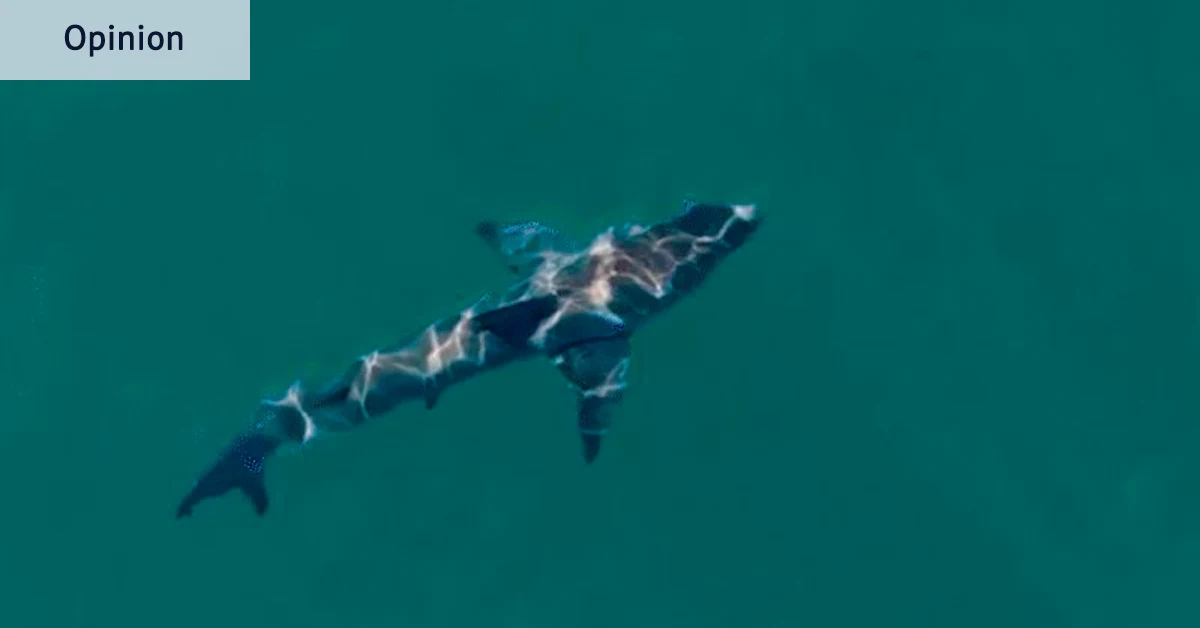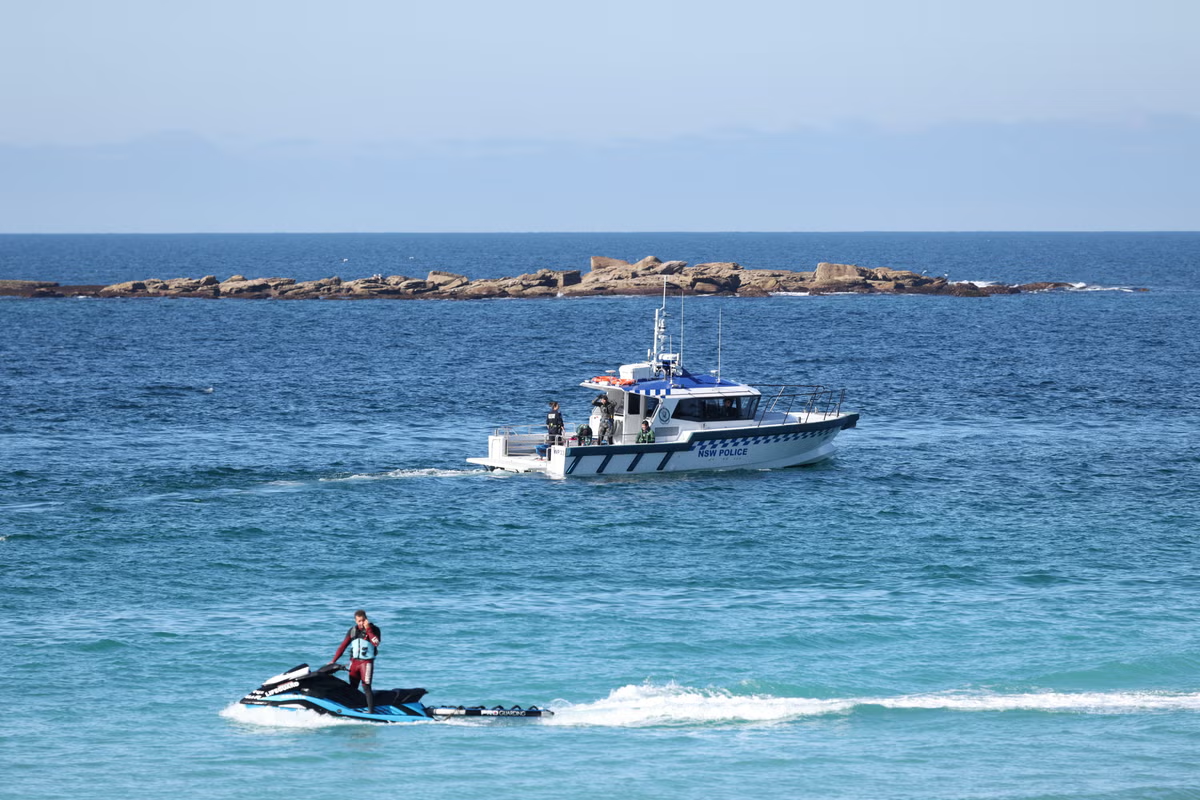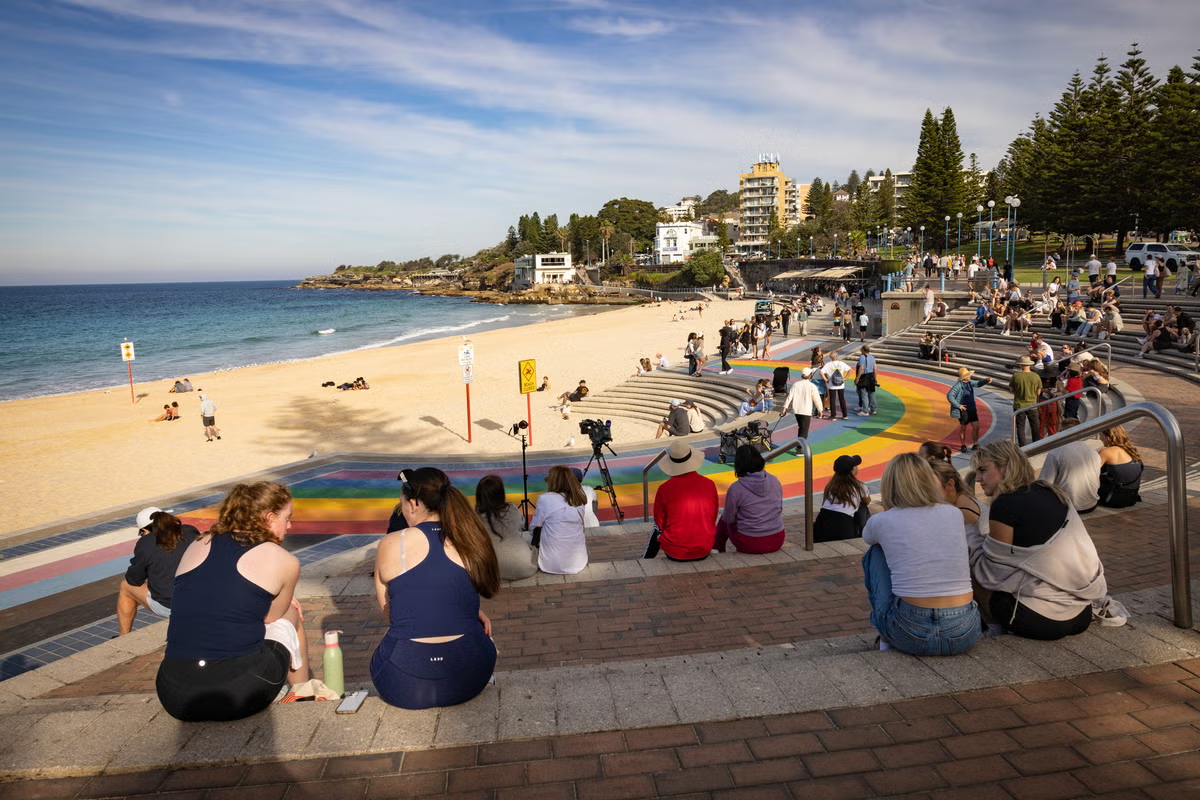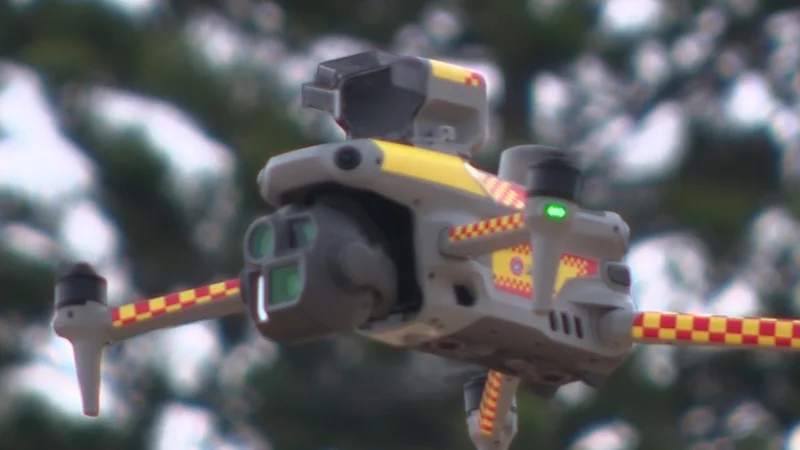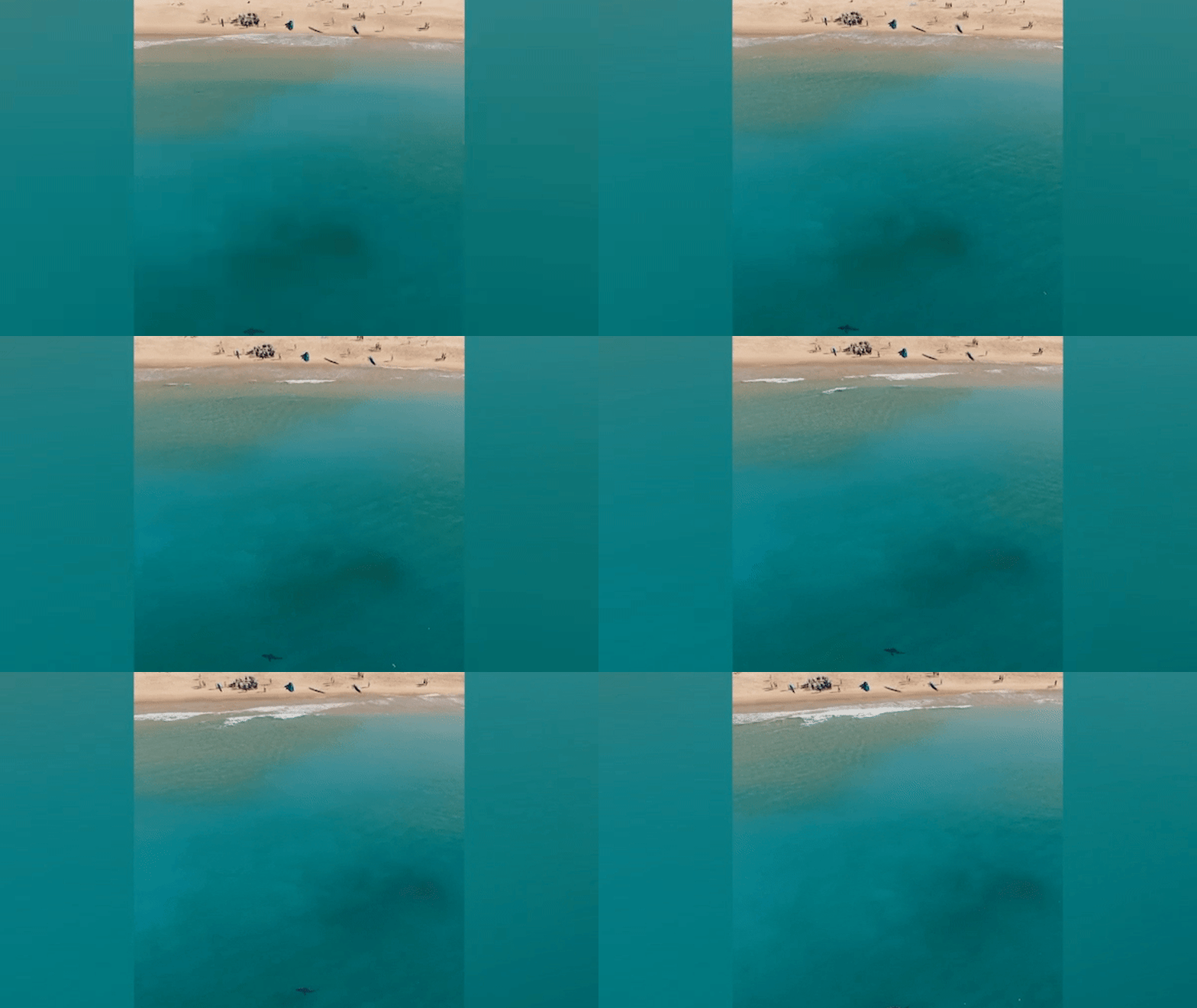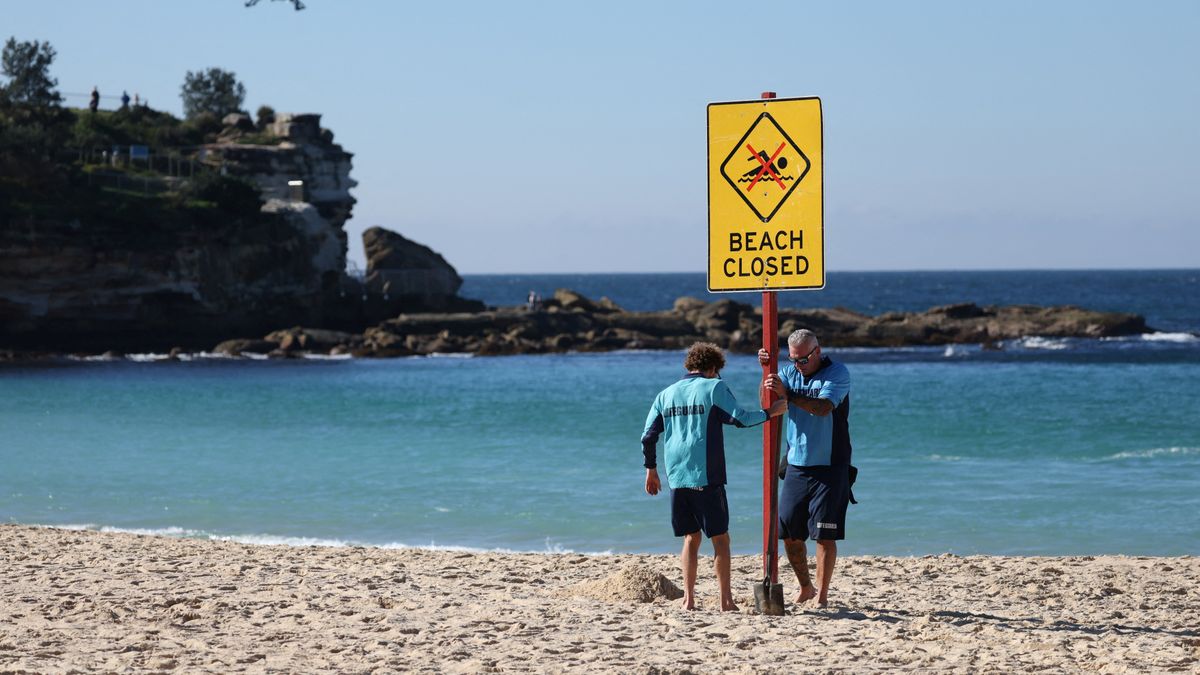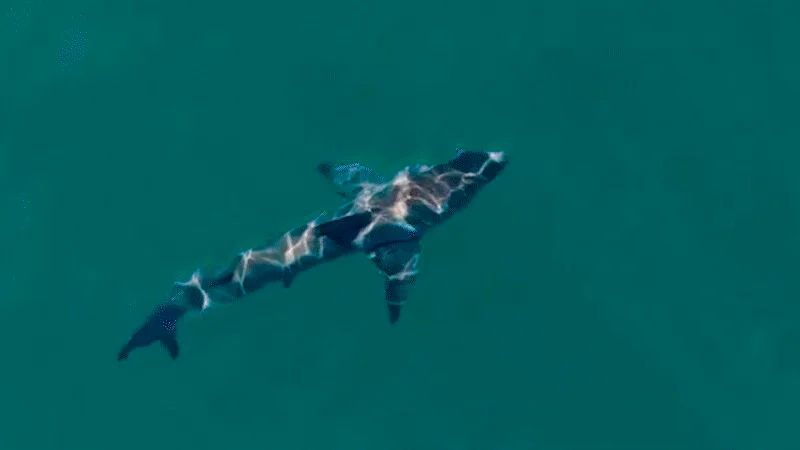
June 15, 2026 — 4:06pmAn early warning system to detect sharks off popular beaches and sound the alarm could be in place by summer if the NSW government ramped up its existing shark mitigation strategy, scientists say.The call comes as Premier Chris Minns said a cull of Sydney’s bull sharks was actively being considered, but ruled it out for great white sharks. Minns on Monday told reporters that all options were on the table, including vastly scaling up beach patrols by automated drones after the mauling of a swimmer by a great white shark at Coogee Beach.Drone footage taken of a shark off Coogee Beach in Sydney on Saturday.One Shot CreativeProfessor Culum Brown from Macquarie University said an early warning system could use autonomous drones to fly back and forth across a bay, with on-board sensors and artificial intelligence to detect any sharks.“You can have it so once the drone recognises a shark, it could potentially lock onto it, follow it, and start flashing and making noises,” Brown said. “At the same time, it can send an information package back to the base, and then, on the beach, you could have speakers saying, ‘There’s a shark in the water, everybody get out’. It’s not rocket science – it’s actually pretty straightforward to do that sort of thing in this day and age.”Brown said the most basic form of the AI might activate the warning based on the size of the shark, but it would not take much to train it to recognise different species. His research unit had AI that could identify 40 different fish species from drone footage, he said.Brown said the drone program was currently limited because a qualified pilot needed to fly them. However, that was “completely unnecessary” because they could be pre-programmed and fully automated, he said.“I don’t know why we haven’t gone down that path,” Brown said.Emeritus Professor Rob Harcourt at Macquarie University said the autonomous drones and AI shark recognition technology were both either available or close to available, and he expected the NSW government to implement them as soon as possible.“These things do cost, of course, but I suspect that the general public is more than happy to bear that cost because we really don’t like being bitten by sharks,” Harcourt said.Surf Life Saving NSW chief executive Steven Pearce said the organisation did run autonomous drones from its head office in Belrose in remote areas, but prioritised having drone pilots on the beach where possible.“From a community perception they have more comfort and confidence if they can actually see a drone pilot on the beach flying the drone, so they know drones are there, and our pilots are specifically uniformed up in our red and yellow uniforms, so people can immediately recognise that they’re pilots from Surf Live Saving NSW,” Pearce said.Pearce said Surf Life Saving NSW was the largest shark surveillance program operator in the world, with more pilots, doing more flights, and seeing more sharks than any other entity. However, the program is at its peak in summer with 80 sites, and that fell back to 13 sites in winter when beach visitation was traditionally lower.“We’re seeing obviously warmer temperatures each winter, the temperature of the water is remaining warmer, and there’s more people in the water,” Pearce said. “It would be pertinent to start to explore how we can extend the drone surveillance programs out to replicate what we see in the summer as well.”Pearce said Surf Life Saving NSW was ready to expand the drone coverage “as far and as wide as government wishes us to take it” before next summer.Coogee Beach has reopened with drone surveillance.Janie BarrettDrones were not used at Coogee before the weekend because of local restrictions related to the area being under the flight path. An emergency exemption was granted on Sunday. Pearce said this would continue indefinitely, and he would work with the Civil Aviation Safety Authority to fine tune the arrangements.Minns said he did not think the ban on drones at Coogee Beach before the attack was an example of regulatory overreach. However, he said: “If I had my time again, we would have pressed for CASA’s removal of it before Saturday.”“This is going to be part of a longer term solution for beach safety, to have permanent drones, whether they’re tethered to the shore or they replace themselves when they run low on batteries,” he said.“Technology is getting to the point where they can identify marine life from whatever distance.”Pearce said it was still human operators – either on the beach or back at head office – who identified the sharks, but Surf Life Saving NSW had been working with the Department of Primary Industries and Regional Development to try to identify an appropriate AI solution.Pearce said there were only three shark species of concern – great whites, tigers and bulls – and he would not want too many false positives that evacuated the water for dolphins, or relatively harmless sharks such as grey nurse sharks and wobbegongs. “We would be reticent about the continuous closing of beaches or the sounding of sirens for incidents that aren’t deemed dangerous,” he said.Harcourt said we were “halfway there already” to having an early warning system because it could also draw in information from the shark listening stations along the NSW coast, which detect sharks that have been caught and tagged.On Monday Minns ruled out culling great whites, citing the species’ protected status and migratory behaviour. But it may be on the cards for bull sharks, thought responsible for a spate of attacks during the summer.“As it relates to bull sharks in the harbour, that’s a different story,” Minns said. “They’re not a protected species, and we’re currently undertaking a head count – effectively, whether there’s been an increase in the harbour as a result of a healthier harbour and more fish stocks within that tributary.”Get to the heart of what’s happening with climate change and the environment. Sign up for our fortnightly Environment newsletter.From our partners
How an AI-powered early warning system for sharks could work
An alert system using autonomous drones to detect sharks off Sydney beaches could be in place by summer, scientists say.
1,002 words~5 min read