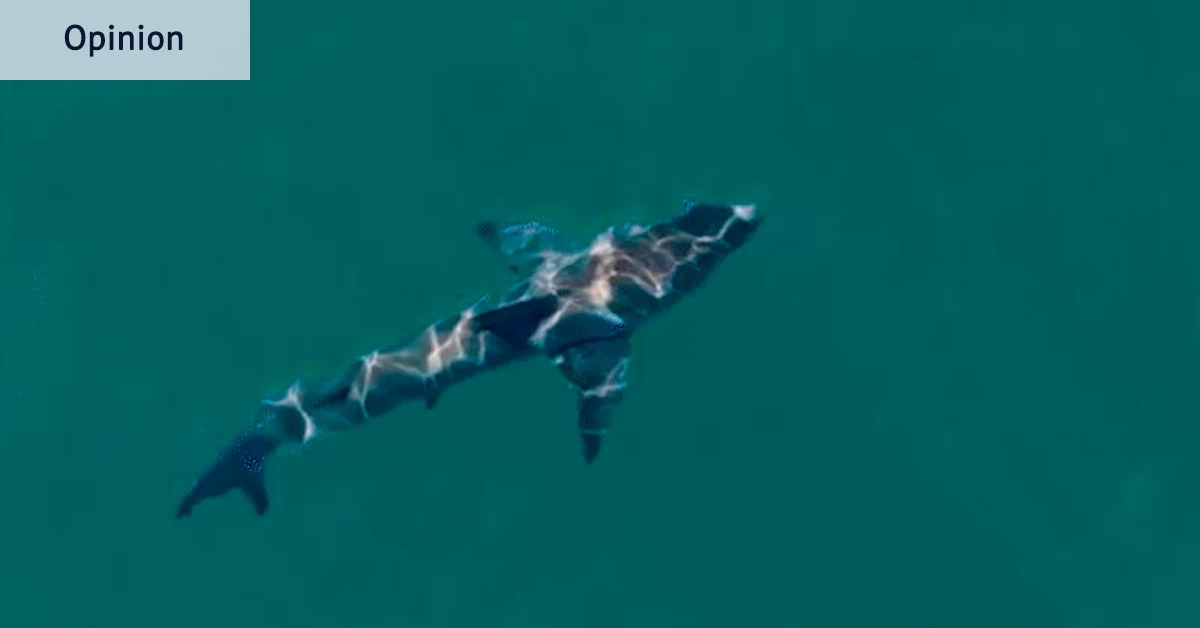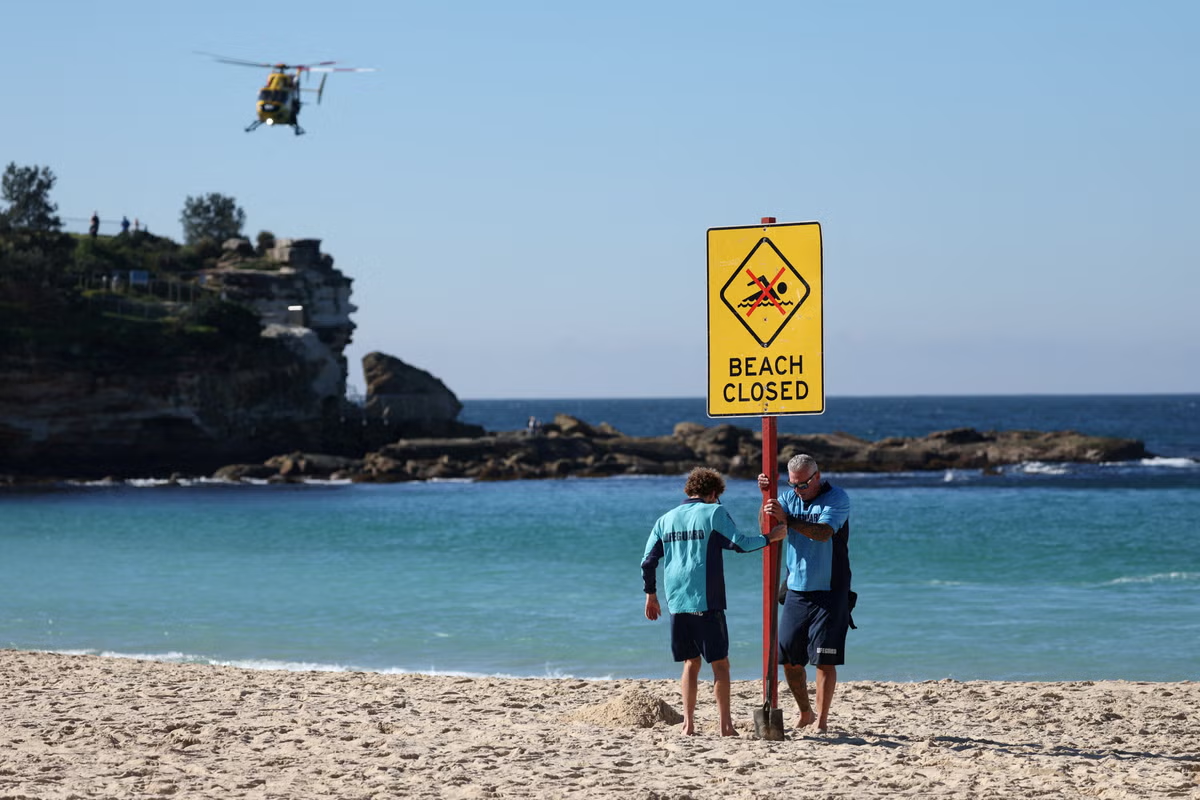
Stay up to date with notifications from The IndependentNotifications can be managed in browser preferences.AllNewsSportCultureLifestyleA young mother was bitten by a shark at Coogee Beach, Sydney, leading to renewed calls for a shark cull from figures including Tony Abbott and NSW Premier Chris Minns. Shark bites have increased in Australia and globally over the past four decades, but many shark species are threatened, and the rise is attributed to a combination of factors rather than just an explosion in shark numbers. Research on the effectiveness of shark culling is mixed, with some studies indicating no change in bite rates even after extensive culling programmes, such as one in Hawaii that killed thousands of sharks. Culling is controversial and can harm non-dangerous sharks and other marine life, with methods like shark nets offering little evidence of keeping people safe. Non-lethal measures, including drone surveillance, SMART drumlines, and personal deterrents, are shown to reduce shark-bite risk and are preferred by the public, offering a more effective and ethical approach. In fullAs attacks increase, do shark culls work? Here’s what the science saysThank you for registeringPlease refresh the page or navigate to another page on the site to be automatically logged inPlease refresh your browser to be logged in
How to prevent future shark attacks without killing sharks
Stay up to date with notifications from The IndependentNotifications can be managed in browser preferences.AllNewsSportCultureLifestyleA young mother was bitten by a shark at Coogee Beach, Sydney, leading to renewed calls for a shark cull from figures including Tony Abbott and NSW Premier Chris Minns. Shark bites have increased in Australia and globally over the past four decades, but many shark species are threatened, and the rise is attributed to a combination of factors rather than just an explosion in shark numbers. Research on the effectiveness of shark culling is mixed, with some studies indicating no change in bite rates even after extensive culling programmes, such as one in Hawaii that killed thousands of sharks. Culling is controversial and can harm non-dangerous sharks and other marine life, with methods like shark nets offering little evidence of keeping people safe. Non-lethal measures, including drone surveillance, SMART drumlines, and personal deterrents, are shown to reduce shark-bite risk and are preferred by the public, offering a more effective and ethical approach. In fullAs attacks increase, do shark culls work? Here’s what the science saysThank you for registeringPlease refresh the page or navigate to another page on the site to be automatically logged inPlease refresh your browser to be logged in