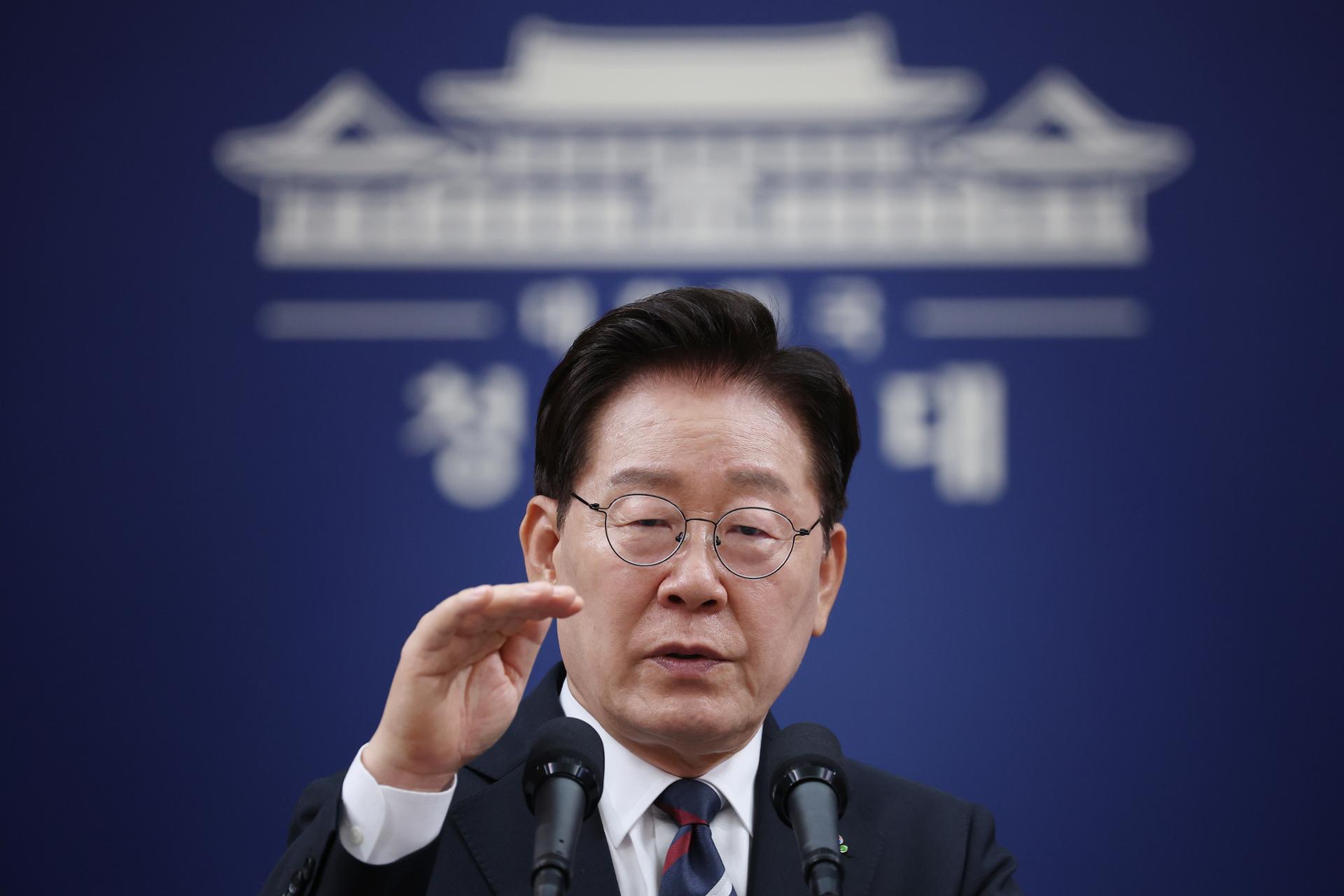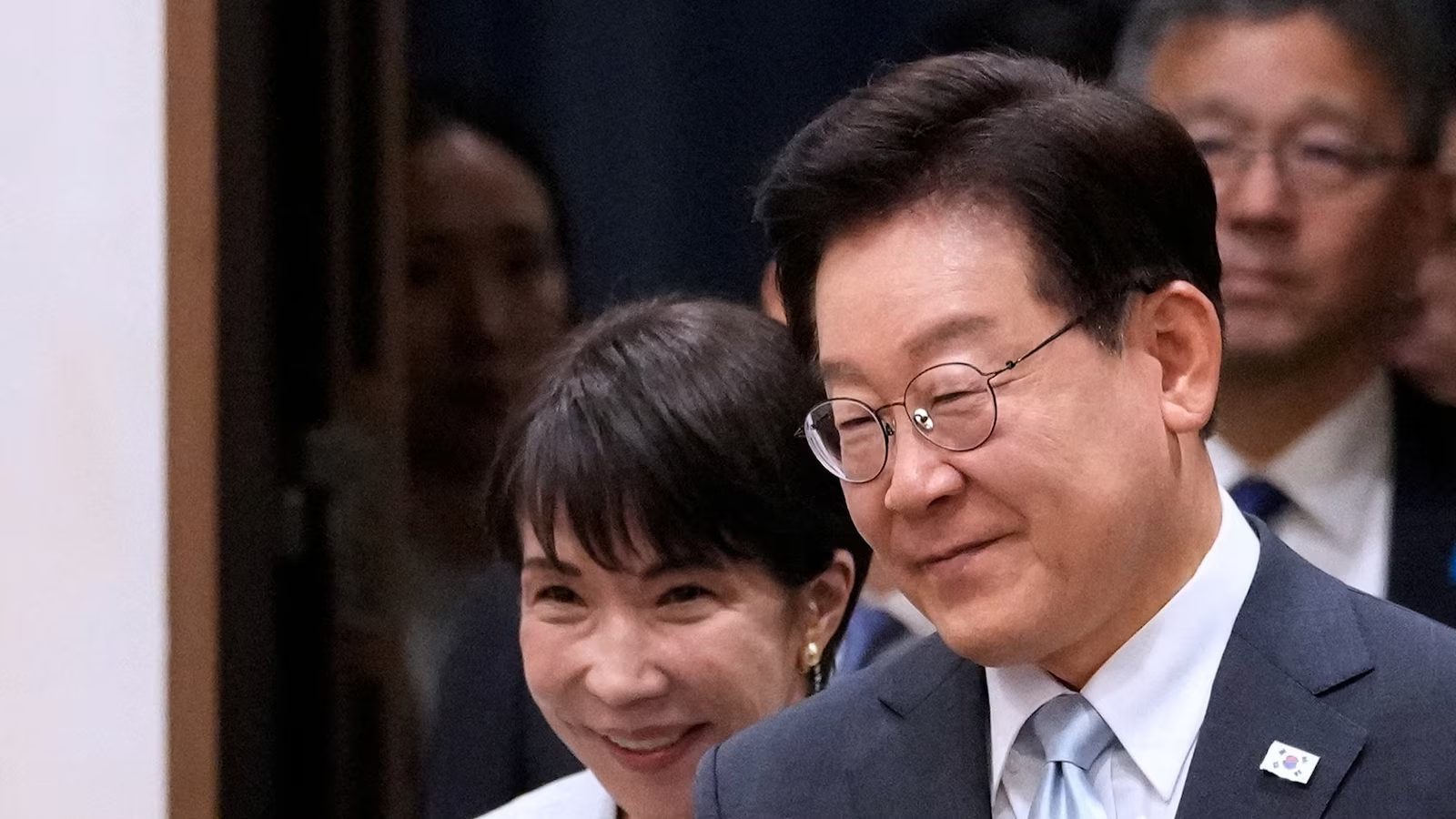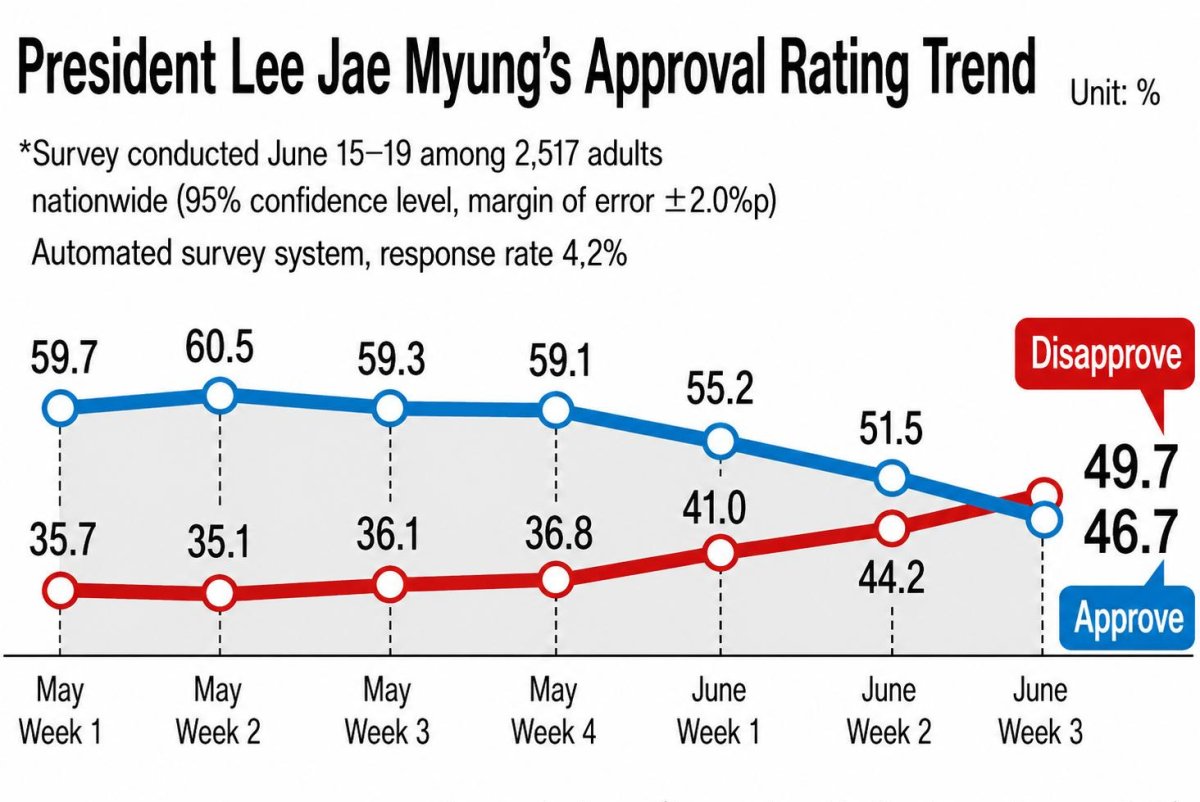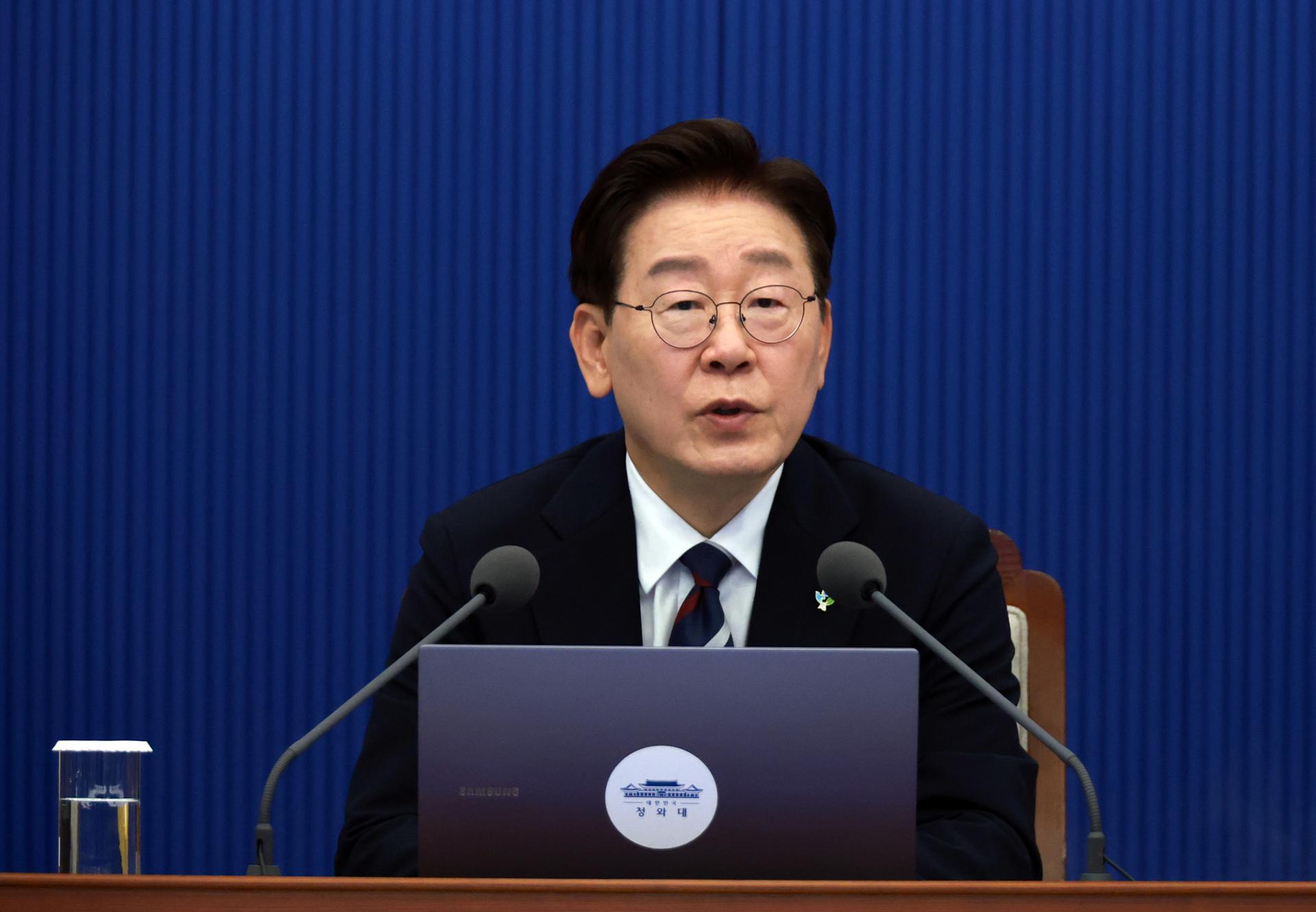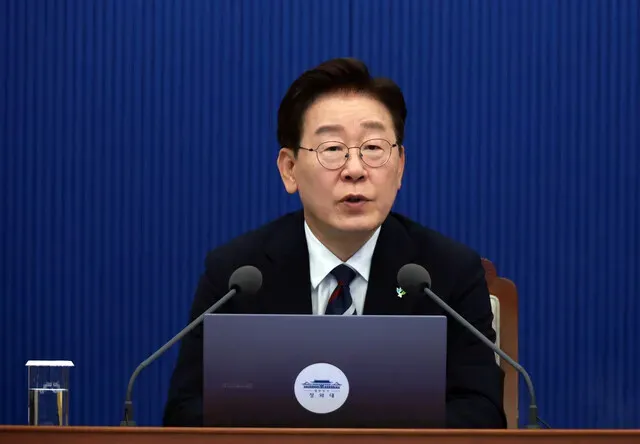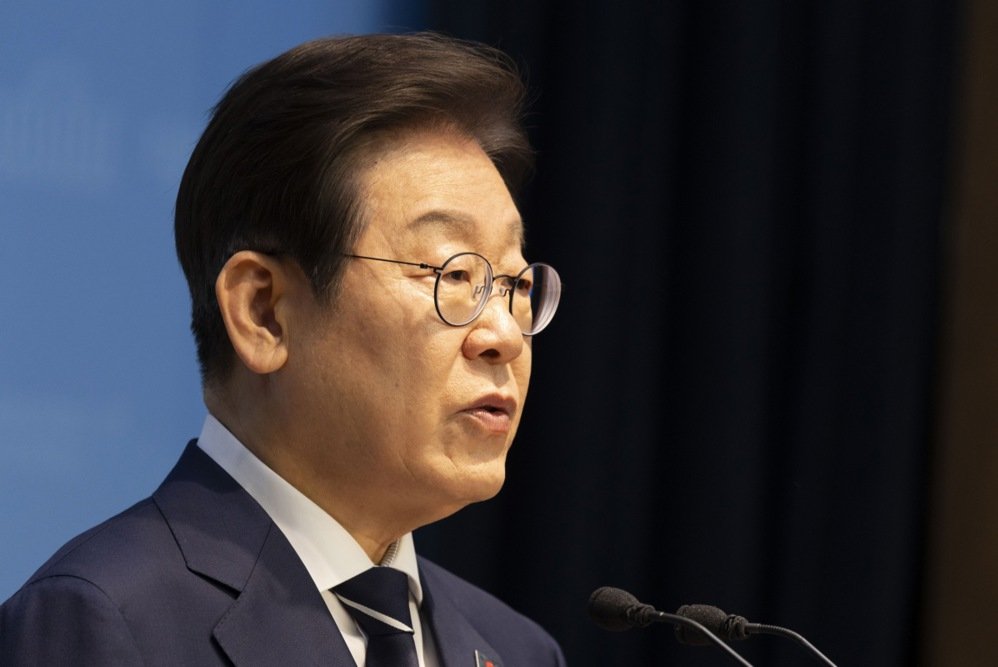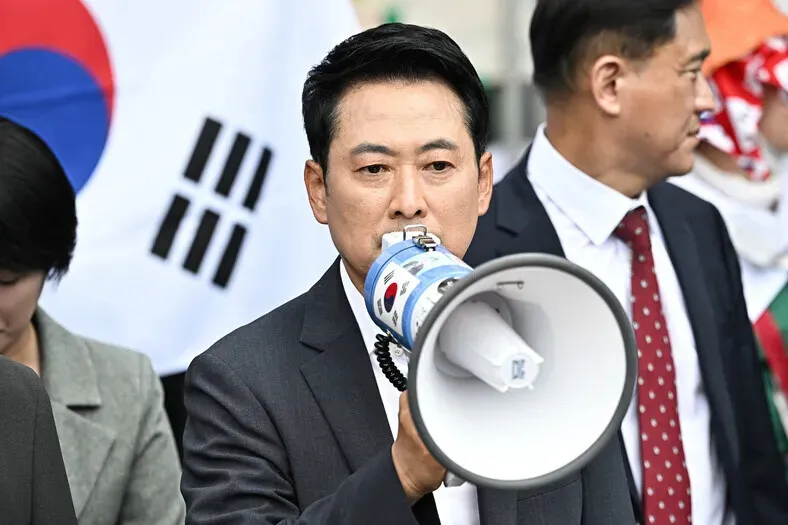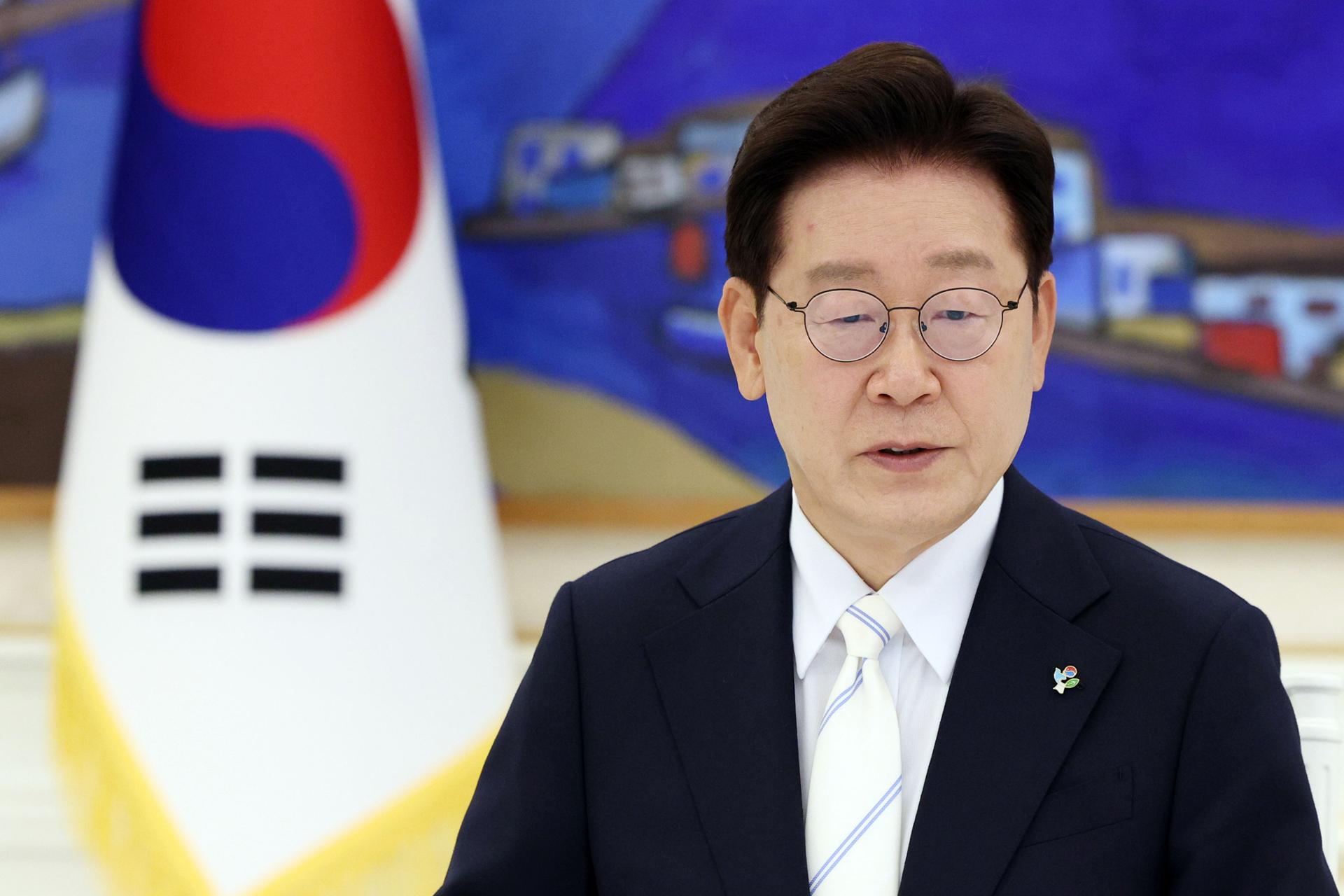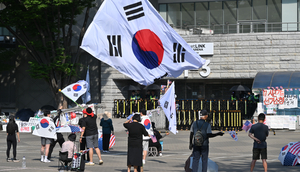
Demonstraters rallying at Olympic Park in Seoul wave the national flag on Monday. (Im Se-jun/The Korea Herald) The conservative main opposition People Power Party's approval rating has overtaken that of the ruling party for the first time since President Lee Jae Myung took office last year, buoyed in part by the discontent over June 3 local election ballot shortage.According to a poll by Realmeter released Monday, the People Power Party's favorability came to 44.3 percent, up 3.2 percentage points from the previous week.Monday's figure was the highest since the fourth week of January in 2025, when former President Yoon Suk Yeol's impeachment in the aftermath of his martial law crisis December 2024 led to a quick rebound in the conservative party's favorability.The Democratic Party of Korea's favorability, by contrast, fell 3.8 percentage points to 38 percent, dropping below the 40 percent mark for the first time in 10 months. The figure was down for two consecutive weeks, excluding the final week of May when South Korea was in the blackout period for the election.Realmeter viewed the poll as the outcome of the People Power Party's move to take hawkish actions against a series of revelations of flawed election management of the National Election Commission in the June local election. The party's strategic choice has "absorbed support from progressives, moderates and people in their 20s," according to Realmeter.On the other hand, the Democratic Party suffered a decline in the level of its support in keys regions leaning toward the Democratic Party, such as Gyeonggi Province, Incheon and the North and South Jeolla provinces, amid repercussions from the election mismanagement scandal and internal factional conflicts ahead of the party primary to elect its new chair in mid-August, according to the pollster.Meanwhile, the job approval rating for Lee dropped for four straight weeks to 51.5 percent, according to Monday's poll, hitting its lowest point since October.An expert said a decline in the level of support for the liberal bloc was noticeable in the wake of the campaigning period, and the situation has taken a turn for the worse from the ruling party's perspective after the election."Following the ruling party's attempt to pass a special counsel (to cancel Lee's criminal indictments), conservatives rallied and some moderates switched party affiliation to the conservative party, and what accelerated the trend was the ballot shortage crisis," political commentator Lee Jong-hoon told The Korea Herald. People Power Party chair Rep. Jang Dong-hyeok (right) and its floor leader Rep. Jeong Jeom-sig are seen during the party supreme council meeting held in the National Assembly on Monday. (Yonhap) In the meantime, Rep. Jang Dong-hyeok, chair of the People Power Party, pushed ahead with his call for a redo election amid rallies in Seoul asserting an election fiasco due to NEC glitches in which some voters failed to exercise their right to vote."Tens of thousands of young people and citizens moved on to rally at Olympic Park on the weekend peacefully for a citizen resistance movement" Jang said in a supreme council meeting Monday, "If Lee and the Democratic Party comes up with the right answer (to do a redo election), the rally will come to an end, but the ruling bloc does not flinch."Jang went on to claim that the administration views demonstrators at Olympic Park in Seoul as conspiracy theory agitators who were obstructing police duties.While the People Power Party appears to be gaining wider support from the public, calls for a leadership overhaul continued.Yang Hyang-ja, a member of the People Power Party's Supreme Council, demanded in Monday's meeting that all nine members of the party's decision-making body, including Jang and herself, step down at once. Her remarks were met with Jang's refusal at the meeting, citing the recent Realmeter poll.According to political commentator Lee Jong-hoon, the election appears to have consolidated support for Jang's leadership within the party.In addition, the election wins of figures influencing minority factions within the conservative movement, such as Seoul Mayor Oh Se-hoon and Rep. Han Dong-hoon, the estranged former People Power Party chair who was elected as an independent lawmaker on June 3, also triggered “an increased level of internal cohesion” in difficult times for the party, Lee added.
Main opposition edges past ruling party in favorability poll for 1st time during Lee tenure
The conservative main opposition People Power Party's approval rating has overtaken that of the ruling party for the first time since President Lee Jae Myung to
697 words~3 min read