Get the latest news and updates from Dawn
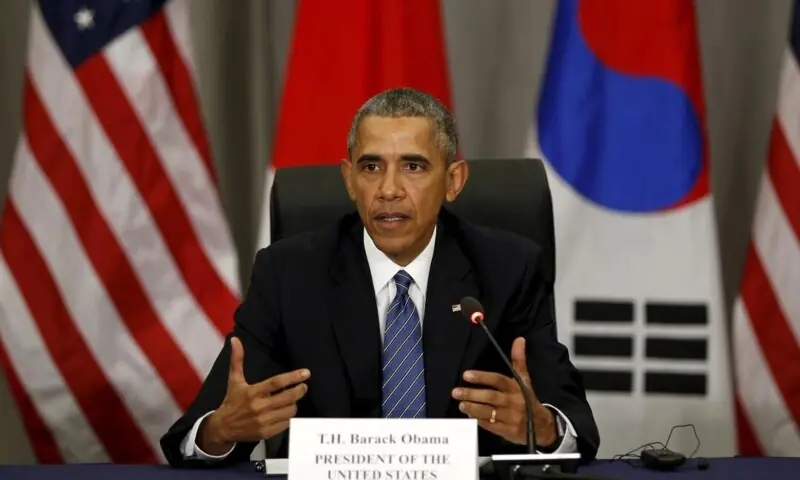
AS Washington and Tehran explore the contours of a possible new nuclear agreement following recent military strikes and a ceasefire, the emerging framework appears markedly different from the deal negotiated by former president Barack Obama in 2015.
Yet experts who helped craft the original agreement argue that diplomacy remains indispensable, regardless of military developments, and caution that any lasting settlement will ultimately depend on verification, inspections and mutual compromise.
According to an analysis by the Council on Foreign Relations (CFR), the expected agreement is likely to begin with a memorandum of understanding extending the ceasefire between the two countries for at least 60 days and reopening the Strait of Hormuz, while leaving the most contentious issue — Iran’s nuclear programme — for follow-on negotiations.
“Even if they do and an MoU is announced, negotiations on the outstanding issues, especially on Iran’s nuclear programme, will be long and difficult,” Steven Cook, senior fellow for Middle East studies at CFR, cautioned.