This content was published on
June 17, 2026 - 12:21
4 minutes
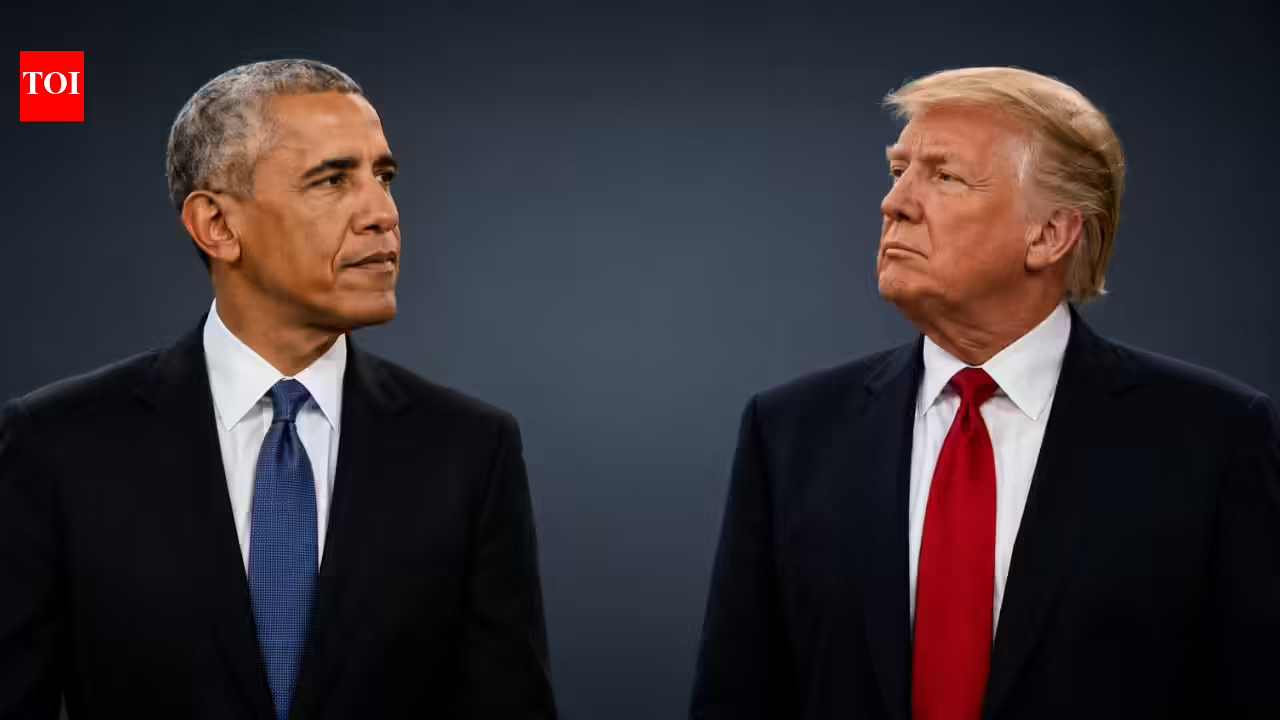
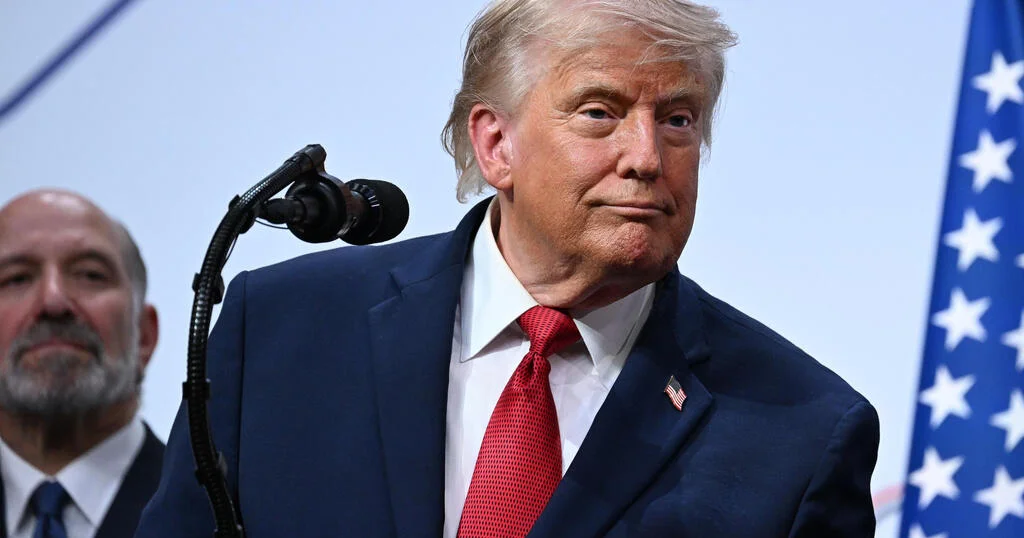
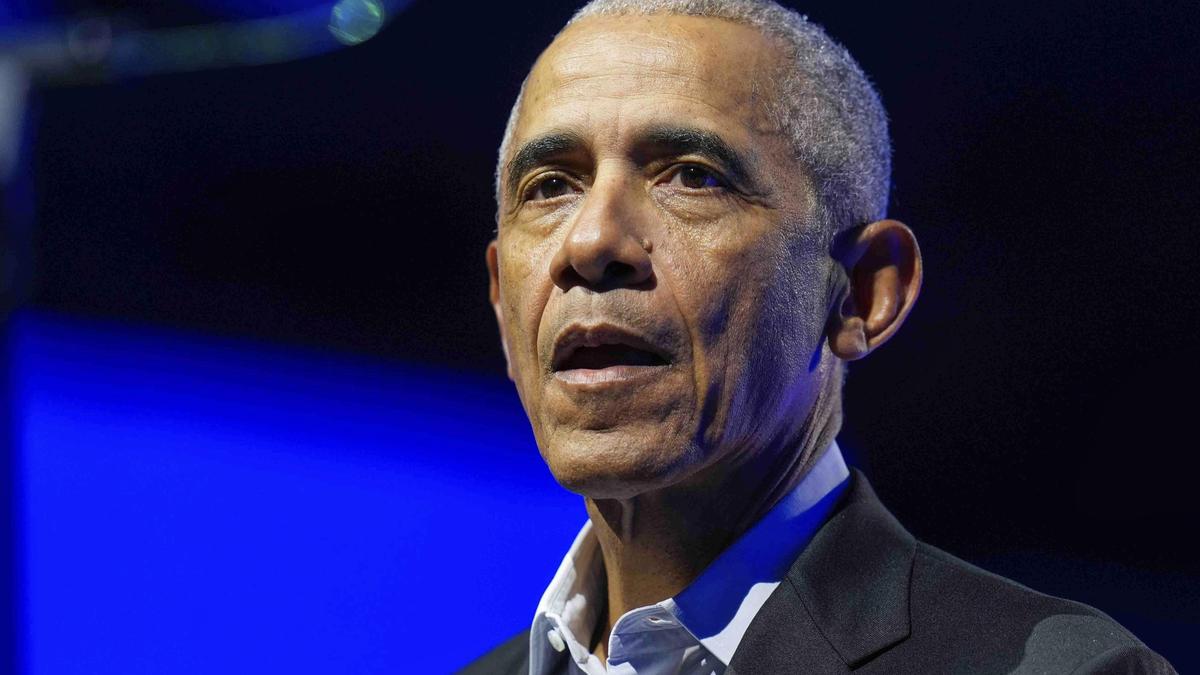
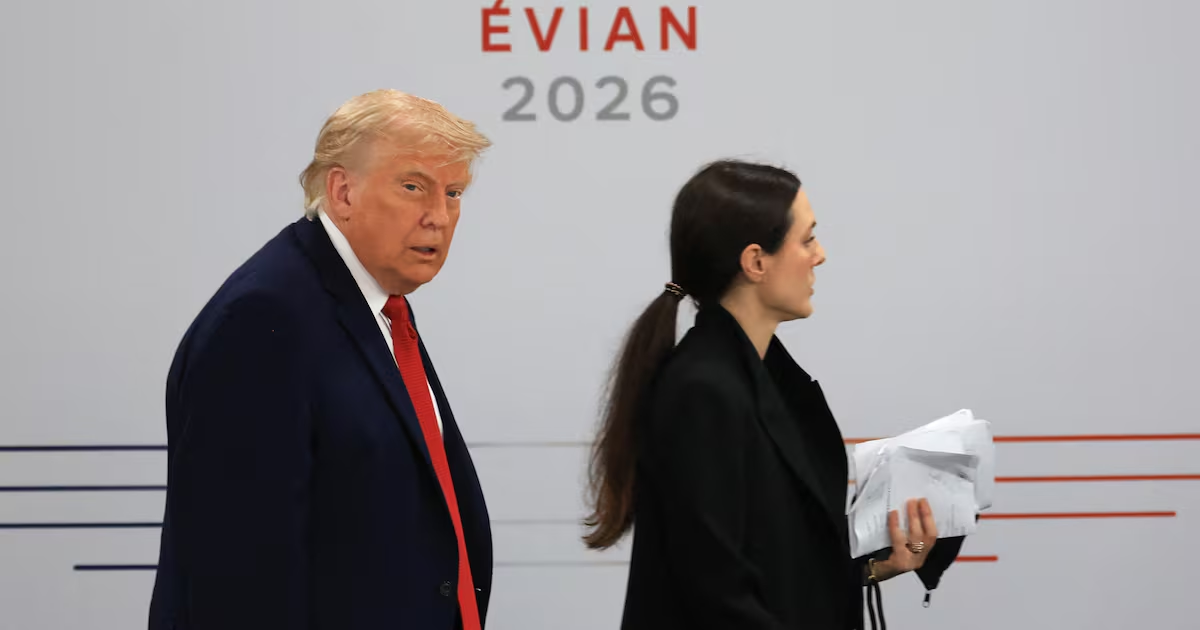
(Bloomberg) — US President Donald Trump’s emerging nuclear accord with Iran risks securing fewer restrictions than the deal negotiated by the administration of Barack Obama — one he derided and later scrapped.The potential agreement, set to be negotiated over a 60-day period, will build on a memorandum of understanding that states only that Iran’s stockpile of near-bomb-grade uranium be “adequately addressed.” That leaves unresolved the fate of enough material to fuel multiple weapons, and underscores the challenge of surpassing the strength of Obama’s 2015 accord in preventing a nuclear-armed Iran.Trump has sent mixed signals this week over the importance of the highly enriched uranium, which he routinely calls “nuclear dust.” Speaking at the Group of Seven meeting in France, he wavered on whether gaining access to Iran’s stockpile is critical for an end to the war with the Islamic Republic that began on Feb. 28.“You could make the case ‘why are you even bothering?’ because it’s not really valuable,” Trump said during a meeting with Qatari Emir Sheikh Tamim bin Hamad in France on Tuesday. “Psychologically we want to get it.”For a war ostensibly fought to prevent Iran developing a nuclear weapon, failing to account for the fuel required to build one would throw the success of the military venture into doubt. International Atomic Energy Agency inspectors haven’t verified the state or location of the material since a 12-day US-Israeli bombing campaign in June of last year.The Iran nuclear agreement of 2015, which Trump abandoned during his first term, set a high bar. That deal — negotiated over two years — limited Iran’s stockpile to 300 kilograms of low-enriched uranium, restricted the development of new technologies, dismantled some facilities and gave the IAEA authority to call snap inspections.No comparison can be made with the new accord because the details haven’t yet been agreed. Even so, Trump said Tuesday the Joint Comprehensive Plan of Action, as the 2015 deal was known, was “the worst agreement.”“That was a road to a nuclear weapon. Mine is a wall against a nuclear weapon,” he said.Iran “reiterates that it will never produce nuclear weapons” in the memorandum of understanding — set to be signed in Switzerland on Friday — but that promise has been made multiple times before. Tehran is a signatory to the Treaty on the Non-Proliferation of Nuclear Weapons and has passed supplementary religious edicts forswearing the bomb.That leaves the Trump administration facing a strategic u-turn with serious long-term implications. Just three months ago, the White House was contemplating a special-forces raid to seize Iran’s uranium. Now it’s signaling the US is willing to live with ambiguity over the material’s fate if it means a return of Middle Eastern energy flows and recovery for the world economy.The White House didn’t immediately respond to a request for comment.The IAEA has warned member countries about new dangers of nuclear proliferation caused by this year’s war.Iran rejected earlier demands to hand over its uranium stockpiles, suggesting it’s only willing to render its highly-enriched material inert inside the country. Before the June 2025 war began, IAEA inspectors accounted for the nuclear fuel to gram levels at sites in Fordow, Isfahan and Natanz.US Vice President JD Vance said Monday in an interview with NBC News that nuclear inspectors will “absolutely” return to Iran, even though the deal text doesn’t specify that.–With assistance from Courtney Subramanian.©2026 Bloomberg L.P.