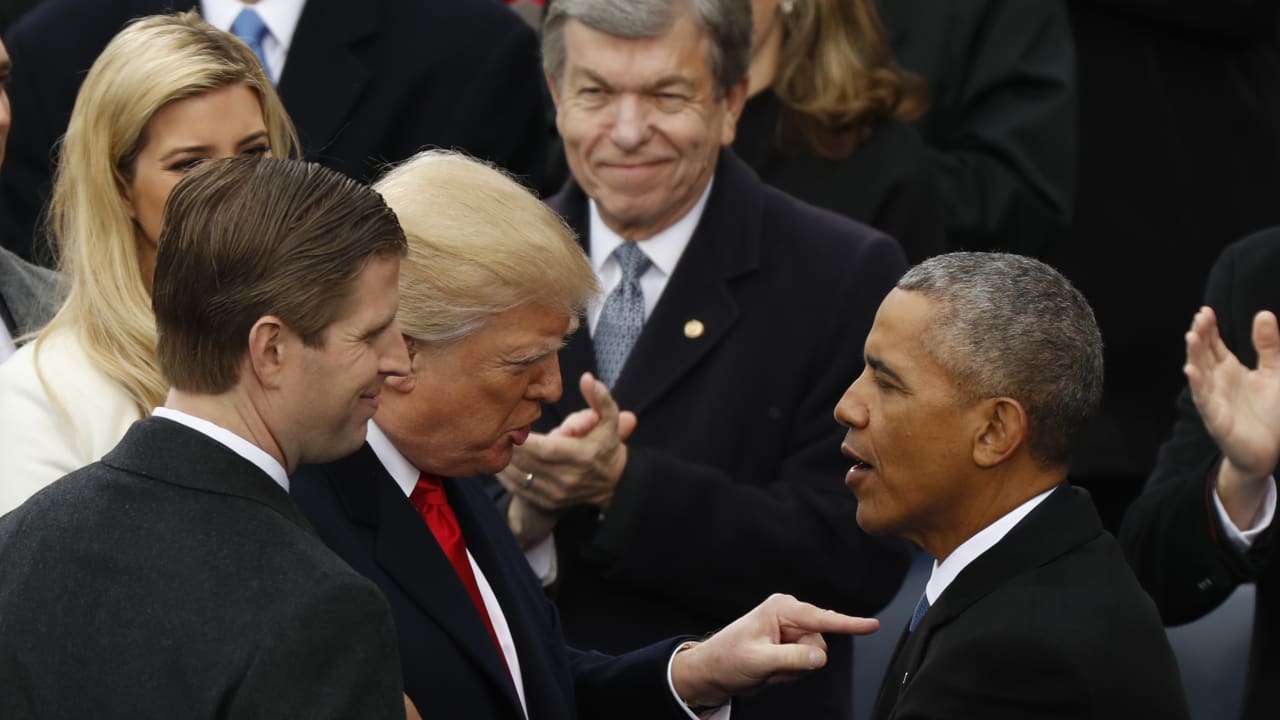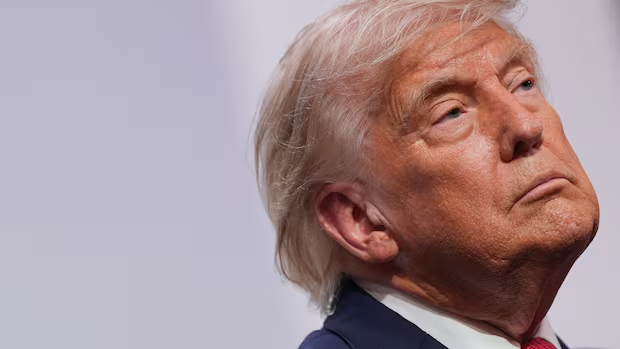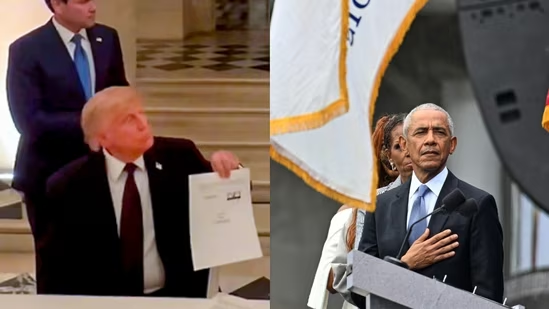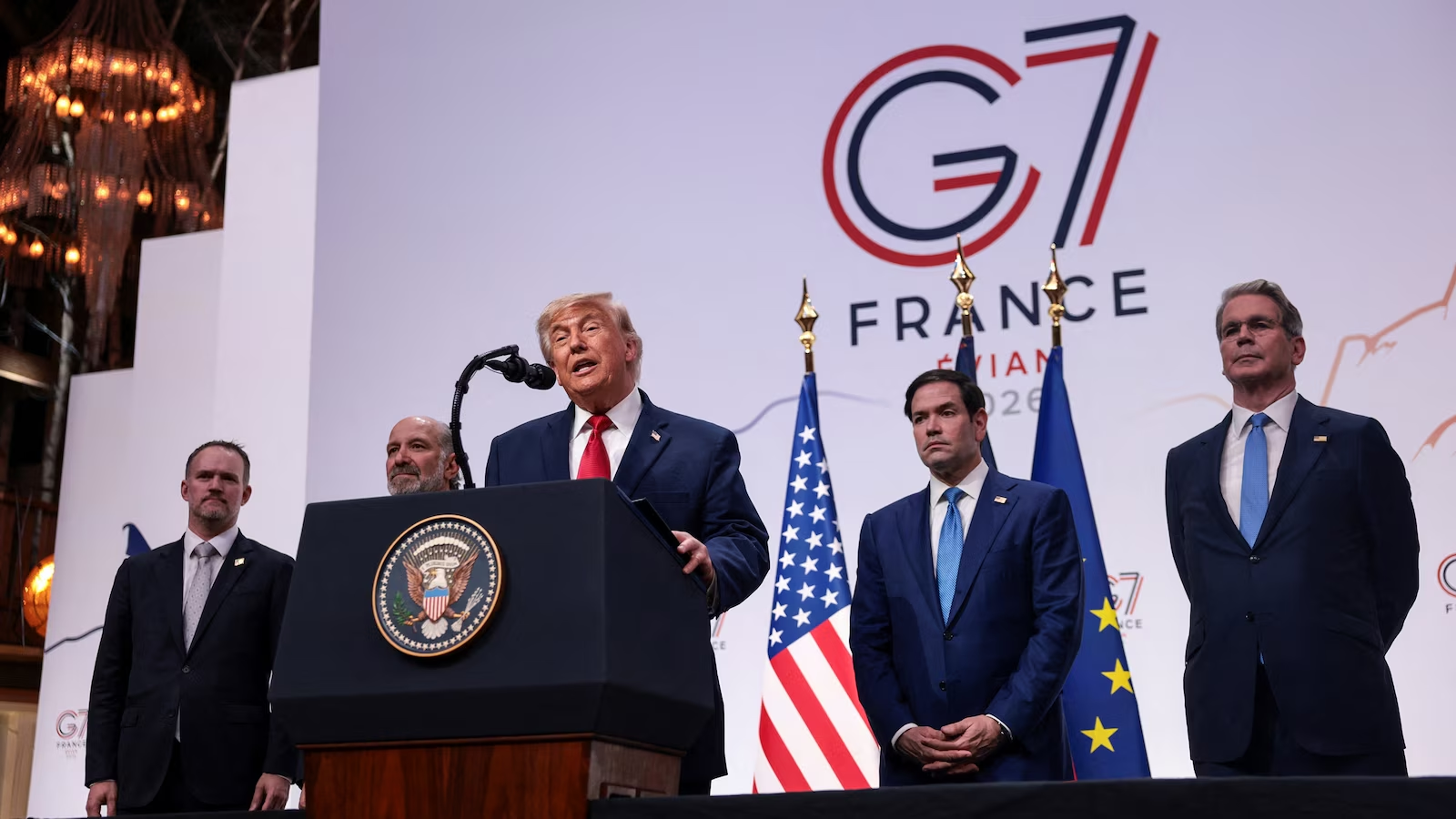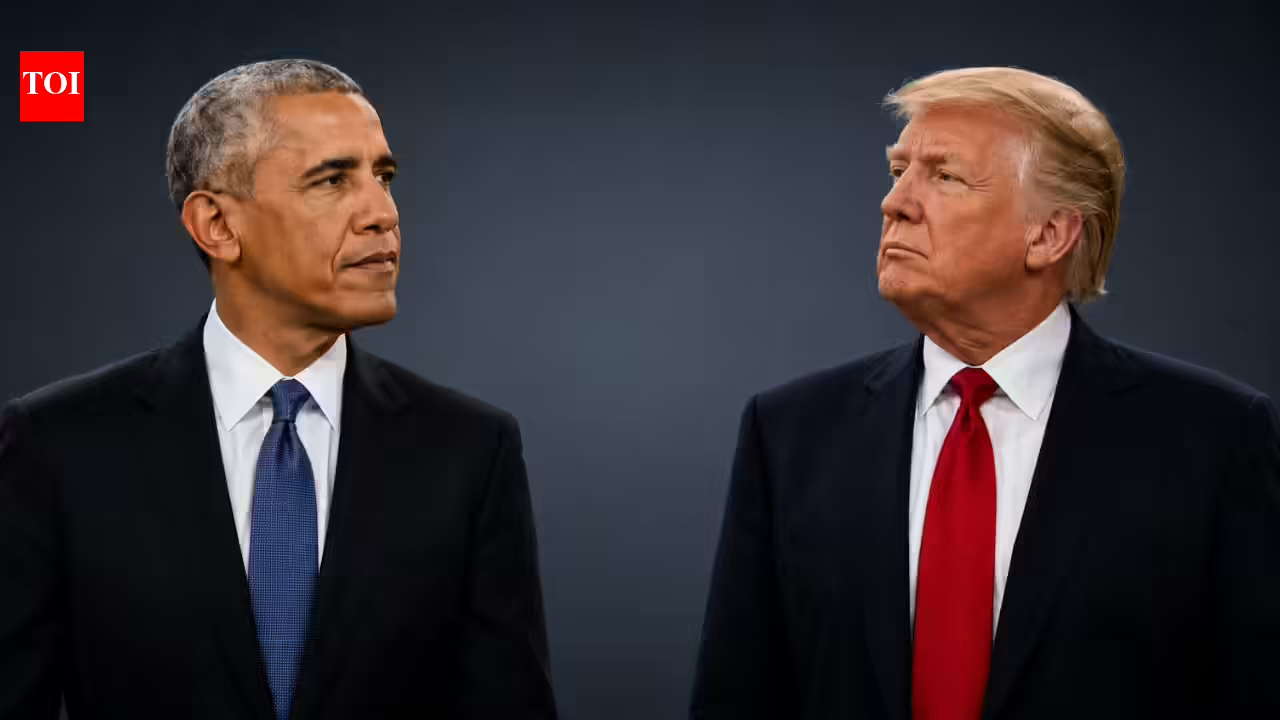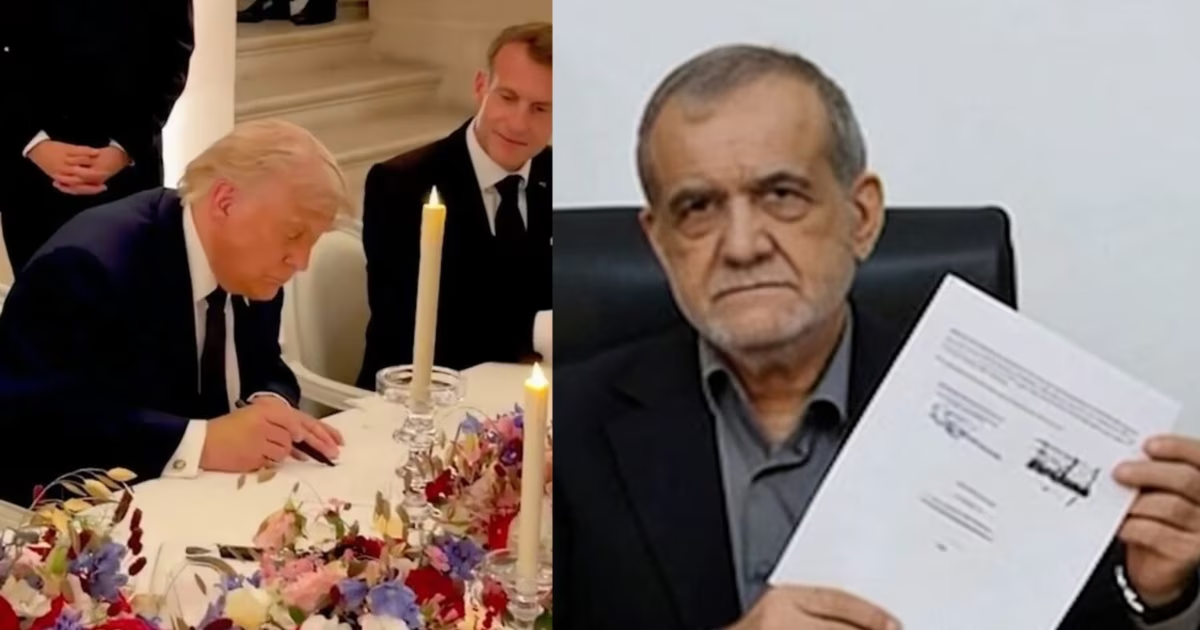
The US-Iranian deal to end their war and reopen the Strait of Hormuz is inevitably being compared with the 2015 Joint Comprehensive Plan of Action (JCPOA) agreed with Tehran by then US President Barrack Obama.That deal was fiercely criticized by his successor, Donald Trump, who pulled the United States out of it in 2018 during his first term of office. Trump has repeatedly said his deal would be better, although the text he signed in Versailles is not the final one -- it leaves many issues to be negotiated over the next 60 (or more) days.
“If it were easy we would have resolved it, you know, two wars ago,” Naysan Rafati, Iran Senior Analyst at the International Crisis Group, told RFE/RL, referring both to the 12-Day War in June last year and to this year’s hostilities, that reignited with US and Israeli air strikes on February 28.“The fundamentals of the Iranian nuclear program since last June have been different to what they were like under the JCPOA,” he added.What Was In The JCPOA?One thing that is unchanged is that Iran has always denied wishing to develop nuclear weapons but has enriched uranium to grades beyond what is needed for civilian purposes.This was a core problem then and it remains so today.Key elements of the JCPOA were for Iran to ship 98 percent of its enriched uranium stockpile out of the country, accept limits on future enrichment to well below weapons-grade levels, mothball some centrifuges that are used for enrichment, and allow all this to be checked by inspectors from the International Atomic Energy Agency (IAEA).Wrapped in all this was a wealth of technical details, for example on exact levels of enrichment, quantities of enriched material, storage locations, and specific models of centrifuges. In addition, Iran pledged not to develop nuclear weapons.In return, international sanctions related to the nuclear program (but not other issues such as Iran’s support for armed proxy groups across the Middle East, its missile program, or its human rights abuses) would be lifted based on verification that Iran was complying.